

DDON
422 posts

@abanaunimke @pontrol_777 God bless you for this. Ibibio tribe have the highest number of light skinned people in the Suthern Nigeria.
English

@pontrol_777 80%?
98% of Ibo women are dark skin.
If you want to know an ethnic group with much significant number of light skin women...that will be Ibibio and it is not up to 10% of the Ibibio female population.
The social engineering by Ibos and Nollywood...helped project that lie sha
English
80% of them are dark
Ibos push a social engineering that their women are light skin, thereby erasing the fact that most of their women are dark
The dark ibo women suffer from colorism as their seen as they aren’t ibo enough.
Ondo has more light skin women than they do!
Pella Ìkà X@odunayo_owo
All the Igbo grandmothers I have been seeing online since, I never see light skin ooo
English
DDON retweetledi

I have a serious challenge with matchmaking Igbos.
The ladies are saying, ma I don’t want Igbo.
The guys are saying, Jane I don’t want Igbo.
What’s going on?
English
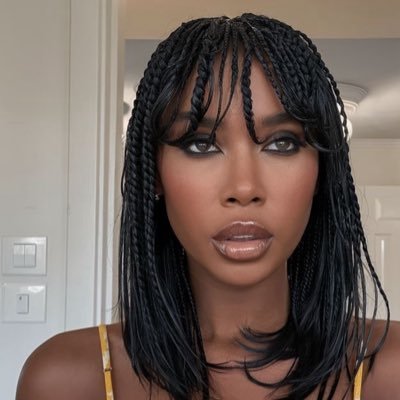
The Etymology of Ịchàfụ or Ichàfò
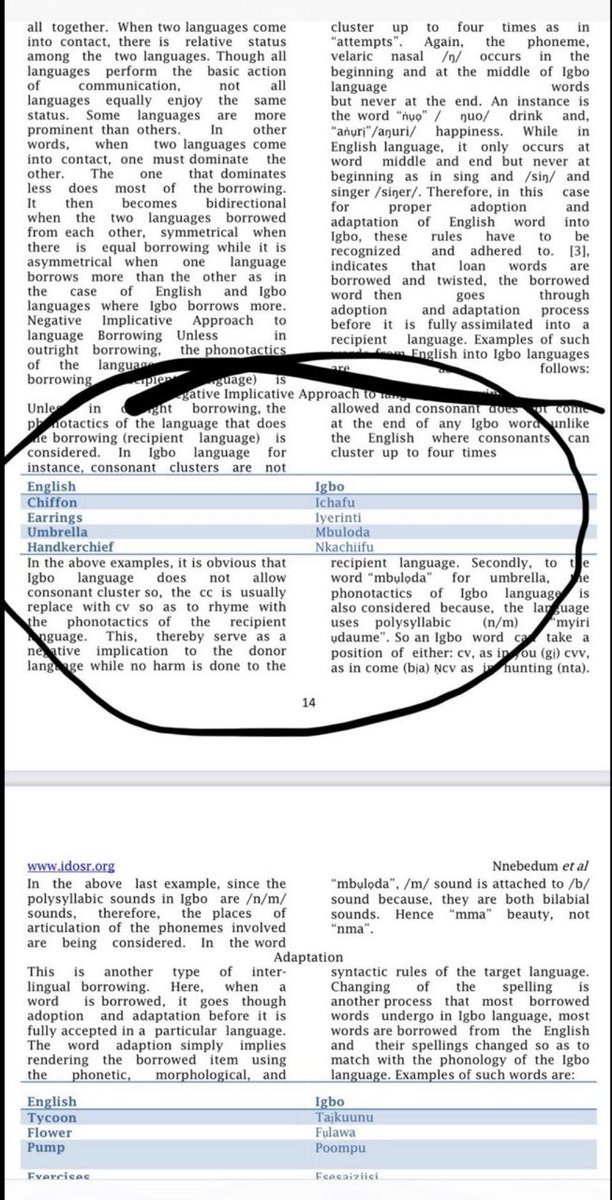
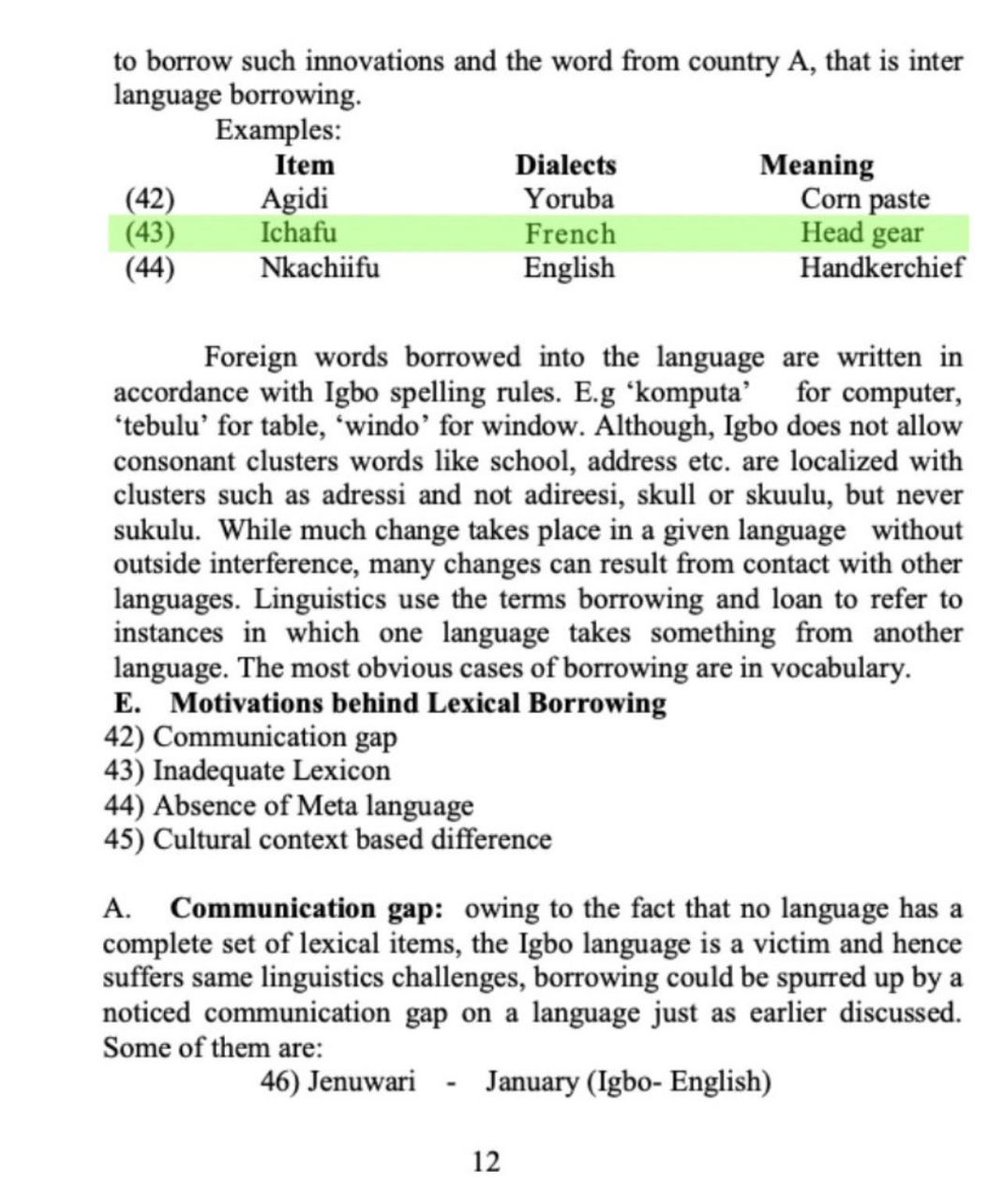
The Claim: Ichafu is a corruption of the French word "Chiffon."
The Reality: Ichafu is a native Igbo compound noun derived from the active verbs Ịchị (to gather) and Ịfụ/Ịfọ (to wrap/bind).
1. The Verb Roots (The "Action")
Íchí (from Ịchị): To gather, bunch up, collect, or marshal. This describes the manual manipulation of the fabric into folds and pleats to create volume.
Áfụ́ / Áfọ́ (from Ịfụ/Ịfọ): To wrap, bind, envelope, or secure. This describes the structural act of winding the fabric around the head.
The Action Phrase: Íchí áfụ́ ísí — To gather and wrap the head. (The literal manual for creating a flamboyant head-dress).
2. The Noun Formation (The "Object")
In Igbo morphology, adding the prefix Ì- to a verb compound creates a noun.
Ìchàfụ̀ / Ìchàfọ̀: The sculptural result of the gathered wrap.
3. The 1904 "Receipt" (The Historical Proof)
The ancient English-Ibo-French Dictionary documents the word in its uncontracted, original form: Içi-ọfọ (Ichi-ofo) Içi-afo(ichi-afo), Içafo(Ichafo)
The Categorization: It is listed under "Kerchief" “head dress," with the French equivalent being Couvre-chef(Head-cover) and Coiffure (Elaborate Hairstyle/Head-dress).
4. In the same 1904 record, the French authors who were native speakers—defined Chiffon as Nkilika-akwa(Rags/Clouts).
There is zero linguistic connection. Igbos did not name their "Coiffure" after a French word for rags. They named it after the ART of the Ichi-afo (The Gathered Wrap).


star⭐@Starqueensly
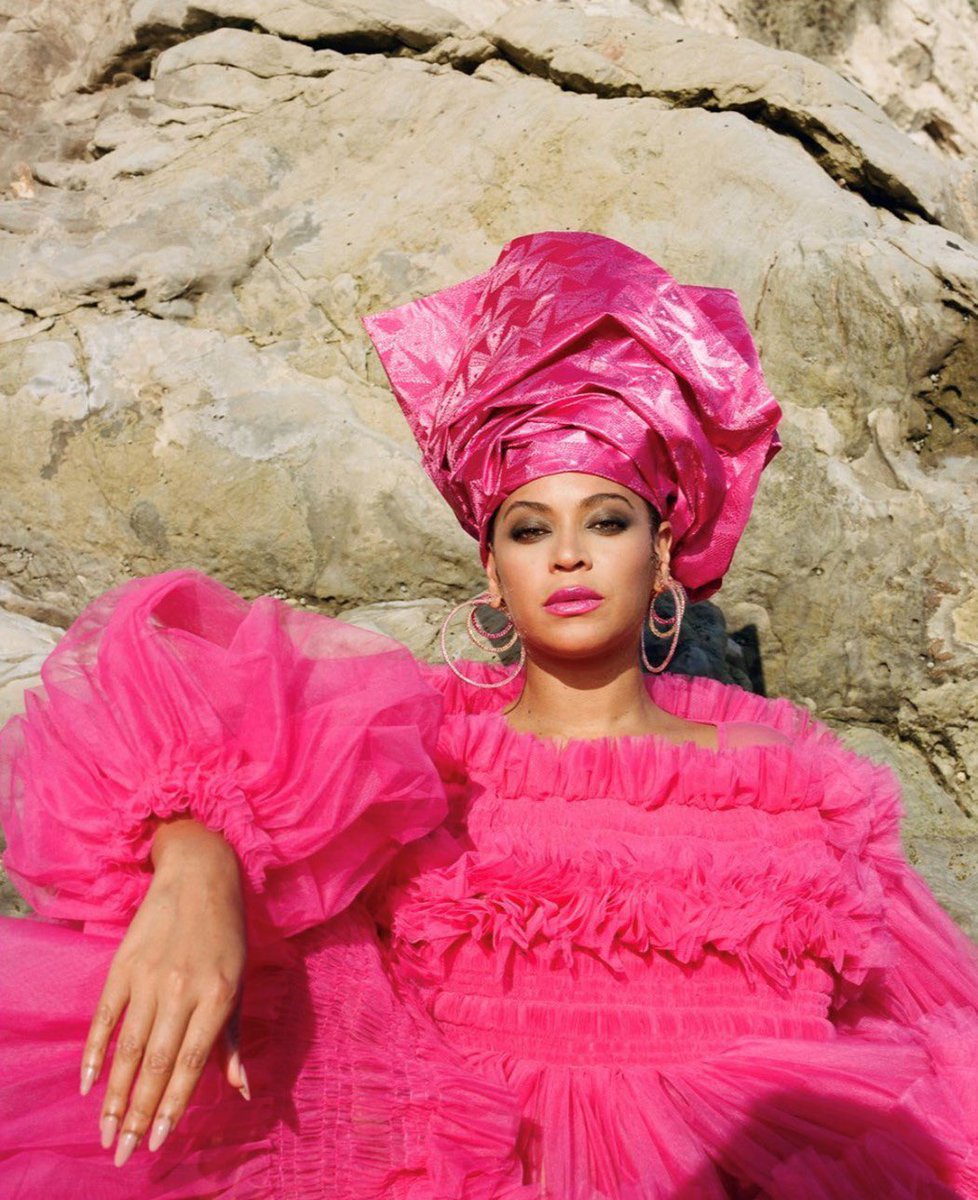
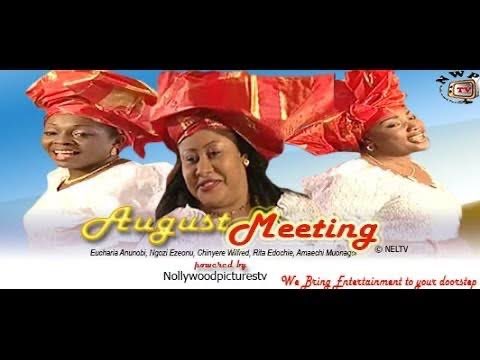
The “Chiffon” lie ends today. Yoruba Gele etymology is literally pocket handkerchief. (Frame 1 & 5) Gele is aso inuju(face wiping cloth). My Igbo Ichafu etymology is high-fashion Kerchief / Head-dress / Coiffure.(frame 2&3) From the 1900 European archives: Içafo (Ichafu) comes from the native compound Içi-ọfọ (Gathered-Wrap).(frame 2&3) The French translation in the records is Couvre-chef (Head-cover) and Coiffure (Elaborate Hairstyle). It even lists the synonym Akwaisi, which literally translates to ‘Head-dress’(frame 2&3) Meanwhile, that same record (1900)translates Chiffon as Nkilika-akwa (RAGS) in Igbo. No connection to Ichafo at all. Igbos didn't name our crowns after French rags or piece of light cotton(pocket handkerchief), we named them after the art of the wrap. 💯 indigenous. My etymology is a Coiffure, yours is a pocket handkerchief.
English

@Lord_Of_Warri Yeah. I've heard it from 2 researchers who said Oranmiyan was the son of Ogun laakaye, Oduduwa's son. This means that those who insist that he was a grandson to Oduduwa were right.
English
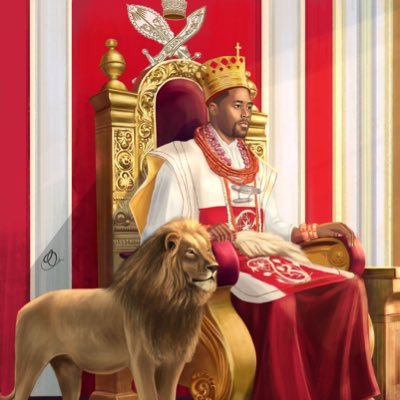
It must also be clearly stated that Owomika (Eweka) was never called Oba of Benin while his father Oranmiyan was still alive, because the Bini recognized only Oranmiyan as Oba. That is why Owomika was given the name Omo N’Oba (child of the Oba). His official title, however, was Ori-Edo, now called Oredo (head of the Edos—though Edo also means slaves).
Furthermore, Oranmiyan was the son of Ogun (arguably), which is why the title Omo Ogun was used in his Oriki/Akpuja, a title that was also adopted by his son Owomika (Eweka).

Lord Of Warri@Lord_Of_Warri
The First Oba of Benin and the Origin of the Benin Monarchy Let’s discuss the first Oba of Benin. Oranmiyan was the first Oba of Benin. The land he conquered was called Igodomigodo, sometimes referred to as Idu. He took control of it at the request of Ife/Esan mixed immigrants, known today as the Bini people, who had complained to Ife about being treated as third class in Igodomigodo. After the conquest, the Bini became powerful and were in charge, but Oranmiyan faced strong rejection from the ordinary citizens of Idu (not from the Bini). Oranmiyan eventually left and named the land Ile-ibinu. The Ife/Esan mixed immigrants adopted this name as their identity; to others, they became known as Ibinu/Ibini, while the Itsekiri referred to them as Ubini. Oranmiyan left his son, who lived with his mother, to rule. This son, known as Owomika (Eweka), became their Oba after they formally sought him. Every appellation (Akpuja/Oriki) used thereafter meant “son of this” or “child of this,” because he was the son of Oranmiyan, whom the Bini still recognized as their Oba. From Owomika, he became known as Omo N’Oba (child of the Oba—Oranmiyan being that Oba). This is the first clear proof that the Oba of Benin was and still is ethnically from Ife and a Yoruba man—but that is not all. Here are some of the appellation and praises used for the Oba of Benin to prove his origin: EDO – ENGLISH 1.Ovbi’ Umogun Oza – The child of the Oba whose mother hailed from Oza. (Omo Ogun is the title of Oranmiyan, so this literally means the child of Oranmiyan, the Oba.) 2.Ovbi’ Ekpen N’Owa – The son of the home leopard. (The Ooni is known as the Ekun, “leopard.” It is also one of the symbols used by the ooni of ife) 3.Ovbi’ Adimila – The son of Adimila, who is next to God. (The Ooni of Ife is known as Adimula; here the Oba is described as the son of the Ooni of Ife.) 4.Ikeja Orisa – Second in command to the gods. (Ikeji Orisa is a title used throughout Yoruba land; the Ooni is known as Ooni Orisha.) 5.Abieyuwa N’Ovbi Odua N’uhe – The son of the wealthy Odua of Uhe. (Uhe is Ile-Ife, a town in Yoruba land; and that is where Oranmiyan was from. the Oba is recognized throughout as the son of the Ooni of Ife.) 6.Ovbi’ Ada, Ovbi’ Eben — the child of the owner of the Ada (scimitar) and Eben (royal sword), Edo symbols of sovereignty. (This clearly proves that the Oba of Benin is not the owner of the royal state swords, and neither are the Bini the original owners. The title itself describes the Oba as the child of the owner of the Ada and Eben, that owner being Oranmiyan, who brought them from Ile-Ife.) These praise names, preserved in Edo court traditions, consistently frame the Oba as the descendant (son) of Oranmiyan, tied to Ife/Yoruba royal symbols and figures like Oduduwa/Adimula. No traditional Edo appellations reference Ekaladerhan as the father or progenitor of the Oba line in this foundational sense. There are no praise names asserting the Oba as "father of his own father" or deriving directly from Ekaladerhan in the dynastic chain post-Ogiso. The absence of such references aligns with the tradition that the Oba dynasty begins with Oranmiyan's conquest and Eweka's installation. Early written accounts, including Portuguese records from the 15th–16th centuries, Egharevba's compilations (drawing on Edo oral sources up to the mid-20th century), and scholarly analyses of oral traditions, contain no pre-1950s documentation contradicting the Ife-Oranmiyan origin for the Oba title and dynasty. Claims of an alternative autochthonous or reversed migration (Ekaladerhan as Oduduwa) appear more prominently in later 20th-century bini revisionist reinterpretations amid Nigerian ethnic politics, but they do not displace the older, consistent emphasis on Oranmiyan as the bridge to Oba rule. So to claim otherwise from these facts should be considered a mental disorder. By Lord_of_Warri on 𝕏. Itsekiri Activist and Historian.
English

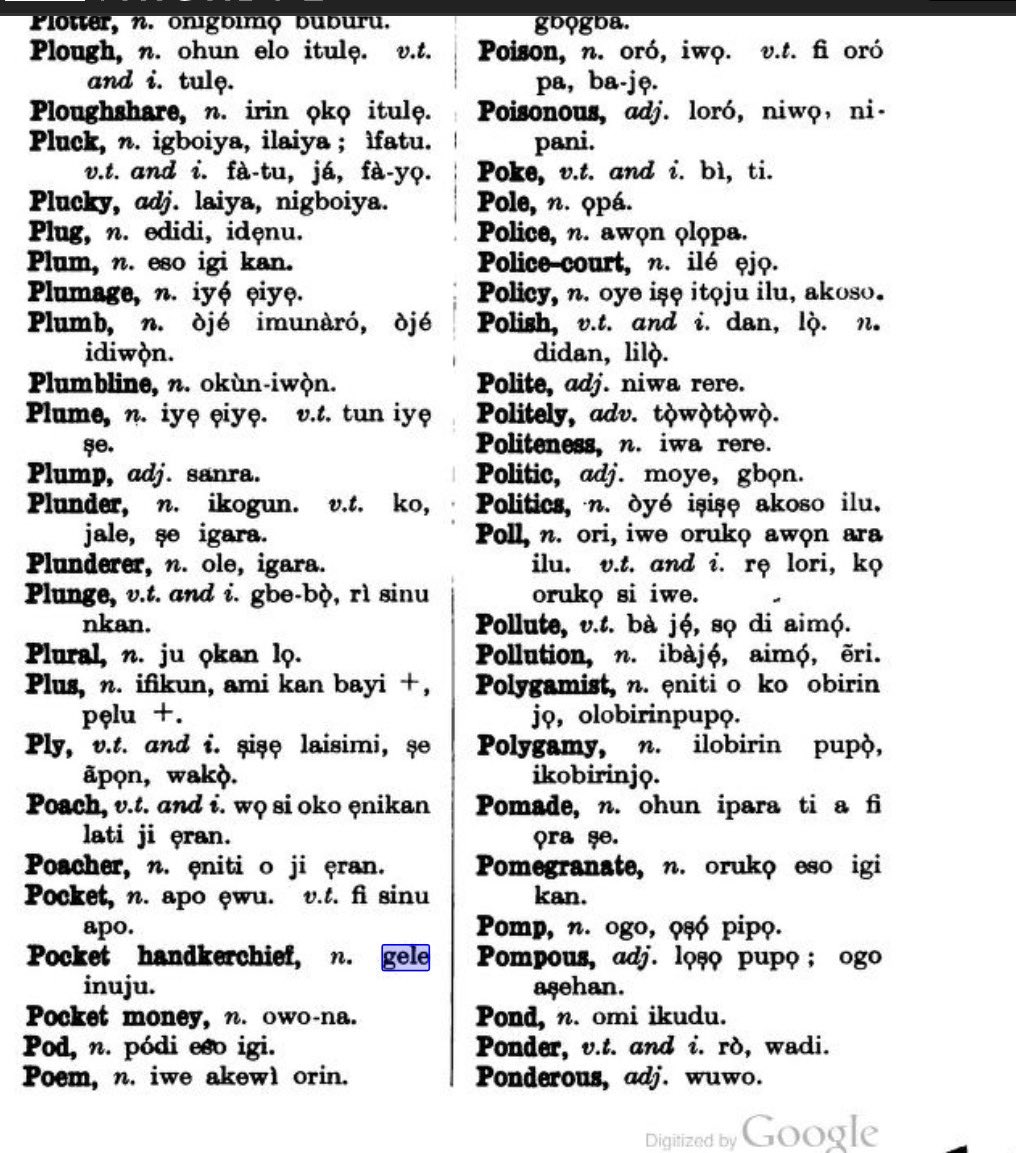
The “Chiffon” lie ends today.
Yoruba Gele etymology is literally pocket handkerchief. (Frame 1 & 5)
Gele is aso inuju(face wiping cloth).
My Igbo Ichafu etymology is high-fashion Kerchief / Head-dress / Coiffure.(frame 2&3)
From the 1900 European archives: Içafo (Ichafu) comes from the native compound Içi-ọfọ (Gathered-Wrap).(frame 2&3)
The French translation in the records is Couvre-chef (Head-cover) and Coiffure (Elaborate Hairstyle). It even lists the synonym Akwaisi, which literally translates to ‘Head-dress’(frame 2&3)
Meanwhile, that same record (1900)translates Chiffon as Nkilika-akwa (RAGS) in Igbo. No connection to Ichafo at all.
Igbos didn't name our crowns after French rags or piece of light cotton(pocket handkerchief), we named them after the art of the wrap. 💯 indigenous. My etymology is a Coiffure, yours is a pocket handkerchief.


Tony Milton@deluxe_pastor
@geenaabiti This is wrong The etymology of the word Ichafu is from Chiffon which was recently introduced to Nigeria in post colonial 20th century. Unlike Gele that is centuries old part of the Yoruba cultural attires. Ichafu is a scarf brought by the colonials, Gele is Yoruba headgear
English
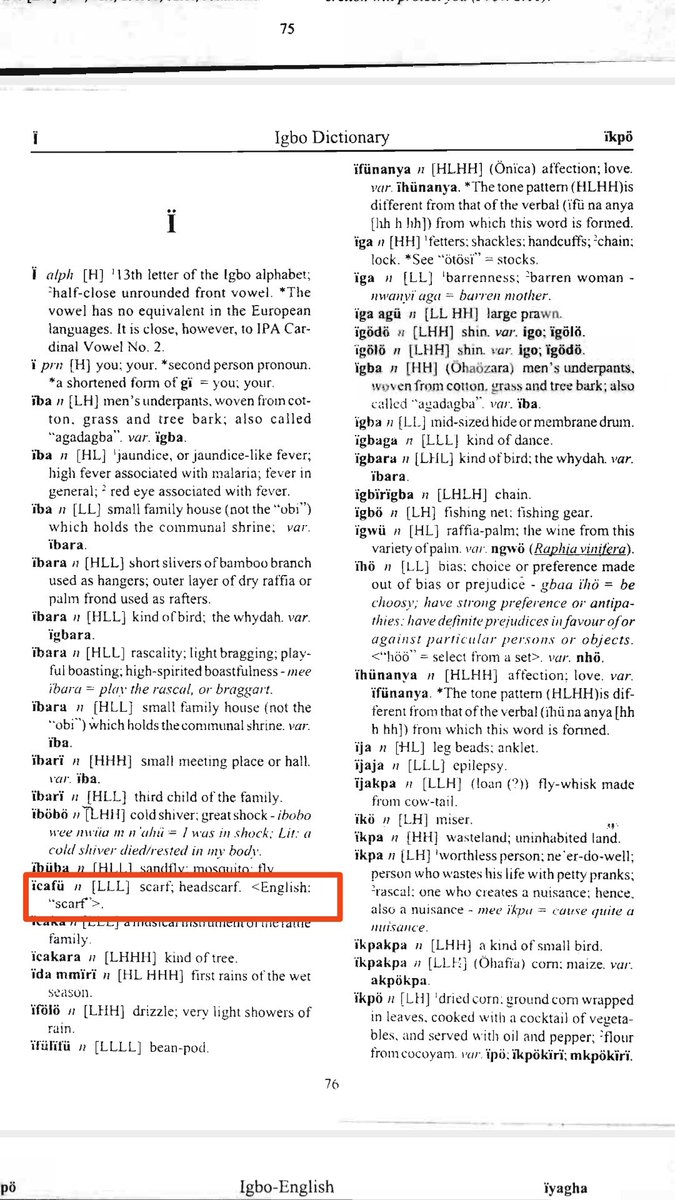
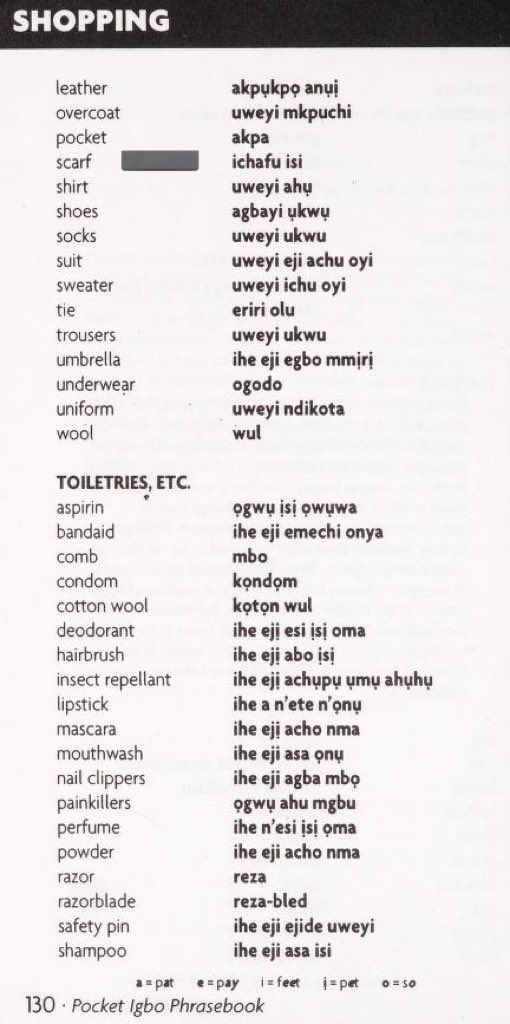
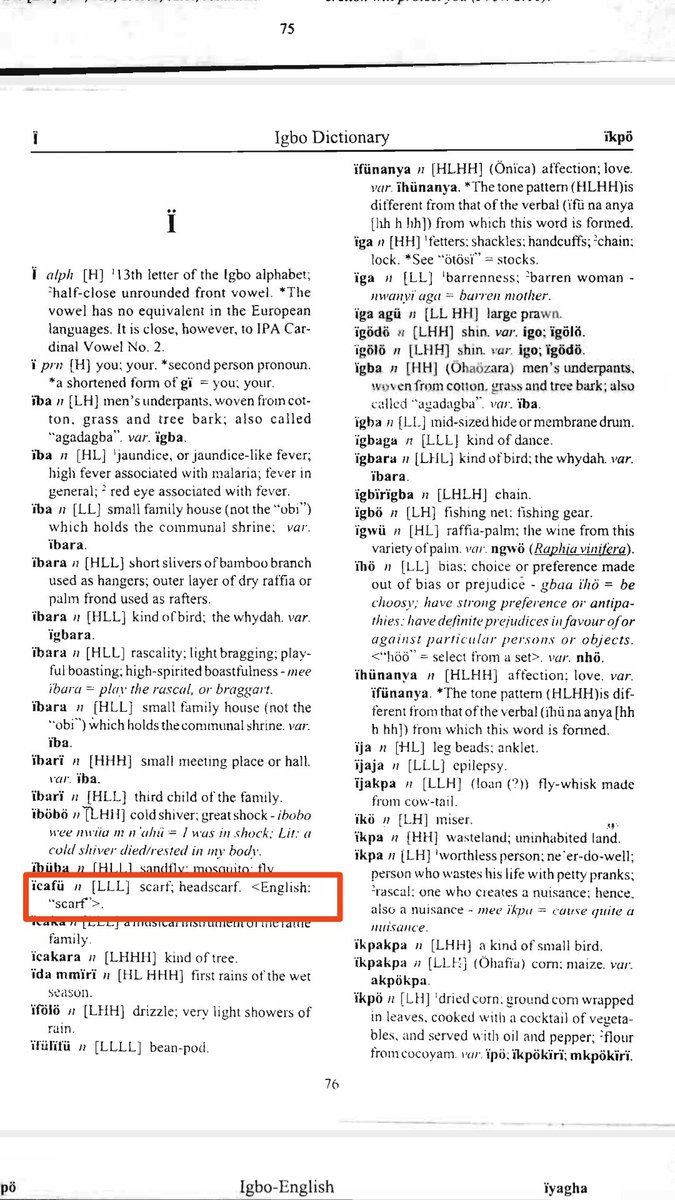
@Starqueensly Ichafu = Scarf. And Ichafu is not even IBO word but a misprounciation of "Scarf"
So are you saying the IBO invented something and named with a borrowed word?😂😂😂😂
English
@wlcback14 Bro, I have sent it to your DM. Post it for a wider audience to see. We have to start speaking out now before it is too late, they have corrupted a lot of Yoruba words and claiming them as theirs.
English

Whenever I post a Yoruba documentation, at least 5 ibos will come to claim it and guess what? Each of them calls it a different name.
That is how you know it was never theirs.
English
@Voiceofigbos They borrowed everything from Yoruba, from the Crown, to Cap and wears
English

Even the Yoroba bending cap was stolen from Igbo title men Attire
The evidence is here watch the video.
English
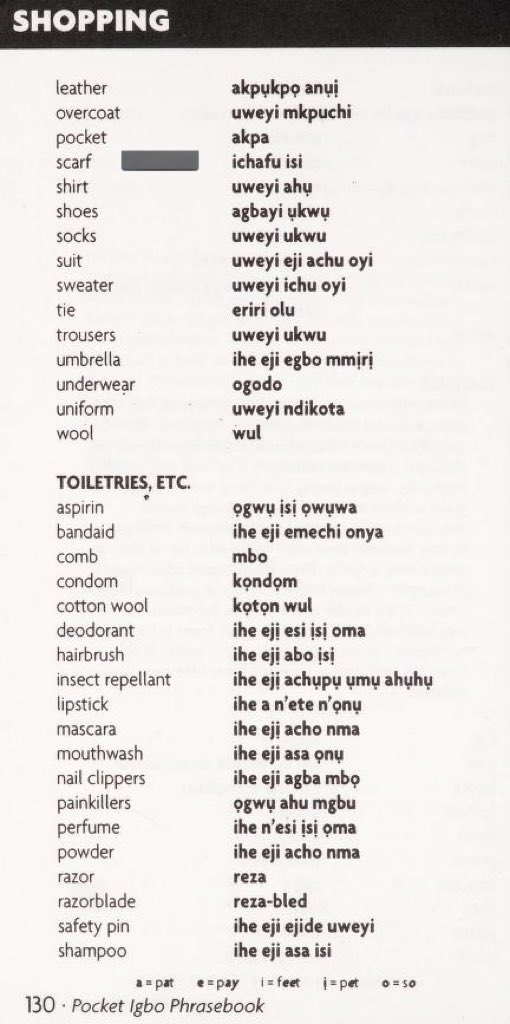
@Ugocci247 @deluxe_pastor @geenaabiti Akwa isi kill you there. Ichafu is IBO corrupted word of "Scarf" 😂😂
English

@deluxe_pastor @geenaabiti So the Yoruba made the gele? All of them were imported. It’s the same scarf different languages. Igbos call it ‘Akwa isi’ or ‘ichafu’
English

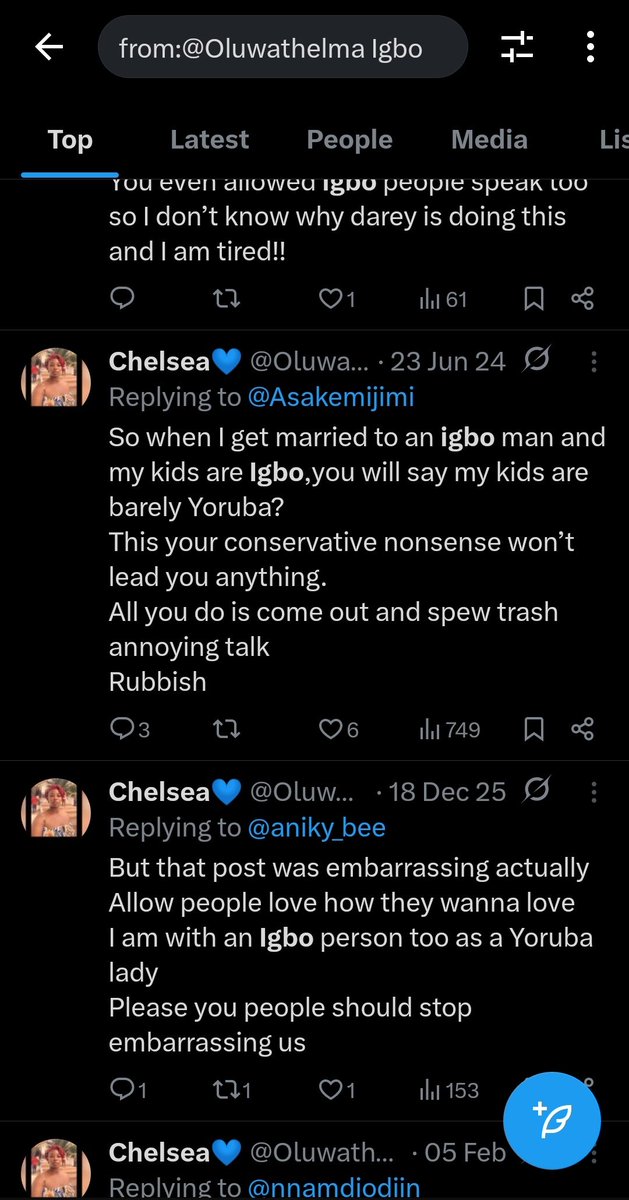

@Kynsofficial Akin, you actually can’t stop intertribal marriage.
The obly thing is that,make sure they love and adore your culture too.
English

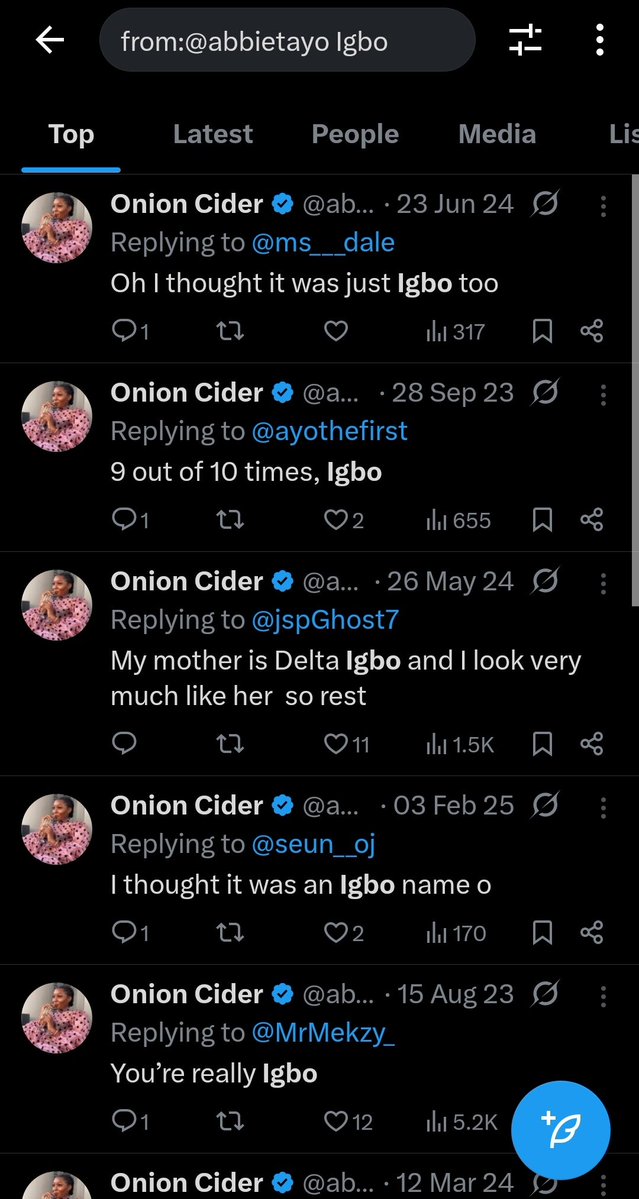


Short Skirt
Head tie
Soup
Low quality life, low quality conversation till everlasting.
English
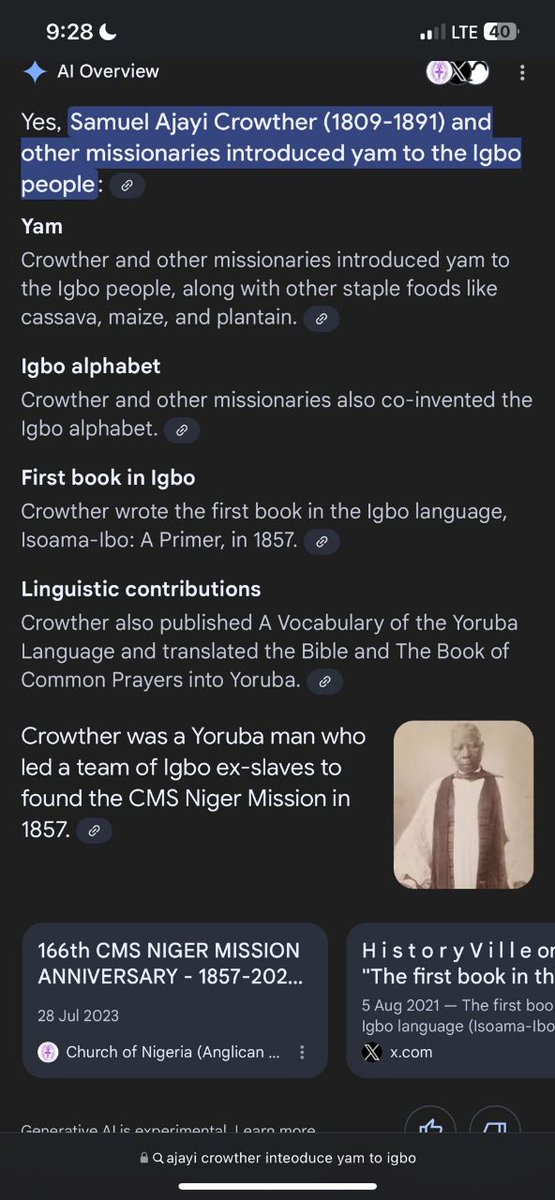
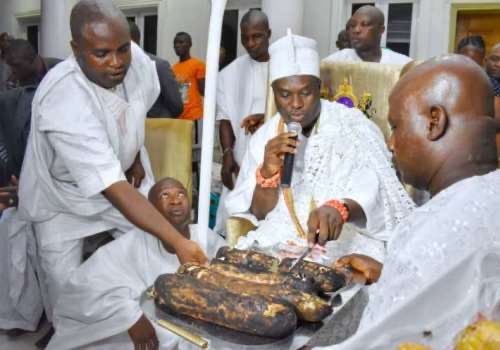
One day they will change this picture to black and white color and tell you that they are the one that started New Yam festival in 1850
You don’t even know what Fulanis saw in their hand and gave them that name Yoroba
English
@wlcback14 Bro, I want to send something to your DM, so you can post it for a wider audience to see. About the Yoruba words which the ibos have corrupted an claiming them. Can I send it to you DM?
English
When you don’t have a culture, it easy to steal that of others.
English



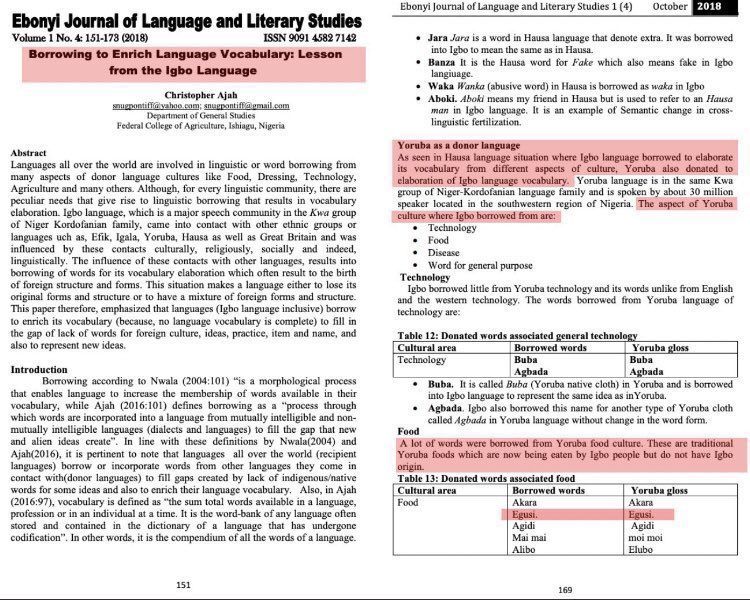
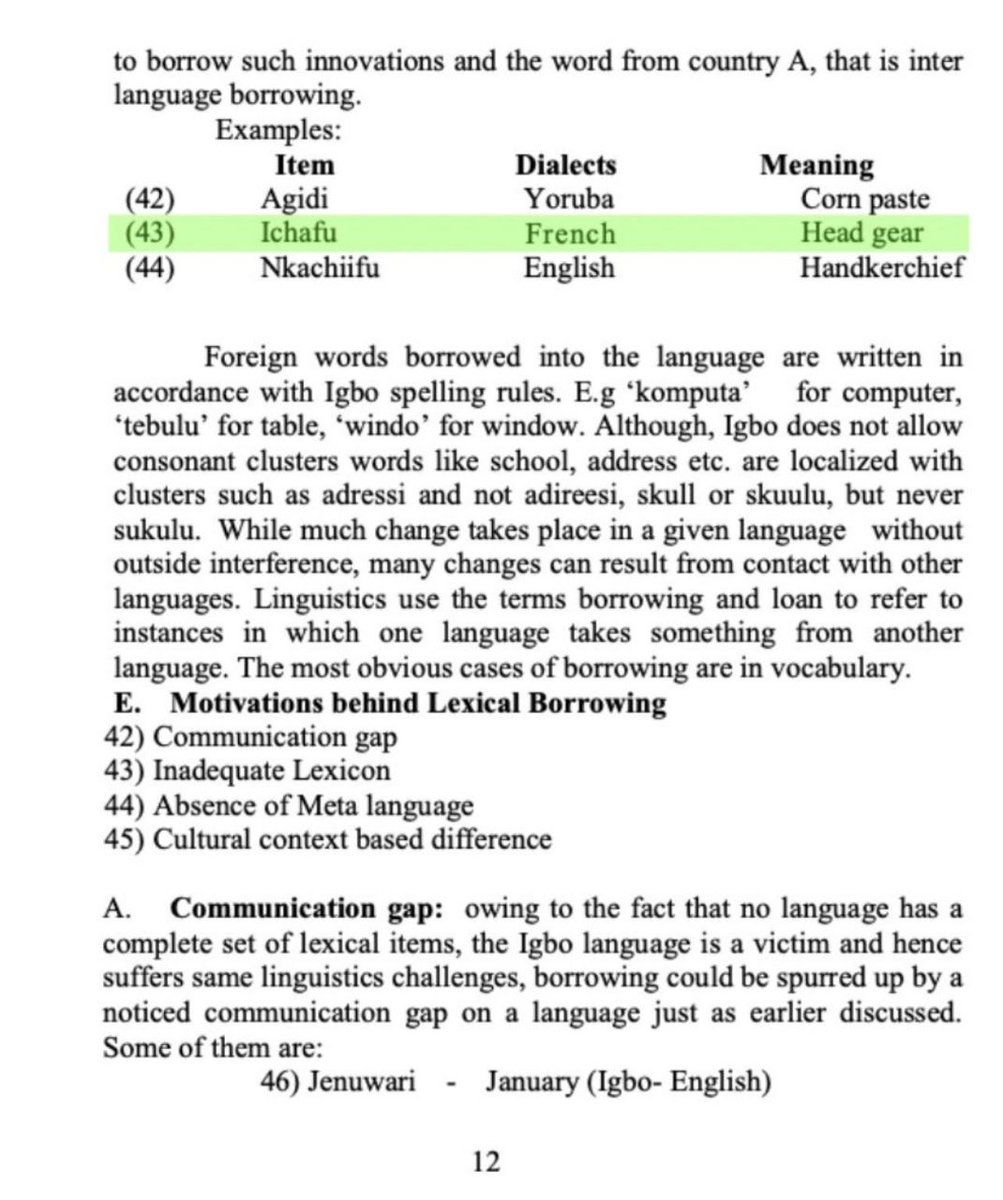
@CynthiaNomso02 Everything you stated here are all Yoruba words. E be like say you dey mad😂😂
English

That’s why I never call Garri “Eba”.
For me It’s always “Akamu”, not “Ogi”. Always “agidi” not “Eko”.
I call the things as I know them. In their Igbo forms. Before tomorrow now they will say they are the founders of Akamu.
Hot_Kek Esq🤭🦋 ⚖️@CynthiaNomso02
Udara most especially. I’m always disgusted when I hear Igbo people call it “Agbalumo”
English
@Nobsdaslushhkid Oloriburuku omo ibo
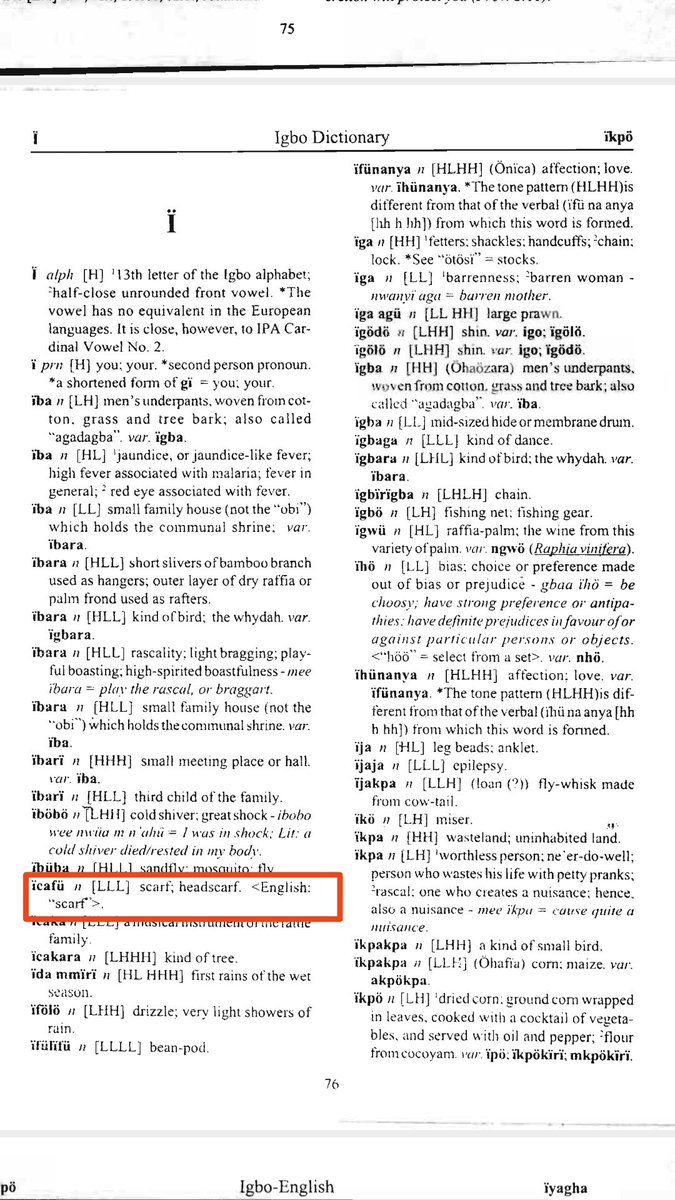
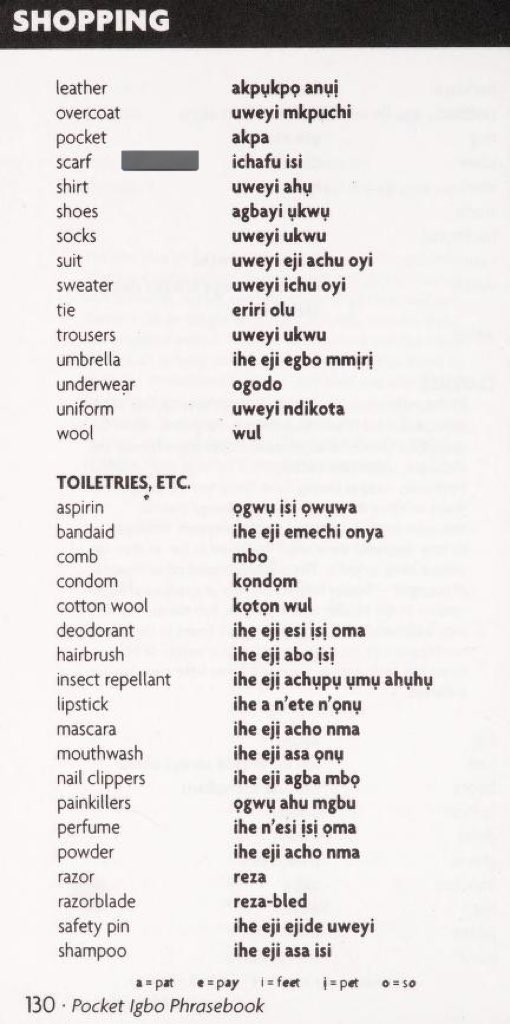
Ichafu is even IBO mispronounciation of "Scarf" and that says a lot about "Ichafu" Scarf is Scarf and that is not Gele.😂😂


English

I never heard about Gele until I moved to Lagos.
The issue with people that have not travelled enough is that they will always refer to everything made out of wheat dough as spaghetti
Àgbà Akin@Kynsofficial
I have never heard ichafu before, what in the name of funny is that?
English
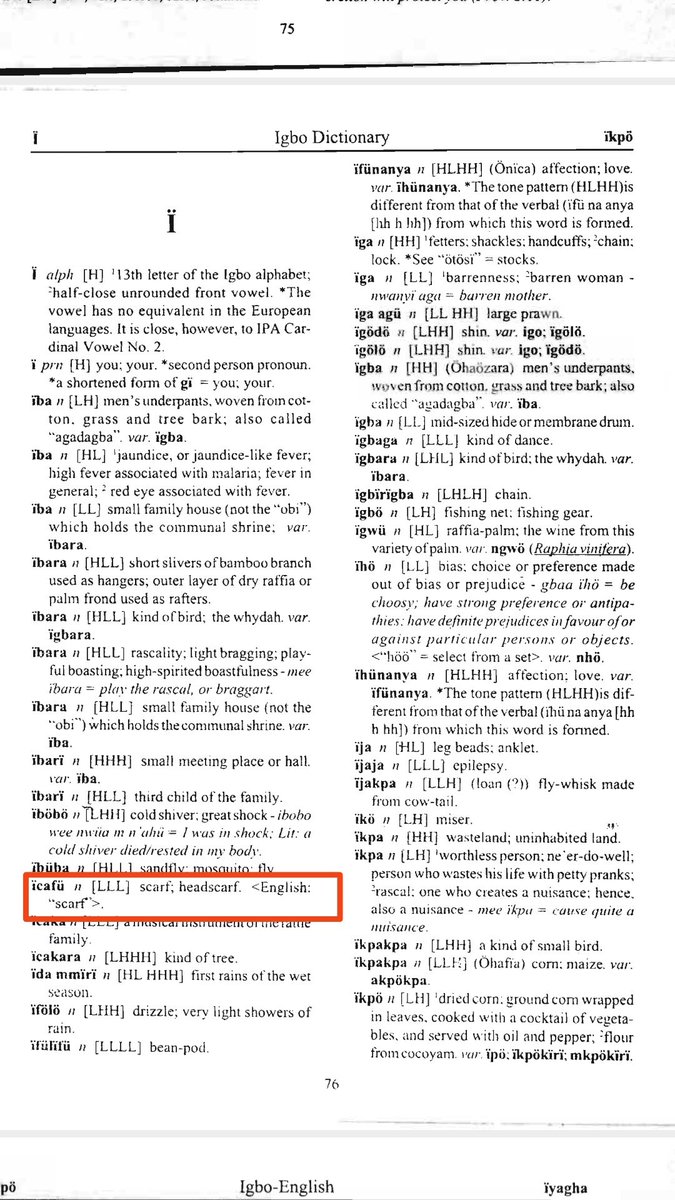
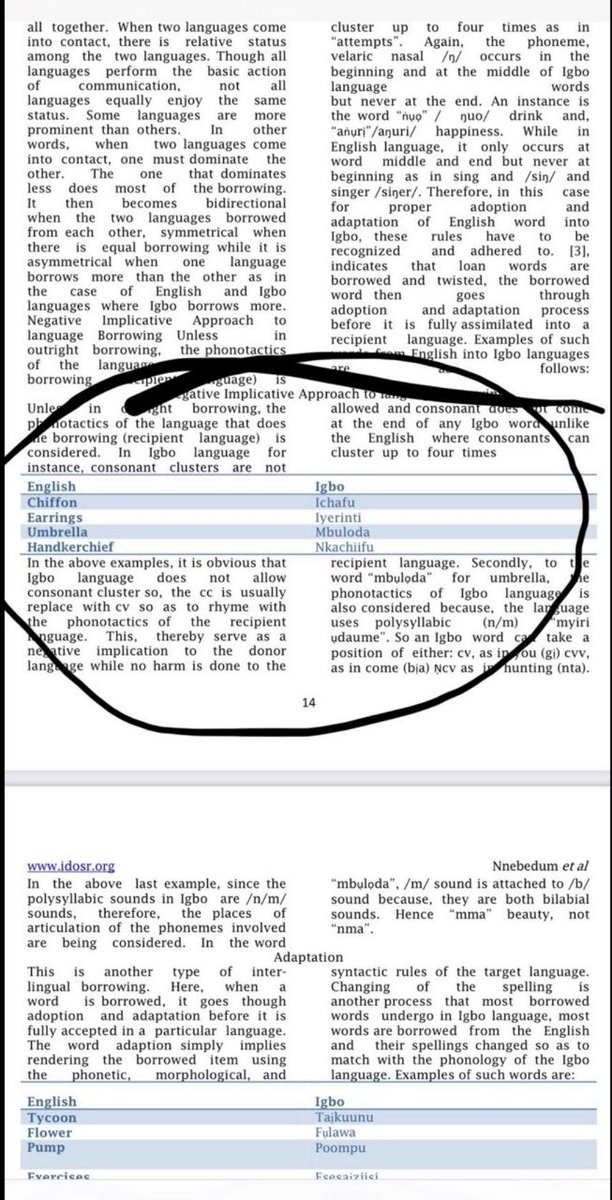
@Chizzystar0 @TheOnlyFarry Meanwhile, Ichafu (Scarf) , it is just the IBO mispronounciation of "Scarf" 😂😂

English

@TheOnlyFarry Gele is not even a Yoruba language 😂 🤡🤡🤡🤡
All these arguments are unnecessary fr.


English
It is VERY necessary. The Hausas will never argue about the hijab with the Arabs.
GELE is a traditional Yoruba headgear and it belongs to the Yoruba people.
Protecting our identity, cultural attires, foods, history and heritage is a NECESSITY.
Not the little B💕@BlehisBack
This Ichafu vs Gele argument is so unnecessary.
English