Deep Bisht

1.3K posts

Deep Bisht banner
Deep Bisht

Deep Bisht

@deepbisht

New Delhi, India Katılım Nisan 2009
65 Takip Edilen42 Takipçiler
Deep Bisht retweetledi
Deepika Narayan Bhardwaj
Deepika Narayan Bhardwaj@DeepikaBhardwaj·
Meet Mr. Gulshan Pahuja He has been sent to 6 months in Jail by the Delhi HC holding him guilty of contempt of court for saying "Judiciary ki manmarzi badhti jaa rahi hai jiska doosra arth hai tanaashahi, I do not think I will get Justice" Follow him @GulshanPahujaJR
Deepika Narayan Bhardwaj tweet media
Gulshan Pahuja@GulshanPahujaJR

Hi , I am Gulshan Pahuja Fighting for Judicial Reforms for last 14 years Delhi High Court has convicted me for contempt of Court and sentenced me to 6 months in Prison My only mistake is to seek accountability, transparency, swift justice from Indian Judiciary

English

53
1.2K
3.1K
62.9K
taoki
taoki@justalexoki·
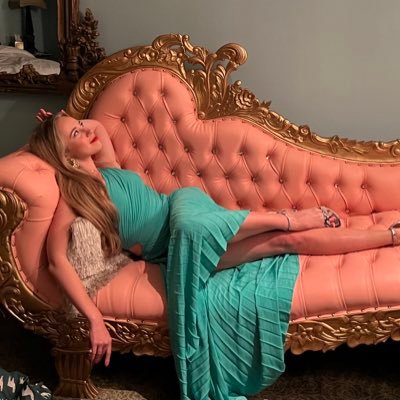
this goes around a lot but what is it actually that makes women like this body type so much? why this specifically?
taoki tweet media
English
438
22
869
7.5M
Deep Bisht retweetledi
Deepika Narayan Bhardwaj
Deepika Narayan Bhardwaj@DeepikaBhardwaj·
This is my conversation with Mr. Gulshan Pahuja on the day he was convicted of contempt of court for which he has been sentenced to 6 months in Jail. This man has only brought out the pain of people, demanded judicial reforms, transparency in the way our courts function
Deepika Narayan Bhardwaj tweet media
English
34
362
1.1K
23.6K
Deep Bisht retweetledi
खुरपेंच
खुरपेंच@khurpenchh·
अपने लड़के के कुकर्मों का पश्चाताप करने के लिए 200 साइकिलों वाली इको फ्रेंडली रैली निकालते मध्य प्रदेश से भाजपा विधायक प्रीतम लोधी।
हिन्दी
141
2.7K
7.1K
80.2K
Deep Bisht retweetledi
Ihtesham Ali
Ihtesham Ali@ihtesham2005·
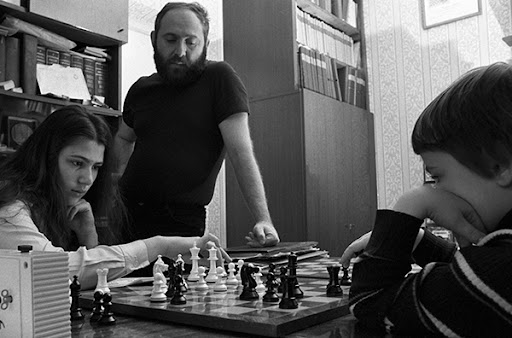
A Hungarian psychologist raised three daughters to prove that any child could become a chess grandmaster through early specialization. He succeeded. Two of them became grandmasters. One became the greatest female chess player who ever lived. Then a sports scientist looked at the data and found something nobody wanted to hear. His name is David Epstein. The book is called "Range." The Polgar experiment is one of the most famous case studies in the history of deliberate practice. Laszlo Polgar wrote a book before his daughters were even born arguing that geniuses are made, not born. He homeschooled all three girls in chess from age four. By their teens, Susan, Sofia, and Judit were dominating tournaments against grown men. Judit became the youngest grandmaster in history at the time, breaking Bobby Fischer's record. The story became the gospel of early specialization. Pick a domain young, drill it hard, and you can manufacture excellence. Epstein opens his book by telling that story honestly and then quietly demolishing the conclusion most people drew from it. Chess works that way. Most things do not. Here is the distinction that took him four years of research to articulate, and that almost nobody who quotes the 10,000 hour rule has ever read. There are two kinds of environments in which humans develop expertise. Psychologists call them kind and wicked. A kind environment has clear rules, immediate feedback, and patterns that repeat reliably. Chess is the cleanest example. Every game ends with a winner and a loser. Every move is recorded. The board never changes shape. The pieces never invent new ways to move. A child who plays ten thousand games will see most of the patterns that exist in the game, and pattern recognition is exactly what chess mastery is built on. A wicked environment is the opposite. Feedback is delayed or misleading. Rules shift. The patterns that worked yesterday may be exactly the wrong patterns to apply tomorrow. Most of the real world looks like this. Medicine is wicked. Investing is wicked. Building a company is wicked. Scientific research is wicked. Almost every job that involves a complex changing system with humans in it is wicked. The Polgar sisters trained in the kindest environment any human can train in. Their success was real and the method was correct. The mistake was generalizing the method to fields where the underlying structure of the environment is completely different. Epstein's research is what made the implication impossible to ignore. He looked at the careers of elite athletes outside of chess and golf and found that the pattern was almost the inverse of what people assumed. The athletes who reached the very top of their sports were overwhelmingly people who had played multiple sports as children, specialized late, and often switched disciplines well into their teens. Roger Federer played squash, badminton, basketball, handball, tennis, table tennis, and soccer before tennis became his focus. The kids who specialized in tennis at age six and trained year-round for a decade mostly burned out, got injured, or topped out at lower levels of the sport. The same pattern showed up everywhere he looked outside of kind environments. Inventors with the most patents had worked in multiple unrelated fields before their breakthrough work. Comic book creators with the longest careers had drawn for the most different genres before settling. Scientists who won Nobel Prizes were dramatically more likely than their peers to be serious amateur musicians, painters, sculptors, or writers. The skill that mattered in wicked environments was not depth in one pattern. It was the ability to recognize when a pattern from one domain applied unexpectedly in another. That kind of thinking cannot be built by drilling a single subject. It can only be built by accumulating mental models from many subjects and learning to move between them. The deeper finding is the one that should change how you think about your own career. Specialists in wicked environments often get worse with experience, not better. Epstein cites studies of doctors, financial analysts, intelligence officers, and forecasters showing that years of experience in a narrow domain frequently produce more confident judgments without producing more accurate ones. The expert builds elaborate mental models that feel comprehensive and turn out to be increasingly disconnected from the actual structure of the problem. They stop noticing what does not fit their framework. They mistake fluency for understanding. Generalists do better in wicked domains for a reason that sounds almost mystical until you understand the mechanism. They have less invested in any single mental model, so they abandon broken models faster. They are used to being a beginner, so they are not threatened by the discomfort of not knowing. They have seen enough different domains that they can usually find an analogy from one field that unlocks a problem in another. The technical name for this is analogical thinking, and the research on it is one of the most underrated bodies of work in cognitive science. The single most useful sentence in the entire book is the one Epstein puts almost as a throwaway. Match quality matters more than head start. A person who tries six different fields in their twenties and finds the one that genuinely fits them will outperform a person who picked one field at fourteen and stuck to it on willpower alone. The lost years were not lost. They were the search process that produced the match. Every field they walked away from taught them something they later imported into the field they finally chose. The reason this is so hard to accept is cultural, not empirical. We tell children to pick a path early. We reward the prodigy who knew at six. We treat the late bloomer as someone who failed to launch on time, when the data suggests they were running an entirely different and often more effective optimization process underneath. The Polgar sisters were not wrong. The conclusion the world drew from them was. If your environment is genuinely kind, specialize early and drill hard. If it is wicked, and almost every interesting human problem is, then the people who win are the ones who refused to specialize until they had seen enough to know what was actually worth specializing in. You are not behind. You were running the right experiment all along.
Ihtesham Ali tweet media
English
383
2.9K
11.2K
1.1M
Deep Bisht retweetledi
खुरपेंच
खुरपेंच@khurpenchh·
फर्जी विकलांग सर्टिफिकेट बनवा के लोग IAS बन सकते हैं, लेकिन असली दिव्यांग सड़क किनारे दुकान नहीं लगा सकते टी9डी दी जाएगी, दुकान की कहीं और व्यवस्था की जाए।
हिन्दी
306
4.9K
10.8K
158.2K
Deep Bisht retweetledi
Justin Skycak
Justin Skycak@justinskycak·
The cost of avoiding structure is that every day has to be renegotiated from scratch.
English
133
6K
26.7K
1M
Deep Bisht retweetledi
The Fauxy
The Fauxy@the_fauxy·
🚨 𝐌𝐚𝐧 𝐇𝐨𝐬𝐩𝐢𝐭𝐚𝐥𝐢𝐬𝐞𝐝 𝐰𝐢𝐭𝐡 𝐒𝐞𝐯𝐞𝐫𝐞 𝐂𝐨𝐥𝐝 𝐀𝐟𝐭𝐞𝐫 𝐏𝐮𝐭𝐭𝐢𝐧𝐠 𝐓𝐰𝐨 𝐎𝐧𝐢𝐨𝐧𝐬 𝐢𝐧 𝐇𝐢𝐬 𝐏𝐨𝐜𝐤𝐞𝐭 𝐭𝐨 𝐁𝐞𝐚𝐭 𝐒𝐮𝐦𝐦𝐞𝐫 𝐇𝐞𝐚𝐭
The Fauxy tweet media
English
199
1.4K
8.6K
201.5K
Deep Bisht
Deep Bisht@deepbisht·
@sacredrain Wild sex, surprise BJs, AND promotion! What else did dude want from that poor woman?!
English
0
0
1
3.3K
Avici
Avici@sacredrain·
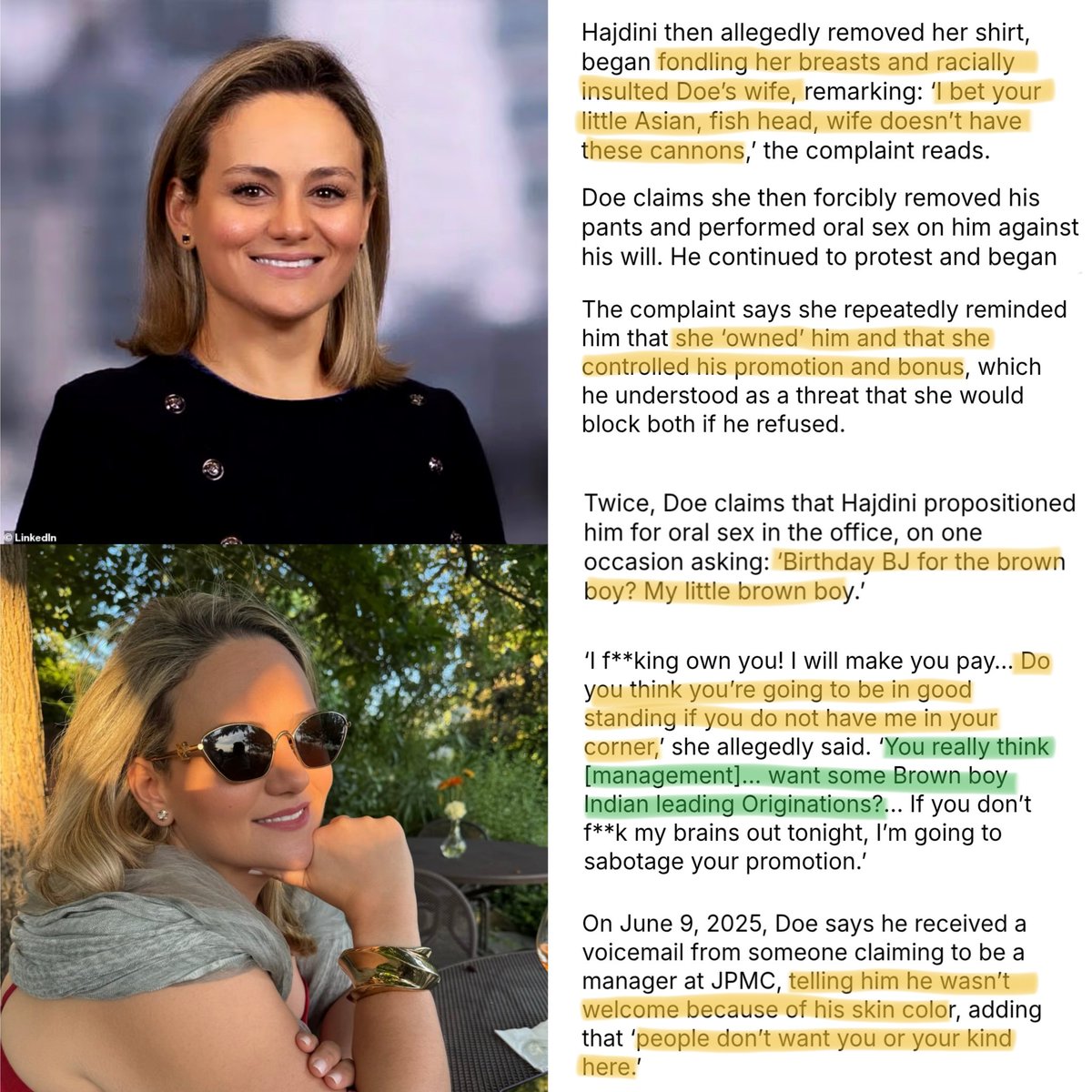
The case of Lorna Hajdini revealed how Indians are prevented from reaching top management positions in the US. "You really think management wants some Indian boy leading organizations?" “If you don’t have sex with me tonight, I’m going to sabotage your promotion.”
Avici tweet media
Daily Mail US@Daily_MailUS

A JPMorgan executive allegedly used her power to sexually harass and abuse a junior male employee - drugging him, subjecting him to racial abuse and threatening his career. 🔗 trib.al/RglAnTU

English
1.4K
2.3K
21.5K
9.8M
Deep Bisht retweetledi
THE SKIN DOCTOR
THE SKIN DOCTOR@theskindoctor13·
He starts with that intense, almost stern expression while eating. Then, on being asked, “naam kya hai unka,” his face sharpens, becoming attentive. There’s a brief flicker of confusion as he processes the question, and the moment he realizes he is being asked about Ila… that soft, almost shy smile appears. So many emotions in seconds, all effortless, all real. Irrfan Khan was, arguably, the finest actor of our times. It’s been six years since we lost him.
English
127
730
6.3K
209.7K
Deep Bisht retweetledi
Pedro Torrijos
Pedro Torrijos@Pedro_Torrijos·
Este hombre se llama Mohamed Bzeek, vive en California y esa niña que tiene en brazos murió pocos días después de que le hicieran la foto, también en sus brazos. No era su hija. Era uno de los diez niños que han muerto bajo su cuidado. Porque Bzeek es padre de acogida y solo acoge a niños en estado terminal, para que no mueran solos. Nació en Trípoli en 1954, antes de irse de Libia corría maratones. En 1978 entró en Estados Unidos con un visado de estudiante y allí se quedó. Vive en Azusa, una de esas localidades del extrarradio de Los Ángeles por donde circulan camiones y donde las casas tienen una pinta genérica, agrupadas sin llamar la atención. En 1989 conoció a Dawn Rowe, que ya era madre de acogida desde principios de los ochenta, se casaron y empezaron a acoger juntos. En 1995 tomaron la decisión de dedicarse exclusivamente a niños con enfermedades terminales, los que nadie quería. Me pregunto cómo fue ese momento exacto en que dos personas se sientan en una cocina y deciden que van a abrir su casa a los niños que se mueren, y en cómo esa decisión se toma, sin actas, sin nada que la registre, y sin embargo organiza el resto de una vida. La primera niña que murió en su casa tenía un año, espina bífida, parte de la columna le crecía fuera de la piel. Murió el 4 de julio de 1991, mientras Mohamed se duchaba y Dawn preparaba la cena, él recuerda haber salido del baño y haber encontrado médicos en su salón. Lloró tres días. Desde entonces ha acogido a unos ochenta niños, diez han muerto en sus brazos. El condado de Los Ángeles, cuatro millones de habitantes, lo llama cuando no hay nadie más. Lo llaman el padre de último recurso. Muchos llegan sin nombre, nacen en hospitales y los abandonan, las familias no los nombran y en el papel pone "Baby boy", "Baby girl". Mohamed los nombra, les pone un nombre antes de que mueran. Un nombre es gratis, cuatro sílabas, pero ese gesto, cuando se pone el nombre, decide si un niño que vivirá tres semanas existirá como persona o como registro administrativo. Su hijo biológico, Adam, nació con osteogénesis imperfecta y enanismo, se ha roto casi todos los huesos del cuerpo. Dawn murió en 2015 de una enfermedad pulmonar y desde entonces Mohamed sigue solo, solo puede ocuparse de un niño a la vez. Cuando un periodista del Los Angeles Times entró en su casa en 2017 cuidaba de una niña de seis años con microcefalia, ciega, sorda, pies zambos, caderas dislocadas, no movía brazos ni piernas, tenía convulsiones. La había recibido con siete semanas de vida y le habían dicho que viviría unos meses. La sostenía durante las convulsiones y le hablaba aunque no oyera. Sé que no puede oír, sé que no puede ver, pero le hablo, tiene sentimientos, es un ser humano. En 2016, a Bzeek le diagnosticaron cáncer de colon, le pidió tiempo al médico, no puedo operarme todavía, tengo a un niño en casa que es terminal y tengo a mi hijo, que es discapacitado, no hay nadie más para ellos. En el hospital, ingresado, solo, dijo que por primera vez entendió lo que sentían los niños que cuidaba. Si yo a esta edad estoy asustado, cómo estarán ellos. Se operó y siguió. Bzeek es musulmán practicante. Su historia se hizo internacional en febrero de 2017, justo cuando Trump firmó la orden ejecutiva que vetaba la entrada en Estados Unidos a ciudadanos de siete países de mayoría musulmana, Libia era uno de ellos. Ese mismo mes, en Azusa, el único padre de acogida de toda la ciudad de Los Ángeles dispuesto a llevarse a casa a los niños terminales era un libio musulmán. Aunque mi corazón se rompa, dijo una vez, la muerte es parte de la vida, estoy con ellos hasta el final, los conforto, los quiero, quiero que sientan que tienen una familia, que tienen a alguien. Que no están solos.
Pedro Torrijos tweet media
Español
780
7.7K
33.2K
2.2M
Deep Bisht retweetledi
Bob Golen
Bob Golen@BobGolen·
The speed at which a virus spreads depends on: 1. How dense the population is 2. How dense the population is
English
218
7.8K
68.4K
595K
Deep Bisht retweetledi
खुचरेंप
खुचरेंप@khuchrep·
>स्टीमर डूबने के बाद पता चलता है कि सवारी ने लाइफ़ जैकेट नहीं पहने थे, >बस जलने के बाद पता चलता है कि उसमें इमर्जेंसी एग्जिट डोर तो था ही नहीं, >ट्रॉली पलटने के बाद पता चलता है कि ट्रॉली में सवारी बैठाना मना है, >ट्रक पलटने के बाद पता चलता है कि वो ओवरलोडेड था। >1000 करोड़ की संपत्ति बना लेके बाद पता चलता है कि ऑफिसर भ्रष्ट था > मरीजों के मरने के बाद पता चलता है कि हॉस्पिटल के पास लाइसेंस नहीं था >लोगों के मरने के बाद पता चलता है कि खाना एक्सपायर्ड था >दस्त लगने के बाद पता चलता है कि दूध में यूरिया मिला था। "दरअसल इन सबके बारे में सिस्टम को पता होता है, बस भ्रष्टाचार की वजह से चलता रहता है। जब पकड़े जाते हैं तब सबकुछ सामने आता है।
हिन्दी
157
3.9K
9.6K
119.6K
Deep Bisht retweetledi
Rajdeep Sardesai
Rajdeep Sardesai@sardesairajdeep·
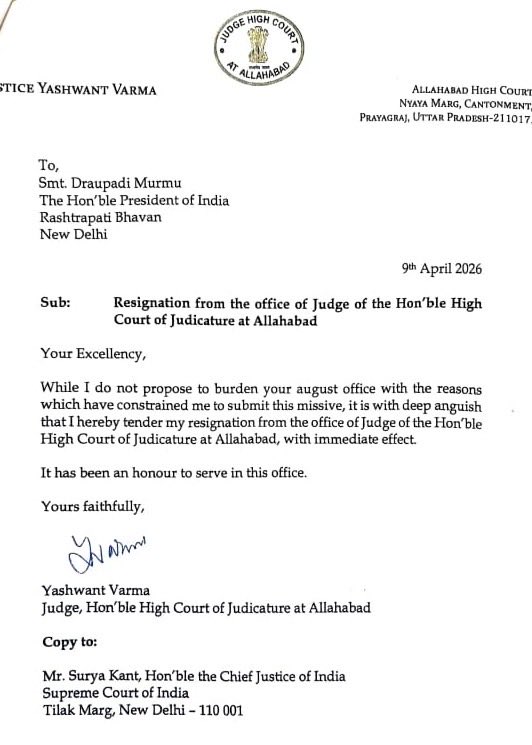
Important: While Justice Yashwant Varma has finally resigned, the Qs remains: Will we ever know whose cash it was that was found at the judge’s house in March last year? Why was no FIR filed at the time, with no police investigation? And what happens now to the report on impeachment that was to be submitted in Parliament’s monsoon session? Why resign now after pleading innocence for over a year? Who will hold judges accountable? Many Qs, few answers.
Rajdeep Sardesai tweet media
English
257
1.4K
3.7K
87.8K
Deep Bisht retweetledi
Dr. Priyam Bordoloi
Dr. Priyam Bordoloi@DocPriyamMD·
Three months ago, a patient died in our ER. What he did in the hours before reaching us still makes me shudder. A 35-year-old shouldn’t die from a snake bite in 2026. He died because he followed myths instead of science. Don’t let your "first aid" be the thing that kills you 🧵
English
23
144
996
416.8K
Deep Bisht retweetledi
Circe
Circe@vocalcry·
Schrödinger’s ceasefire
Română
64
3.6K
21K
395.1K
Deep Bisht retweetledi
खुरपेंच
खुरपेंच@khurpenchh·
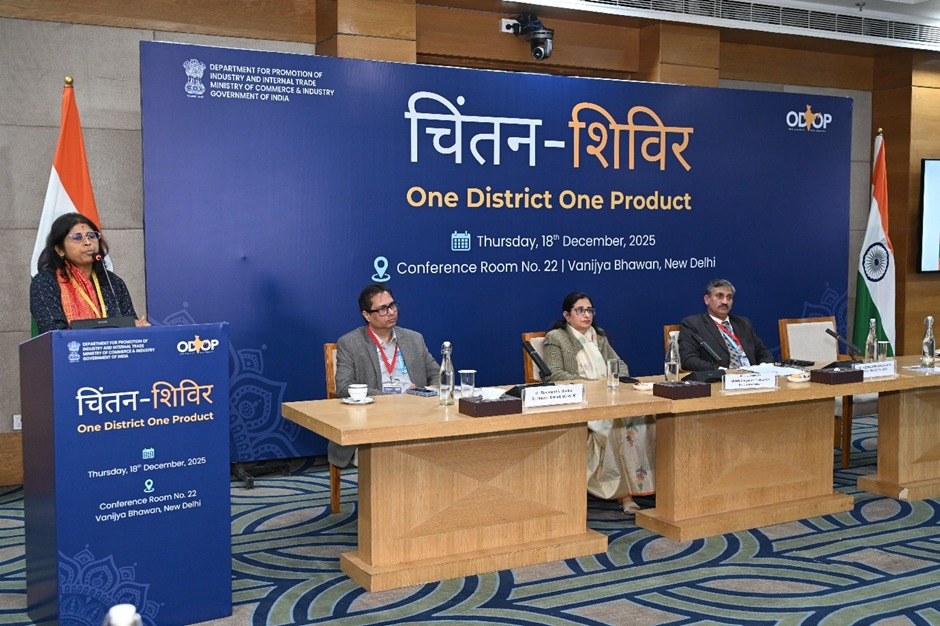
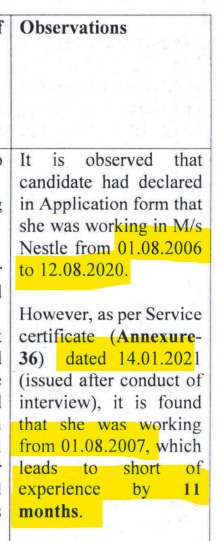
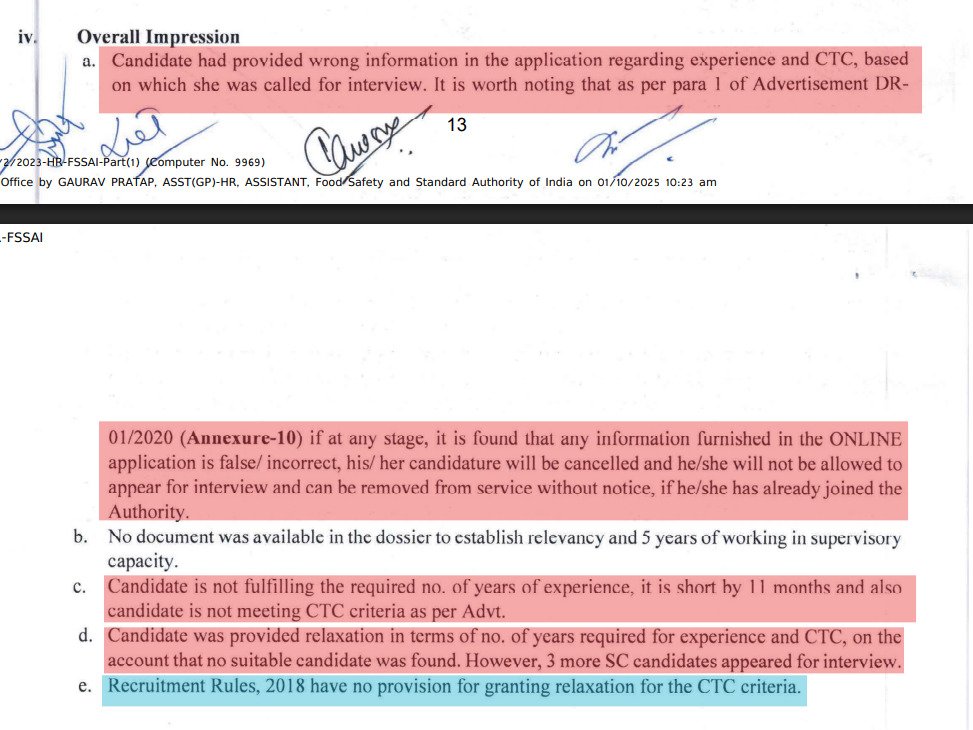
आपका नाम स्वीटी बोहरा है,आप FSSAI के डायरेक्टर पद पर तैनात हैं, लेकिन कुछ हरामखोर लोग आपकी नियुक्ति पर तरह तरह के सवाल उठा रहे हैं, अभी हाल में हुई जांच प्रक्रिया में आपका एक्सपीरियंस लेटर और CTC क्राइटेरिया से कम पाए गए हैं फिर आपका सलेक्शन कैसे हो गया ? प्रश्न 1 : मैडम ने अपने एक्सपीरियंस लेटर में दिखाया कि आपने नेस्ले इंडिया में साल 2006 से 2020 तक कार्य किया , जबकि ये दावा और मैडम एक्सपीरियंस लेटर फर्जी है, आप वहां 2007 से कार्यरत थीं , प्रश्न 2 : नियमों के अनुसार पांच वर्षों का सुपरवाइजरी अनुभव चाहिए थे उसके भी दस्तावेज भी मैडम के पास नहीं थे फिर मैडम को नौकरी कैसे मिली ? उसी इंटरव्यू में दस्तावेज की कमी के कारण कई SC कैंडिडेट्स को रिजेक्ट कर दिया गया था? प्रश्न 3: FSSAI ने इनको आउट ऑफ द बॉक्स जाकर रिलेक्सेशन दिया कि और सूटेबल कैंडिडेट्स नहीं थे जबकि बहुत सारे कैंडिडेट्स इनसे ज्यादा अनुभवी और एफिशिएंट थे? जब धांधली करके घुसे लोगों को @fssaiindia में जगह मिल रही है तो वो देश कल्याण कैसे करेंगें? @MoHFW_INDIA
खुरपेंच tweet mediaखुरपेंच tweet mediaखुरपेंच tweet mediaखुरपेंच tweet media
हिन्दी
159
2.6K
6K
225.1K
Deep Bisht retweetledi
ηᎥ†Ꭵղ
ηᎥ†Ꭵղ@nkk_123·
Brij Bhushan Sharan Singh continues to occupy a MP alloted bungalow in Lutyens despite not being an MP since May 2024. BJP is so afraid of this molester that they could not make him vacate this bungalow. Kudos to this reporting by Harsh Yadav.🫡
English
68
2.1K
5.6K
97.6K
Deep Bisht
Deep Bisht@deepbisht·
@StrengthDebates Better yet, why not start after it. Just look at a heavy weight, or any immovable object for that matter, that you know you can't move - failed without even touching it. No effort, just pure gains.
English
0
0
0
98
Official Strength Debates
Official Strength Debates@StrengthDebates·
Serious question If the the goal is to train near failure… Why are you starting so far away from it??
English
39
7
95
15K