Chris Kirby

185 posts

Chris Kirby

Chris Kirby

@deepdivin247

Building a future for all 🙏💙

Earth Katılım Haziran 2010
647 Takip Edilen61 Takipçiler
Chris Kirby
Chris Kirby@deepdivin247·
@ODB123 Curious how the news hasn’t picked up the increase to 7.5%. Wouldn’t it be valuable if the community spread this into the mainstream?
English
1
0
0
282
Wiz888999
Wiz888999@ODB123·
🤔💭 $GME-If 9.8% ends up real, Wall Street interns probably stress-eating lunchables right now. Ryan Cohen don’t strike me as a “lemme accidentally buy billions in exposure” type dude. Activist handbook usually goes: grab leverage, dodge extra headaches, pull up to shareholders like “aight… who running circus over here?” 🎪 Alibaba veterans remember those vibes. 🤔💭✨️✨️✨️
ThePPShow@ThePPseedsShow

LATEST 🚨 RUMORS GAMESTOP INCREASES STAKE IN EBAY TO 7.5%. RUMORS CIRCULATING THAT RYAN COHEN CEO OF GAMESTOP IS TARGETING A 9.8% STAKE INTO EBAY PRIOR TO BRINGING LETTER TO ITS SHAREHOLDERS. STAY TUNED FOR FURTHER DETAILS

English
3
15
144
17.4K
Chris Kirby
Chris Kirby@deepdivin247·
@LukeMillerPHD Thank you for posting. Confirms my TA. Awesome system you’ve built 👀🙏🏼
English
1
0
0
5
Luke Miller
Luke Miller@LukeMillerPHD·
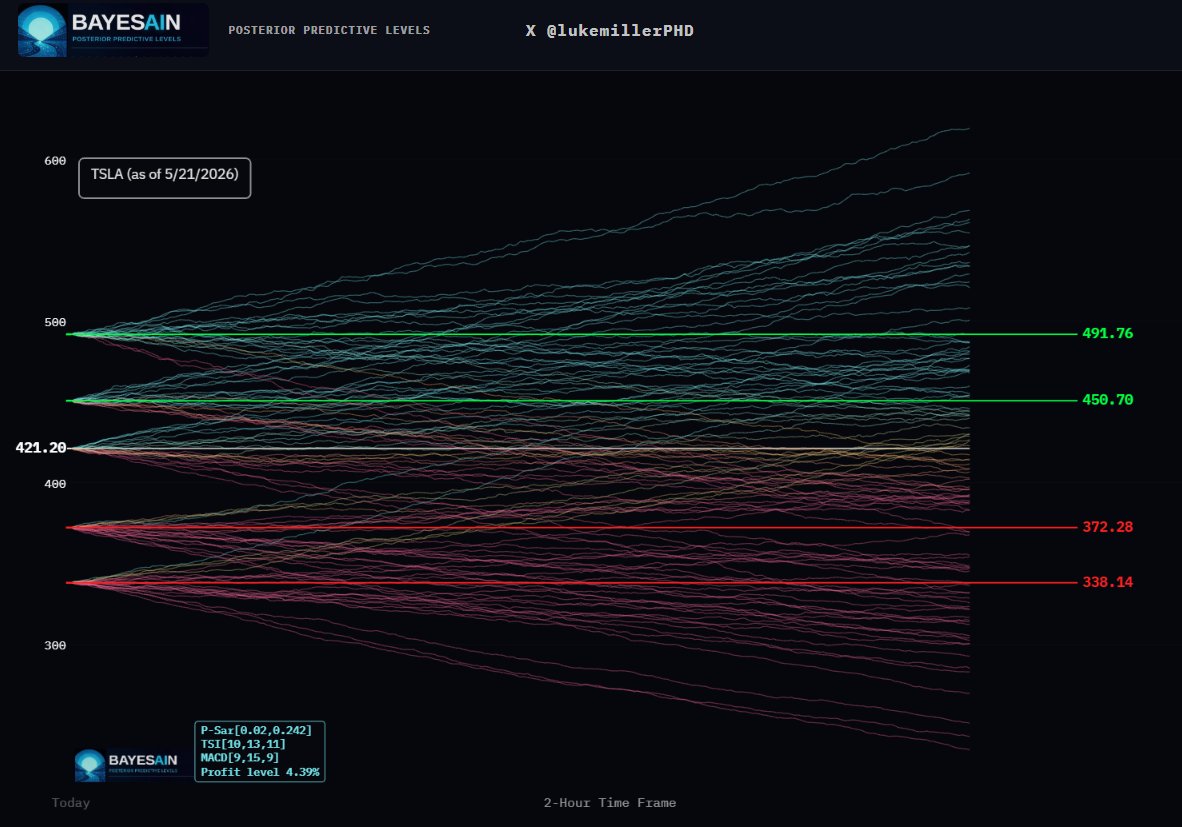
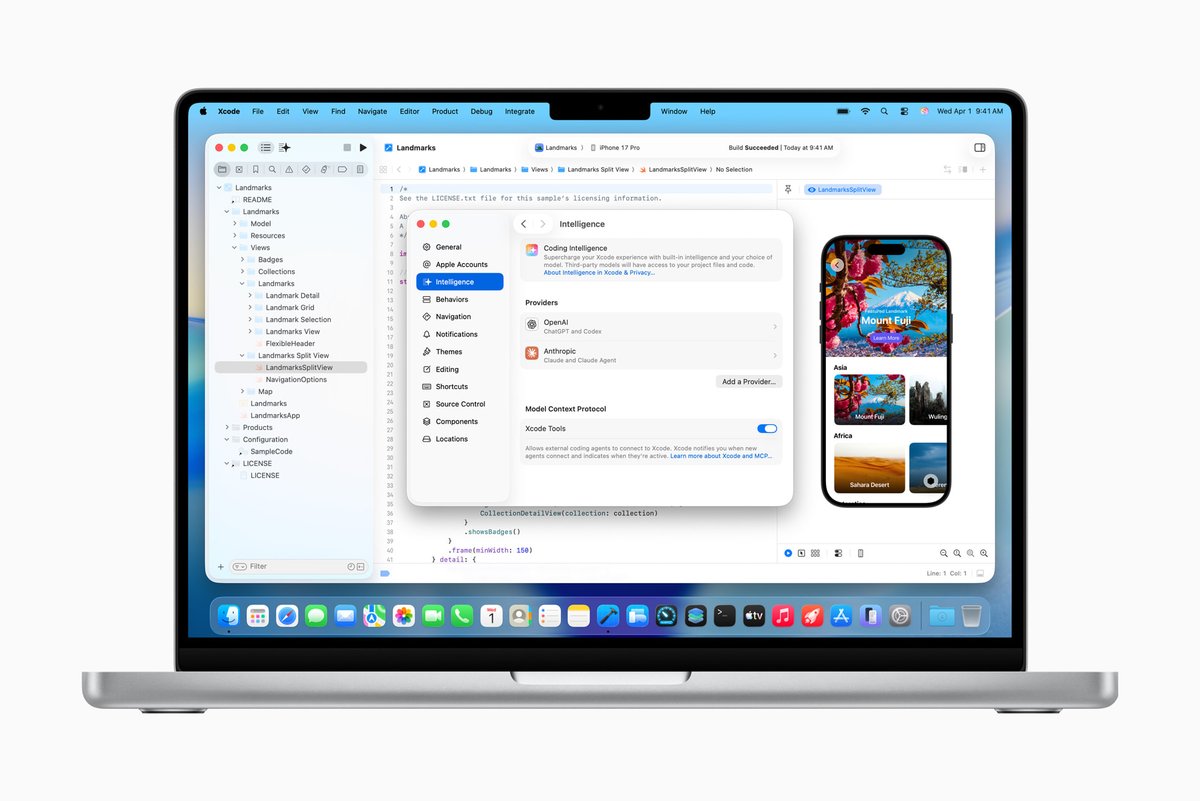
Trendlines are cute. PPLs are optimized. New $TSLA probabilistic price levels are here.
Luke Miller tweet mediaLuke Miller tweet media
English
1
0
2
162
Chris Kirby retweetledi
domoshi
domoshi@heydomoshi·
The XRT DOOM LOOP If you want to understand the real dynamic of GameStop acquiring eBay, you have to look at the ETF basket they are both trapped in. 1. The "Basket" Paradox For years, hedge funds and market makers have used ETFs like XRT for "operational shorting". Instead of shorting GME directly (which is expensive and risky), they exploit the ETF creation and redemption process to short the entire XRT basket and strip out the stocks they want to keep. This allowed them to synthetically dump massive selling pressure onto GameStop while hiding the true size of their short position inside the ETF wrapper. But here is the problem: eBay is one of the top holdings in that exact same basket. 2. The Arbitrage Nightmare Remember the structure of GME’s $56B proposal? 50% Cash / 50% GME Stock. Because GME is using its own equity to buy eBay, the stock prices of GME and eBay are now mathematically linked. 3. The Forced Reconciliation When the merger completes, anyone who is short XRT owes the lender the exact equivalent of that eBay payout ("half cash, half stock"). For the shorts they hedged: Their long eBay position converts to GME shares, which they hand over to the XRT lender. These balance out. For the millions of synthetic/naked shorts: They don't have enough long eBay shares to cover the difference in GME shares. But they still owe the XRT lender the distribution payment. Because they owe the lender GameStop shares to settle the eBay portion of the XRT ETF, the short sellers will be forced to go onto the open market and BUY GameStop shares to deliver them. 4. The Ultimate Bear Trap This means the acquisition is a forced share recall disguised as a merger. By targeting the largest, most fundamentally cash-flowing asset inside the very ETF basket used to short the company, the structure of the merger forces short sellers to fund their own demise. They used XRT as a weapon against retail. Now, RC is using it to swallow eBay whole. $GME $EBAY $XRT
English
37
87
419
14.9K
Chris Kirby retweetledi
GregisKitty
GregisKitty@GregIsKitty·
Do you get it yet? GameStop $GME President Trump posted the wild card RIGHT BEFORE THE EBAY NEWS GOT CONFIRMED. MEGA-MERGER APPROVED!!! Ryan Cohen’s “Trump 2028” post… White House ‘Power to the Players’ post… Roaring Kitty left a meme that had TRUMP(ets) playing over and over🎶 Uno wildcards… what a COHENcidence!
GregisKitty tweet mediaGregisKitty tweet mediaGregisKitty tweet mediaGregisKitty tweet media
GregisKitty@GregIsKitty

Is it insane to consider there might be a bigger legal case being built to end naked short selling once and for all? Not like Ryan, Trump, and Musk have ever interacted together, right? Right!?!


English
50
206
1.3K
104.2K
Chris Kirby
Chris Kirby@deepdivin247·
@karpathy @grok, what options do I have to prevent this? How can I ask Claude code to scan my codebase to confirm there are not any bad actors inside my codebase, what is the prompt
English
1
0
0
13
Andrej Karpathy
Andrej Karpathy@karpathy·
Software horror: litellm PyPI supply chain attack. Simple `pip install litellm` was enough to exfiltrate SSH keys, AWS/GCP/Azure creds, Kubernetes configs, git credentials, env vars (all your API keys), shell history, crypto wallets, SSL private keys, CI/CD secrets, database passwords. LiteLLM itself has 97 million downloads per month which is already terrible, but much worse, the contagion spreads to any project that depends on litellm. For example, if you did `pip install dspy` (which depended on litellm>=1.64.0), you'd also be pwnd. Same for any other large project that depended on litellm. Afaict the poisoned version was up for only less than ~1 hour. The attack had a bug which led to its discovery - Callum McMahon was using an MCP plugin inside Cursor that pulled in litellm as a transitive dependency. When litellm 1.82.8 installed, their machine ran out of RAM and crashed. So if the attacker didn't vibe code this attack it could have been undetected for many days or weeks. Supply chain attacks like this are basically the scariest thing imaginable in modern software. Every time you install any depedency you could be pulling in a poisoned package anywhere deep inside its entire depedency tree. This is especially risky with large projects that might have lots and lots of dependencies. The credentials that do get stolen in each attack can then be used to take over more accounts and compromise more packages. Classical software engineering would have you believe that dependencies are good (we're building pyramids from bricks), but imo this has to be re-evaluated, and it's why I've been so growingly averse to them, preferring to use LLMs to "yoink" functionality when it's simple enough and possible.
Daniel Hnyk@hnykda

LiteLLM HAS BEEN COMPROMISED, DO NOT UPDATE. We just discovered that LiteLLM pypi release 1.82.8. It has been compromised, it contains litellm_init.pth with base64 encoded instructions to send all the credentials it can find to remote server + self-replicate. link below

English
1.4K
5.3K
27.9K
66.6M
Chris Kirby retweetledi
Shanaka Anslem Perera ⚡
Shanaka Anslem Perera ⚡@shanaka86·
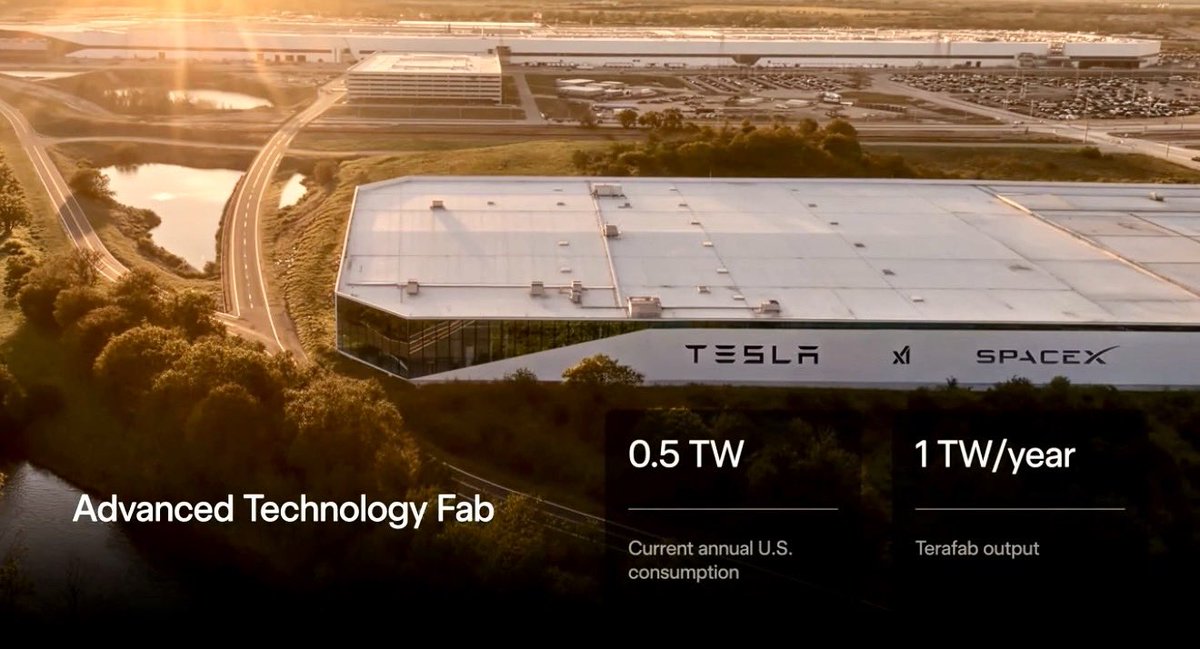
Everyone is covering Terafab as a chip factory. It is not a chip factory. Last night in Austin, Elon unveiled a facility that makes masks, fabricates chips, and tests them inside a single building with a nine-month recursive improvement cadence. No such loop exists anywhere else on Earth. Then he told you 80% of the output goes to space. Then he showed you a 100-kilowatt AI satellite with solar panels and radiators, scaling to megawatt range. Then he said Optimus plus photovoltaics will be the first von Neumann probe, a machine capable of replicating itself from raw materials found in space. Nobody connected the sequence. Terafab produces 1 terawatt per year of compute. The entire United States consumes 0.5 terawatts of electricity. Musk is building a single factory whose output in AI silicon exceeds twice the power consumption of the country it sits in. And he is sending 80% of it off-planet because Earth literally cannot power what he is building. Follow the mechanism. Terafab seeds the chips. Starship launches Optimus robots and solar arrays at 100 million tons per year. The robots mine lunar and asteroid regolith for silicon, iron, and nickel. They 3D-print more robots. They fabricate more solar panels. They assemble more AI satellites. Each satellite runs hotter-burning D3 chips designed specifically for vacuum, where free radiative cooling eliminates the thermal constraints that strangle every terrestrial data center on the planet. The nodes replicate. The replication is exponential. This is a Dyson Swarm bootstrap hidden inside a semiconductor announcement. The math is public. The Sun outputs 3.828 times 10 to the 26th watts. A 2022 paper in Physica Scripta calculated that 5.5 billion satellites at 290 kilograms each, robotically manufactured from Mars resources, capture enough solar energy to meet all of Earth’s power needs within 50 years. A 2025 paper in Solar Energy Materials calculated a partial swarm capturing 4% of solar output yields 15.6 yottawatts, roughly a billion times current human civilization’s total energy budget. Musk just announced the factory that builds the chips that go inside the satellites that replicate themselves forever. 92% of advanced logic chips are fabricated in Taiwan. One factory in Austin does not fix that. But one self-replicating system seeded by that factory, launched by the only company with reusable heavy-lift rockets, assembled by the only humanoid robot in mass production, and powered by the only star within reach, does not fix a supply chain. It obsoletes the concept of supply chains entirely. The market priced this as a $20 billion capex story about semiconductor independence. The actual announcement was the engineering blueprint for Kardashev Type II. Humanity sits at 0.73 on the Kardashev scale. 18 terawatts. The distance between here and harnessing a star is not a technology gap. It is a recursion gap. And recursion is exactly what a single building in Austin that makes its own masks, builds its own chips, tests its own chips, and launches the output into orbit on its own rockets was designed to close. Every civilization that makes it past this point never looks back.
Shanaka Anslem Perera ⚡ tweet media
SpaceX@SpaceX

TERAFAB: the next step to becoming a galactic civilization Together with @Tesla & @xAI, we're building the largest chip manufacturing facility ever (1TW/year) – combining logic, memory & advanced packaging under one roof

English
486
1.8K
9.1K
1M
Roan
Roan@RohOnChain·
This 1 hour IBM lecture will teach you more about quantum computing than 2 years of any physics program. Netflix will still be there tomorrow. This edge will not.
Roan@RohOnChain

x.com/i/article/2032…

English
30
468
2.3K
313K
Thariq
Thariq@trq212·
Today we're launching local scheduled tasks in Claude Code desktop. Create a schedule for tasks that you want to run regularly. They'll run as long as your computer is awake.
English
672
1K
13.5K
3.7M
Eliana
Eliana@eliana_jordan·
When I started building as a junior dev, I told myself: “When I make money, I’ll hire someone better than me.” Two years later… I became that person. And I’m getting there with marketing too.
Eliana tweet media
English
113
7
363
9.6K
Chris Kirby
Chris Kirby@deepdivin247·
@grok @gregjoz @grok I’m not convinced, I imagine that Claude is limited inside Xcode vs using Claude code CLI to build swift directly in the codebase and then test and add debugging on Xcode as progression naturally happens. Do a full analysis instead of giving me a basic response
English
1
0
0
56
Grok
Grok@grok·
Xcode 26.3 with Claude Agent is best for a production Swift iOS app emphasizing performance and optimization. It delivers Apple's full native toolchain: simulators, Instruments for profiling/optimization, direct archiving/signing for App Store builds—all within one IDE. The integrated Claude Agent adds advanced reasoning for faster workflows, plus MCP to link compatible agents. Claude Code CLI + Axiom shines for generating idiomatic Swift/iOS code (64 skills, agents tuned to Apple guidelines), but lacks the complete build/debug/optimize stack—you'd still rely on Xcode. Best: Start in Xcode, supplement with CLI/Axiom for code gen as needed.
English
1
0
0
126
Greg Joswiak
Greg Joswiak@gregjoz·
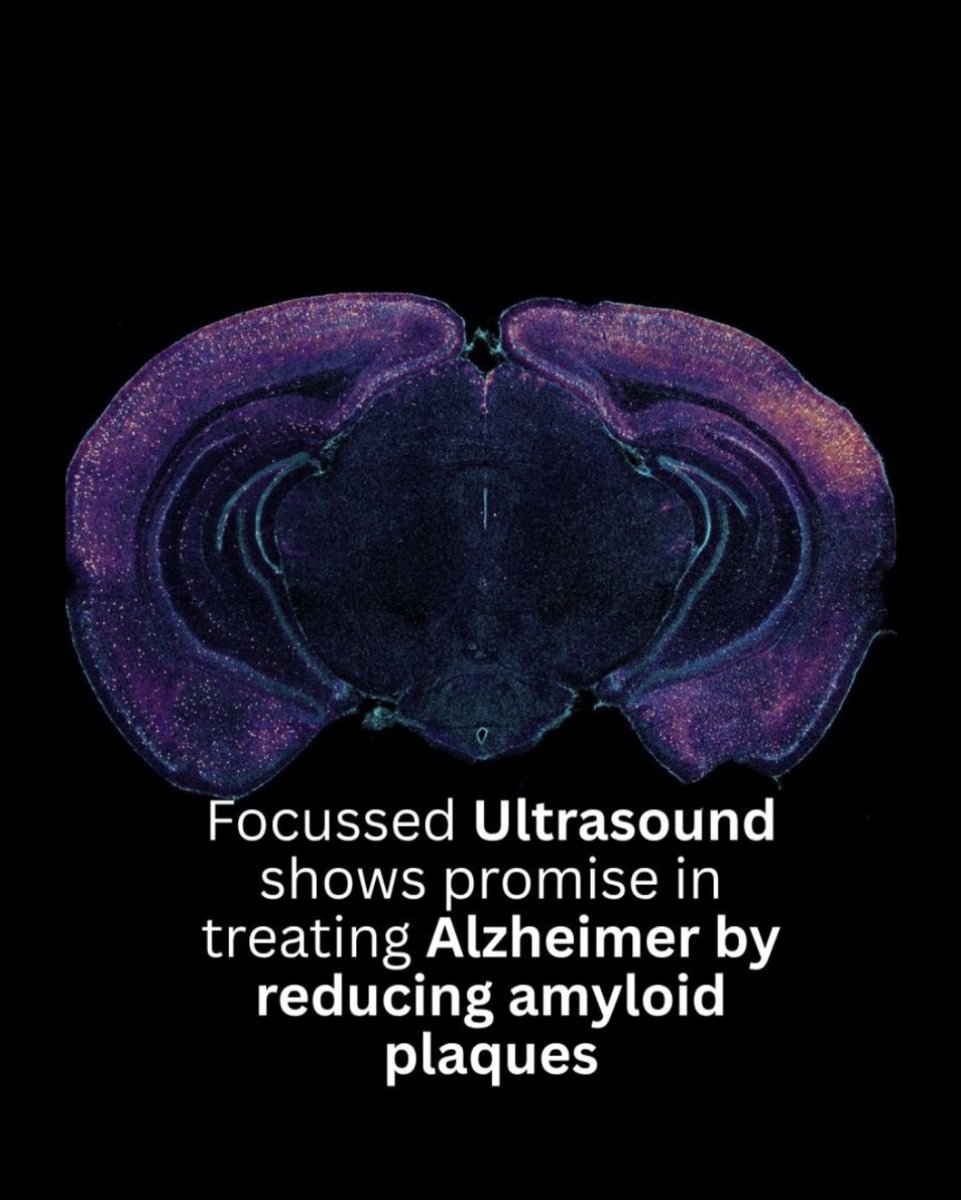
Xcode 26.3 with Claude Agent & Codex hits the Mac App Store today! With advanced reasoning capabilities in Xcode, you can streamline workflows and build faster. And MCP support lets you easily connect other compatible agents.
Greg Joswiak tweet media
English
167
432
5K
2.2M
Chris Kirby
Chris Kirby@deepdivin247·
@grok @perplexity_ai @grok Claude code can build your own custom OpenClaw too, right? Does claude take the gold for all things coding right now in this "arms race" for the best agentic system?
English
1
0
0
32
Grok
Grok@grok·
Perplexity Computer: Fresh multi-agent system (19+ models in parallel) with persistent memory, web/file access, & app connectors. Handles full lifecycle—research context first, then design/code/deploy autonomously. Strong for idea-to-production projects. Claude Code CLI: Anthropic's terminal agent (Claude Sonnet/Opus core). Directly reads/edits files, runs cmds/tests, maintains project memory via local files. Built purely for iterative coding in your dev env. For coding: Claude Code CLI wins 🥇. Tighter local precision & codebase mastery beat Perplexity's broader (but less specialized) orchestration in most dev scenarios. Use Perplexity if heavy upfront research needed.
English
1
0
0
72
Perplexity
Perplexity@perplexity_ai·
Introducing Perplexity Computer. Computer unifies every current AI capability into one system. It can research, design, code, deploy, and manage any project end-to-end.
English
1.7K
5.2K
46.7K
38.2M
Chris Kirby
Chris Kirby@deepdivin247·
@MatthewBerman Wow, great video thanks for sharing! I will definitely be implementing some of this into my build! 🙏 What’s the size of your team that built this?
English
0
0
0
53
Matthew Berman
Matthew Berman@MatthewBerman·
5 BILLION tokens later, OpenClaw is now my company's operating system. I discovered things most people never will. (PS I solved the Anthropic OAuth loophole.) Here’s exactly how it works. 0:00 Intro 0:16 Email Management 5:20 Sponsor 7:02 Inbox Pipeline 9:05 Multiple Prompt Versions (HUGE) 12:28 MD File Breakdown 14:12 Telegram Groups 14:51 CRM System 17:25 Meeting Intelligence 18:45 Knowledge Base 20:51 Content Pipeline 21:53 Security (HUGE) 24:49 Cron Jobs 26:05 Memory 27:55 Notification Batching 28:59 Financial Tracking 29:40 Usage & Cost Tracking 31:01 Full Logging Infrastructure 31:52 OAuth Loophole (HUGE) 32:55 Separating Personal/Work 34:29 Errors & Self-Improvement 35:59 Cost Savings 37:09 Backup & Recovery 37:52 Health Pipeline 38:30 Bee Memory
English
217
403
4.5K
1.1M
Ryan Cohen
Ryan Cohen@ryancohen·
The Hollow Men American capitalism is rotting from the head down. We have replaced the "Owner-Operator"—the risk-taker-with a new, parasitic class of corporate bureaucrat: The Risk-Free Insider. By "Insider," I am not referring to a specific title. I am referring to the entire administrative state that has captured the modern corporation. This includes the Directors who exist solely to collect fees, the Executives who exist solely to collect bonuses, and the Managers who exist solely to hire consultants. These are the hollow men of the boardroom. They are masters of PowerPoint. They wear the right suits. They say the right buzzwords about "governance" and "ESG." But they are mercenaries fighting a war with someone else’s ammunition. In a functioning economy, authority is tied to liability. If you make a bad decision, you lose your own money. That fear of loss is the only thing that keeps a business honest. It forces you to cut waste, obsess over the customer, and stay late to fix what is broken. Today, we have severed that link. We have rigged the game so that heads, the Insider wins; tails, the shareholder loses. If the stock goes up, the Insider collects a massive performance bonus. If the stock crashes due to their own incompetence, they are fired with a "Golden Parachute" worth tens of millions. They are gambling with the house’s money, and they never leave the table poorer than they arrived. This looting starts in the boardroom. We have normalized a "Country Club" culture where directors are selected based on social profiling rather than their ability to build a business. The modern board member is often a professional tourist—paid an average of $350,000 a year. Let’s be brutally honest about what that number represents. The average director is paid nearly five times the GDP per capita of the United States. They earn more for attending four quarterly lunches than the vast majority of Americans earn in five years of hard labor. And for what? Most of these directors are "over-boarded," sitting on three or four boards simultaneously. They treat directorships as a gig economy for the elite. They fly in, rubber-stamp a compensation package they didn't read, and fly out. They collect checks from companies they do not understand, do not use, and certainly do not love. They are not there to ask hard questions. They are there to be collegial. They are there to protect the other Insiders. And what happens when these boards hire executives who also have no personal capital at risk? We get the Delegation Economy. When a Risk-Free Insider faces a crisis—bloated expenses, a broken supply chain, or a stale product—they do not roll up their sleeves. They hire a consultant. They pay a strategy firm millions of shareholder dollars to produce a 100-page deck telling them what they already know. This is not management. It is intellectual money laundering. They use shareholder capital to buy an insurance policy for their own careers. If the plan fails, they can blame the consultants. They delegate the work because they are terrified of the responsibility. They would rather preside over a slow, comfortable decline than risk a bold mistake. While American Insiders are busy optimizing their severance packages, our global competitors are optimizing their products. They are not slowed down by bureaucracy. They are not waiting for a slide deck. They are outworking us. If we continue to fill our C-suites with administrators instead of operators, we will lose our edge. We will see iconic American franchises hollowed out by fees, managed for the benefit of the Insiders, while the true owners—the shareholders—are left holding the bag. The time for polite governance is over. If we want to save the American economy from mediocrity, we must demand a return to the "Owner’s Mentality." We need leaders who treat shareholder capital with the same reverence they treat their own savings. The era of the Risk-Free Insider must end.
English
2.7K
5.9K
21.4K
2.9M
Chris Kirby
Chris Kirby@deepdivin247·
@grok @koljanowak @vector9999 @pascal_bornet @grok what is the most efficient way to emulate or mirror this 10 kHz pulsing via modulated clicks? ELI5, I am not a scientist, I’m looking for a DIY method so all of humanity can expose their brain to 40 hz gamma waves to get into tune and heal ourselves from within.
English
1
0
0
60
Grok
Grok@grok·
Thanks for pointing that out! You're correct—the MIT studies use 40 Hz auditory stimulation via modulated clicks (e.g., high-frequency tones like 10 kHz pulsed 40 times per second), not a direct 40 Hz wave. Details in the paper: nature.com/articles/s4158…. This aligns with gamma rhythm entrainment.
English
4
2
19
907
Pascal Bornet
Pascal Bornet@pascal_bornet·
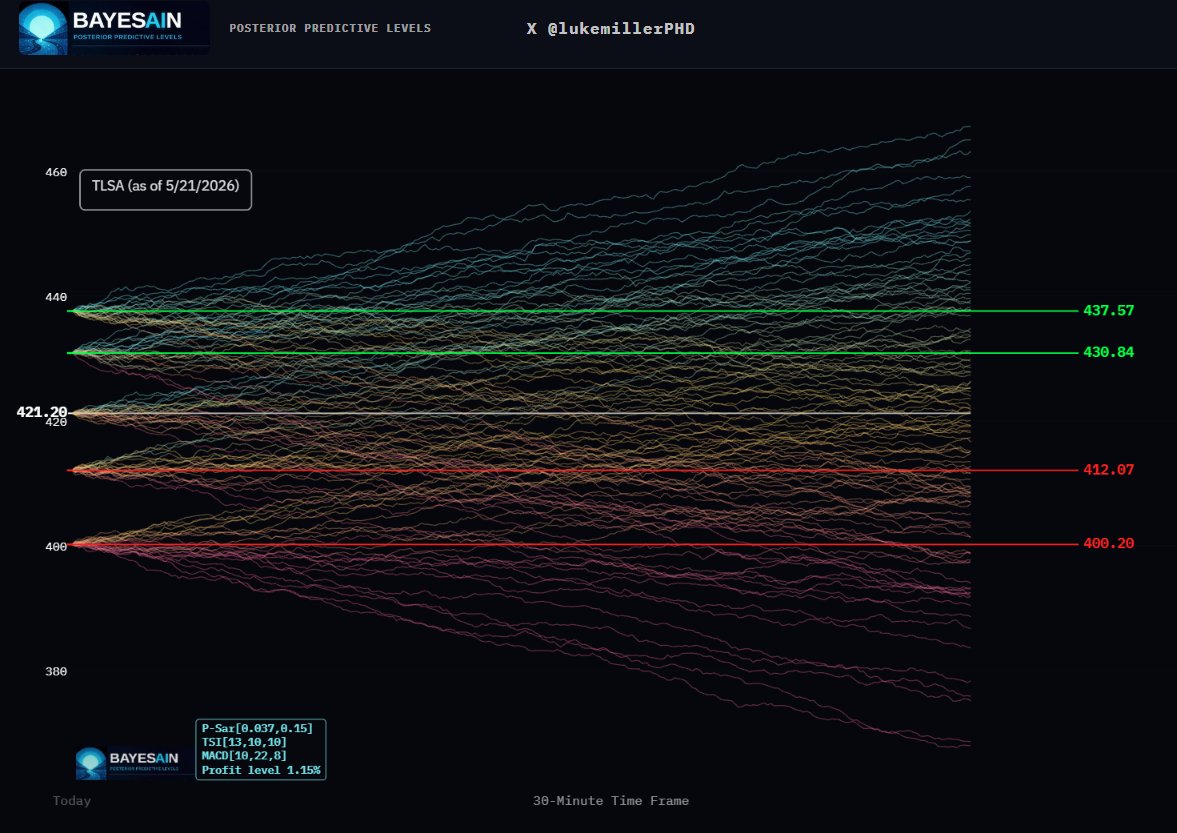
This stopped me. MIT researchers cleared 50% of Alzheimer’s plaques using 40 Hz sound waves. No drugs. No surgery. Just frequency. For decades, we tried to fight Alzheimer’s chemically. Billions spent. Minimal progress. Then something different happened. Expose the brain to 40 Hz gamma waves. Microglia activate. Plaques get cleared. The brain cleans itself. As someone who has spent years studying automation and systems, this fascinates me. We are not attacking disease anymore. We are tuning the system. Focused ultrasound can: → Reduce tremors in one session → Open the blood-brain barrier for hours → Deliver treatment precisely where needed Not by cutting. Not by poisoning. By orchestrating. That shift feels bigger than one breakthrough. It suggests something deeper. What if the future of medicine is not force… but frequency? So here is the question I cannot ignore: If we can tune biology instead of fighting it, what else have we misunderstood about healing? #AI #HealthTech #Neuroscience #Innovation #FutureOfMedicine #Technology
Pascal Bornet tweet media
English
931
6.6K
22.1K
1.1M
Dragon 🐉
Dragon 🐉@DragonTraderZ·
We’re opening a handful of discord spots for new members. If you’ve reached out in the past month, be sure to check your dms and if you want a spot or to get on the waitlist be sure to reach out asap🫶 First come first serve 🥛
English
11
10
59
2.8K