Dhritiman Das

433 posts

Dhritiman Das banner
Dhritiman Das

Dhritiman Das

@dhritiz

Ecology enthusiast. Varied interests: politics to space, wildlife to movies, neutral and not judgemental, firm believer in nonviolence principles

Guwahati, India Katılım Haziran 2009
254 Takip Edilen93 Takipçiler
Dhritiman Das retweetledi

Vala Afshar
Vala Afshar@ValaAfshar·
What do the happiest, healthiest and longest living people have in common? It’s not fame, fortune or status. Academic research gives us the definitive answer. The main conclusion of Harvard's nearly 87-year-long Study of Adult Development (one of the longest studies of adult life ever conducted) is that strong, meaningful relationships are the single most important predictor of long-term happiness, health, and a long life. It’s not wealth, fame, social class, IQ, or even genes that determine well-being as we age—it's the quality of our connections. Harvard Study of Adult Development started in 1938 and it is the longest-running scientific study of happiness and health in history. For over 85 years, researchers have tracked the lives of 724 men and their families (now including more than 1,300 descendants) to determine what actually makes a "good life." The "One Word" Finding: Relationships The current director of the study, Dr. Robert Waldinger, famously summarizes the decades of data with one clear message: "Good relationships keep us happier and healthier. Period."  The study’s findings can be broken down into three major lessons: • Social Connection is Vital: People who are more socially connected to family, friends, and community are happier, physically healthier, and live longer than people who are less well-connected.  • Quality Over Quantity: It’s not just the number of friends you have or whether you’re in a committed relationship; it’s the quality of your close relationships. Living in the midst of conflict is actually worse for your health than getting a divorce.  • Relationships Protect the Brain: Being in a securely attached relationship in your 80s is neuroprotective. People who feel they can count on their partner in times of need keep their memories sharper for longer.
Vala Afshar tweet media
English
8
87
169
20.8K
Dhritiman Das retweetledi
Anish Moonka
Anish Moonka@anishmoonka·
A newborn sperm whale can’t swim. It starts sinking the second it’s born. If nobody pushes it to the surface, it drowns in mile-deep water. On July 8, 2023, a sperm whale named Rounder went into labor off the coast of Dominica. Researchers from Project CETI, a $33 million AI initiative out of MIT, Harvard, and Northeastern that’s trying to decode whale language, happened to be there doing routine fieldwork. They had drones in the air and underwater microphones running. What they captured over the next six hours just got published in two papers, one in Science and one in Scientific Reports. Eleven whales gathered at the surface before Rounder even started delivering. Her mother, Lady Oracle, was there. So was her daughter Accra. Three generations in the water. But the wild part: half those whales belonged to a completely separate bloodline that normally keeps its distance from Rounder’s family. On a typical day, these two family lines split off to hunt in different areas and rarely cluster together. For the birth, they all converged before labor started. The unrelated family somehow knew it was coming. The delivery took 34 minutes. Sperm whale calves come out tail-first with their flukes still folded from the womb. They haven’t developed the oil-filled organ in their heads that helps adult whales float, so the moment they’re born, they’re dead weight in the ocean. Every adult whale in the group, related and unrelated, started taking turns pushing the calf up to breathe. They kept this rotation going for three hours. When a pod of pilot whales (known to be aggressive toward sperm whales) and a large group of Fraser’s dolphins showed up during delivery, the adults formed a wall around the newborn until the threat passed. The underwater audio is where it gets interesting. CETI’s microphones picked up the whales changing their vocal patterns during the birth. The click-based sounds they use to talk to each other shifted at specific moments, and vowel-like structures appeared in the recordings. This builds on what CETI found in 2024 when they ran machine learning on over 8,700 recorded whale calls and discovered sperm whale communication isn’t a basic 21-sound code. It’s a system of about 300 distinct sound combinations, with the whales adjusting rhythm and timing in real time, speeding up and slowing down the way a musician does mid-performance. A 2025 follow-up from UC Berkeley found these clicks also contain vowel patterns, something scientists had assumed only humans could produce. Sperm whales carry the largest brain of any animal on the planet. About 9 kg. Roughly six times heavier than yours. The evolutionary analysis in the new Science paper suggests this kind of cooperative birthing goes back over 36 million years, to the common ancestor of all toothed whales. The calf was spotted a year later, swimming with its family.
The Associated Press@AP

Rare footage of a sperm whale giving birth has offered scientists a window into the behavior of these large, elusive mammals.

English
100
3K
18.9K
1.7M
Dhritiman Das retweetledi
Vertigo_Warrior
Vertigo_Warrior@VertigoWarrior·
This kid walked right up to the Hollywood legend Sylvester Stallone and delivered the full Rocky speech in person. Pretty wholesome. (via RoKnowsWrestling)
English
139
2K
15.9K
529K
Anand Mishra
Anand Mishra@anandmishraips·
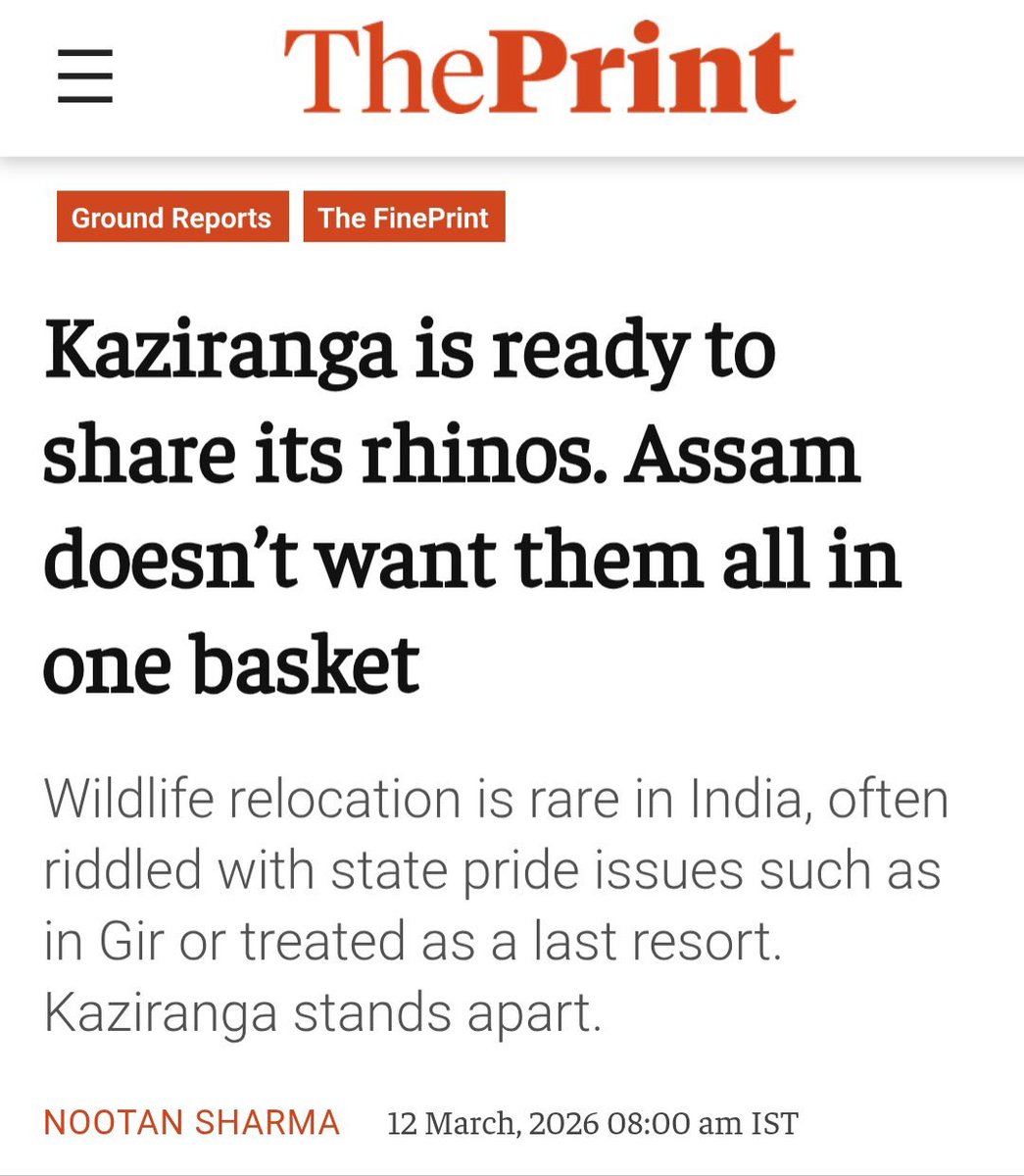
Assam’s conservation philosophy is a refreshing masterclass in ecological generosity. While most regions guard their biodiversity like state secrets, Assam treats its wildlife as a shared heritage rather than state property. Beyond rhinos, Assam’s Pygmy Hog Conservation Programme is the gold standard for rewilding. These tiny hogs once thought extinct are being bred in Guwahati and released back into the wild across the Himalayan foothills. If we applied this Assam-grade altruism to the rest of the planet, the lost ecosystems we mourn might actually stand a fighting chance at a homecoming tour.
Anand Mishra tweet media
English
11
50
457
15.4K
Dhritiman Das retweetledi
Bhupender Yadav
Bhupender Yadav@byadavbjp·
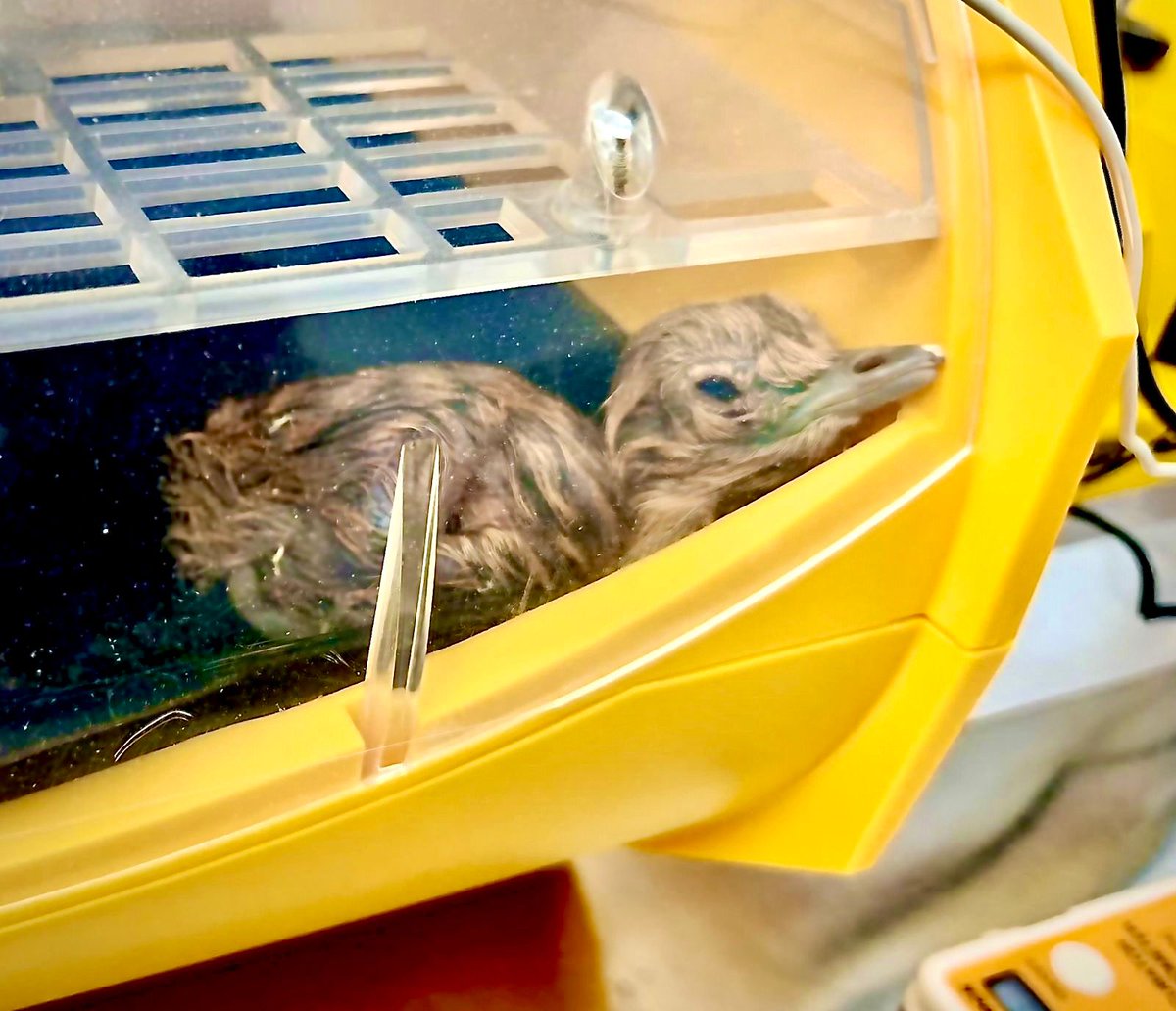
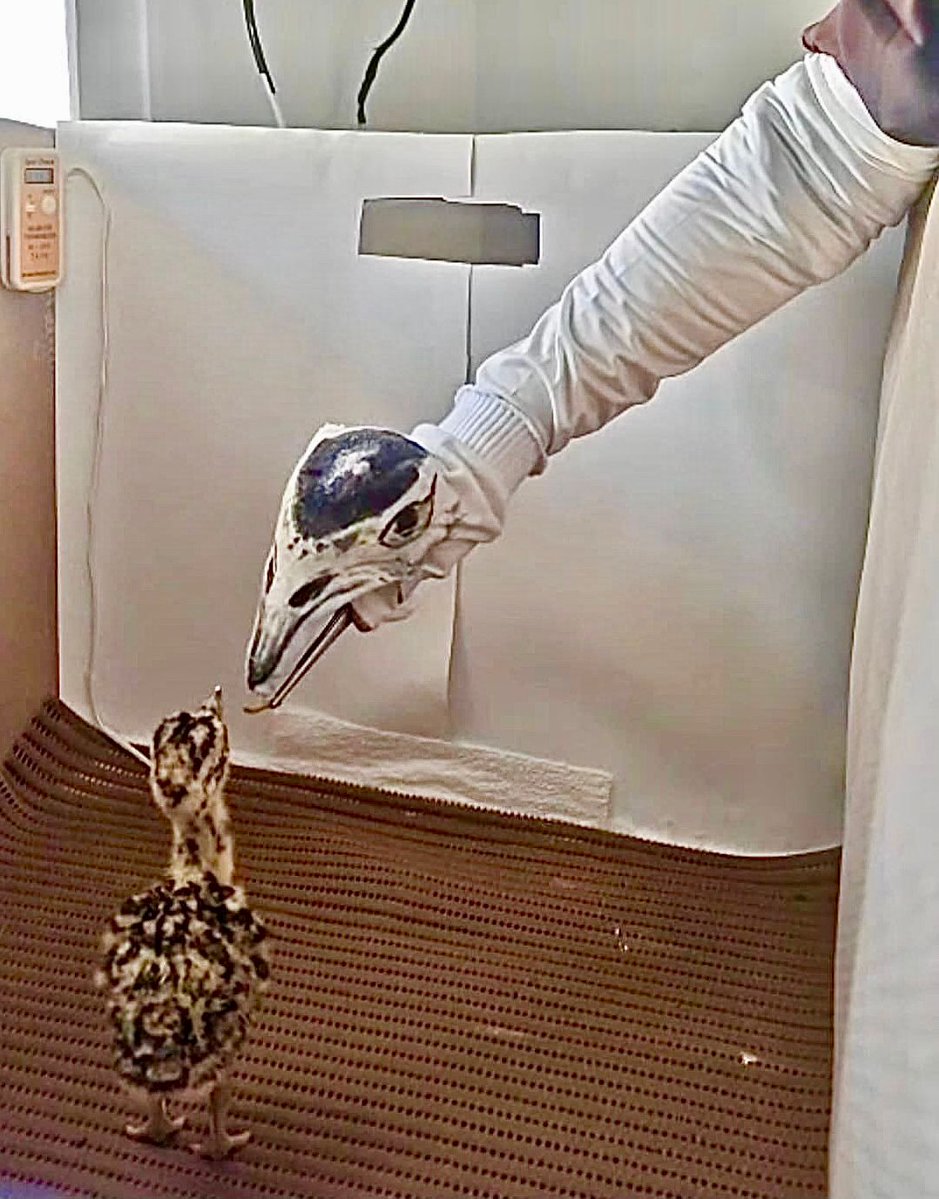
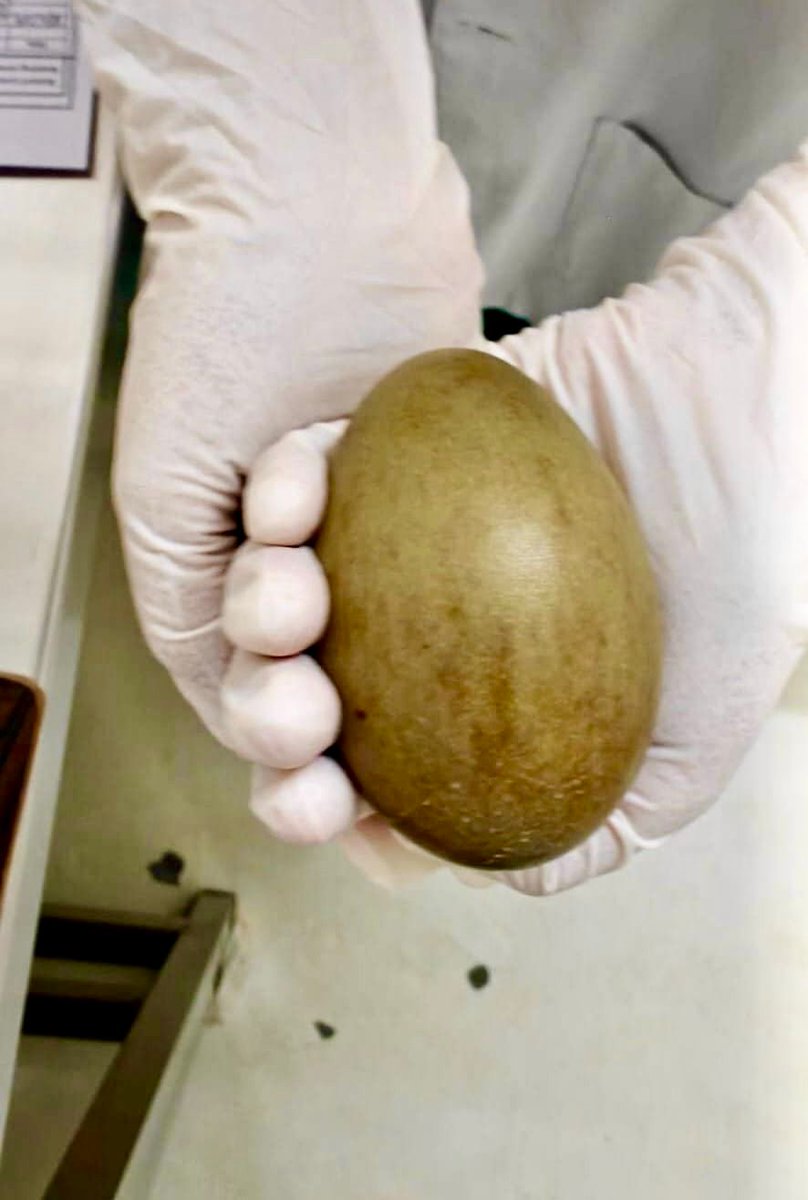
Another milestone achieved in Project GIB! Project Great Indian Bustard entered into the fourth year’s of its captive breeding with two new chicks hatched at the Conservation Breeding Centre of Rajasthan this week, one from natural mating and the other from artificial insemination, taking the tally of birds in captivity to 70. In an important milestone for the species' conservation efforts, some of this year's captive-bred chicks will be soft released in the wild, marking a new challenging beginning for the project. I congratulate the forest officials of Rajasthan Forest Department (@ForestRajasthan) for this achievement. Under the environmentally-sensitive leadership of PM Shri @narendramodi ji, we are well on track to make this project a great success.
Bhupender Yadav tweet mediaBhupender Yadav tweet mediaBhupender Yadav tweet media
English
17
234
1.3K
40K
Dhritiman Das retweetledi
Nature Unedited
Nature Unedited@NatureUnedited·
An African elephant bull steps out from dense reeds into the open during a long, quiet period of observation 🐘
English
12
227
5.4K
672K
Dhritiman Das retweetledi
Himanta Biswa Sarma
Himanta Biswa Sarma@himantabiswa·
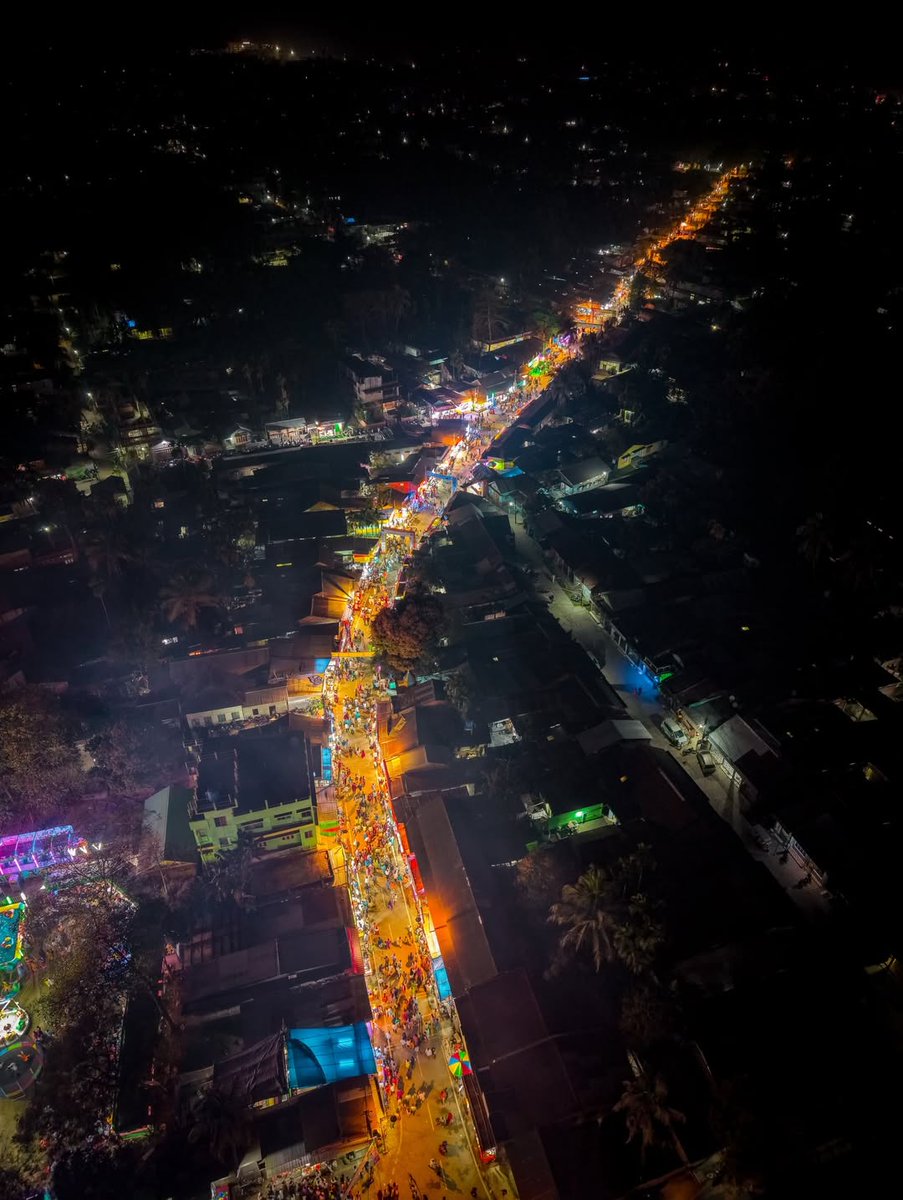
A divine spectacle lights up the night ✨ A bird’s-eye view of Gandha Jatra at Barpeta Satra captures a sea of devotion, illuminated pathways and resonating naam-kirtan. Joining the Holi festivities tomorrow. See you there.
Himanta Biswa Sarma tweet mediaHimanta Biswa Sarma tweet mediaHimanta Biswa Sarma tweet mediaHimanta Biswa Sarma tweet media
English
31
391
2.9K
21.7K
Dhritiman Das retweetledi
Narendra Modi
Narendra Modi@narendramodi·
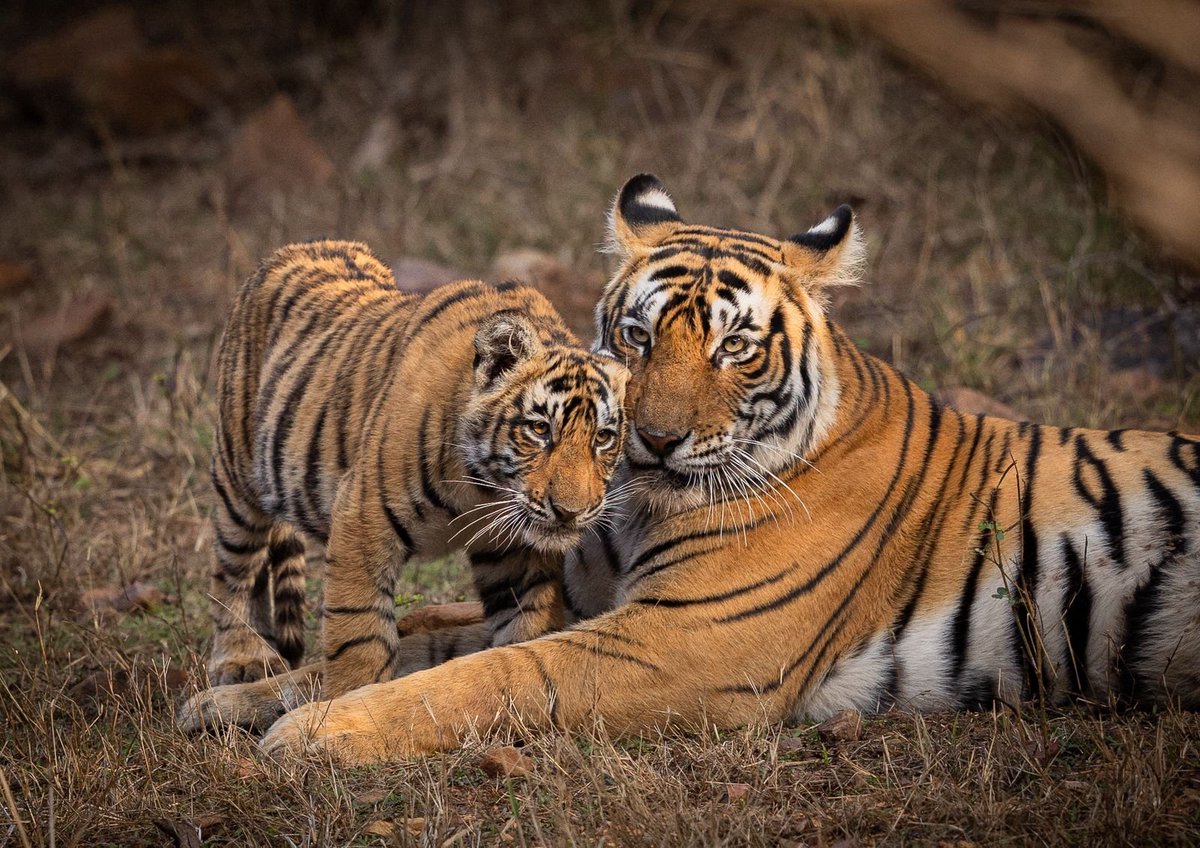
World Wildlife Day is about celebrating the incredible faunal diversity that enriches our planet and sustains our ecosystems. It is a day to acknowledge everyone working towards wildlife protection. We reaffirm our commitment to conservation, sustainable practices and protecting habitats so that our wildlife continues to thrive.
Narendra Modi tweet mediaNarendra Modi tweet mediaNarendra Modi tweet mediaNarendra Modi tweet media
English
2.8K
17.8K
181.9K
16.3M
Dhritiman Das retweetledi
Indian Military History ..
Indian Military History ..@History_Mil·
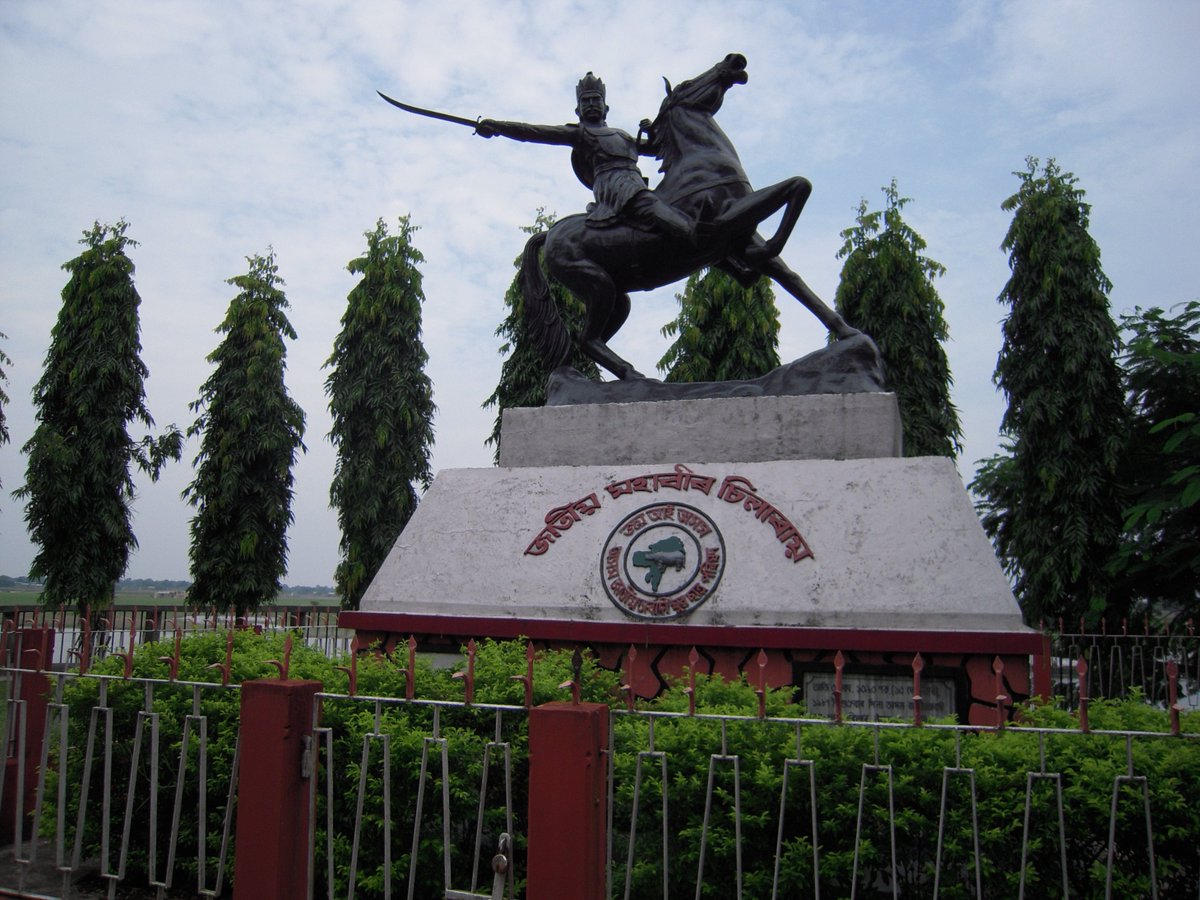
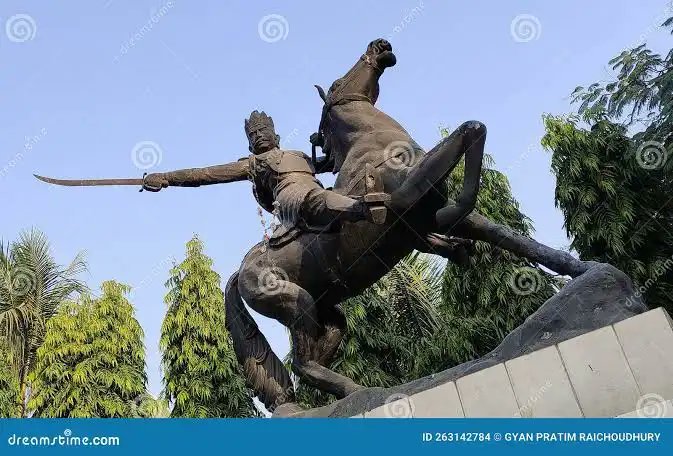
1563; The Ahom king fled, the enemy troops overran Garhgaon; the Ahom capital. Prestige shattered. The Ahoms accepted over lordship of their enemy in Treaty of Majuli. The man behind this stunning success of the enemy Koch military was their Commander-in-Chief; Gen Sukladhwaja.
Indian Military History .. tweet mediaIndian Military History .. tweet media
English
1
7
46
4.3K
Dhritiman Das retweetledi
Mrinal Talukdar
Mrinal Talukdar@mrinaltalukdar8·
Barely hours after inauguration, and the new Majestic Bridge is already stained and littered. Walk a few metres and you see spit marks all over. We demand world-class infrastructure but refuse basic civic sense. New bridge. Old habits.
Mrinal Talukdar tweet mediaMrinal Talukdar tweet mediaMrinal Talukdar tweet media
English
83
169
1.2K
87.2K
Dhritiman Das retweetledi
dharmendra khandal
dharmendra khandal@dharmkhandal·
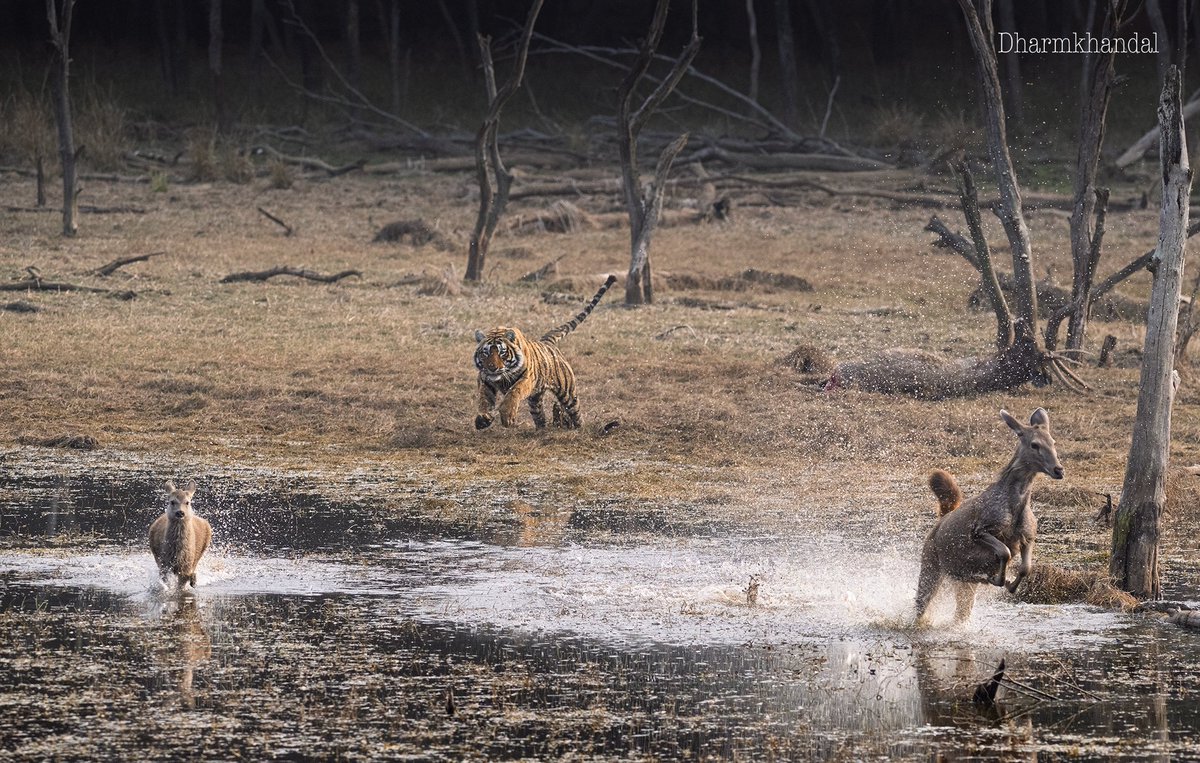
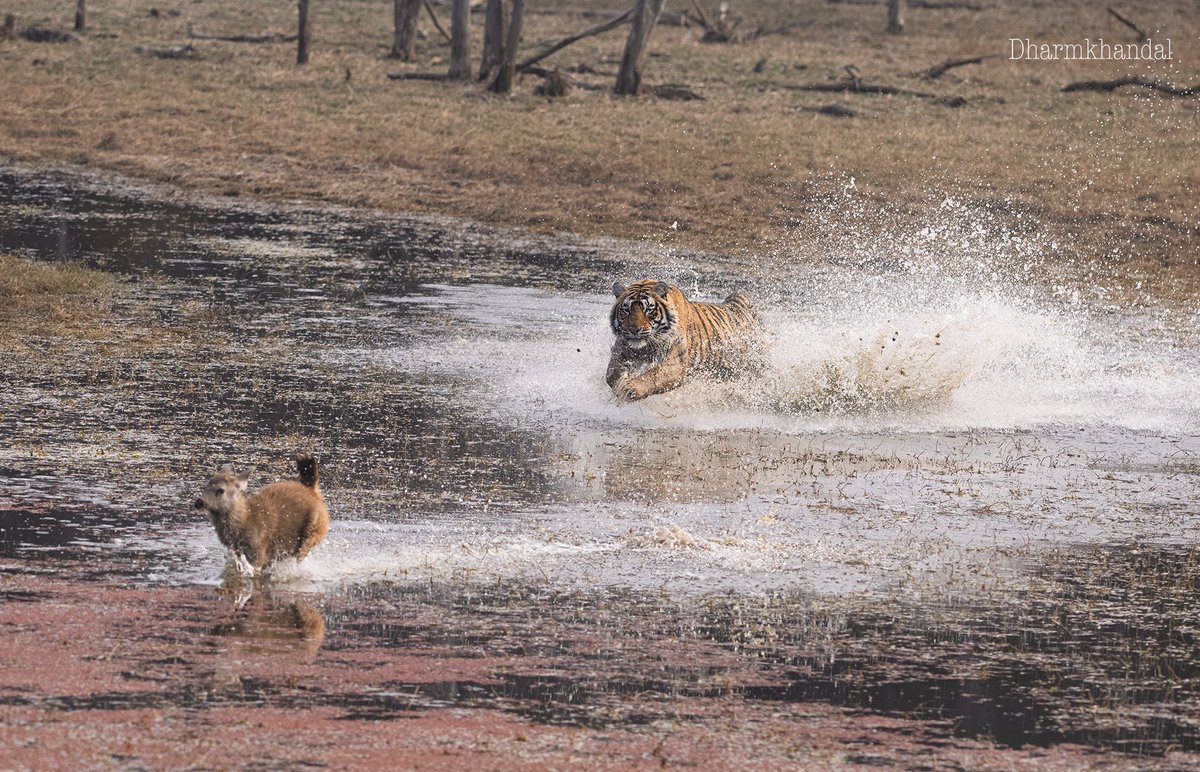
A tiger killed an adult male sambar at Malik Lake and was feeding on the carcass. During this time, another group of sambar deer approached the water. When a fawn came directly within striking distance, the tiger made a second successful hunt.Tigers are not greedy hunters but they will take an opportunity when prey comes straight to them. In the wild, survival follows instinct, not intention.
dharmendra khandal tweet mediadharmendra khandal tweet mediadharmendra khandal tweet media
English
19
97
1.5K
161.7K
Dhritiman Das retweetledi
Prof. Carl Sagan
Prof. Carl Sagan@ProfCarlSagan·
“Information is not knowledge, knowledge is not wisdom, and wisdom is not foresight. Each grows out of the other, and we need them all.” – Arthur C. Clarke
Prof. Carl Sagan tweet media
English
20
330
1K
27.3K
Dhritiman Das retweetledi
Natural Philosophy
Natural Philosophy@Naturalphilosy·
"The day you teach the child the name of the bird, the child will never see that bird again." — Jiddu Krishnamurti

Natural Philosophy tweet media
English
177
621
6.5K
508.3K
Dhritiman Das retweetledi
News from Science
News from Science@NewsfromScience·
In November 2017, an ecologist was in the middle of a research expedition in central Amazonia when he spotted something strange: a black-chinned antbird resting on a branch with an erebid moth on the back of its neck. The moth was probing one of the bird's eyes with its proboscis and appeared to be drinking from it. About 45 minutes later, they came across a different moth drinking from the eye of another resting antbird. Butterflies and bees also drink the eye secretions of other animals—butterflies are partial to basking crocodiles, whereas bees like turtle tears. But fast-moving birds are unlikely hosts for these insects. Learn more: scim.ag/4qcHjsd #ScienceMagArchives
English
33
456
5.3K
1.3M
Dhritiman Das
Dhritiman Das@dhritiz·
@JioMart Please ensure fair and proper delivery. Once again, a packet is missing; this is unacceptable. Order ID: 17693091610141656A. Please look into this immediately
English
2
0
0
25
Dhritiman Das retweetledi
MM 
MM @adgirlMM·
Monks walking for peace. With a stray dog from India. ❤️ 🐾 This is exactly what America needs in this moment.
English
107
1.2K
5.8K
192.1K