@jotaele_tello Gracias José, mañana lo lanzo open source, ahora estoy con miles de cosas, me encantaría que lo pruebes
Español
Diego Silva
4.2K posts
@diego_silvaai
ai engineer | freak


Este último mes estuve trabajando a full en cómo crear mejores "specs", uno de los mayores problemas sigue siendo el consumo de tokens, a nivel inferior, pero en proyectos grandes ese gasto se agiganta Lo primero que se me ocurrió fue usar los "specs" como embeddings, simple, metada para alimentar agentes e indicar dónde debe ingestar información, conectando directamente intención e implementación. Hoy les traigo una demo simple que estoy trabajando, me estoy enfocando en algo visual primero a través de grafos de jerarquías. Porque hoy en día se pueden generar miles de specs, software, sin decisiones de productos o sin contemplar outcome por feature. Espero convertirlo en algo más operativo y crear instancias de agentes en el mismo "OS", pero esa es la parte sencilla. Demo: intagent.diegosilvaai.com

Company Brain @t_blom Every company has critical know-how scattered across people's heads, old Slack threads, support tickets, and databases, and AI agents can't operate like that. We think every company in the world is going to need a new primitive: a living map of how the company works that turns its own artifacts into an executable skills file for AI.
Oh my, this is amazing. Generate an explainer wiki via slash command, gives you a full site with all the exact details, links to those details. I remember seeing something similar by ZAI (Zread) this feels like a very natural way to communicate with these models info density


Introducing Helmor The open-source, local-first answer to Conductor. A more refined, faster GUI for orchestrating coding agents. No cloud. One-click import from Conductor. AI made coding faster. @helmor_ai is about finishing the rest of the loop: orchestration, workspaces, review, testing, and merge. We believe the next generation of GUI agent orchestration should be built in the open — by the community.




Company Brain @t_blom Every company has critical know-how scattered across people's heads, old Slack threads, support tickets, and databases, and AI agents can't operate like that. We think every company in the world is going to need a new primitive: a living map of how the company works that turns its own artifacts into an executable skills file for AI.
Company Brain @t_blom Every company has critical know-how scattered across people's heads, old Slack threads, support tickets, and databases, and AI agents can't operate like that. We think every company in the world is going to need a new primitive: a living map of how the company works that turns its own artifacts into an executable skills file for AI.

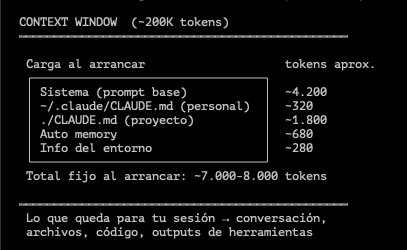
Cuando empezás con Claude Code, uno de los conceptos más importantes es Memory.
Cada vez que abrís una sesión nueva, el agente arranca sin contexto del proyecto, sin tus preferencias, sin nada de lo que hablaron antes.
Eso hace que tengas que volver a explicar el proyecto, repetir instrucciones y corregir lo mismo en cada sesión.
Ahí es donde entra Memory.
Le permite a Claude Code recordar qué hace el proyecto, cómo trabajás y decisiones que ya se tomaron.
Hay 2 sistemas para manejarlo:
1) CLAUDE.md - lo que vos le enseñás
- Es un archivo de instrucciones que Claude lee al arrancar cada sesión. Podés tener varios alcances:
・~/.claude/CLAUDE.md → preferencias personales, aplica a todos tus proyectos
・./CLAUDE.md → instrucciones del proyecto, se comparte con el equipo
・./CLAUDE.local.md → notas personales sobre el proyecto, no se versiona
2) Auto memory - lo que Claude aprende solo
- A medida que trabajás, Claude guarda notas sobre lo que descubre: comandos útiles, decisiones de arquitectura, preferencias de estilo
Se guardan en:
・~/.claude/projects/