DiegoNeurociencias

3.8K posts

DiegoNeurociencias banner
DiegoNeurociencias

DiegoNeurociencias

@diegoneuro

PhD in Psychology. MSc in Neuroscience. Psychologist.

Bogotá, D.C., Colombia Katılım Nisan 2012
80 Takip Edilen573 Takipçiler
DiegoNeurociencias retweetledi
Derek Griffin
Derek Griffin@DerekGriffin86·
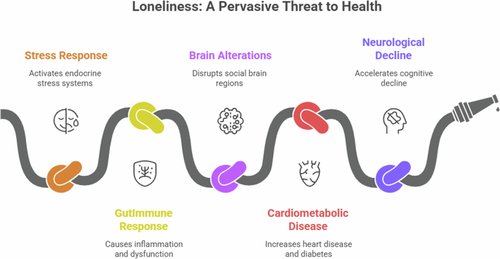
Social isolation & loneliness are both risk factors for and consequences of chronic disease. The medicalisation of conditions like persistent pain shifts the focus away for these important determinants of health. #abstract" target="_blank" rel="nofollow noopener">tandfonline.com/doi/full/10.10…
Derek Griffin tweet mediaDerek Griffin tweet media
English
0
5
3
391
DiegoNeurociencias
DiegoNeurociencias@diegoneuro·
@JeremyFarrar I don't know. Tests for depression are so weak. Maybe the lancet review stats are full of false positives
English
0
0
0
73
DiegoNeurociencias
DiegoNeurociencias@diegoneuro·
@joseramosvivas El peligro es asegurar que los dispositivos causan problemas de salud mental. Esto lleva a malas prácticas preventivas de intervención y prevención y limita construir una política seria y eficiente.
Español
1
0
0
38
Jose Ramos Vivas
Jose Ramos Vivas@joseramosvivas·
@diegoneuro Efectos pequeños, pero consistentes; no explicados por sesgo de publicación; sin causalidad directa, pero con orden temporal claro en varios casos; y con bidireccionalidad posible, aunque no suficiente para explicar todo el patrón.
Español
1
0
2
133
Jose Ramos Vivas
Jose Ramos Vivas@joseramosvivas·
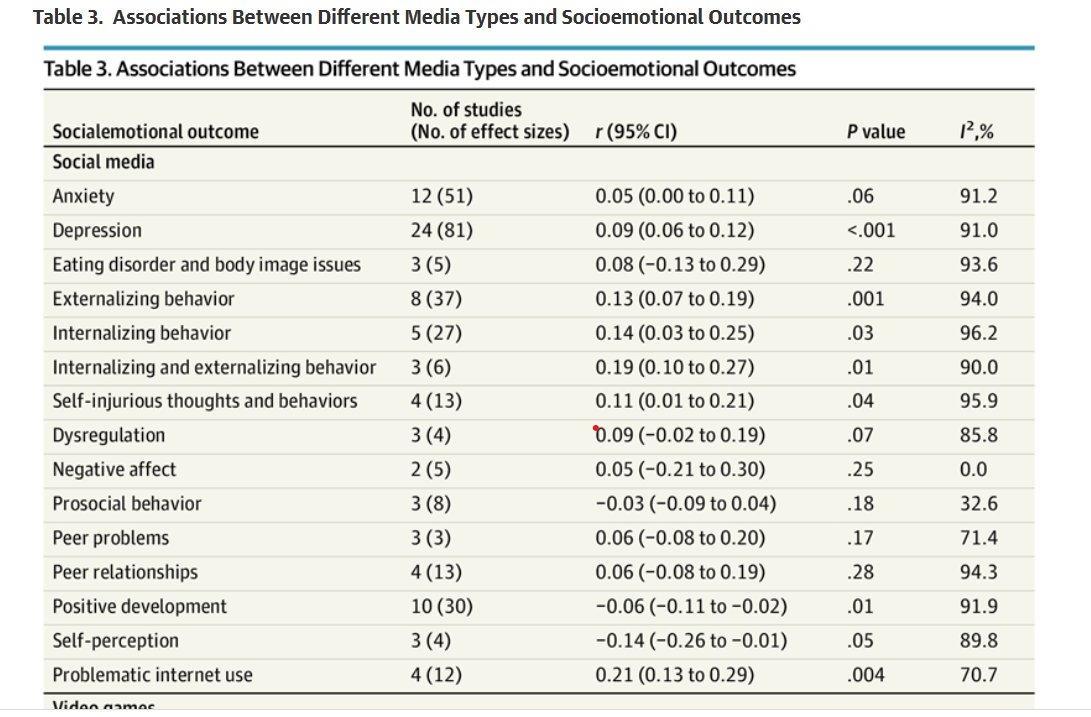
🚨#Pantallas Vs #jovenes Un nuevo y masivo meta‑análisis publicado en JAMA Pediatrics confirma (otra vez) lo que muchos temían: el uso de redes sociales está ligado a un declive en la salud mental de los jóvenes. 📉🧠 👥 Escala global: Se analizaron 153 estudios longitudinales con más de 18.000 niños y adolescentes. 📱 El componente más problemático: Aunque el uso digital general tiene impacto, las redes sociales muestran las asociaciones más consistentes con ansiedad, depresión y otros problemas de salud mental. 📅 Tendencia reciente: Los efectos negativos son más fuertes en los estudios de la última década, coincidiendo con plataformas más inmersivas y algoritmos más sofisticados. 🤳 🧩 Más que tiempo: No se trata solo de “cuántas horas”, sino de la calidad y el tipo de interacción digital. 🌍 Consistencia global: La evidencia es consistente a través de diferentes culturas y países. Es hora de pasar de “limitar el tiempo” a una moderación parental activa. 👨‍👩‍👧‍👦🛡️ 🔗👉🏻 bit.ly/JAMAYouthMH #SaludMental #Juventud #RedesSociales #Ciencia #JAMA #Psicología #BienestarDigital #Investigación
Jose Ramos Vivas tweet media
Español
3
255
453
21K
DiegoNeurociencias
DiegoNeurociencias@diegoneuro·
@JAMA_current The consistency suggests publication bias rather than actual effect. It confuses causation with evaluation. There may be an opposite relationship; children with developmental problems use more devices. And what about mediators?
English
0
0
0
171
JAMA
JAMA@JAMA_current·
Med News: A major meta-analysis has found that digital media use, particularly social media, is consistently linked to worse youth mental health and development. ja.ma/4tfdatD
English
9
122
287
145.5K
DiegoNeurociencias
DiegoNeurociencias@diegoneuro·
@pitiklinov La consistencia indica sesgo de publicación más que efecto real. Confunde causación con correlación. Puede rer relación contraria, niños con desarollo problemático usan más dispositivos Y los mediadores?
DiegoNeurociencias tweet media
Español
0
1
1
40
Pablo Malo
Pablo Malo@pitiklinov·
Aquí tenéis la pelea sobre si las redes sociales tienen un efecto negativo en la salud mental de los jóvenes. Haidt pone un estudio que dice que sí y Oliver Scott Curry y Chris Ferguson le contestan que no prueba causalidad y que el tamaño de efecto es mínimo.
Jonathan Haidt@JonHaidt

The preponderance of the evidence gets ever more preponderant: here's a meta-analysis of longitudinal studies, in JAMA. Important finding for setting 16 as the age minimum:

Español
5
20
65
6.7K
DiegoNeurociencias
DiegoNeurociencias@diegoneuro·
Tamaños de efecto y p indican relaciones débiles. La consistencia indica sesgo de publicación más que efecto real. Confunde causación con correlación. Puede rer relación contraria, niños con desarollo problemático usan más dispositivos Y los mediadores?
DiegoNeurociencias tweet media
Español
0
0
0
29
DiegoNeurociencias
DiegoNeurociencias@diegoneuro·
@TatiIniguez Acabo de comentar algo similar. Tamaños de efecto y p indican relaciones débiles. La consistencia indica sesgo de publicación más que efecto real. Se confunde causación con correlación. Puede ser relación contraria, niños con desarollo problemático usan más dispositivos
DiegoNeurociencias tweet media
Español
1
1
1
37
DiegoNeurociencias retweetledi
Nicolas Badre
Nicolas Badre@BadreNicolas·
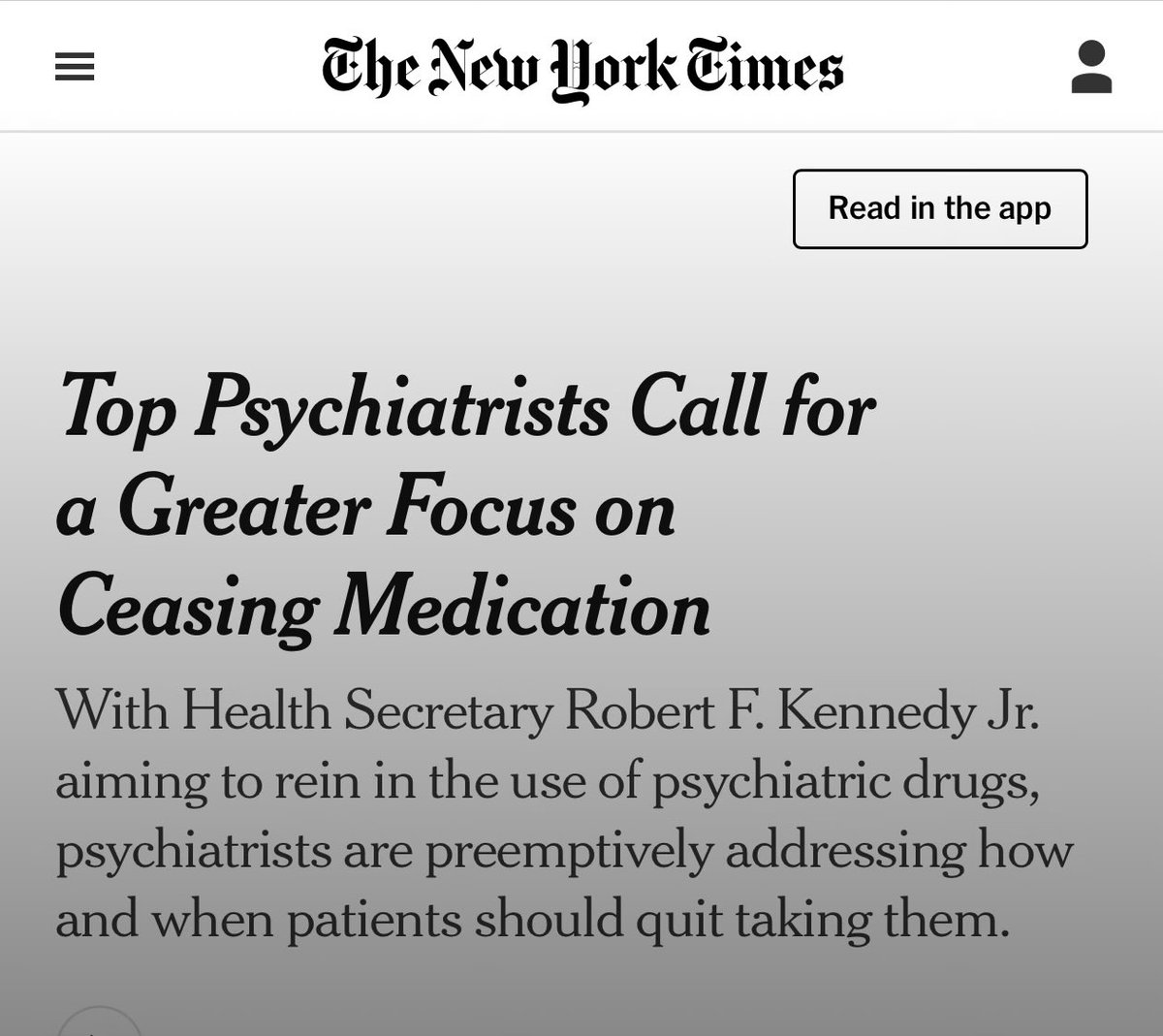
Let’s go! The gov is right to look at how to stop psych meds. Can we agree? 1. ~25% of US adults don’t need to be on psych meds. Many are started on them: 2. based on too cursory assessments, 3. without appropriate education on risks, 4. even though they are not mentally ill, 5. would have done fine with alternative interventions, 6. and without intervention, the natural course is reasonable for many. Depression is awful. Therapy is often great. Yet for many nothing works, and it can be tragic not to offer meds. But that population is much much smaller than 25%. I don’t want to focus on the disagreements. Some are pointing out differences and conflict of interests among those “top psychiatrists” who had a convenient change of heart. My goal is not to win some arguments, but to improve outcomes.
Nicolas Badre tweet media
English
15
24
86
4.5K
DiegoNeurociencias retweetledi
The Lancet
The Lancet@TheLancet·
Depression affects approximately a quarter of a billion people globally, of all ages and from all walks of life. A new Seminar provides a comprehensive overview of the epidemiology, diagnosis, & management of depression in adults: spkl.io/6019AAkWd
The Lancet tweet media
English
19
335
885
67K
DiegoNeurociencias
DiegoNeurociencias@diegoneuro·
Estos problemas los abordé en estos vídeos. No sabemos qué es y no es la salud mental. La mayoría cuando hablan de salud mental se refieren a trastornos mentales. Este error conceptual tiene graves implicaciones éticas y prácticas youtu.be/19kmVl2EE8Q youtu.be/2rF6SDO3duk
YouTube video
YouTube
YouTube video
YouTube
Español
0
0
1
129
DiegoNeurociencias
DiegoNeurociencias@diegoneuro·
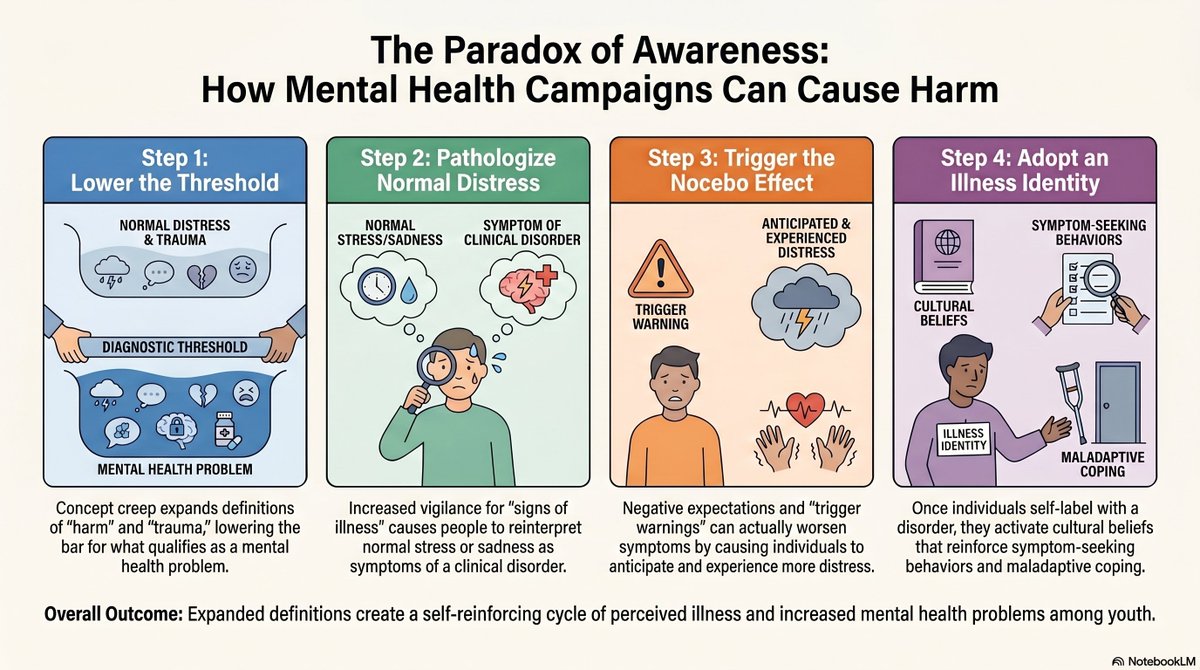
La paradoja de la concientización sobre la salud mental: 1. Reduce el umbral para inferir un trastorno mental 2. Patologiza las diferencias psicológicas 3. Dispara el efecto nocebo (creer que se está enfermo) 4. Adaptar una identidad de enfermo mental static1.squarespace.com/static/550b09e…
Michael Inzlicht@minzlicht

Imagine a 19-year-old scrolling TikTok. She watches a creator list five "signs you have undiagnosed anxiety." She recognizes three in herself. By the end of the week, she's describing herself as anxious to her friends. A month later, she's avoiding situations she used to handle fine. What went wrong? In a new paper by my PhD student Dasha Sandra, titled "Why mental health awareness can harm: Converging explanations for a societal problem", we argue that well-meaning mental health awareness can backfire, and we identify how. Four separate literatures (concept creep, nocebo effects, prevalence inflation, and illness self-labeling) have been circling the same problem from different angles. We show they converge on three mechanisms: 1.Awareness lowers the threshold for what counts as a disorder. 2. It trains people to scan their inner lives for symptoms and reinterpret normal distress as pathology. 3. Once someone adopts an illness identity, they behave in ways that confirm and deepen it. The evidence is wide. Learning that loneliness is harmful makes solitude feel worse. Learning that stress is harmful worsens well-being and performance. Awareness videos about fake conditions like "wind turbine syndrome" produce real headaches. Trigger warnings raise anticipatory anxiety without reducing distress. This does not mean awareness should stop. It means awareness can have unintended consequences, including manufacturing the suffering it tries to prevent. Inoculating people against these mechanisms works, and we already have evidence it does. Link to paper: michael-inzlicht.squarespace.com/s/The-psycholo…

Español
2
14
51
3.1K
DiegoNeurociencias retweetledi
Michael Inzlicht
Michael Inzlicht@minzlicht·
Imagine a 19-year-old scrolling TikTok. She watches a creator list five "signs you have undiagnosed anxiety." She recognizes three in herself. By the end of the week, she's describing herself as anxious to her friends. A month later, she's avoiding situations she used to handle fine. What went wrong? In a new paper by my PhD student Dasha Sandra, titled "Why mental health awareness can harm: Converging explanations for a societal problem", we argue that well-meaning mental health awareness can backfire, and we identify how. Four separate literatures (concept creep, nocebo effects, prevalence inflation, and illness self-labeling) have been circling the same problem from different angles. We show they converge on three mechanisms: 1.Awareness lowers the threshold for what counts as a disorder. 2. It trains people to scan their inner lives for symptoms and reinterpret normal distress as pathology. 3. Once someone adopts an illness identity, they behave in ways that confirm and deepen it. The evidence is wide. Learning that loneliness is harmful makes solitude feel worse. Learning that stress is harmful worsens well-being and performance. Awareness videos about fake conditions like "wind turbine syndrome" produce real headaches. Trigger warnings raise anticipatory anxiety without reducing distress. This does not mean awareness should stop. It means awareness can have unintended consequences, including manufacturing the suffering it tries to prevent. Inoculating people against these mechanisms works, and we already have evidence it does. Link to paper: michael-inzlicht.squarespace.com/s/The-psycholo…
Michael Inzlicht tweet media
English
234
1.8K
7.4K
496.8K
DiegoNeurociencias retweetledi
Ronny Suárez Celemín
Ronny Suárez Celemín@RonnySuarez_·
Atención Ahora los colombianos podrán acceder a la eutanasia sin tener una condición terminal, siempre que exista sufrimiento intenso por condición grave e incurable, según la Resolución 813 de 2026 del @Minsaludcol, que actualiza y unifica la regulación del derecho a morir dignamente en Colombia. Cambios clave: Amplía el alcance del derecho más allá de la eutanasia e incluye de forma integral los cuidados paliativos y la adecuación de los esfuerzos terapéuticos. Regula de manera más precisa el consentimiento, incluyendo el consentimiento sustituto y los llamados “apoyos interpretativos de la voluntad”. Refuerza la autonomía del paciente como eje central de todas las decisiones. Actualiza y redefine el papel de los comités de ética y de eutanasia dentro del sistema de salud. En síntesis, la norma aterriza órdenes de la Corte Constitucional y flexibiliza el acceso, con más énfasis en autonomía y menos requisitos restrictivos. Se puede consultar acá: quickshare.samsungcloud.com/m1NknpqTXEH2
Ronny Suárez Celemín tweet media
Español
52
977
2.2K
74.6K
DiegoNeurociencias
DiegoNeurociencias@diegoneuro·
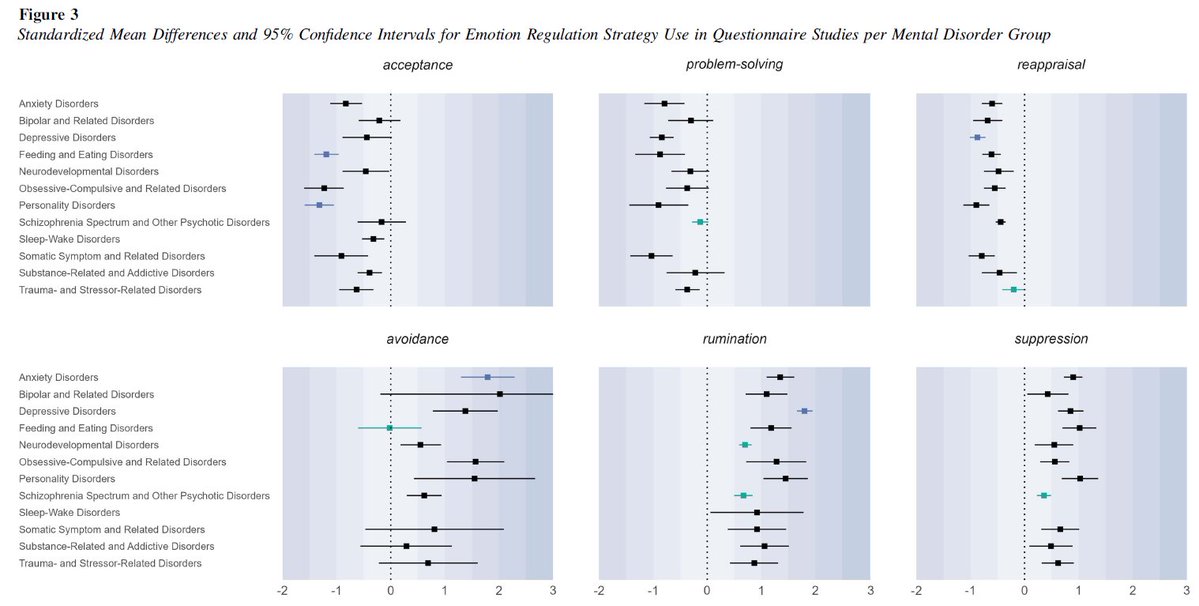
Estrategias de regulación emocional como ejes trasdiagnósticos de múltiples trastornos mentales psycnet.apa.org/fulltext/2027-… Estos trabajos permiten replantearse el modelo categorial y biomédico de los trastornos mentales
DiegoNeurociencias tweet media
Español
0
1
2
59
DiegoNeurociencias retweetledi
htw
htw@heniek_htw·
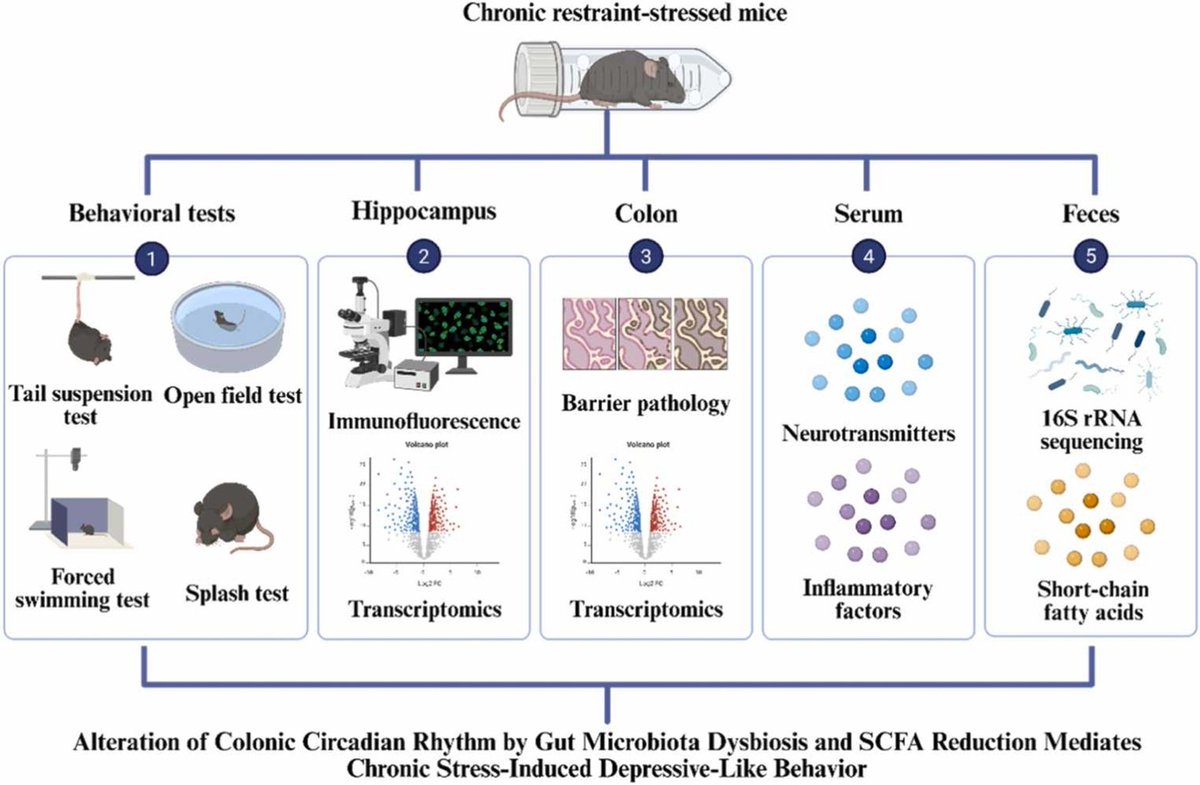
This study supports an integrated association framework linking gut microbiota imbalance, reduced SCFAs, colonic circadian alteration, and depressive-like behavior, and highlights a novel ‘gut microbiota–SCFAs–colonic clock’ axis associated with stress-related phenotypes.
htw tweet media
English
2
11
31
895
DiegoNeurociencias
DiegoNeurociencias@diegoneuro·
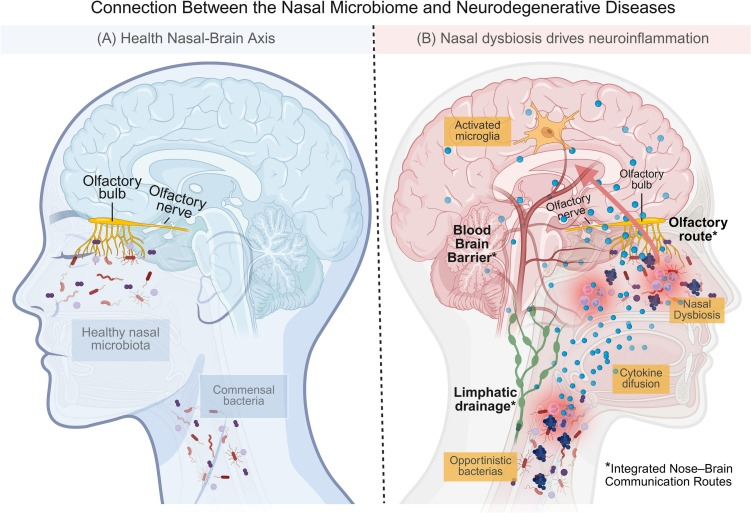
Eje Nariz-Cerebro Microbioma nasal modula neuroplasticidad y fisiología cerebral. Salud nasal influye en la salud mental y cerebral. Infecciones, contaminación, gases, o moléculas que dañen o irriten la nariz y vías aéreas causan TDAH, Alzheimer, depresión, Ansiedad, Insomnio.
DiegoNeurociencias tweet media
Español
1
1
4
72