
Sabitlenmiş Tweet
noël
108.8K posts


noël
@directoire
Socialist and bon viveur !
defensar la república ! Katılım Ocak 2011
4K Takip Edilen903 Takipçiler
noël retweetledi

Remember to pick up a good book here in #Macroomlibrary for the weekend as we will be closed Tuesday for St.Patrick’s Day!☘ ☘
#WhatLibrariesDo

English
noël retweetledi

📣Our campaign for Philomena's Law has achieved a major victory today At a summit in Cork, the British government announced it would introduce a new law ensuring applicants to Ireland's Mother & Baby Institutions Payment Scheme living in Britain won't lose means-tested benefits.

English
noël retweetledi

We honour British #DDay veteran Tony Winterburn, who passed away on 8 March 2026 at 100. Joining the merchant navy at 16 in 1942, he braved Arctic convoys and transported troops to Gold Beach on 6 June 1944. His courage and sacrifice live on.
Préfet du Calvados@Prefet14
Le préfet a appris avec tristesse le décès de Tony Winterburn, vétéran britannique du #DDay, survenu le 8 mars 2026 à l’âge de 100 ans. 🇫🇷🇬🇧 Engagé dans la marine marchande britannique dès l’âge de 16 ans en 1942, il participe à plusieurs missions périlleuses, notamment dans les eaux russes pour ravitailler le front de l’Est. Le 6 juin 1944, à bord du SS Stanbridge, il prend part au Débarquement en acheminant troupes, véhicules et péniches vers Gold Beach, contribuant ainsi au succès de l’opération malgré les bombardements et les attaques subies. Il s’agit du deuxième vétéran du Débarquement disparu en quelques jours, rappelant combien les témoins directs de ces événements historiques se font désormais rares. Les témoins disparaissent peu à peu, mais leur courage, leur esprit de sacrifice et leur engagement pour la liberté demeurent à jamais gravés dans notre histoire et dans nos mémoires. 🕊️
English
noël retweetledi

Charwomen, or “charries”, were everywhere in 19th century Dublin. Scrubbing the limestone steps, shawl tight around her shoulders, on her knees with a block of donkey stone.
The word char came from an old English term meaning a “turn” a small job. She arrived, did the work nobody else wanted to do, collected a few shillings, and disappeared again into the city.
Let's take a minute to give respect to these humble unsung heroes whose hard work and unaknowledged sacrifices fed generations of Dubliners. Especially poignant for Mothers Day.
Domestic service was the largest female occupation in the city, but most people imagine live-in maids the young girl in apron and cap in a Georgian house. But the charwoman was a casual labourer.
Her day began before dawn. Middle-class households expected their steps scrubbed early. The charwoman would arrive with her bucket and brush, sometimes carrying a small wicker basket containing soap, cloths, and the familiar block of donkey stone. Kneeling on the cold pavement she scrubbed the limestone until it whitened under her hands.
It was hard, backbreaking work, and that was only the beginning. Inside the house she tackled the jobs that even domestic servants avoided. She scoured blackened fireplace grates until the iron shone again. She hauled coal up narrow staircases.
She emptied slop buckets and scrubbed kitchen floors. Laundry was another torment, heavy sheets and shirts boiled and beaten clean by hand, long before washing machines existed.
After the Act of Union 1801, Dublin entered a long economic decline. The aristocracy that once filled its grand Georgian houses drifted away to London. By the late nineteenth century thousands of Dublin’s poor lived crammed into tenements with the subdivided ruins of former townhouses.
In places like Henrietta Street, once home to judges and aristocrats, entire families occupied single rooms. Ten, sometimes fifteen people might sleep in a space that had once been a drawing room.
Many charwomen came from precisely these places. The job required no training and almost no equipment, which meant it was often the last available form of work for women on the edge of poverty. Widows, older women, and the wives of unemployed labourers frequently turned to charring simply because nothing else was available. And the pay was miserable.
A few pence for a morning’s labour, rarely enough for more than bread, tea, and perhaps a little coal. The work was irregular too. A household might hire a charwoman once a week, or once a month, depending on need. There was no guarantee she would be called again. Live-in servants at least had food and lodging.
And yet charries was essential to the functioning of “respectable” Dublin life. Middle-class gaffs depended on her to keep their homes clean without committing to the cost of a permanent servant. She occupied the lowest rung of the domestic ladder, but without her, the system would not have worked at all.
The image that survives in Dublin folklore is a familiar one. A stout woman in a shawl, walking the streets with a wicker basket over her arm. The basket had a practical purpose, carrying soap, rags, brushes and cleaning powders.
But it also had another function. Employers often allowed the humble charwomen to take home leftovers from the kitchen, scraps of meat or broken food that could not be served at table.
In many cases those scraps were the best meal her family would see that week. That small economy of leftovers became quietly woven into the survival strategies of the city’s poor. The charwoman scrubbed the steps of respectable houses by day, and by evening she carried a little of their discarded food back to the tenements.
The role began to disappear in the twentieth century. As plumbing, electricity, and labour-saving appliances spread through Irish homes, the brutal manual work that defined charring slowly declined.
Support the DTM Book, buy me at Pint at ko-fi.com/buchanandublin…

Dublin City, Ireland 🇮🇪 English
noël retweetledi

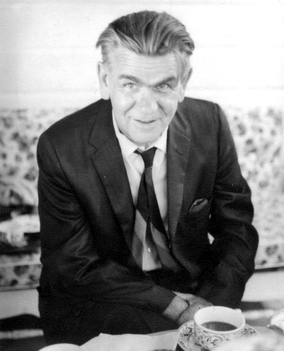
#OtD 13 Mar 1904 legendary council communist thinker, Paul Mattick, was born. While a toolmaker at a Siemens factory, he was elected as a delegate on its workers’ council during the 1918 German Revolution and later fought against the rightist Kapp Putsch stories.workingclasshistory.com/article/8495/p…
English
noël retweetledi

noël retweetledi

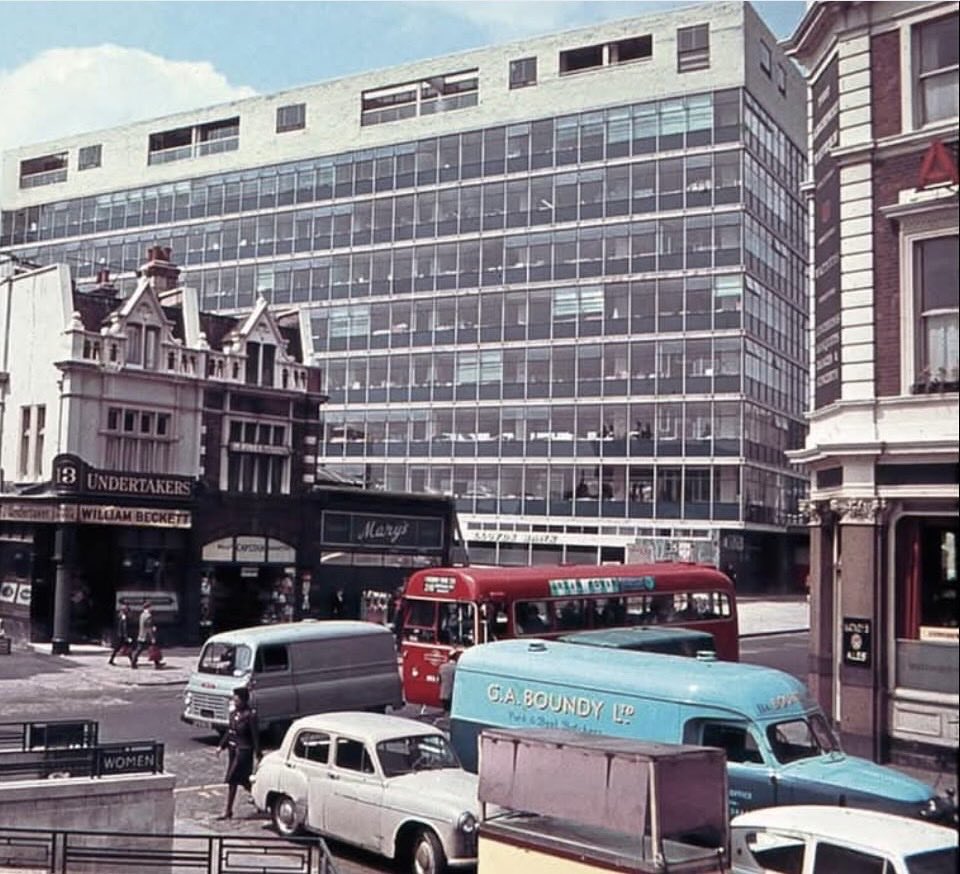
The Archway Tavern in the swinging 60s when heavy traffic passed by our front door. Simpler times with no mobile phones, laptops or WiFi. If you wanted to study you went to the library to get the information you needed from real books and they’d even lend them to you. Enjoy!
English
noël retweetledi

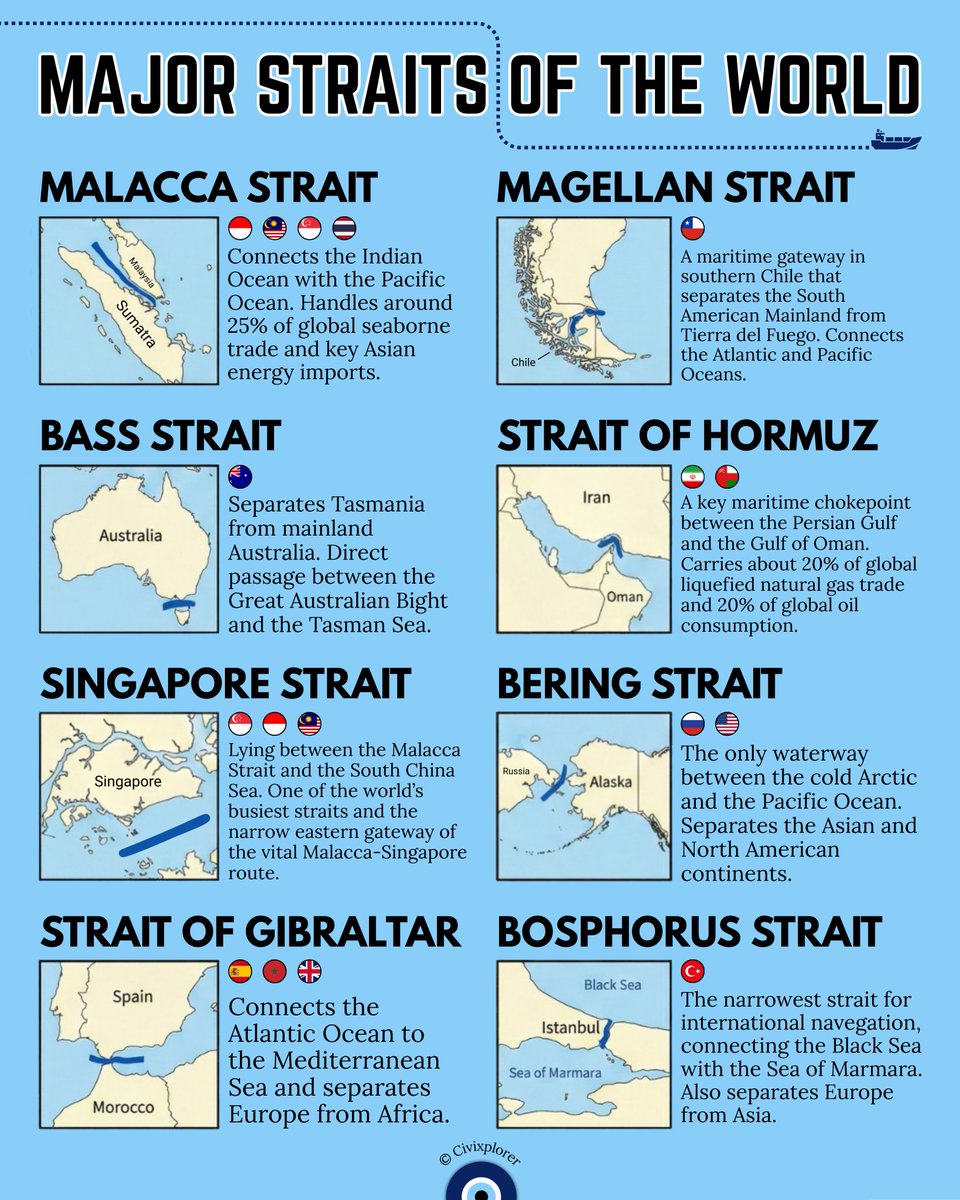
🚢 Major straits of the world: key maritime gateways shaping global trade and energy flows.
English
noël retweetledi


noël retweetledi

There is a shortage of Guinness glasses in London! @guinness #diageo Any pubs having issues? The Globe pub in Marylebone #lissongrove needs 40 glasses. Can anyone help get Guinness glasses? #guinness #guinnessglasses

English
noël retweetledi
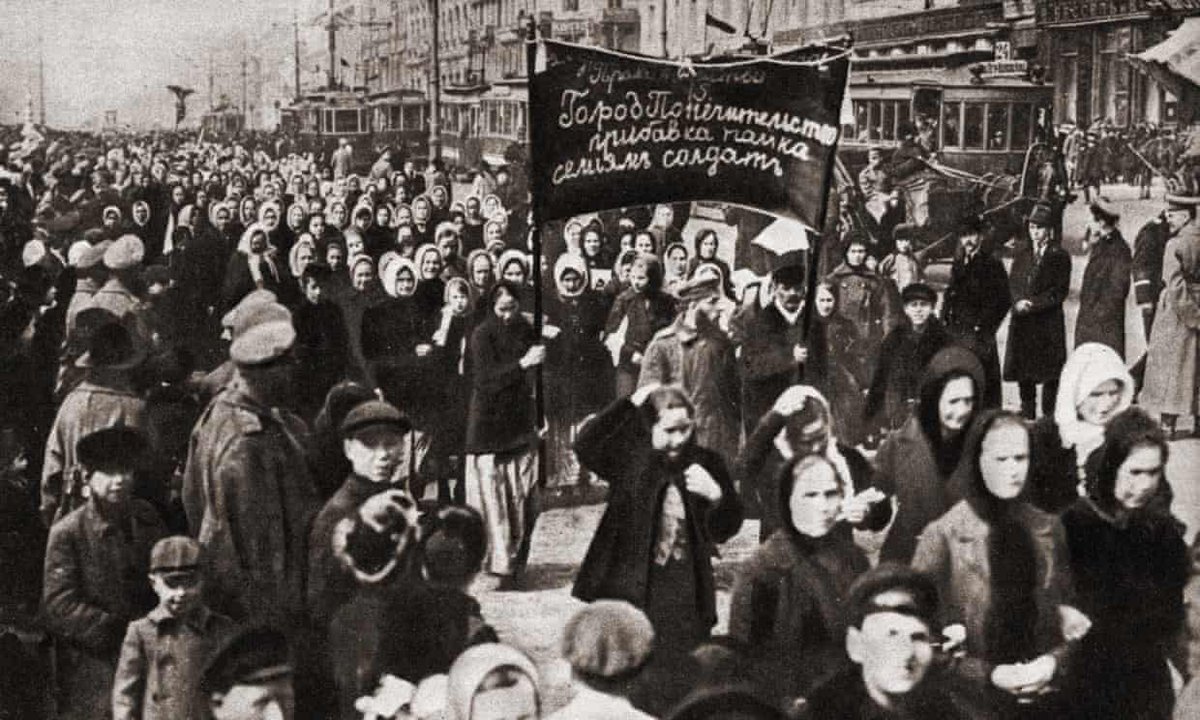
#OtD 8 Mar 1918 women in Austria celebrated International Women's Day on this date for the first time as thousands took to the streets protesting WWI. The date commemorated women protesting in Russia the previous year (pic), beginning the revolution. stories.workingclasshistory.com/article/10827/…
English
noël retweetledi

Morning all and welcome back to Ukulele Sunday Morning, and ...
'That's cos I'm a Londoner' ... xx
English
noël retweetledi
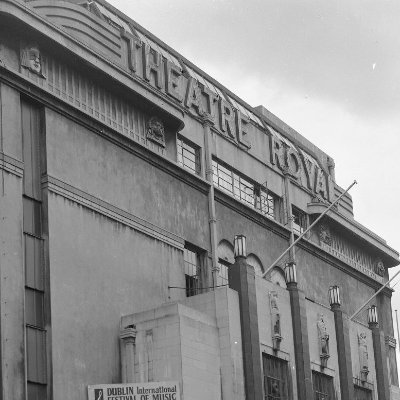
60 Years ago #OTD 8th March 1966 Dublin's Nelson's Pillar is blow up! My Dad took this home movie of my Sister and myself a few days later on O'Connell Street with the remains of the Pillar behind us! @fallon_donal @littlemuseumdub @OralHist_ie @theirishworld @IrishHistoryPod
English
noël retweetledi

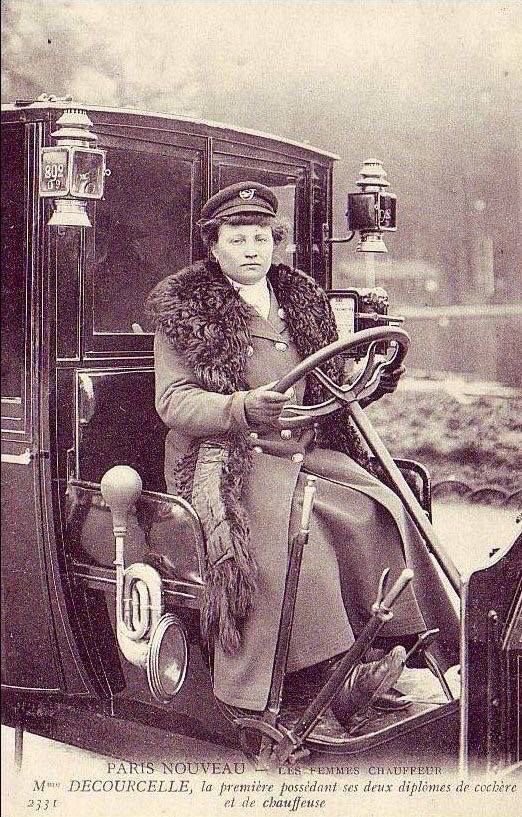
PHOTO OF THE DAY. Madame Decourcelle, the first woman taxi driver in Paris (1909). 📷google images
English
noël retweetledi
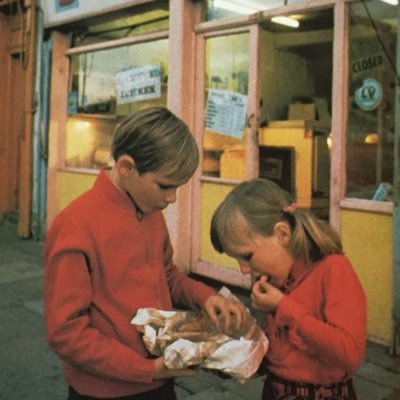
London Of Old #08
Faded wall sign for Percy Dalton Ltd, likely dating back to around the 1930's a reminder of Britain's once famous peanut company. Spitalfields, March 2026.
#photographer #london #heritage #history

English
noël retweetledi
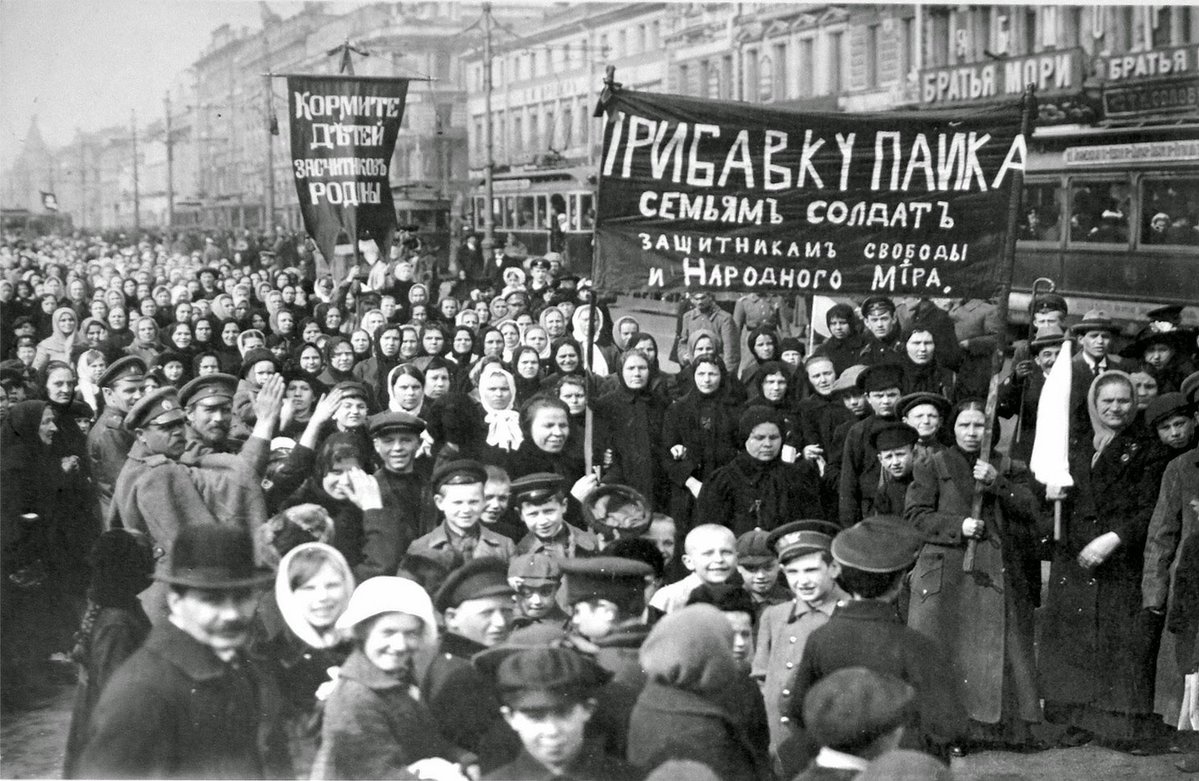
#OtD 8 Mar 1917 defying union leaderships, women workers and housewives took the streets of St Petersburg against high prices and hunger. They were joined the next day by 200,000 workers, sparking the February Revolution stories.workingclasshistory.com/article/10826/…
English
noël retweetledi
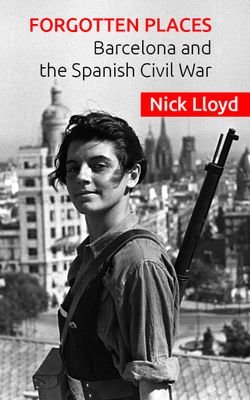
On International Women's Day let's remember the women of Barcelona 1936 who began an incipient sexual revolution against reaction but also against attitudes of own male comrades who for all their utopian rhetoric were often as sexist as ever when home as is often the case around the world. Original photo by Pérez de Rozas

English
noël retweetledi

noël retweetledi

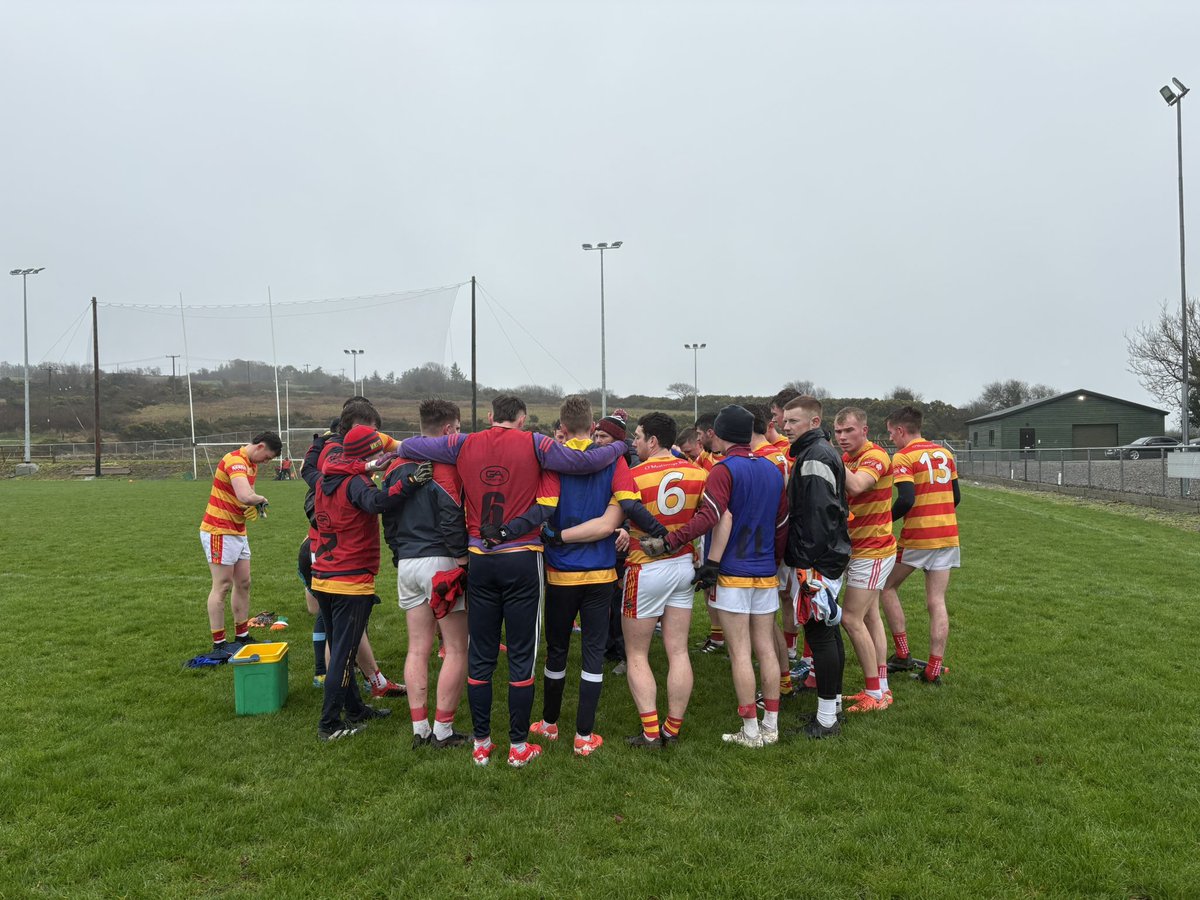
McCarthy Insurance Premier Senior Football League Div 1 Rd 1
@mig_ie @officialcorkgaa
Deane Civils Ltd. Proud Sponsor of Newcestown GAA Adult Teams
Half time
@NewcestownGAA 🔴🟡: 0-8 (8)
@GAACillnaMartra 🔵⚪️: 0-5 (5)
@carberygaa @BigRedBench @Corks96FM @WestCorkSport
English
noël retweetledi
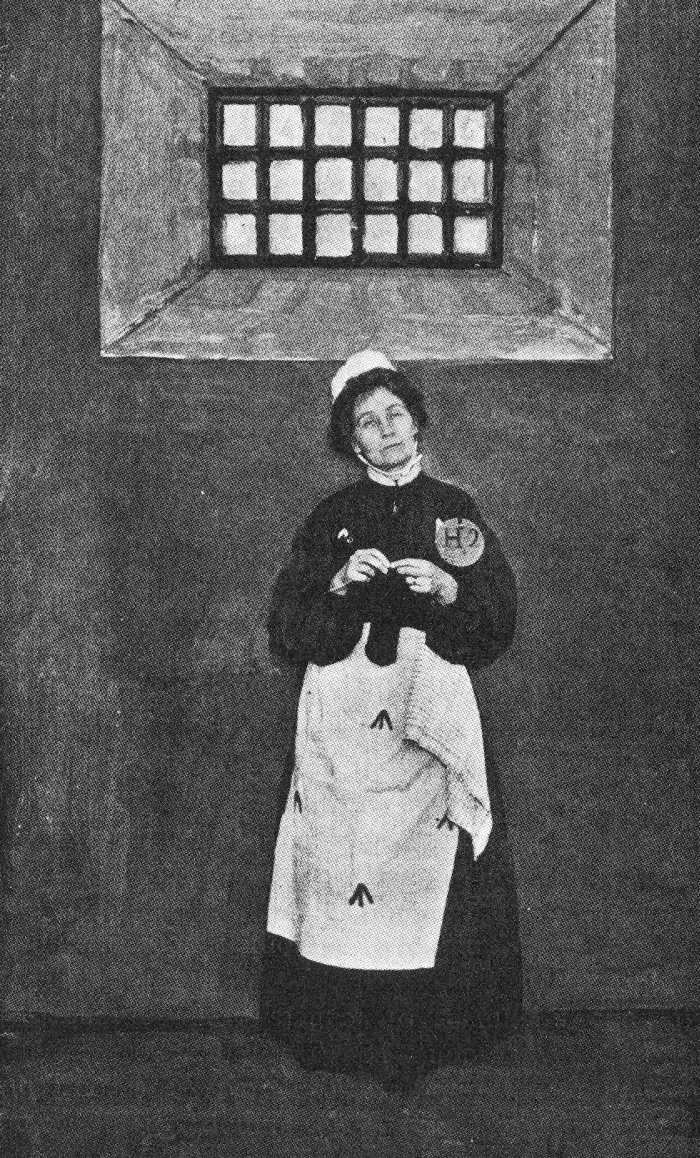
#OtD 1 Mar 1912 Emmeline Pankhurst and 148 other suffragettes were arrested in London after breaking windows to attract attention to women's suffrage. Following a march they attacked stores across the West End, as well as Downing Street stories.workingclasshistory.com/article/8105/s…
English