Florian

25K posts

Florian banner
Florian

Florian

@djflore

Fractional COO, previously @interel. Angel Investor. Photographer. House music producer. Doctorate @IUM_Monaco. Lecturer Uni of Europe DXB. @enlaps Ambassador.

Documenting the World Katılım Ağustos 2009
496 Takip Edilen1.4K Takipçiler
Sabitlenmiş Tweet
Florian
Florian@djflore·
So since it seems all social media is going down the drain one way or the other, I set up my own blog with an E-Mail subscribe function - no spam, just travel photography updates from around the world, maximum a few a month. theflore.com/newsletter #travelblog #newsletter
English
2
1
6
0
Florian
Florian@djflore·
@MonicaLMarks 20 years in Dubai has given me thick skin when it comes to the media flattening the whole city into one narrative but this war… not helping.
English
0
0
3
199
Monica Marks
Monica Marks@MonicaLMarks·
@djflore Bingo thank you!!! Driving me nuts 😅🤦🏻‍♀️
English
1
0
0
102
Florian
Florian@djflore·
But let’s focus on influencer evacuations.
Monica Marks@MonicaLMarks

Excellent by @ghoshworld on the failure to plan for “logistics states” like the UAE to go offline—& why this will likely hit Global South hardest. Few analysts are granular enough to even realise that Dubai hosts WHO & IFC. The “materialistic petrostate” stereotype precludes it.

English
1
0
2
394
Florian
Florian@djflore·
@blob_watcher As in Dubai contributing more to federal budget to fill the gap?
English
0
0
0
120
Tacos and Airplanes
Tacos and Airplanes@blob_watcher·
@djflore Revenue/externalities/cross-flow of money beteen Dubai and the other emirates.
English
1
0
3
233
Tacos and Airplanes
Tacos and Airplanes@blob_watcher·
The chances of a permanent shift in global consumer tastes, away from petroleum based vehicles, towards EVs, becomes more likely the longer this war goes in. There’s precedent: 1973 permanently shifted tastes towards more fuel efficient Japanese cars.
Joe Weisenthal@TheStalwart

WOW. Just in the last two weeks, BYD showrooms around the world are seeing a surge in customer demand from people who are deciding that now is the time to switch to EVS, with oil prices so high. bloomberg.com/news/articles/…

English
7
54
250
17.3K
Florian
Florian@djflore·
@blob_watcher How is Dubai hit hardest if it’s least oil dependent?
English
1
0
1
294
Tacos and Airplanes
Tacos and Airplanes@blob_watcher·
If 1973 marked a shift in the way the world consumes oil, then 2026 could accelerated the world’s shift to a new paradigm entirely, as relying on oil from the Middle East just becomes utterly untenable. Dubai hit hardest.
English
2
4
47
2.5K
Florian retweetledi
Dan Qayyum
Dan Qayyum@DanQayyum·
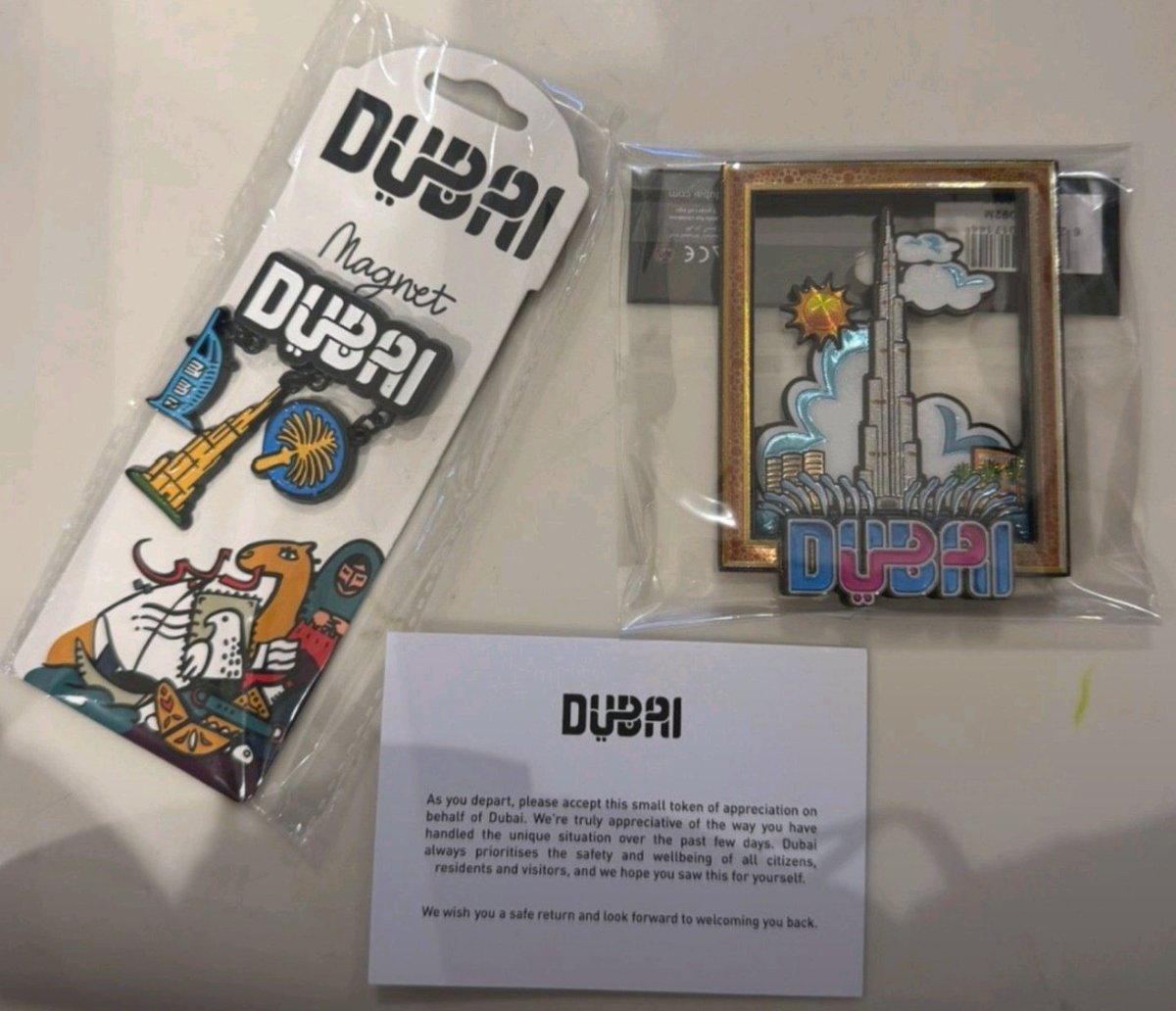
Passengers leaving DXB are being given a little souvenir pack with this note. Nice touch, ngl ❤️
Dan Qayyum tweet media
English
42
228
2.2K
175.6K
Florian
Florian@djflore·
So well put. Really hard for outsiders to understand this.
Khalaf Ahmad Al Habtoor@KhalafAlHabtoor

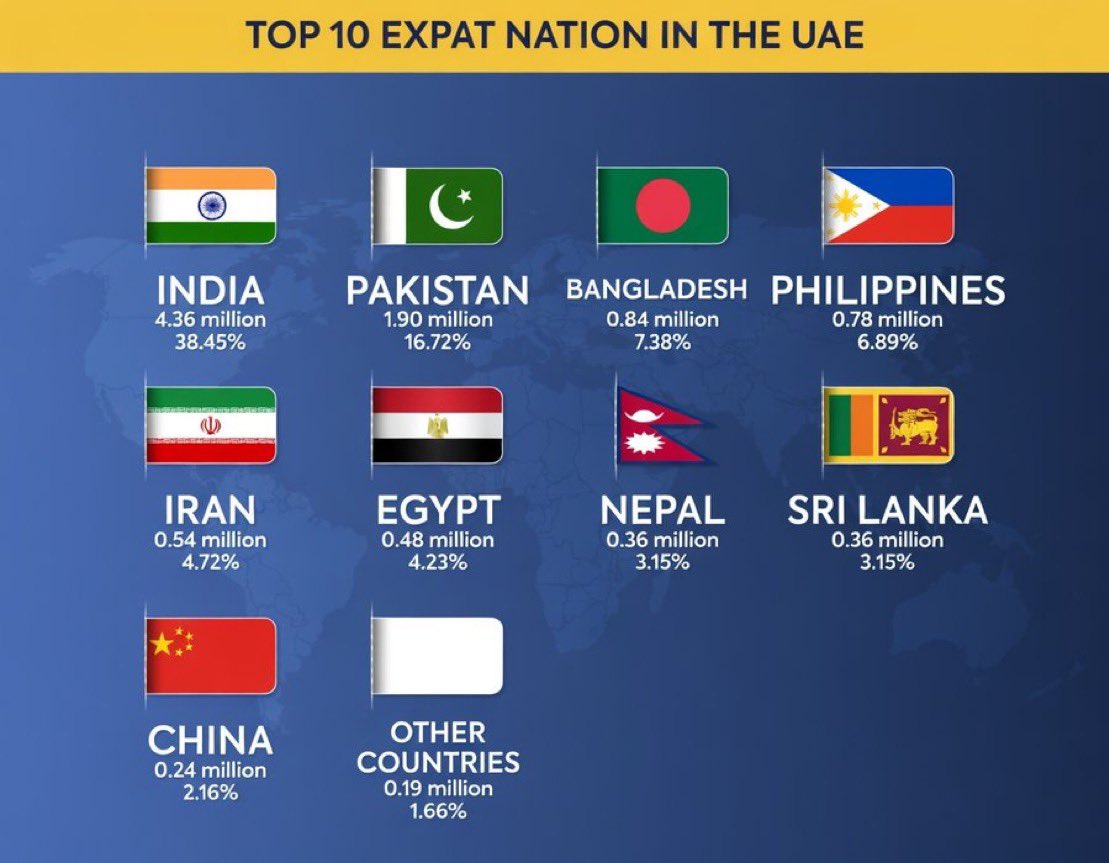
الغرب لا يفهم الإمارات! وهذا ما يمكن استخلاصه مما نراه ونسمعه اليوم. منذ سنوات وأنا أقرأ ما يُكتب في بعض وسائل الإعلام الغربية عن #دبي و #الإمارات. الرواية نفسها تتكرر: مدينة للأثرياء والمؤثرين، ملعب للمليارديرات، وملاذ ضريبي للأموال، وفقاعة ستنفجر عند أول أزمة. ويتوقع البعض أن تنهار هذه التجربة مع أول تحدٍ كبير. لكن من يعيش في الإمارات المبروكة، أو يعرفها عن قرب، يدرك أن هذه الصورة سطحية ومختزلة. نعم، الإمارات أصبحت مركزاً مالياً عالمياً وجاذبة للاستثمارات والثروات. لكن اختزالها في هذا الوصف هو تجاهل لواقعها الحقيقي. الإمارات في جوهرها دولة عمل وتعاضد وإنتاج وفرص لملايين البشر. اليوم يعيش في الإمارات ملايين الناس ينتمون إلى أكثر من مئتي جنسية. أصحاب الملايين لا يمثلون سوى نسبة صغيرة جداً من السكان. أما الغالبية فهم المهندسون والأطباء والمعلمون والموظفون والعمال والفنيون وسائقو الشاحنات والعاملون في الفنادق والمطارات والموانئ والمستشفيات وغيرها. هؤلاء هم الذين يساهمون في تدوير عجلة اقتصاد الإمارات كل يوم. التركيبة السكانية نفسها تؤكد هذه الحقيقة. أكثر من نصف السكان في سن العمل والإنتاج. هذه ليست دولة للمتقاعدين الأثرياء كما يحدث في بعض الملاذات الضريبية حول العالم. إنها دولة عمل قبل أن تكون دولة ثروة. لكن ما يجعل تجربة الإمارات فريدة حقاً ليس الاقتصاد فقط، بل العلاقة بين الناس الذين يعيشون فيها. في الإمارات يعيش المواطنون والمقيمون في تناغم حقيقي. يعملون معاً، ويبنون معاً، ويشاركون في نجاح هذه الدولة معاً. نحن فتحنا أبواب بلدنا للناس من كل أنحاء العالم، ومنحناهم الفرصة ليعملوا ويبنوا مستقبلهم بكرامة. ولهذا ترى أن كثيراً من المقيمين الذين يعيشون في الإمارات يعتبرونها وطنهم الثاني، يحبونها ويغارون عليها ويحرصون على سمعتها كما يحرص عليها أهلها. هذه العلاقة الإنسانية هي أحد أسرار قوة هذا المجتمع. هذا الانفتاح هو سر نجاح الإمارات. لم تُبنَ هذه الدولة على فكرة الانغلاق أو الامتيازات الحصرية، بل على فكرة بسيطة: إذا أعطيت الناس فرصة عادلة للعمل، فإنهم سيصنعون المعجزات. ولهذا ترى في الإمارات مجتمعاً متنوعاً يعمل كفريق واحد. المهندس، والطبيب، ورجل الأعمال، والعامل، مهما كانت جنسيتهم، كلهم يساهمون في بناء دولة واحدة. هذا التنوع ليس عبئاً كما يعتقد البعض. في الإمارات أصبح مصدر قوة واستقرار. ولذلك فإن خير الإمارات لا يتوقف عند حدودها. نعم، دولة الإمارات معروفة بمساعداتها الإنسانية حول العالم. لكن هناك شكلاً آخر من العطاء أقل حديثاً عنه، وهو فتح أبواب الفرص لملايين الناس. عندما يعمل إنسان من أكثر من مئتي جنسية في الإمارات، فإنه لا يبني مستقبله فقط، بل يعود بالخير أيضاً إلى بلده وعائلته ومجتمعه. وهكذا تمتد آثار هذه الدولة إلى كل أنحاء العالم. لهذا أقول دائماً أن الإمارات ليست مجرد قصة نجاح اقتصادي. إنها تجربة إنسانية واقتصادية فريدة في عالم يزداد انقساماً. دولة يعيش فيها الناس من أكثر من مئتي جنسية، ويمارسون أديانهم بحرية، ويعملون معاً لبناء اقتصاد واحد. ولهذا أقول بثقة: الإمارات ليست دولة للأثرياء والمؤثرين فقط. إنها دولة لكل إنسان يبحث عن فرصة، ولكل إنسان يريد أن يعمل، ولكل إنسان يريد أن يعيش بكرامة. وهذا هو سرّ نجاحها الحقيقي. المشكلة ليست في فهم الغرب لبلدنا، بل في رفضه الاعتراف بنجاح نموذج الإمارات.

English
0
0
0
217
Nostra, House of Gold
Nostra, House of Gold@Nostre_damus·
UAE closed its airspace After 15 days of drone attacks they finally realized
English
45
336
6.1K
145K
Florian
Florian@djflore·
@nikstankovic_ This isn’t Dubai airport and it’s a video from 2020.
English
0
0
0
1.1K
Nik Stankovic
Nik Stankovic@nikstankovic_·
I've been in and out of Dubai just a couple of times. I know most of you hate it, on principle. Hookers, rich people, and slave labor. Mostly true (there is actually slightly a bit more than that). However, remember this place is not supposed to exist. It's literal hell on earth climate wise. Nobody has to be there. Everybody who is there is there because they chose to be there, because wherever they were before was worse. So there is that. To see it burn is not a good thing. I don't know much about the region, I do know Iran and UAE would not bomb each other if no one outside interfered.
English
61
40
1.1K
356.1K
Shanaka Anslem Perera ⚡
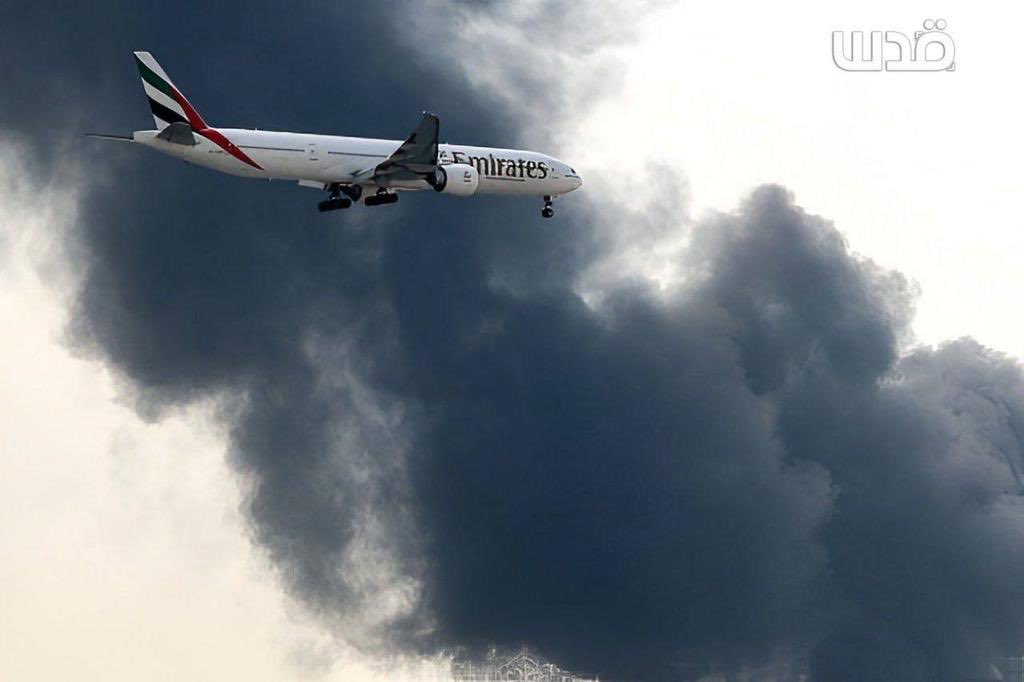
The UAE just closed its entire airspace. Not a runway. Not a terminal. The country’s airspace. All of it. The General Civil Aviation Authority called it an “exceptional precautionary measure” after UAE air defences engaged six Iranian ballistic missiles and 21 drones in a single day. A drone hit a fuel tank at Dubai International Airport yesterday. The busiest international aviation hub on Earth. Smoke across the city. Flights suspended. And now Emirates, Qatar Airways, Lufthansa, Air India, British Airways, United, Pegasus, Virgin Atlantic, IndiGo, and Wizz Air have all cancelled, suspended, or severely restricted routes to and from Dubai. Over 23,000 flights cancelled across the Middle East since late February. The reason most of these airlines are grounding routes is not the missiles themselves. It is the same force that closed the Strait of Hormuz to fertilizer vessels three weeks ago. Insurance. War-risk aviation premiums have repriced on the same actuarial logic as marine war risk. Solvency II capital buffers, already depleted by 26 months of Red Sea losses, cannot absorb correlated risk across both sea and air simultaneously. When insurers cannot underwrite the route, the route does not fly. When the route does not fly, the cargo does not move. When the cargo does not move, the supply chain fractures at a second altitude. The crisis just went three-dimensional. Hormuz closed the sea lanes. One-third of global seaborne fertilizer trade trapped. Twenty-three fertilizer vessels stranded in Gulf ports. Premiums surged from 0.25 percent to as high as 3 percent of hull value per transit. The $20 billion DFC sovereign reinsurance facility has zero confirmed fertilizer vessel utilization. Now the airspace is closing. Dubai is not just a passenger hub. It is a critical node for air cargo: pharmaceuticals, high-value agricultural inputs, electronics, spare parts for the logistics networks that move food from port to warehouse to shelf. Emirates SkyCargo alone handles over 2 million tonnes of freight annually. That capacity is now intermittent at best, suspended at worst, and repricing at rates that make marginal routes uneconomic. Iran did not need to build an air force that could challenge American fighters. It needed drones cheap enough to launch by the dozen and missiles numerous enough to force a sovereign nation to close its own skies. The cost asymmetry is staggering. A $10,000 drone forces the cancellation of commercial flights worth millions in revenue and cargo value. The actuarial mathematics do the rest. Insurers calculate. Airlines ground. Supply chains fracture. And the molecules that feed four billion people remain trapped behind a chokepoint that is no longer just a strait. It is an entire region rendered commercially uninsurable by sea and by air simultaneously. The coalition that was supposed to fix this does not exist. Germany refused. Japan declined. Australia declined. The US Navy is not yet ready for sea escorts, let alone providing the integrated air defence umbrella that would allow commercial aviation to normalize across Gulf airspace. Every hour the airspace stays closed compounds the sea closure. Pharmaceutical supplies to India deplete faster. Emergency food shipments to Egypt route longer. Agricultural input deliveries that might have moved by air cargo as a workaround for the sea blockade now have no workaround at all. The same formula closed the sea. The same formula is closing the sky. And between them, the spring planting calendar keeps counting down toward deadlines that neither actuaries nor air defences can extend. Full analysis: open.substack.com/pub/shanakaans…
Shanaka Anslem Perera ⚡ tweet media
Shanaka Anslem Perera ⚡@shanaka86

A drone struck a fuel tank at Dubai International Airport. The world’s busiest international hub. Flights temporarily suspended. Smoke visible across the city per live footage. ADNOC, the UAE’s national oil company, has shut in more than 50 percent of crude output. Fujairah loading halted. This is no longer a crisis contained to a 21-mile strait. Proxy forces attributed to Iranian-backed groups are now striking civilian energy and aviation infrastructure in a Gulf state that is not a direct belligerent in this conflict. The UAE did not conduct strikes in Operation Epic Fury. Yet it hosts Fertiglobe, one of the largest nitrogen fertilizer operations in the region at 6.6 million tonnes of annual capacity, whose entire export volume is now trapped behind a strait that is mined, uninsured, and unescorted. The ADNOC shut-ins are not the result of direct hits on oil facilities. They are the result of a Hormuz transit collapse so total that production without export capacity becomes a liability. When you cannot ship it, you stop pumping it. This is the escalation path that markets have not priced. The consensus assumption is that the Hormuz crisis is a transit problem. Reopen the strait, restart the flow. But what happens when the conflict expands beyond the chokepoint itself and begins striking the energy infrastructure of the Gulf states that sit behind it? The transit problem becomes a confidence problem. Even if the strait reopened tomorrow, would commercial operators trust that the facilities loading their cargo are safe from the next drone? Would insurers underwrite a vessel loading at Fujairah when a fuel tank at Dubai airport was struck this morning? Tehran does not need to match American airpower. What Iranian-backed forces are demonstrating is that asymmetric pressure on Gulf civilian infrastructure accomplishes three objectives simultaneously. It raises the cost of Gulf states hosting American operations. It undermines commercial confidence in the production and loading infrastructure that would restart exports. And it stretches US defensive resources across yet another front, from Baghdad embassies to Gulf fuel depots, further delaying the Hormuz escorts that remain the only pathway to restoring fertilizer flows. The US military is now defending personnel and facilities across Iraq, partner infrastructure in the Gulf, and its own carrier groups in the Arabian Sea. All while trying to assemble a multinational escort coalition that Germany formally refused today, Japan previously declined, and Australia has not joined. Washington is shouldering this burden largely alone against an adversary executing a multi-front resource-denial strategy with disciplined patience. Meanwhile the fertilizer arithmetic grows worse by the hour. One-third of global seaborne fertilizer trade passes through Hormuz per UNCTAD. Transit down 97 percent. Nearly 49 percent of traded urea tied to conflict-exposed Gulf exporters. Bangladesh has shut four to five of its six major urea factories. India is running plants at 60 percent capacity and has formally asked China for emergency urea. China has banned phosphate exports through August. Egypt faces $28 billion in debt repayments while feeding 69 million people on bread subsidies hemorrhaging at prices nobody budgeted. 318 million were at crisis-level hunger before February 28. The Corn Belt needs nitrogen by mid-April. India needs Kharif prep by May. Australia needs urea by June. Every drone that hits Gulf infrastructure is not just an act of aggression against a sovereign state. It is an extension of the same siege that is strangling the food system sustaining four billion people. The planting calendar does not distinguish between a blocked strait and a burning fuel depot. Both produce the same outcome: molecules that do not arrive in time. The window is not just closing because the strait is blocked. It is closing because the crisis is expanding beyond it. open.substack.com/pub/shanakaans…

English
57
566
1.3K
362.1K
Florian
Florian@djflore·
@MonicaLMarks The problem is the dichotomous extreme on both ends. So hard to find nuance.
English
0
0
2
306
Monica Marks
Monica Marks@MonicaLMarks·
The culture of genuflection & “everything is A-okay” can counterintuitively reinforce the Dubai Derangement Syndrome that flattens this city into a dehumanised 2-D cartoon. Low wage workers have been killed in these attacks. Many can’t afford the infinity pool, or a ticket home.
Jamie Smith@jamiebsmith

Today we continue suffering in the alleged war zone of Dubai at Aura Skypool the world’s highest 360° infinity pool. Pretty cool seeing the DXB departures taking off westbound before turning hard left and over the city currently.

English
11
9
102
15.2K