
Sabitlenmiş Tweet
Doc kel
160 posts
Doc kel
@docBenk12
My research and training is to make the world a better place for sick ones out there 🩻🩻😷🩺🩺🥼
[email protected] Katılım Temmuz 2010
1.2K Takip Edilen1.3K Takipçiler

@PlumberAlberta Ivermectin limits cancer cell migration and reduce blood vessel formation, while fenbendazole helps in interfering with cell division and promoting cancer cell death. Together they get rid of cancer cells hit me up to get them. @docBenk12
English

Have cancer rates just exploded since the vaccines or is it just me?
Everyone I know has at least one family member is dying of cancer.
What the actual fuck is going on.
My mom has been battle stage 4 pancreatic for the past 3-4 years now, she's a trooper, but wtaf.
English
@gracieback2 Yes, Ivermectin limits cancer cell migration and reduce blood vessel formation, while fenbendazole helps in interfering with cell division and promoting cancer cell death. Together they get rid of cancer cells hit me up to get them. @docBenk12 #cancer #ivermectin #febendazole
English


@liz_churchill10 @TerresaP82324 Ivermectin limits cancer cell migration and reduce blood vessel formation, while fenbendazole helps in interfering with cell division and promoting cancer cell death. Together they get rid of cancer cells hit me up to get them. @docBenk12
English

The Pharmaceutical Industrial Complex is going to MELT DOWN HARD…
Children’s Health Defense just EXPOSED THE SCAM…Ivermectin is CRUSHING cancer like chemotherapy NEVER could.
Nearly 200 patients.
Multiple cancer types.
84% POSITIVE OUTCOME.
English
@DianaT192 @georgeo1501 Ivermectin limits cancer cell migration and reduce blood vessel formation, while fenbendazole helps in interfering with cell division and promoting cancer cell death. Together they get rid of cancer cells hit me up to get them. @docBenk12
English

Another Dr says that cancer is parasites.
English
@DawnsMission Ivermectin limits cancer cell migration and reduce blood vessel formation, while fenbendazole helps in interfering with cell division and promoting cancer cell death. Together they get rid of cancer cells hit me up to get them. @docBenk12
English

REMARKABLE: Nearly HALF of cancer patients on Ivermectin + Mebendazole saw their cancer DISAPPEAR or tumors REGRESS after just 6 months.
☑️84.4% experienced clinical benefit
☑️32.8% No Evidence of Disease
☑️15.6% Tumor Regression
☑️36.1% Stable Disease
English
@NicHulscher @KeithB101264599 Ivermectin limits cancer cell migration and reduce blood vessel formation, while fenbendazole helps in interfering with cell division and promoting cancer cell death. Together they get rid of cancer cells hit me up to get them. @docBenk12
English

🚨NEARLY HALF OF CANCER PATIENTS TAKING IVERMECTIN + MEBENDAZOLE REPORTED CANCER DISAPPEARANCE OR TUMOR REGRESSION AFTER 6 MONTHS
84.4% EXPERIENCED CLINICAL BENEFIT
32.8% REPORTED NO EVIDENCE OF DISEASE
15.6% REPORTED TUMOR REGRESSION
36.1% REPORTED STABLE DISEASE
Our study represents the largest and most compelling clinical signal to date supporting antiparasitic therapy in cancer.
@McCulloughFund @twc_health @P_McCulloughMD @DrHarveyRisch @DrKellyVictory @jathorpmfm @drdrew @PeterGillooly @FosterCoulson
Nicolas Hulscher, MPH@NicHulscher
🚨BREAKING: Largest Real-World Study of Ivermectin + Mebendazole in Cancer Patients Shows 84.4% Clinical Benefit — Nearly HALF Report Cancer Disappearance or Tumor Regression After just 6 months, 48.4% of cancer patients taking ivermectin and mebendazole reported NO EVIDENCE OF DISEASE (32.8%) or tumor regression (15.6%), while 36.1% reported disease stabilization⬇️ We have completed the largest real-world human analysis to date evaluating ivermectin and mebendazole in cancer patients—and the results represent one of the most compelling clinical signals ever documented for repurposed anti-parasitic therapies in oncology. The groundbreaking analysis was made possible through a unique collaboration between The Wellness Company, the McCullough Foundation, and the Chairman of the President’s Cancer Panel (Dr. Harvey Risch)—uniting real-world clinical data, frontline medical experience, and high-level epidemiologic expertise to deliver urgently needed insights in oncology. This was a real-world prospective clinical program evaluation of 197 cancer patients, with 122 completing a follow-up survey at about six months (61.9% response rate). Cancer patients were prescribed compounded ivermectin–mebendazole, with each capsule containing 25 mg ivermectin and 250 mg mebendazole—most commonly taken at 1–2 capsules per day. The cohort represented a clinically relevant population, including a wide variety cancer types, with 37.1% of patients reporting actively progressing disease at baseline and many having already undergone chemotherapy, radiation, and surgery. At six months, 84.4% of cancer patients reported clinical benefit (Clinical Benefit Ratio: 84.4% [95% CI: 77.0–89.8%]): ✅ 32.8% reported no evidence of disease (95% CI: 25.1–41.5%) ✅ 15.6% reported tumor regression (95% CI: 10.2–23.0%) ✅ 36.1% reported stable disease (95% CI: 28.1–44.9%) Treatment adherence was high, with 86.9% completing the full protocol and 66.4% remaining on therapy at six months. The regimen was well tolerated, with 25.4% reporting side effects, primarily mild and gastrointestinal, and over 93% continuing treatment despite these events. Patients were treated in real-world conditions alongside concurrent therapies, including chemotherapy (27.9%), radiation (21.3%), surgery (19.7%), supplements (49.2%), and dietary modification (37.7%), supporting use as an adjunctive approach. Together, these findings represent a large, internally consistent real-world clinical signal that supports URGENT further investigation of ivermectin and mebendazole as low-toxicity, adjunctive cancer therapies. Given the strength of the signal observed here, advancing this line of investigation is no longer optional—it is necessary. This is NOT the end. We will continue advancing this work with larger datasets to further define and validate the role of anti-parasitics in cancer outcomes. The manuscript is now available as a preprint on the Zenodo research repository, operated by the European Organization for Nuclear Research, while undergoing peer review at leading oncology journals: “Real-World Clinical Outcomes of Ivermectin and Mebendazole in Cancer Patients: Results from a Prospective Observational Cohort.” @twc_health @McCulloughFund @P_McCulloughMD @DrHarveyRisch @DrKellyVictory @jathorpmfm @drdrew @PeterGillooly @FosterCoulson
English
@DianaT192 @Don_Nishant Ivermectin limits cancer cell migration and reduce blood vessel formation, while fenbendazole helps in interfering with cell division and promoting cancer cell death. Together they get rid of cancer cells hit me up to get them. @docBenk12
English
CANCER HAS BEEN CURED!!
There are several cures.
🛑
Ivermectin & Fenbendazole cure cancer.
Pass it on.
BREAKING NEWS: First-in-the-World Ivermectin, Mebendazole and Fenbendazole Protocol in Cancer has been peer-reviewed and published on Sep.19, 2024!
The future of Cancer Treatment starts NOW.
My thanks to lead authors Ilyes Baghli and Pierrick Martinez for their incredible inspired work, FLCCC’s Dr.Paul Marik for his extensive work on repurposed drugs and every co-author who worked hard to bring this paper to life.
I hope that this peer-reviewed paper lays the groundwork for a brand new future for Cancer Treatment.
Many of you know that I have been helping thousands of Cancer patients with high dose Ivermectin, Mebendazole, and Fenbendazole

English
@KhanSaba1278 Ivermectin limits cancer cell migration and reduce blood vessel formation, while fenbendazole helps in interfering with cell division and promoting cancer cell death. Together they get rid of cancer cells hit me up to get them. @docBenk12
English

@NicHulscher Ivermectin limits cancer cell migration and reduce blood vessel formation, while fenbendazole helps in interfering with cell division and promoting cancer cell death. Together they get rid of cancer cells hit me up to get them. @docBenk12
English
🚨BREAKING: Largest Real-World Study of Ivermectin + Mebendazole in Cancer Patients Shows 84.4% Clinical Benefit — Nearly HALF Report Cancer Disappearance or Tumor Regression
After just 6 months, 48.4% of cancer patients taking ivermectin and mebendazole reported NO EVIDENCE OF DISEASE (32.8%) or tumor regression (15.6%), while 36.1% reported disease stabilization⬇️
We have completed the largest real-world human analysis to date evaluating ivermectin and mebendazole in cancer patients—and the results represent one of the most compelling clinical signals ever documented for repurposed anti-parasitic therapies in oncology.
The groundbreaking analysis was made possible through a unique collaboration between The Wellness Company, the McCullough Foundation, and the Chairman of the President’s Cancer Panel (Dr. Harvey Risch)—uniting real-world clinical data, frontline medical experience, and high-level epidemiologic expertise to deliver urgently needed insights in oncology.
This was a real-world prospective clinical program evaluation of 197 cancer patients, with 122 completing a follow-up survey at about six months (61.9% response rate).
Cancer patients were prescribed compounded ivermectin–mebendazole, with each capsule containing 25 mg ivermectin and 250 mg mebendazole—most commonly taken at 1–2 capsules per day.
The cohort represented a clinically relevant population, including a wide variety cancer types, with 37.1% of patients reporting actively progressing disease at baseline and many having already undergone chemotherapy, radiation, and surgery.
At six months, 84.4% of cancer patients reported clinical benefit (Clinical Benefit Ratio: 84.4% [95% CI: 77.0–89.8%]):
✅ 32.8% reported no evidence of disease (95% CI: 25.1–41.5%)
✅ 15.6% reported tumor regression (95% CI: 10.2–23.0%)
✅ 36.1% reported stable disease (95% CI: 28.1–44.9%)
Treatment adherence was high, with 86.9% completing the full protocol and 66.4% remaining on therapy at six months.
The regimen was well tolerated, with 25.4% reporting side effects, primarily mild and gastrointestinal, and over 93% continuing treatment despite these events.
Patients were treated in real-world conditions alongside concurrent therapies, including chemotherapy (27.9%), radiation (21.3%), surgery (19.7%), supplements (49.2%), and dietary modification (37.7%), supporting use as an adjunctive approach.
Together, these findings represent a large, internally consistent real-world clinical signal that supports URGENT further investigation of ivermectin and mebendazole as low-toxicity, adjunctive cancer therapies.
Given the strength of the signal observed here, advancing this line of investigation is no longer optional—it is necessary.
This is NOT the end. We will continue advancing this work with larger datasets to further define and validate the role of anti-parasitics in cancer outcomes.
The manuscript is now available as a preprint on the Zenodo research repository, operated by the European Organization for Nuclear Research, while undergoing peer review at leading oncology journals: “Real-World Clinical Outcomes of Ivermectin and Mebendazole in Cancer Patients: Results from a Prospective Observational Cohort.”
@twc_health @McCulloughFund @P_McCulloughMD @DrHarveyRisch @DrKellyVictory @jathorpmfm @drdrew @PeterGillooly @FosterCoulson

Nicolas Hulscher, MPH@NicHulscher
We are about to publish the LARGEST human ivermectin-cancer study ever conducted. After 6 months, many patients reported their cancer was GONE. HUNDREDS of preclinical studies have shown anti-parasitics attack tumors via 12 distinct mechanisms across more than 12 cancer types.
English
@SecKennedy @DrOzCMS Ivermectin limits cancer cell migration and reduce blood vessel formation, while fenbendazole helps in interfering with cell division and promoting cancer cell death. Together they get rid of cancer cells hit me up to get them. @docBenk12
English

Hospital food is notoriously appalling; So why do we serve it to patients who are trying to recover?
@DrOzCMS and I are changing that system, by telling hospitals across the nation to serve REAL FOOD and remove the ultra-processed junk. Thank you, FL Agriculture Commissioner @WiltonSimpson and @Nicklaus4Kids President & CEO Matthew A. Love for leading by example in Miami.
English
Doc kel retweetledi

In 2013, an 82-year-old woman in Colombia entered an emergency room with what she believed was a severe abdominal illness. Doctors, seeing her condition, initially feared a "large, aggressive tumor," a diagnosis that would have meant a difficult road ahead. But as the imaging results flickered to life, the room fell into a stunned, "frozen silence". What they saw was not a disease, but a "bit of beauty" from the depths of medical mystery: a perfectly preserved, calcified fetus that had been cradled within her for over 40 years.
This phenomenon, known as a lithopedion or "stone baby," is one of the rarest sights in all of human history, with fewer than 300 cases ever documented. It began four decades earlier during an ectopic pregnancy that could not be naturally absorbed. In a breathtaking display of the "human spirit" at a biological level, her body realized it could not remove the remains. To protect her life from infection, her immune system performed a silent miracle—it began to encase the fetus in a protective layer of calcium, turning a moment of loss into an "unbreakable spirit" of survival.
For forty years, this woman lived a full, healthy, "day-to-day" life, completely unaware that she was carrying a tiny, eternal passenger. Her body had created a shield, a "light of hope" that allowed her to thrive despite a past tragedy. This story serves as a profound "History in Picture" of the lengths our bodies will go to to keep us safe, transforming a silent sorrow into a calcified miracle that stayed by her side until the very end. It is a hauntingly beautiful reminder that even in the face of what seems impossible, there is a hidden strength within us all that is truly departed loved ones—honoring the life that was, while protecting the life that remains.

English
@ShiningScience Those living with cancer ivermectin works more on inhibiting cancer cell migration and blood vessel growth, while fenbendazole targets the cell division process and destroys them, so they both play a crucial role in treating cancerous growths, hit me up to get them.
English

Recent in vitro oncology studies have observed a significant reduction in specific malignant squamous cell carcinomas when exposed to high concentrations of Mentha piperita extracts. This finding underscores the growing scientific interest in isolating potent botanical compounds for targeted therapeutic applications.
Researchers note that achieving the active threshold of 200 micrograms per milliliter required for cellular disruption is currently only viable in controlled laboratory environments. Translating this localized toxicity into a systemic human treatment without simultaneously harming healthy tissue remains a significant bioengineering hurdle.
The primary mechanism of action appears to be related to the induction of apoptosis, a biological process where compromised structures are triggered to safely self-destruct. Analyzing these naturally occurring chemical triggers helps pharmacologists design synthetic drugs that can mimic or enhance these powerful defensive effects.
Historically utilized for gastrointestinal soothing and topical analgesia, this familiar herb contains dense concentrations of menthol and rosmarinic acid. Modern spectroscopic analysis allows scientists to understand exactly how these complex molecules interact with aggressively mutating tissue at a microscopic structural level.
While simply ingesting or applying concentrated extracts at home cannot replicate these specific clinical results, this research opens new avenues for future adjunct therapies. Upcoming clinical trials will likely focus on safely encapsulating these active ingredients for precise, targeted delivery directly to localized tumor sites.
If scientists can successfully convert common herbs into safe and targeted medical treatments, which traditional plant remedy do you think they should investigate next?

English
@Symply_rhoda1 Ivermectin helps in limiting cancer cell movement and reducing blood vessel formation, while fenbendazole works by interfering with cell division and promoting cancer cell death. Together, they help target cancer cells.
I sourced both ivermectin and fenbendazole from @docBenk12
English

@DavidWolfe Ivermectin helps in limiting cancer cell movement and reducing blood vessel formation, while fenbendazole works by interfering with cell division and promoting cancer cell death. Together, they help target cancer cells.
Look up @docBenk12 for them
English


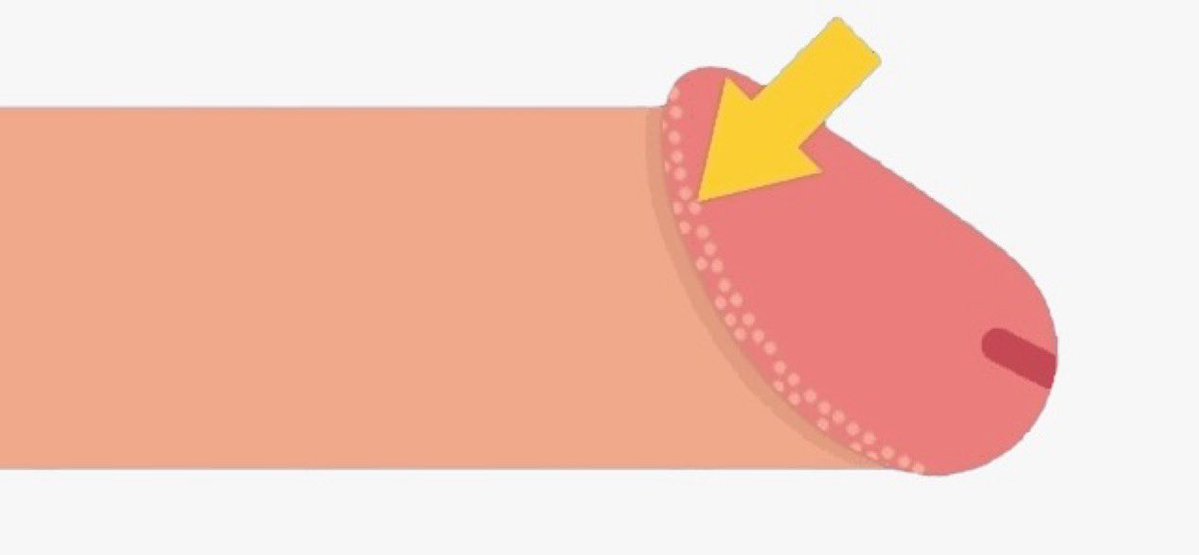
Think of PPP like having a particular fingerprint pattern, skin moles, or the shape of your earlobes it's simply how some men's anatomy develops during puberty. There's nothing you did to cause it, and nothing you could have done to prevent it. This is completely normal young men
English
@fascinatingonX ivermectin works more on inhibiting cancer cell migration and blood vessel growth, while fenbendazole targets the cell division process and destroys them, so they both play a crucial role in treating cancerous growths.
Hit me up to get them @docBenk12.
English

🚨BREAKING: The first preventive vaccine against lung cancer will be tested in humans this year.


English