JUNINGU
12 posts


JUNINGU
@dodarimedia
KOREA economy Youtuber(1.1M)
Seoul, korea Katılım Şubat 2022
52 Takip Edilen35 Takipçiler

If you’re in Korea and want to work on chip design, fabrication or AI software, join Tesla!
Tesla AI@Tesla_AI
We’re hiring AI chip design engineers in Korea
English
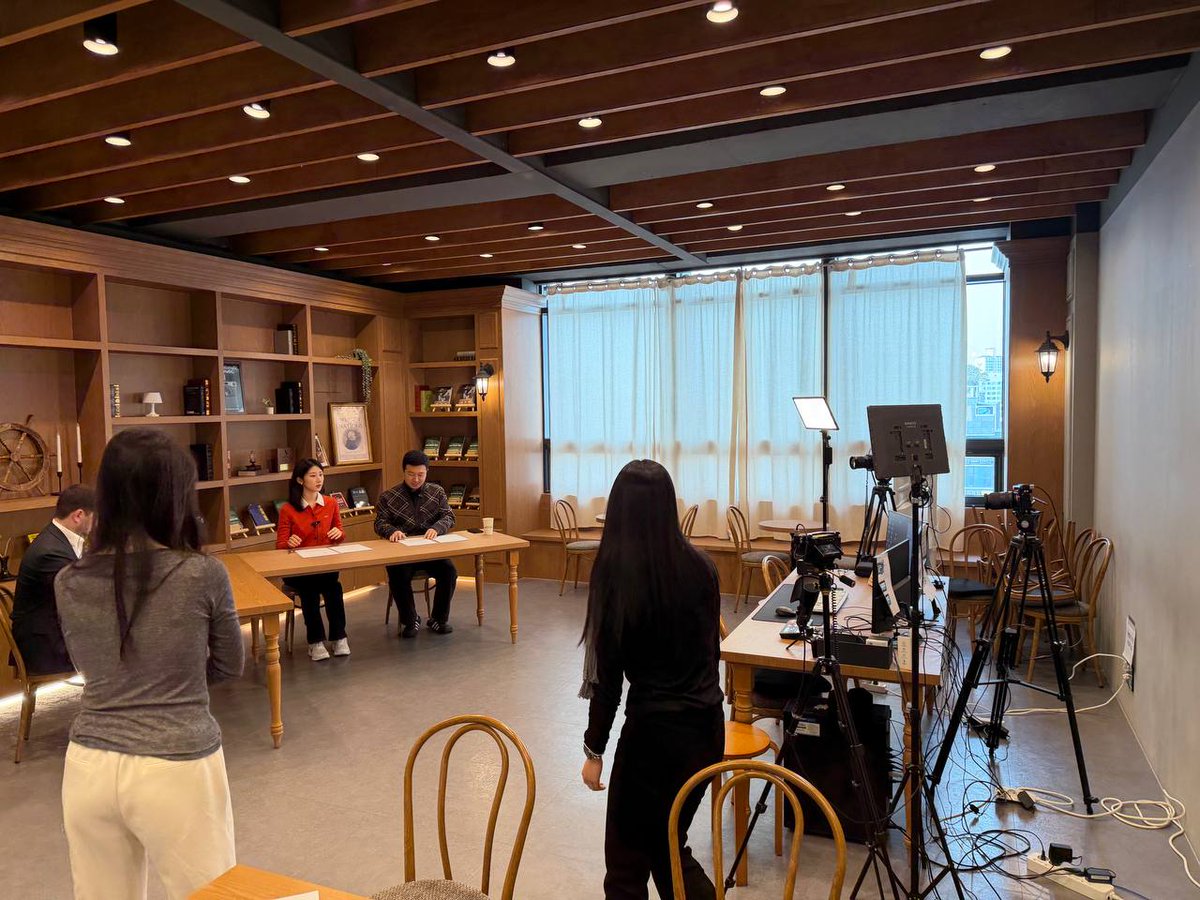
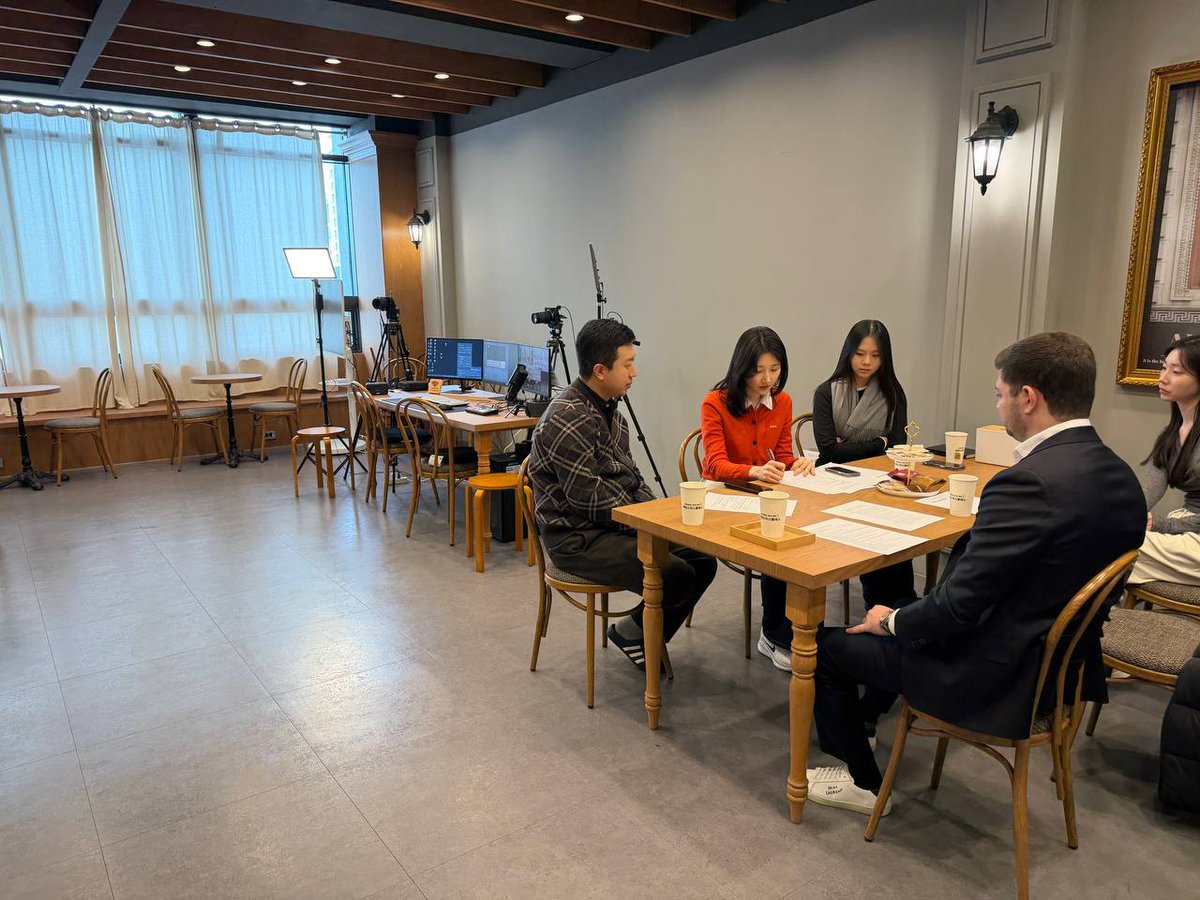
We interviewed Justin, Executive Director of SEI, the 70th largest blockchain company in the world by market capitalization. To truly understand blockchain, it's crucial to hear directly from its CEOs and executives about their understanding of the technology and how they're preparing for the future. I'd like to thank Justin for flying all the way from the United States to Korea.
#SEI #Blockchain


Seocho-gu, Republic of Korea 🇰🇷 English
I was invited to the IONQ Analyst Day at the New York Stock Exchange. I heard about the future of quantum computing and AI, and that world-changing technologies are just around the corner. I'm investing in major changes in the world.
#IONQ #ANALIST #NEWYORK #QuantumComputing


English
오세요!
KBW2026@kbwofficial
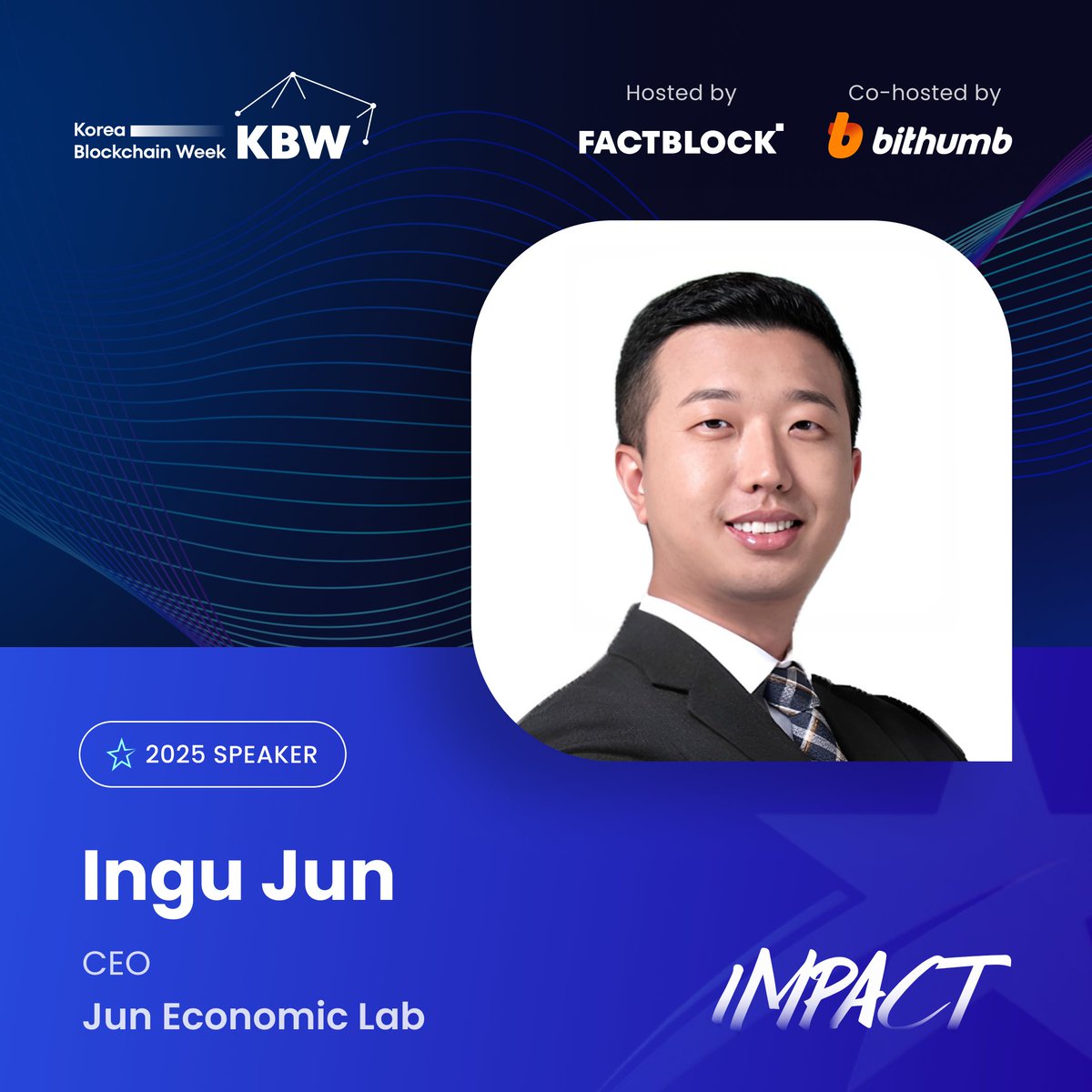
Welcome @dodarimedia, CEO of Jun Economic Lab, to his first #KBW2025: IMPACT appearance! Ingu is reshaping the economic narrative around digital assets in Korea through independent research and bold analysis! 📍Sept 23–24 | Walkerhill, Seoul 🎟 tickets.koreablockchainweek.com #KBW #KoreaBlockchainWeek #Web3 #Crypto
한국어
JUNINGU retweetledi

Welcome @dodarimedia, CEO of Jun Economic Lab, to his first #KBW2025: IMPACT appearance!
Ingu is reshaping the economic narrative around digital assets in Korea through independent research and bold analysis!
📍Sept 23–24 | Walkerhill, Seoul
🎟 tickets.koreablockchainweek.com
#KBW #KoreaBlockchainWeek #Web3 #Crypto
English
If a trade war prolongs or escalates to a level that causes real damage to the economy, the consequences could be severe. Even a universal tariff of 10% could harm the real economy. The biggest issue with rising tariffs is that producers reduce output, and consumers cut back on spending. Conversely, lowering tariffs encourages producers to increase production and consumers to spend more. With lower prices, production expands, allowing people to enjoy material abundance at a lower cost. Thanks to low tariffs, consumer markets grow, and businesses can maximize profits through investments, leading to significant material benefits from large-scale investments. However, with higher tariffs, corporate investment is likely to decline.
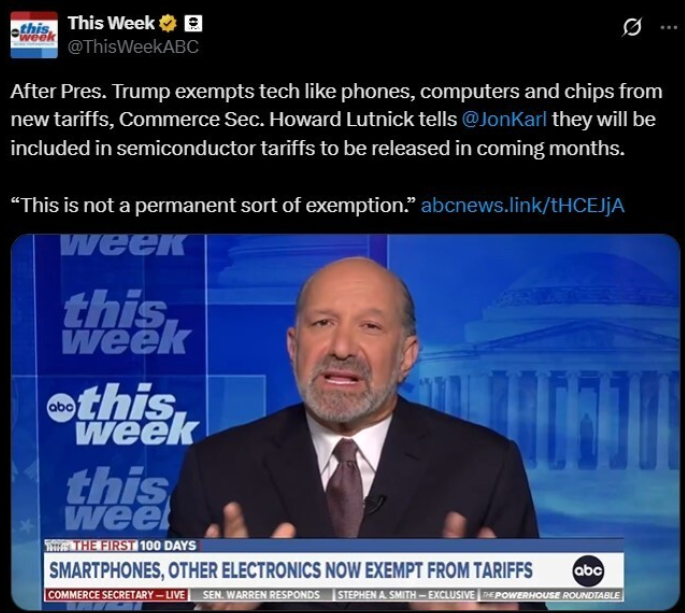
As seen in the recent electronics incident, raising tariffs doesn’t provide many alternatives. Even imposing a 20% tariff on Chinese electronics leaves no viable substitute to meet current demand at that price. As a result, electronics prices rise, and in the short term—potentially for months—there could be shortages as businesses struggle to find alternative suppliers.
Whether it’s scenario 1 or 2, the outcome is the same: product prices rise, and goods become scarce. The economic logic that falling demand leads to lower prices no longer holds. Instead, with both demand and supply shrinking, prices rise, resembling a stagflation-like situation.
If a stagflation-like phenomenon occurs as described in scenario 3, both the Producer Price Index (PPI) and Consumer Price Index (CPI) would spike, making Federal Reserve rate cuts unimaginable. Typically, when financial institutions, corporations, or governments cause crises, central banks respond with rate cuts and liquidity injections. In this case, neither option is viable. Like Paul Volcker’s era, the Fed might even need to raise rates.
The U.S. experienced stagflation in the 1970s, which weakened the country. To recover, it pressed Japan through the Plaza Accord, offshored manufacturing to Asia, fostered China’s growth, secured control over oil, and maintained the dollar’s dominance. If stagflation returns, the U.S. could weaken again. To prevent a dollar collapse, the U.S. might engage in a currency war to bolster the dollar, orchestrate economic collapse in other nations, or weaken China and the EU more than itself. Meanwhile, China could see this as an opportunity to surpass the U.S.
If China thinks this way, it won’t back down in a trade war. Instead, it will push harder and take concrete actions to damage the U.S. economy. While many expect China to collapse first, in extreme hardship, which system—socialism or democracy—can better sustain its political structure? In a dogfight, too many variables make the outcome unpredictable.
If scenarios 1 through 6 unfold, the stock market won’t hold up. It would be a path to a self-inflicted Great Depression, but not everyone believes it will come to this. It would be economic suicide.

English

SEMICONDUCTOR, ELECTRONIC TARIFFS WILL COME IN A MONTH OR SO, LUTNICK SAYS
English
WHITE HOUSE OFFICIAL: TRUMP WILL ISSUE A SECTION 232 STUDY ON SEMICONDUCTORS SOON
WHITE HOUSE OFFICIAL: TRUMP HAS STATED THAT AUTOS, STEEL, PHARMACEUTICALS, CHIPS, AND OTHER SPECIFIC MATERIALS WILL BE INCLUDED IN SPECIFIC TARIFFS TO ENSURE TARIFFS ARE APPLIED FAIRLY AND EFFECTIVELY
English