
Sabitlenmiş Tweet
DP MATH
13.6K posts

DP MATH
@DP_math
DPCDSB Math Team supporting mathematics education for ALL learners #dpmath #DPMathItUp #DPMathology #dpmathUP #DPBeeBot #DPrekenrek
Region of Peel Katılım Kasım 2013
1.1K Takip Edilen3.8K Takipçiler

DP MATH retweetledi

In case you've been wondering what all the buzz is about.

English
DP MATH retweetledi

DP MATH retweetledi

Students identify whether their cards contain multiples of a given factor using a 2-80 numbered deck. oise.utoronto.ca/robertson/less…
English
DP MATH retweetledi

💡Interpreting remainders is an abstract concept, but manipulatives help make the learning more concrete and meaningful! 👀
English
DP MATH retweetledi

🍯 Did you know? Each beehive can produce around 20 kg of honey per year.
Behind every jar of honey is the work of thousands of honey bees, supporting livelihoods, agrifood systems and biodiversity.
🐝 fao.org/world-bee-day/
#WorldBeeDay #SavetheBees

English
DP MATH retweetledi

DP MATH retweetledi


DP MATH retweetledi

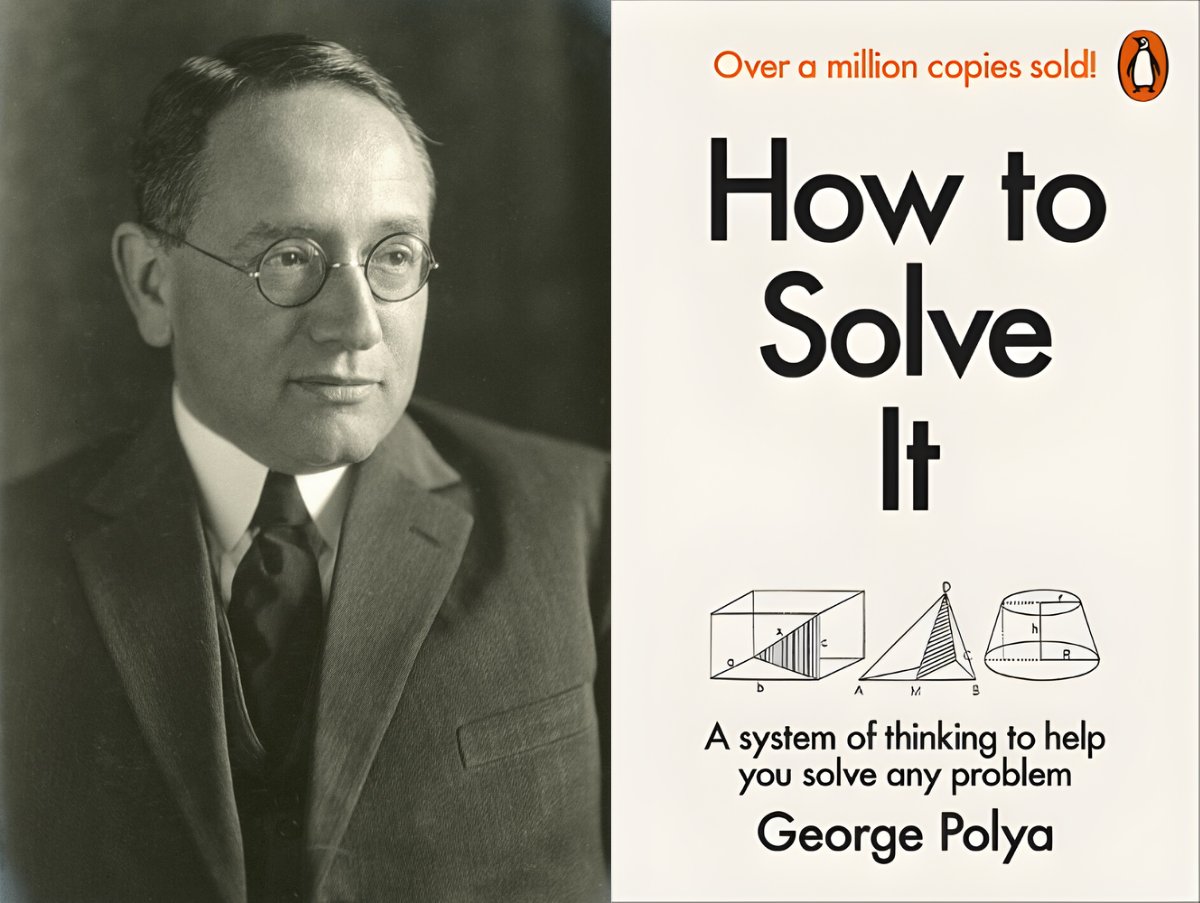
A Stanford mathematician spent 40 years watching brilliant students fail at hard problems.
Not because they were stupid.
Because nobody taught them what to do before they started solving.
His name is George Pólya.
His 1945 book has sold over a million copies and never gone out of print.
Marvin Minsky, the man who built the first neural network machine at MIT, said publicly that everyone should read it.
Most people have never heard of it.
The failure Pólya watched repeat itself for four decades was always the same.
A problem appears. The student feels anxiety. They immediately start calculating.
Not because calculating was the right move. Because it felt better than sitting with not knowing.
The calculation was almost always wrong.
Not from lack of skill. From lack of understanding what was actually being asked.
He called it the most neglected step in all of problem solving.
Step one is to understand the problem. Not skim it. Not assume you've seen something similar. Actually understand it.
His filter was one question: can you restate the problem in your own words without looking at it?
If you can't, you haven't understood it. You've only read it.
Most people skip this and spend hours stuck on a problem they never actually understood.
Step two is to make a plan. Not execute. Plan.
The pattern Pólya saw in every successful problem solver was the same. When something feels impossible, find a simpler version and solve that first.
Not because the simpler version is the goal. Because it gives you a method you can carry back.
He phrased it once with precision: if you cannot solve the proposed problem, try to solve a related one.
That question alone is worth more than most problem-solving courses ever taught.
Step three is to execute. Everyone thinks this is the whole game.
It is the third of four steps. Pólya spent the least time on it because it is the most obvious. Once you understand and have a plan, execution is mostly patience.
Step four is the one almost nobody does.
Look back.
Not to check the arithmetic. To ask: can I verify this with a different method? Can I use this method somewhere else? What would I do differently?
This is where the real learning lives.
Every expert Pólya studied had this habit. Every struggling student skipped from the answer to the next question, carrying nothing forward, starting from zero every single time.
His deepest insight was not a technique. It was a diagnosis.
Intelligent people feel bad at problem solving because they confuse reading a problem with understanding it. They confuse starting to work with having a method. They confuse getting an answer with having learned anything.
These are not the same things.
The students who get genuinely good at hard problems are not the ones who practice more.
They are the ones who slow down at the two moments every instinct tells them to rush.
The beginning and the end.
The problem was almost never as hard as it looked.
They just hadn't understood it yet.
English
DP MATH retweetledi

The Education Quality and Accountability Office (EQAO) offers free live webinars to help families understand how students' learning is assessed in Ontario. Join these sessions to learn how to better support your child in areas like reading and math: dpcdsb.org/download/559783
English
DP MATH retweetledi

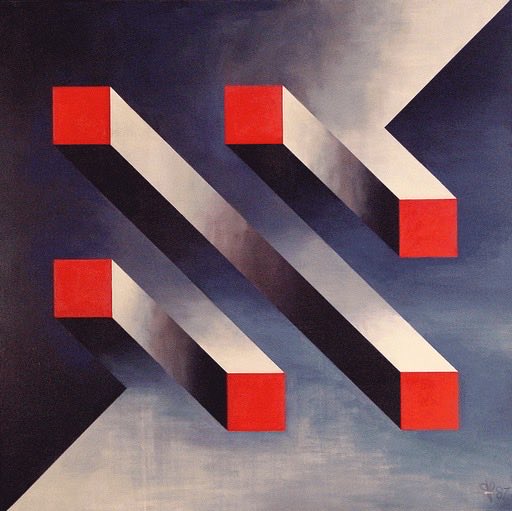
Dirk Huizer, Figuras Imposibles. 1982.
Acrylic on canvas.
English
DP MATH retweetledi

DP MATH retweetledi
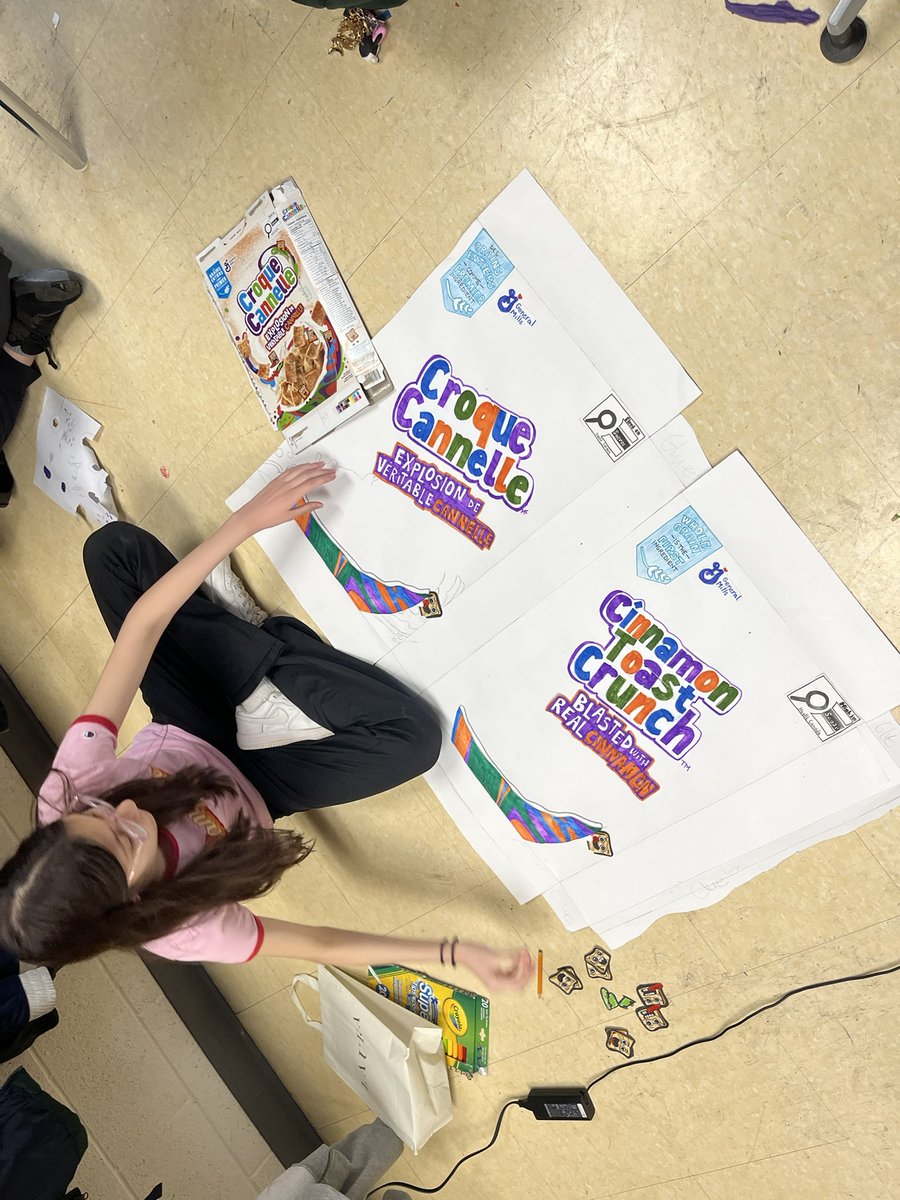
In this small group card game, students identify and communicate the names of different shapes by describing their geometric properties. oise.utoronto.ca/robertson/less…
English
DP MATH retweetledi

DP MATH retweetledi


DP MATH retweetledi

DP MATH retweetledi
Children work their spatial reasoning and multiplication facts of 2,5, and 10 to create rectangles and squares using the multiplication mania game board. oise.utoronto.ca/robertson/less…
English
DP MATH retweetledi
DP MATH retweetledi

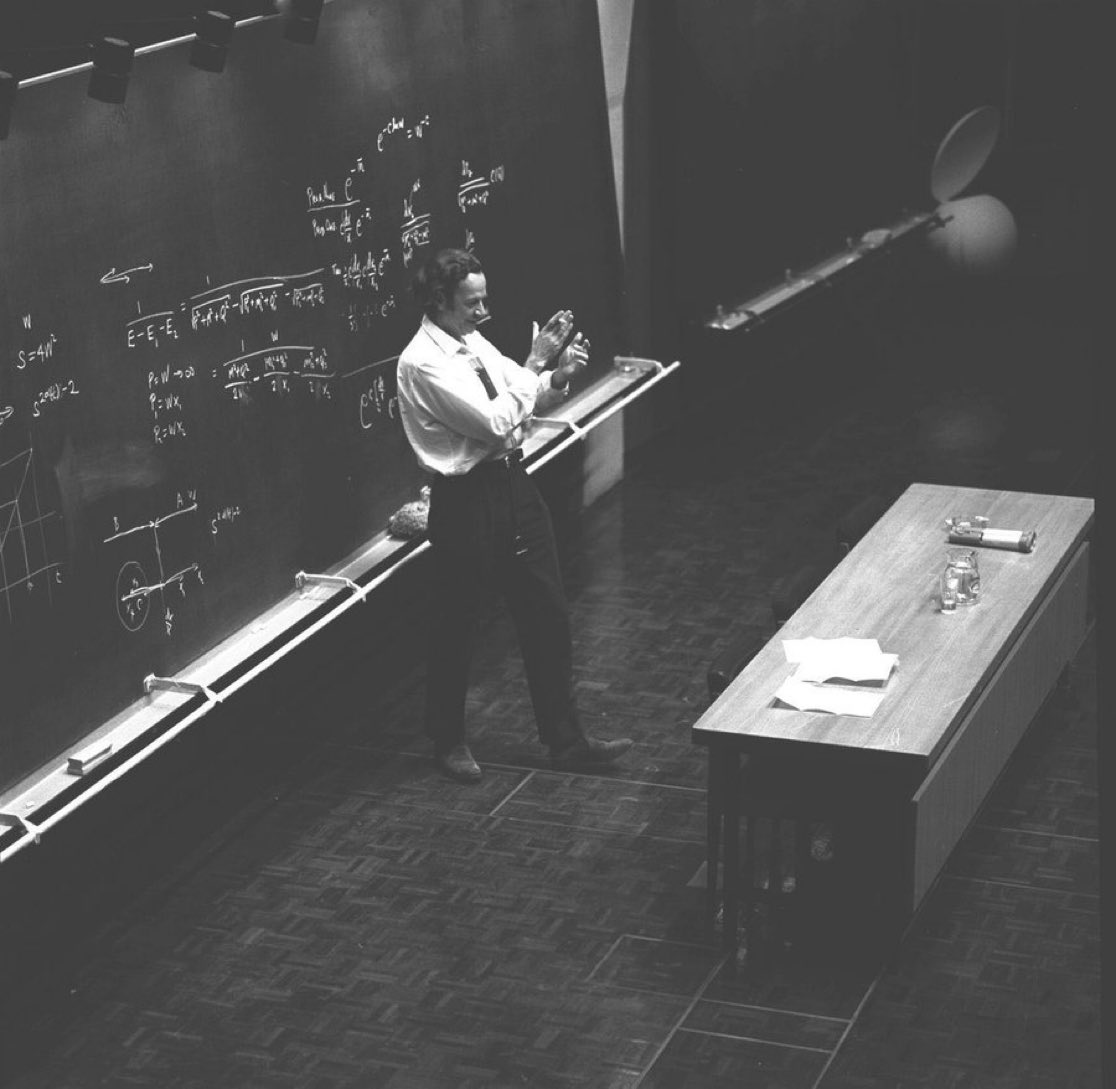
Understand. Don't memorize.
Learn principles, not formulas.
- R. Feynman
English
DP MATH retweetledi
💡Let's conceptually explore even and odd numbers with three different manipulatives!
1️⃣ Two-Color Counters
2️⃣ Cuisenaire® Rods
3️⃣ Rekenrek
English
DP MATH retweetledi
👀 Ready to make math thinking visible? Our new Bar Models app can be used to represent word problems, fractions, decimals, and so much more! 🧠
English