
Fiester 🇨🇺 retweetledi

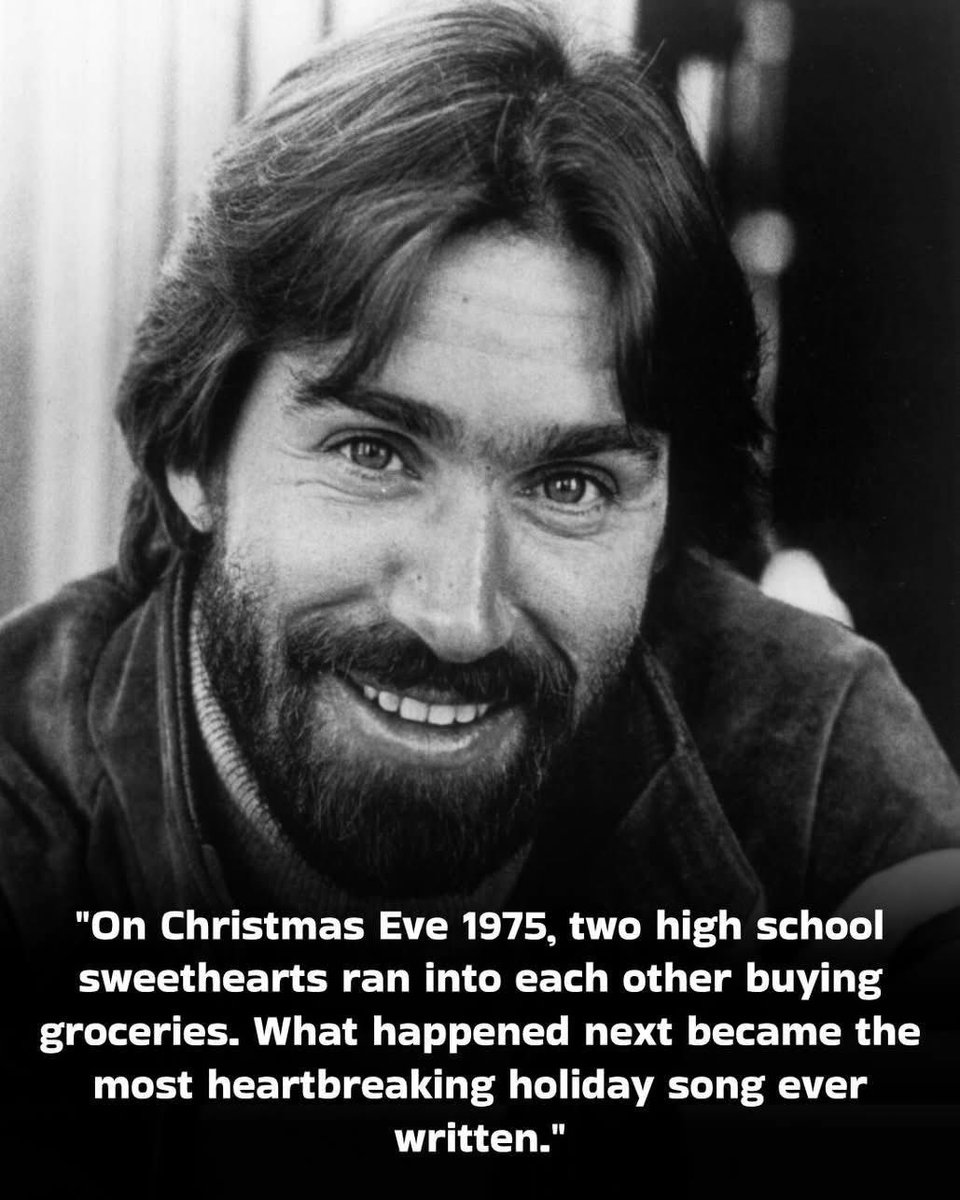
On Christmas Eve 1975, two high school sweethearts ran into each other buying groceries. What happened next became the most heartbreaking holiday song ever written.
His name was Dan Fogelberg.
He'd grown up in Peoria, Illinois, the son of a musician and bandleader. After graduating from Woodruff High School in 1969, Dan left for Colorado to chase a dream of making music. He was talented, driven, and deeply romantic in the way only songwriters can be.
Back in Peoria, a girl named Jill Anderson had been part of that same graduating class. She and Dan had dated on and off through high school. He used to write poetry and share it with her. He called her "Sweet Jilleen Green Eyes"—a nickname he made up by twisting a Crosby, Stills and Nash song title.
After graduation, they went to different colleges and drifted apart the way young people do. She married, moved to Chicago, and became a flight attendant for TWA. He headed west and started building a music career.
Their lives moved in completely different directions. Neither had spoken to the other in years.
Then came Christmas Eve, 1975.
Dan was home visiting his family for the holidays. His parents wanted to make Irish coffees, so they sent him out to find whipping cream.
A few blocks away, Jill was also home visiting her family. Her mother asked her to run out and pick up eggnog.
It was late on Christmas Eve. Almost everything was closed. The only store still open was a small convenience store at the top of Abington Hill, at the corner of Frye Avenue and Prospect Road.
They both ended up there at the same time.
Jill didn't recognize him at first. When she did, she went to hug him and spilled her entire purse across the floor.
They laughed until they cried.
Standing in that tiny store on the coldest night of the year, they were suddenly nineteen again—back in the hallways of Woodruff High, back before life had pulled them in opposite directions.
They wanted to sit down somewhere and talk, so they tried to find a bar. But nothing was open. It was Christmas Eve.
So they did the only thing they could.
They bought a six-pack of beer, climbed into her car, and sat in the parking lot for two hours in the freezing cold, catching up on six years of living.
They talked about everything. Her marriage. His music. The distance between who they used to be and who they'd become. She told him things about her life. He told her things about his. They toasted old memories and tried to make sense of new ones.
And when the beer was gone and the words ran out, she gave him a kiss as he got out of the car. He stood in the cold and watched her drive away into the falling snow.
That was it. No dramatic promises. No plans to meet again.
Just two people who had once meant the world to each other, sharing a quiet moment before returning to the lives they'd chosen.
Five years later, Dan Fogelberg sat down and wrote every detail of that night into a song.
He called it "Same Old Lang Syne."
He changed only two things: He made Jill's eyes blue instead of green because it rhymed better with the melody. And he made her husband an architect instead of what he actually was—a physical education teacher.
Everything else was exactly as it happened. The convenience store. The spilled purse. The six-pack in the cold car. The kiss. The snow.
The song was released in 1980. It climbed to number nine on the Billboard Hot 100 and became a holiday staple almost immediately.
Radio stations began playing it every December alongside traditional Christmas songs. Not because it was about Christmas exactly, but because it captured something no other holiday song ever had:
The quiet ache of going home and realizing that home has changed, and so have you. The bittersweet weight of sitting with someone you once loved and feeling the distance of all the years between then and now.
The first time Jill heard the song, she was driving to her job at TWA before dawn. It was still dark outside.
English