Sabitlenmiş Tweet

Gustavo
11.9K posts


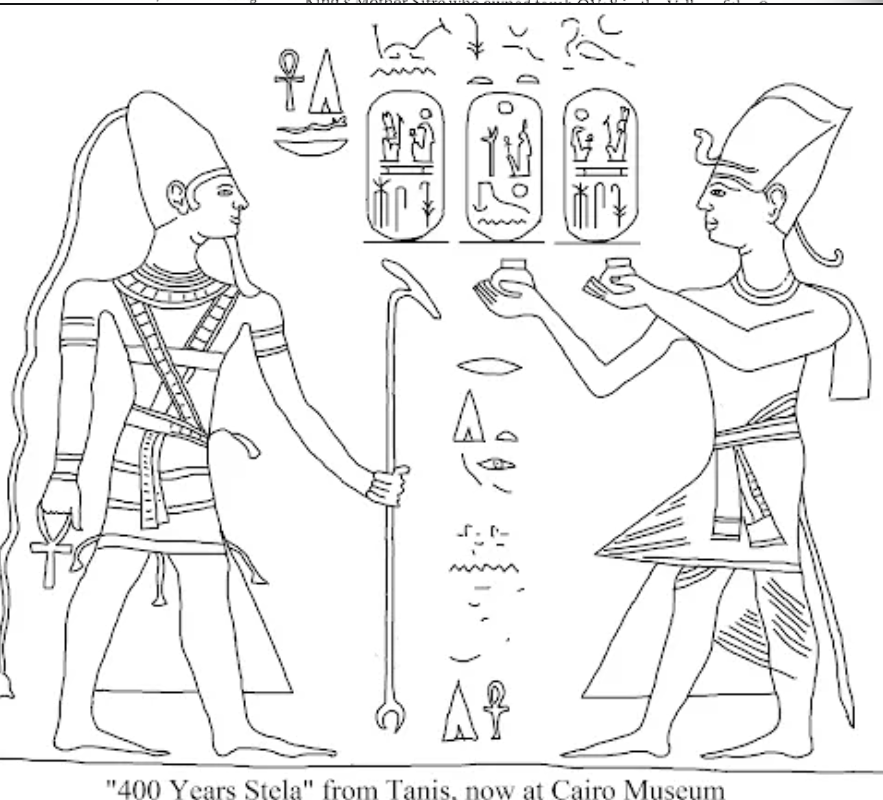

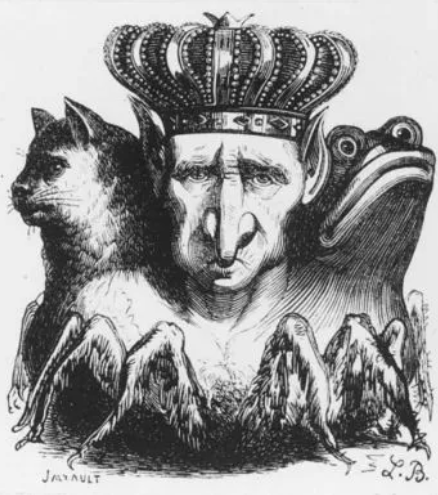
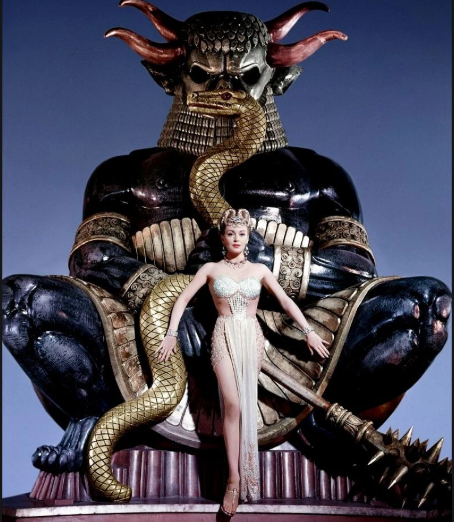
“Baal” is one of the “demons” that Caŧholic exorcists like Fr Chad Ripperger claim to have wrestled with. According to Ripperger, Baal belongs to a group of high-ranking spirits he referred to as the Five Generals of Hell. But who actually is Baal? Where did the story begin? The historical record tells a far less dramatic story. Ba'al did not begin as a horned ruler of infernal realms. The word baal simply meant “lord,” “master,” or even “husband” in ancient Semitic languages and was often used as a title rather than a personal name. Various cultures of the ancient Near East applied the title to different deities. The Baal most people encounter in the Bible was asociated with Canaanite religion and linked to storms, fertility, rain, and agricultural cycles. For ancient people dependent upon crops and seasons, Baal represented life, abundance, and survival itself. This creates an interesting tension in modern demonology. Many exorcists present named demonic hierarchies as ancient spiritual realities stretching back to the beginning, yet Baal appears less like a timeless infernal general and more like a figure whose identity changed over time. Lord became rival. Rival became idol. Idol gradually became demon. This reveals something deeper about the evolution of belief itself. Throughout history, gods of one culture often became demons in another. The transformation says as much about religious conflict and human storytelling as it does about the supernatural. So when modern exorcists speak confidently of infernal generals and hidden hierarchies of hell, they may sometimes be presenting layered mythology as settled fact. Baal may not be proof of hell's organizational chart. He may instead be proof that yesterday's god can become tomorrow's demon.


“Nörobilime göre zekânın en yüksek biçimi, metakognisyondur: Kendi düşüncen hakkında düşünme yeteneği.”






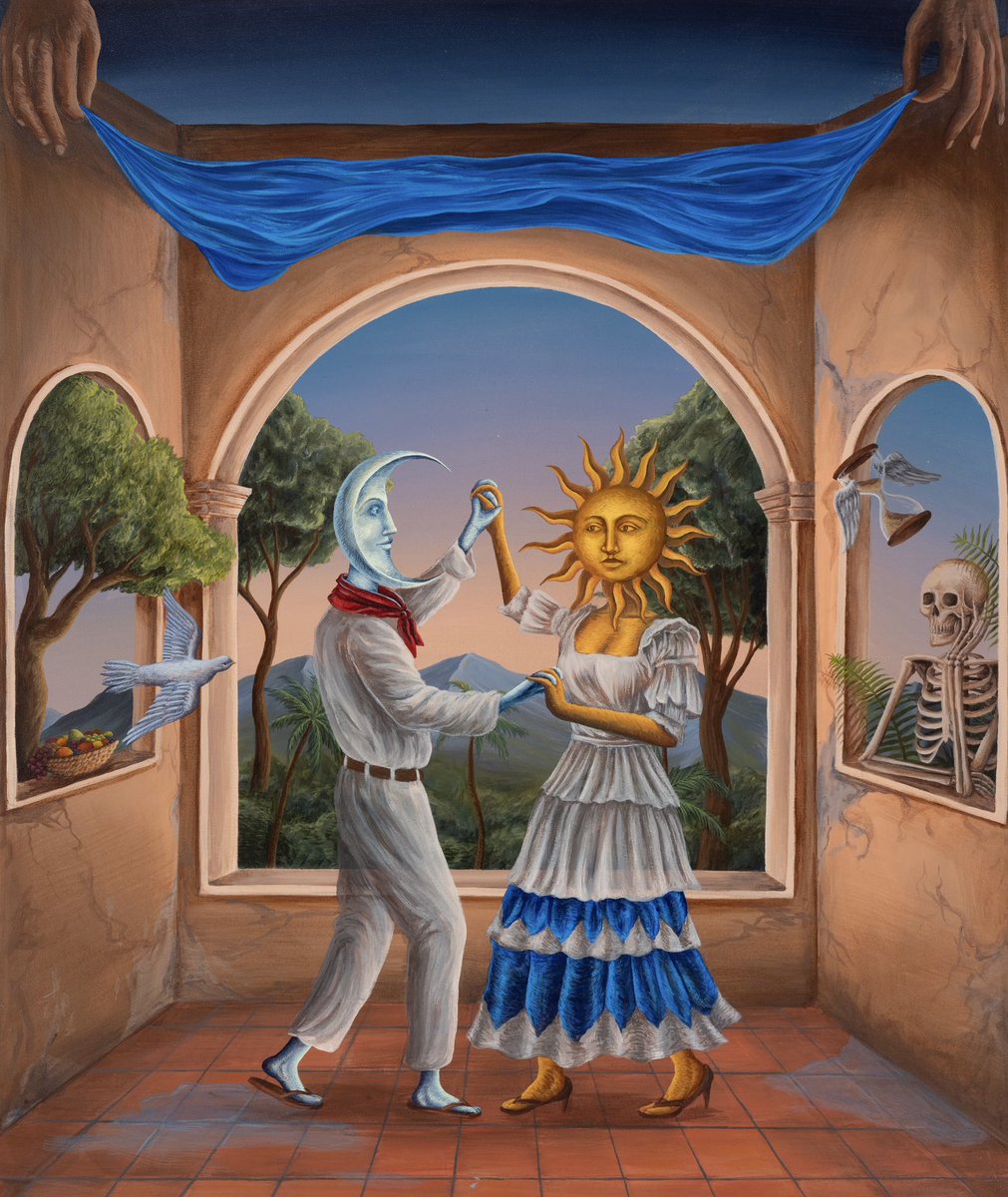
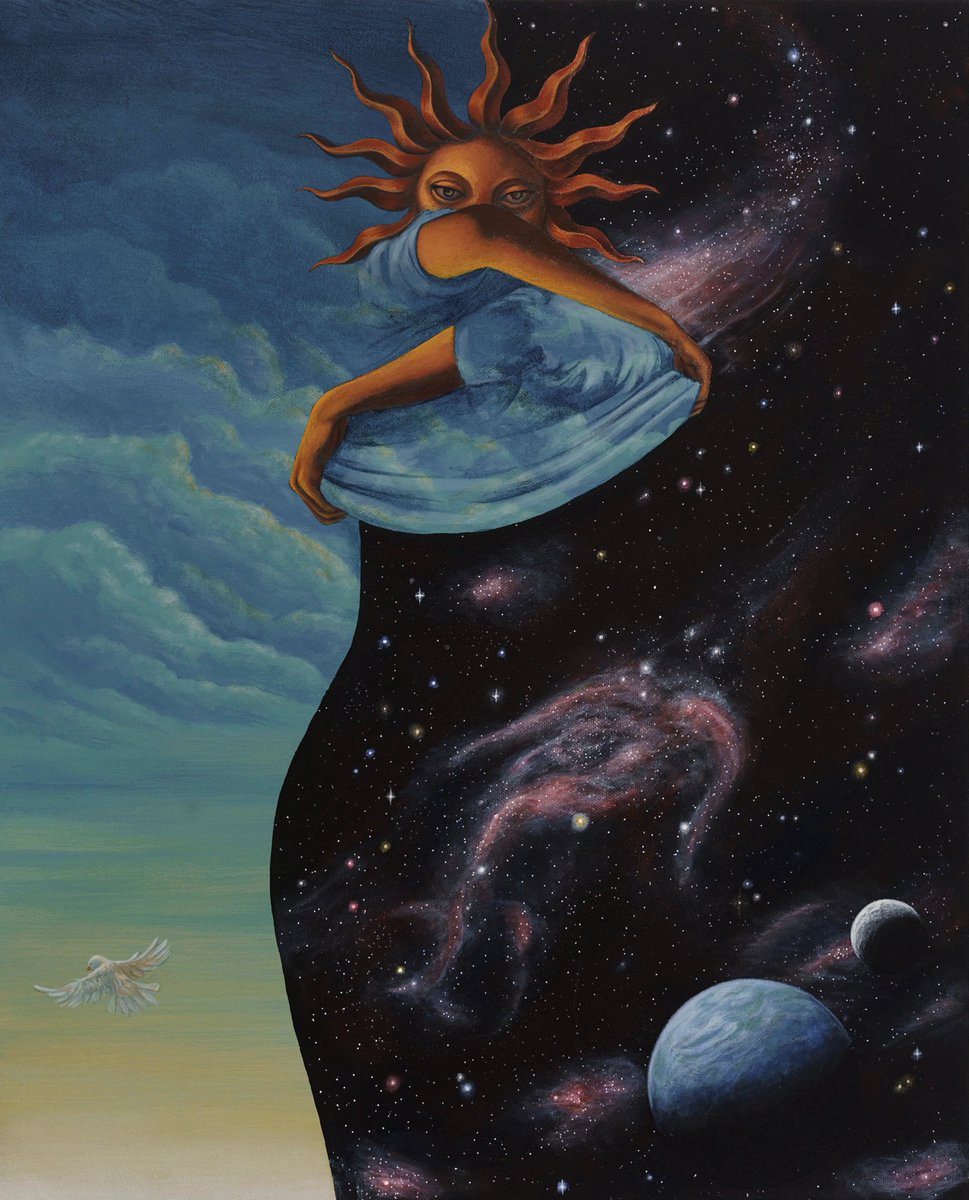
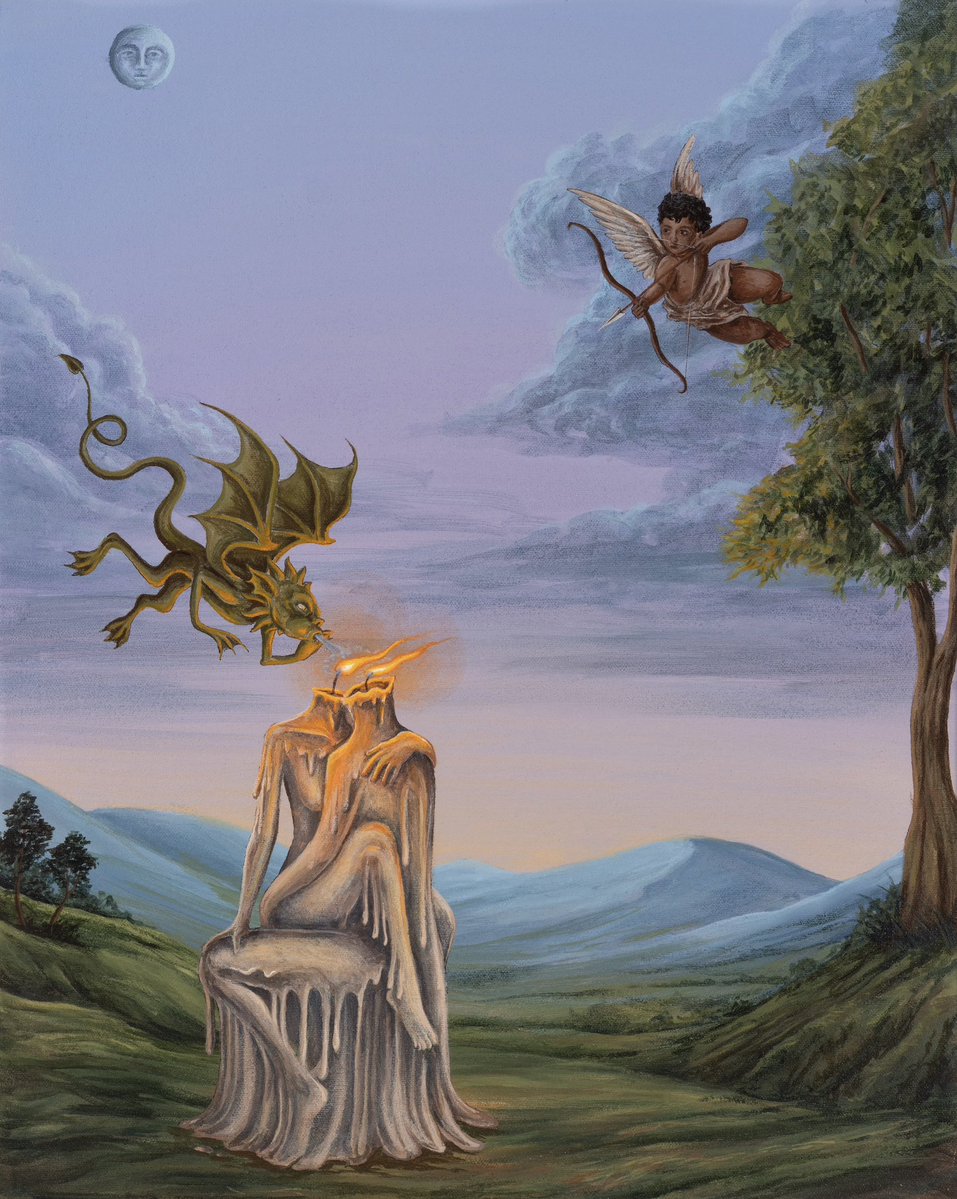
No AI. I made these using pen and markers in vellum paper and too much coffee🧍♂️