
Duncan Chanda retweetledi

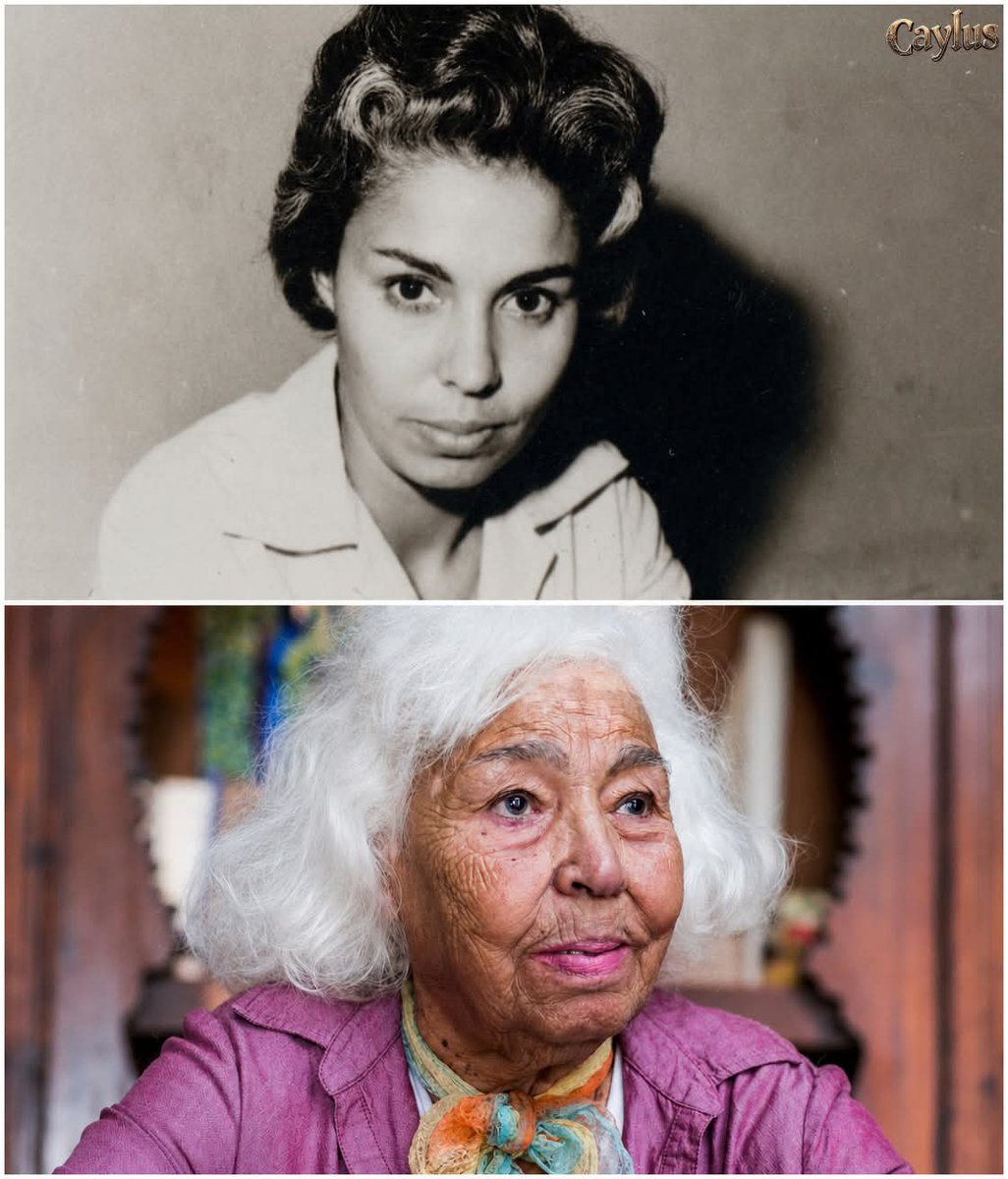
A little girl born in a tiny Egyptian village in 1931 was told from the moment she could understand words that she was less than a boy.
Her grandmother said it bluntly: one boy was worth at least fifteen girls. Most children would have absorbed those words quietly. The little girl listening carried them like a challenge.
Her name was Nawal El Saadawi.
And she would spend nearly ninety years proving an entire system wrong.
When Nawal was six years old, the women in her own family held her down and subjected her to female genital mutilation. The pain never disappeared. Neither did the memory. But instead of silencing her, it lit a fire that would shape the rest of her life.
By the age of ten, her family had already arranged a husband for her. Suitors visited. Decisions were made around her as if she were invisible.
So Nawal fought back with the only weapon a child possessed: cleverness.
She slipped into the kitchen, grabbed a raw eggplant, and chewed it until dark juice stained her teeth black. When the groom’s family arrived, she greeted them with the widest smile she could manage.
They left immediately.
The marriage collapsed on the spot.
That small rebellion bought her time, and Nawal used every second of it.
Her father believed his daughters deserved education just as much as his sons. Nawal read endlessly, wrote her first novel at thirteen, and decided she would become a doctor.
In 1955, she graduated from Cairo University’s Faculty of Medicine.
Then she returned to rural Egypt as a physician and witnessed horrors she could no longer ignore — women dying from mutilation, women trapped in violent marriages, women whose suffering was treated as ordinary.
In 1969, she published Women and Sex, openly attacking female genital mutilation and the control imposed on women’s bodies. Egyptian authorities reacted viciously. She lost her government position. Her journal was shut down. Her books were banned.
They wanted silence.
Nawal answered with more writing.
In 1975, she released Woman at Point Zero, inspired by a woman she met in prison while working as a psychiatrist. The novel became one of the most important works in Arab feminist literature.
Then, in 1981, under Anwar Sadat, Nawal herself was imprisoned during a crackdown on intellectuals and critics.
Authorities confiscated her pen and paper.
So she wrote secretly on toilet paper with a smuggled eyebrow pencil.
Those pages became Memoirs from the Women’s Prison, later translated into more than forty languages.
After her release, she founded Egypt’s first independent feminist organization, survived censorship, exile, and death threats, and eventually wrote over fifty books read around the world.
Then, at seventy-three years old, she announced she would run for president against Hosni Mubarak.
She knew she would not win.
That was never the point.
The point was to stand in public and declare that women belonged everywhere power existed.
Nawal El Saadawi died in 2021, but the words she once scratched onto prison toilet paper still travel across generations.
She was told she was worth less than a boy.
She answered by becoming something far more dangerous to the world that tried to diminish her — a woman nobody could silence.
English