Gilberto Duran-Bishop

289 posts

Gilberto Duran-Bishop

Gilberto Duran-Bishop

@duran_bishop

BSc in Genomic Sciences, @lcgunam. PhD in biochemistry, UdeM, IRCM

Katılım Şubat 2021
354 Takip Edilen168 Takipçiler
Gilberto Duran-Bishop retweetledi
Martin Pera
Martin Pera@martinperaJAX·
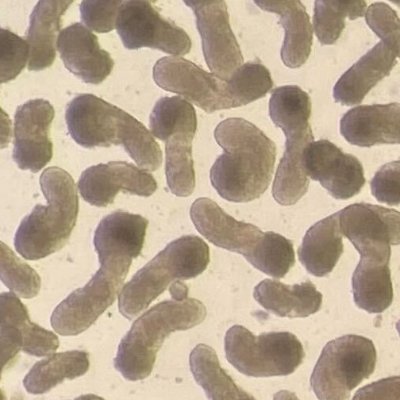
Garge, R.K., Lynch, V., Fields, R. et al. The proteomic landscape and temporal dynamics of human and mouse gastruloid development. Nat Cell Biol 28, 1015–1030 (2026). doi.org/10.1038/s41556…
English
0
6
23
2.1K
Gilberto Duran-Bishop retweetledi
Prof. Nikolai Slavov
Prof. Nikolai Slavov@slavov_n·
Single-cell proteomics illuminated new mechanisms of mammalian development. We found that spatially polarized protein distributions and intracellular protein gradients emerge during the earliest stages of mammalian embryogenesis and help bias subsequent cell fate decisions. Critically, these developmental mechanisms are not reflected in mRNA abundance: the key biology resides in the spatial organization, abundance, and asymmetric localization of proteins within and between cells. The results show that early developmental patterning is associated with polarized localization of specific proteins and coordinated proteomic asymmetries across blastomeres, linking protein organization directly to lineage specification. These findings support a model in which cell fate in the mammalian embryo is not determined solely by stochastic transcriptional programs, but is strongly shaped by inherited and dynamically regulated protein states that establish developmental competence before overt differentiation: cell.com/cell/fulltext/… Our results depended critically on single-cell proteomics analysis, on direct measurement of the molecular effectors that execute developmental decisions — capturing gradients, localization, stoichiometry, and post-transcriptional regulation. The future of developmental biology will depend increasingly on quantitative single-cell protein measurements capable of resolving the molecular architecture of cell fate determination: doi.org/10.1242/dev.20…
Prof. Nikolai Slavov tweet media
English
3
37
168
24.1K
Gilberto Duran-Bishop retweetledi
Fabian Theis
Fabian Theis@fabian_theis·
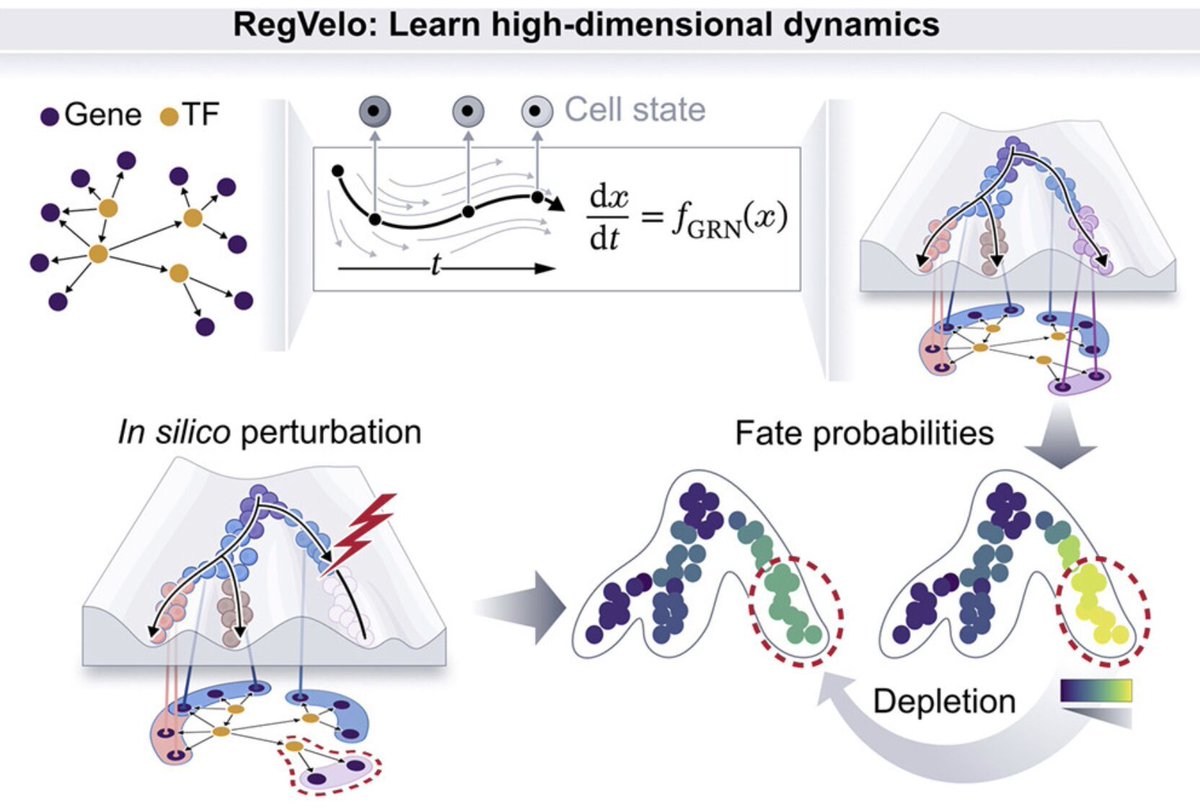
Excited to share our RegVelo paper in Cell cell.com/cell/fulltext/… We unify RNA velocity + GRNs into one model → better OOD prediction of perturbations (e.g. gene KOs), with examples incl. neural crest KO predictions 🔬 Big thanks to W Wang, Z Hu & T Sauka-Spengler 🙏
Fabian Theis tweet media
English
7
107
450
35.3K
Gilberto Duran-Bishop retweetledi
Molecular Cell
Molecular Cell@MolecularCell·
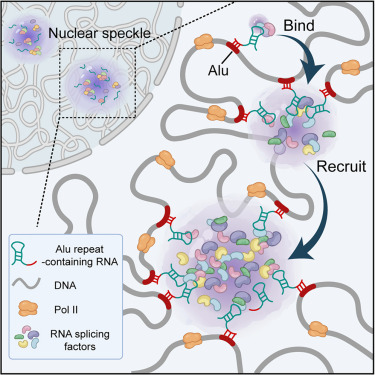
Online Now: Alu repeat-containing RNAs spatially organize actively transcribed genomic regions around nuclear speckles dlvr.it/TS8WyV
Molecular Cell tweet media
English
1
72
313
22.7K
Gilberto Duran-Bishop retweetledi
Martin Pera
Martin Pera@martinperaJAX·
Sun, S., Zheng, Y., Kim, Y.S. et al. A transgene-free, human peri-gastrulation embryo model presents trilaminar embryonic disc-, amnion- and yolk sac-like structures. Nat Cell Biol (2026). doi.org/10.1038/s41556…
English
0
12
41
3.3K
Gilberto Duran-Bishop retweetledi
Nature Methods
Nature Methods@naturemethods·
Predictive virtual embryo models integrate single-cell and spatial data with AI, offering a tool for modeling mammalian embryogenesis across scales, as discussed in this Comment. nature.com/articles/s4159…
English
0
18
90
12.1K
Gilberto Duran-Bishop retweetledi
William J. Greenleaf
William J. Greenleaf@WJGreenleaf·
Our Human Multiomic Development Atlas paper is out in Nature today! A heart-felt "thank you" to all co-authors for their tireless work on this complex yet exciting project! Congrats all! nature.com/articles/s4158…
English
6
99
356
22.2K
Gilberto Duran-Bishop retweetledi
Nature Methods
Nature Methods@naturemethods·
stVCR models and reconstructs single-cell dynamics of cell differentiation, proliferation and migration from time-series spatial transcriptome data. nature.com/articles/s4159…
English
0
12
38
4.7K
Gilberto Duran-Bishop retweetledi
Micah G. Allen
Micah G. Allen@micahgallen·
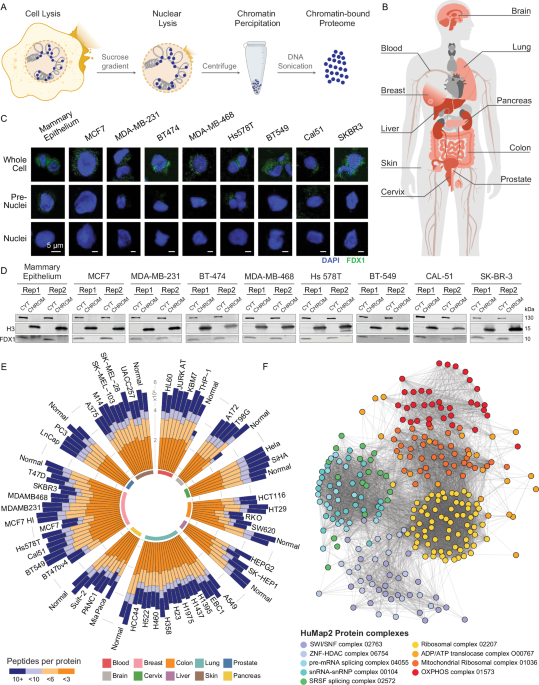
A recent study in Nature Communications reveals over 250 metabolic enzymes located directly on chromatin, a discovery that vastly expands the previously known count of only about 20. nature.com/articles/s4146…
Micah G. Allen tweet media
English
4
110
342
23.8K
Gilberto Duran-Bishop retweetledi
Martin Pera
Martin Pera@martinperaJAX·
Tam, T.T.K.K., Xu, S., Li, Y. et al. Amniogenesis in embryos and stem cell models. Nat Cell Biol (2026). doi.org/10.1038/s41556…
English

0
6
15
1.5K
Gilberto Duran-Bishop retweetledi
Jorge Bravo Abad
Jorge Bravo Abad@bravo_abad·
AlphaGenome: Decoding the dark matter of the genome with a unified deep learning model More than 98% of human genetic variation lies outside protein-coding regions. These "non-coding" variants can disrupt gene regulation in remarkably diverse ways: altering chromatin accessibility, shifting 3D genome architecture, modifying splicing, or changing expression levels—often in tissue-specific patterns. Yet existing computational models face a fundamental trade-off: either they capture long-range regulatory interactions (like distant enhancers) but blur fine-scale features, or they achieve nucleotide resolution but miss distal context. And most specialize in a single modality, leaving users to stitch together predictions from many separate tools. Žiga Avsec and coauthors at Google DeepMind present AlphaGenome, a model that sidesteps these trade-offs. It takes 1 megabase of DNA as input and predicts ~6,000 genome tracks—spanning gene expression, splicing (sites, usage, and junctions), chromatin accessibility, histone modifications, transcription factor binding, and 3D contact maps—at up to single-base-pair resolution. The architecture combines a U-Net backbone with transformer blocks: convolutions capture local motifs essential for splice sites and TF footprints, while transformers model long-range dependencies like enhancer–promoter interactions. Training uses a two-stage approach—pretraining on experimental data followed by distillation from an ensemble of teachers using mutationally perturbed sequences—yielding a single model that scores variants across all modalities in one pass. The results are striking: AlphaGenome achieves state-of-the-art performance on 25 of 26 variant effect prediction benchmarks, including a 25% improvement in predicting eQTL direction over the previous best model. It outperforms specialized models on their own tasks—beating SpliceAI-class methods on 6 of 7 splicing benchmarks and ChromBPNet on accessibility QTLs. Critically, the multimodal outputs enable mechanistic interpretation: for oncogenic mutations near the TAL1 gene in T-cell leukemia, AlphaGenome simultaneously predicts neo-enhancer formation (increased H3K27ac), chromatin opening, and elevated gene expression—recapitulating experimentally validated mechanisms. This points toward a future where interpreting non-coding variation no longer requires assembling a patchwork of specialized models. A unified framework that jointly predicts molecular consequences across modalities could accelerate rare disease diagnostics, guide therapeutic oligonucleotide design, and help prioritize variants in GWAS loci—moving us closer to truly reading the regulatory code written in DNA. Paper: nature.com/articles/s4158…
Jorge Bravo Abad tweet media
English
6
108
475
28.5K
Gilberto Duran-Bishop retweetledi
Cell
Cell@CellCellPress·
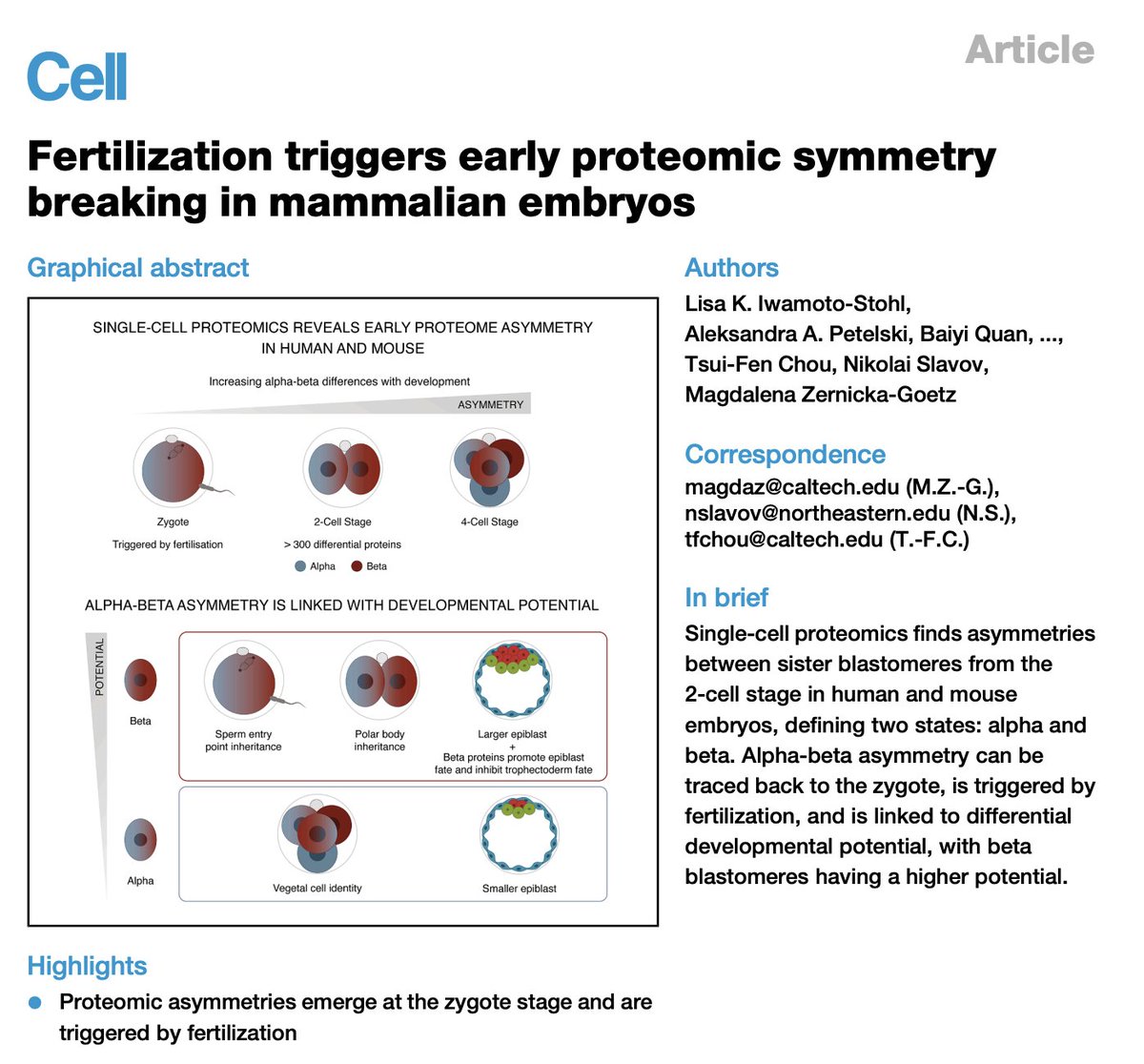
In the latest issue! Fertilization triggers early proteomic symmetry breaking in mammalian embryos dlvr.it/TQ32qF
English
0
24
93
15.4K
Gilberto Duran-Bishop retweetledi
Magdalena Zernicka-Goetz
Magdalena Zernicka-Goetz@ZernickaGoetz·
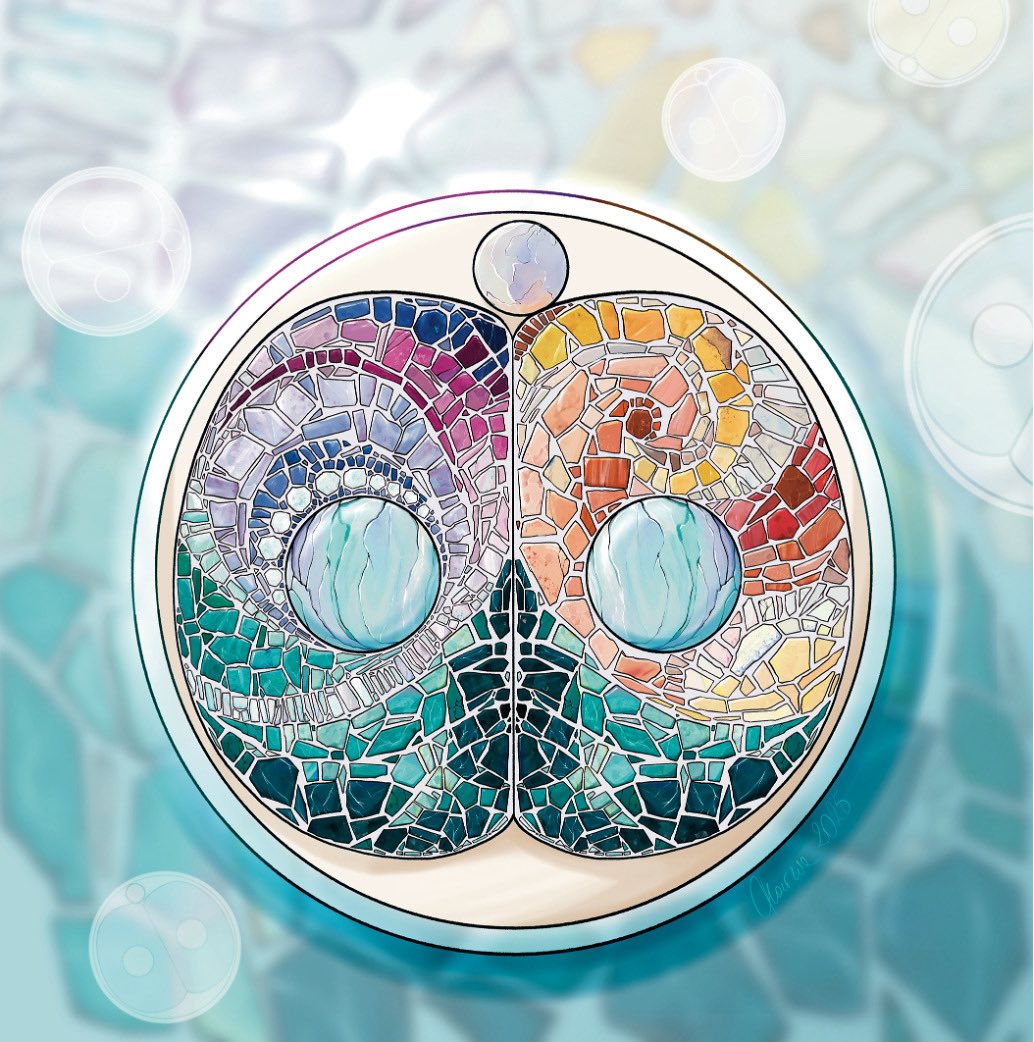
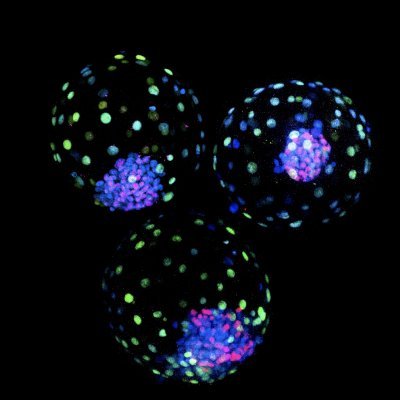
We are delighted to share our latest paper in Cell (Cell Press) reporting the earliest known symmetry breaking in mammalian development — at the zygote stage. We show fertilization triggers reproducible proteomic asymmetries that already bias the embryo’s very first decisions.
Magdalena Zernicka-Goetz tweet media
English
3
14
52
2.5K
Gilberto Duran-Bishop retweetledi
Martin Pera
Martin Pera@martinperaJAX·
A 3D in vitro model for studying human implantation and implantation failure: Cell cell.com/cell/fulltext/…
English
0
13
58
3.3K
Gilberto Duran-Bishop retweetledi
Jun Wu Lab
Jun Wu Lab@leo_jwu·
Excited to share our new study uncovering and overcoming the molecular drivers of interspecies PSC competition to improve human chimerism in animals. Big congratulations to first authors Yingying, Hai-xian, and Saku, and to our collaborators! cell.com/cell/fulltext/…
English
6
17
62
6.4K