𝕯 retweetledi
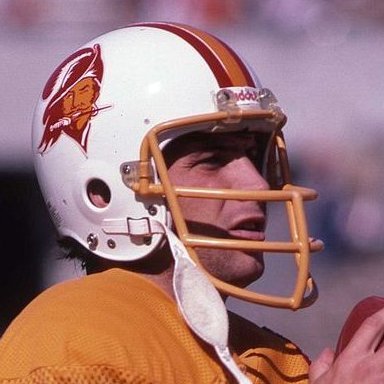
Best primary logo in the NFL belongs to ...
The Las Vegas Raiders.

English
𝕯
7.7K posts



What do you think of the new #UFCWhiteHouse fight kits?
A data center in Georgia used 30 million gallons of water illegally, and locals only noticed when their water pressure was abnormally low. The data center claimed it was an honest mistake, but locals were told by the town to conserve water while the data center kept running.

DDG goes on a HEATED rant reacting to AP’s new ‘Swatch’ collab and says he’s selling his watches because of it 😳 “As a customer I am pissed.. I can’t rock a AP like that no more”


2023: Corona ended 2026: Hantavirus

Overheard behind me while watching #H5N1 NAS workshop today: "You want to really make a pandemic, make hantavirus human transmissible"




23 Hantavirus Cruise passengers went home before WHO stepped in. tmz.me/cyGmvTX