
Sabitlenmiş Tweet
dweece
2.6K posts

dweece
@dweece
I create content and #hodl #bitcoin podcast host @m2m_pod
Katılım Kasım 2010
1.5K Takip Edilen6.6K Takipçiler


شكلي وأنا راجع للبيت وعلى علم أنه لن يكون هناك موعد ثاني مع الحبيبة، لكن على الأقل هي تعلم أن الدين الوطني الأمريكي يبلغ الآن 39 تريليون دولار، وأننا لن نتخلص من الاستبداد بالتصويت، وأن آلية إثبات العمل في البيتكوين تحل مشكلة الجنرالات البيزنطيين.
العربية
@TylerDurden Part of it is resentment, cuz deep down they assign some blame. Another is ur not getting the best of those populations either. Those ones stay behind, or assimilate seamlessly with proper posh accents. We call those chicken nuggets.
English

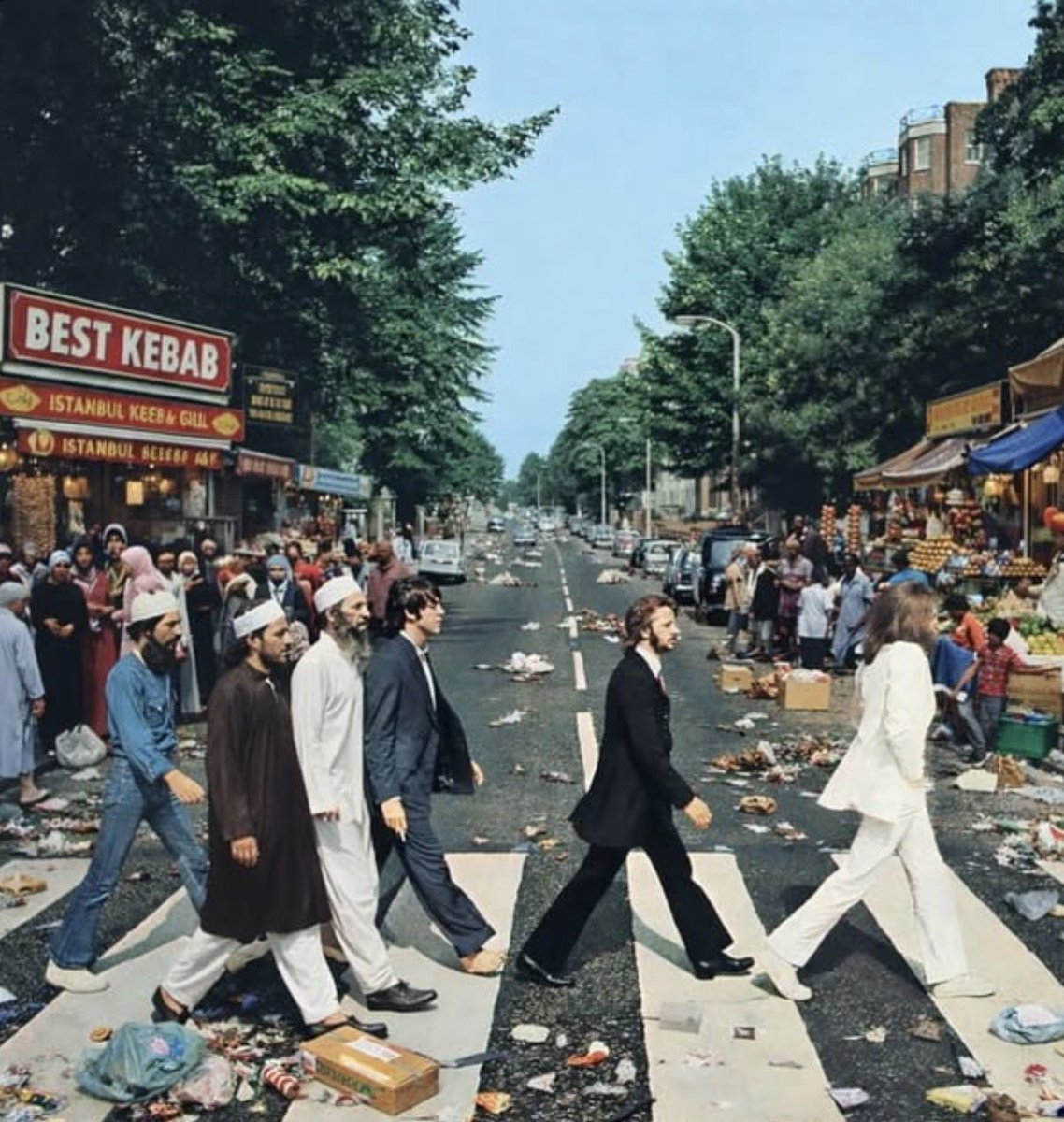
@TylerDurden 😂not aware of the trash problem. But my point is, majority won’t relocate and leave their homeland to go in search of a “better life” if their country wasn’t a a) bombed or b) vassal state drowning in IMF debt from western installed/ approved “leaders”.
English

It is 100% true that great men and women of the past were not sitting around moaning about their feelings. I regret nothing.
English
دفع #البيتكوين عبر تطبيق Cashu دون اتصال بالإنترنت من خلال تقنية NFC.
من جهاز أندرويد إلى آيفون، تم نقل 23 ساتوشي بشكل فوري ⚡
تعليق: Cashu هو نظام دفع بالبيتكوين وصائي ولكن بخصوصية وكفاءة عالية يمكن استخدامه حالياً للمبالغ الصغيرة.
العربية
@AbdullahMashat لا تنسى ان ٩٠٪ من الي يعلقون بنص عقل ولم يفكروا اقل من ثانية بتعليقهم. لا تستاء. 🫡
العربية

فرحانين بإنجاز الرجال
نص الردود : فلسطيني وليس اردني
النص الثاني: انجاز أمريكي وليس عربي
ونتسأل لماذا نفشل وغيرنا ينجح
عبدالله مشاط@AbdullahMashat
نجاح اردني عربي عالمي: شركة Replit تجمع 400 مليون دولار على تقييم 9 مليار دولار الشركة بقيادة وتأسيس امجد الذي نفخر به، بعد تعب وكرف 10 سنوات اخيرًا نجاح كبير ومستحق متابع للشركة منذ فترة، قفزة جنونية وجولة رائعة من نخبة مستثمري سيلكون فالي فخورين جدًا، والله يوفقكم!
العربية
dweece retweetledi

Many asked me why Bitcoin hasn’t gone parabolic like Gold in this recent run.
The answer is simple.
Gold has gone parabolic because states are scared of the dollar system and are buying the asset that states have trusted for 5,000 years.
That is infinite-game survival logic at scale, price-insensitive and persistent.
Bitcoin is not following because the buyers who would make it behave like gold; sovereigns and central banks,
are not yet there in size.
Bitcoin is still primarily held and traded under finite-game logic; profit extraction, momentum trading, ETF arbitrage, corporate treasury optimization.
The problem with finite-game actors is that they exit.
They hedge.
They rotate.
They don’t create durable structural floors.
This adversely insulates Bitcoin from being adopted by states that can treat it like gold. They prefer to test that assumption during peace time, not geopolitical uncertainty.
It’s really important to understand that Bitcoin is housed under speculative players for now precisely because of this.
The infinite-game actors (like states that care about legitimacy) will not choose Bitcoin because they believe in it ideologically. They will accumulate it because the existing TPS financial architecture is visibly degrading and sovereign actors need non-confiscatable, non-weaponizable reserve assets outside Western control.
Bitcoin is the only digital asset with the decentralization properties that make it resistant to the same dollar-weaponization risk that is already driving gold accumulation.
But as of now, it’s nothing but centralized under TPS speculators.
The question is not if but when, at what price, and under what forcing conditions.
English
@EvanWritesOnX What about the elephant in the room with nukes? Will they accept a ceasefire? Or lash out implement Sampson option?
English
The Iran conflict is on the trajectory of ending.
Not because anyone surrendered, and not because diplomacy suddenly worked, but because every major player has already extracted what they needed from the war and the cost of continuing now exceeds the return.
WTI crude collapsed from $115 per barrel on March 8 to $89 today.
That is a $26 drop in three days. No amount of rhetoric, propaganda, or political theater can fake what sells-side traders do with real money,
and real money is flowing out of crisis positioning at speed.
The price remains firmly below the $110-120 ceiling that I accurately identified as the self-enforcing equilibrium where every major stakeholder's pain threshold converges.
That ceiling held exactly as predicted on March 8, rejected immediately, and has not been tested since.
The market is telling us this conflict has an expiration date.
Gold is not spiking on conflict fear. It is flat today, down slightly, even as oil jumped. The elevated gold price reflects structural de-dollarization and long-term monetary anxiety, not panic about the next 72 hours.
If the market genuinely believed this war was about to escalate beyond control, gold and oil would be moving together. They are not.
The paradox of this conflict is that it delivered the normalization that years of diplomacy could not. Understanding this requires looking past the destruction and asking what structural problems each player brought into the war and whether those problems have been solved.
The US needed Iran's nuclear program degraded and its regional proxy network dismantled, but could not achieve either through the JCPOA framework or sanctions alone. The air campaign has now "destroyed" mosy of Iran's air defenses and its missile stockpile, and the nuclear infrastructure has been significantly damaged.
Whether that actually happened or not, is completely beside the point. The optics was achieved.
Whether or not the remaining facilities are operationally critical is also beside the point.
What matters,
is that enough has been destroyed to construct a credible victory narrative for domestic consumption.
Iran's pragmatist faction needed the IRGC's autonomous military authority broken, but could not do so from within without triggering a civil crisis.
The "war" did it for them.
Under the March 7 address publicly revoked the IRGC's fire-at-will authority, issued an unprecedented apology to Gulf neighbors, and asserted civilian command over the armed forces.
This was not a response to military pressure. It was a maneuver that used the crisis to accomplish what peacetime politics never could.
The IRGC's institutional fury confirmed it was real: if they had the leverage to suppress the address, they would have suppressed it, not complained about it afterward.
Israel needed its northern border "secured", Hezbollah neutralized as a military force, and Iran's capacity for regional power projection permanently reduced.
Again, try and understand the narrative here. And the optics.
Iran's proxy network, the architecture that allowed Tehran to project power without direct confrontation, has been structurally dismantled across Lebanon, Syria, and Gaza simultaneously.
The post-conflict order matches the pre-conflict normalization trajectory. Every player emerges with a previously unsolvable problem solved. This is the signature of a war that functioned as a transition mechanism, not an open-ended conflict.
The installation of Mojtaba Khamenei as Supreme Leader on March 8 is the clearest evidence that the structural current is flowing toward settlement, not escalation.
The sequence is important. Pezeshkian delivered his address on March 7, publicly demonstrating civilian control over the military to an international audience. One day later, Mojtaba was formally announced. He was not struck by Israel or the US despite Israel explicitly declaring him a legitimate target.
This was not luck. Trump read Pezeshkian's signal as credible evidence that the incoming Supreme Leader would inherit a pragmatist-constrained Iran rather than an IRGC-empowered hardline state.
Defense Secretary Hegseth's language shifted within 24 hours from "unacceptable" to "set the terms of surrender," which is diplomatic shorthand for accepting the other side as a negotiating counterparty.
The speed of that shift suggests the decision was pre-loaded. Trump was waiting for a credible signal, received it on March 7, and executed the posture change on March 9.
Mojtaba is now positioned to play the role that Ayatollah Khomeini played in 1988 when he accepted the ceasefire with Iraq and called it drinking the poison chalice. Only a Supreme Leader with hardliner and IRGC credentials can accept terms without the deal being domestically delegitimized.
The IRGC cannot reject a settlement signed by the leader they pressured the Assembly of Experts to install. The hardliner base cannot call it surrender when their own chosen Supreme Leader calls it sovereign strategy. The deal will be structurally identical regardless of how each side frames it.
The framing is what makes it survivable for both domestic audiences.
There is likely one more high-profile escalation before the ceasefire, and it will be theatre. The most probable scenario is a US strike on an Iranian nuclear facility, possibly involving special operations forces on the ground, designed to produce a single camera-ready moment that justifies ending the war from a position of total victory. The nuclear program is the stated reason for the conflict. The victory must match the justification. A dramatic strike with visible imagery or seized nuclear material gives the administration the one-sentence claim that every voter can understand:
"We destroyed Iran's nuclear program."
This is exit, not escalation. The strike targets the photograph, not the strategic outcome, because the strategic outcome has already been achieved through weeks of sustained air operations. The nuclear facility raid is the third-act climax of a story that needs a clean ending.
Continuing the war after declaring definitive victory would undermine the victory itself, so the ceasefire follows within days.
Oil will spike on the strike. It may push back toward $95 or briefly touch $100. It will not breach the $115 ceiling because the same policy architecture that enforced the ceiling on March 8 remains in place:
strategic petroleum reserve releases, G7 coordination, and OPEC+ supply adjustments are all loaded and ready to activate.
The spike will be absorbed.
The ceasefire announcement will crash it back down.
This normalization thesis breaks if Brent crude breaks above $115 and holds there, because that would mean the commodity ceiling has collapsed and markets believe the disruption is genuine and lasting.
It breaks if Mojtaba's first institutional acts restore IRGC autonomous authority, because that would mean the pragmatist takeover was temporary deception rather than structural shift.
It breaks if the US begins targeting Iranian leadership rather than infrastructure, because that would signal a move from degradation to regime change.
And it breaks if no ceasefire framework materializes with evident progress while strike intensity continues to escalate, because that would mean the managed exit window has closed.
I have said this before.
Every player's dominant strategy now points toward ceasefire because the objectives that justified the conflict have been met and the remaining costs of fighting produce no additional strategic return.
English

The Arabs are disappointing. Instead of the Resistance they choose the collaboration with their worst enemy. How strange that… Great nation with such a glorious past and with such a miserable present…
English
@AbdullahMashat معك، لا اثق فيه أبداً. انصح الجميع بالتجنب عن استخدامه.
العربية

dweece retweetledi

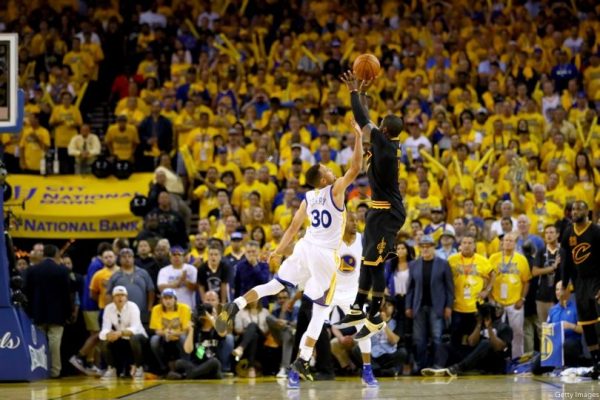
اختر لاعبك بعناية… كايري > 🗑️
*استخدم كود "مان٢مان١٥" للحصول على خصم ١٥٪ على جميع منتجات المتجر 🙏🏻

العربية
dweece retweetledi

Bitcoin is a neutral, open-source public utility. Like fire, water, or the internet.
It is not a person. It is not an institution. It has no secrets.
Corrupt people do not get to rob humanity of our chance to fix the mess we inherited. Bitcoin is the solution, not the problem.
English
@MBitcoiner Especially on days like today where so much darkness has come to light.
English
dweece retweetledi

