Eugene
1.5K posts


The next step for autoresearch is that it has to be asynchronously massively collaborative for agents (think: SETI@home style). The goal is not to emulate a single PhD student, it's to emulate a research community of them. Current code synchronously grows a single thread of commits in a particular research direction. But the original repo is more of a seed, from which could sprout commits contributed by agents on all kinds of different research directions or for different compute platforms. Git(Hub) is *almost* but not really suited for this. It has a softly built in assumption of one "master" branch, which temporarily forks off into PRs just to merge back a bit later. I tried to prototype something super lightweight that could have a flavor of this, e.g. just a Discussion, written by my agent as a summary of its overnight run: github.com/karpathy/autor… Alternatively, a PR has the benefit of exact commits: github.com/karpathy/autor… but you'd never want to actually merge it... You'd just want to "adopt" and accumulate branches of commits. But even in this lightweight way, you could ask your agent to first read the Discussions/PRs using GitHub CLI for inspiration, and after its research is done, contribute a little "paper" of findings back. I'm not actually exactly sure what this should look like, but it's a big idea that is more general than just the autoresearch repo specifically. Agents can in principle easily juggle and collaborate on thousands of commits across arbitrary branch structures. Existing abstractions will accumulate stress as intelligence, attention and tenacity cease to be bottlenecks.

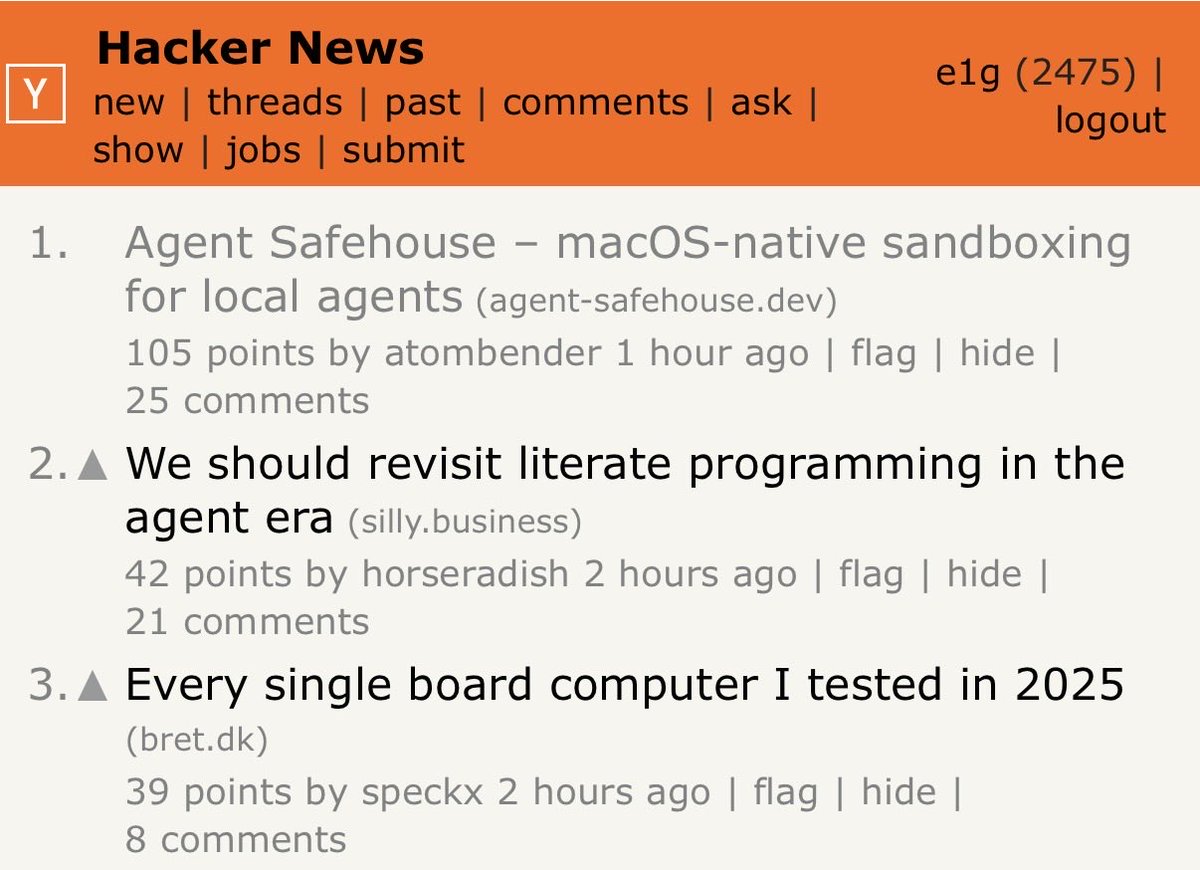
Achievement unlocked: #1 on Hacker News. But there is disturbance in the force - someone else found and posted my side project, and all comments are positive. Sundays must be when OGs hang out on HN.


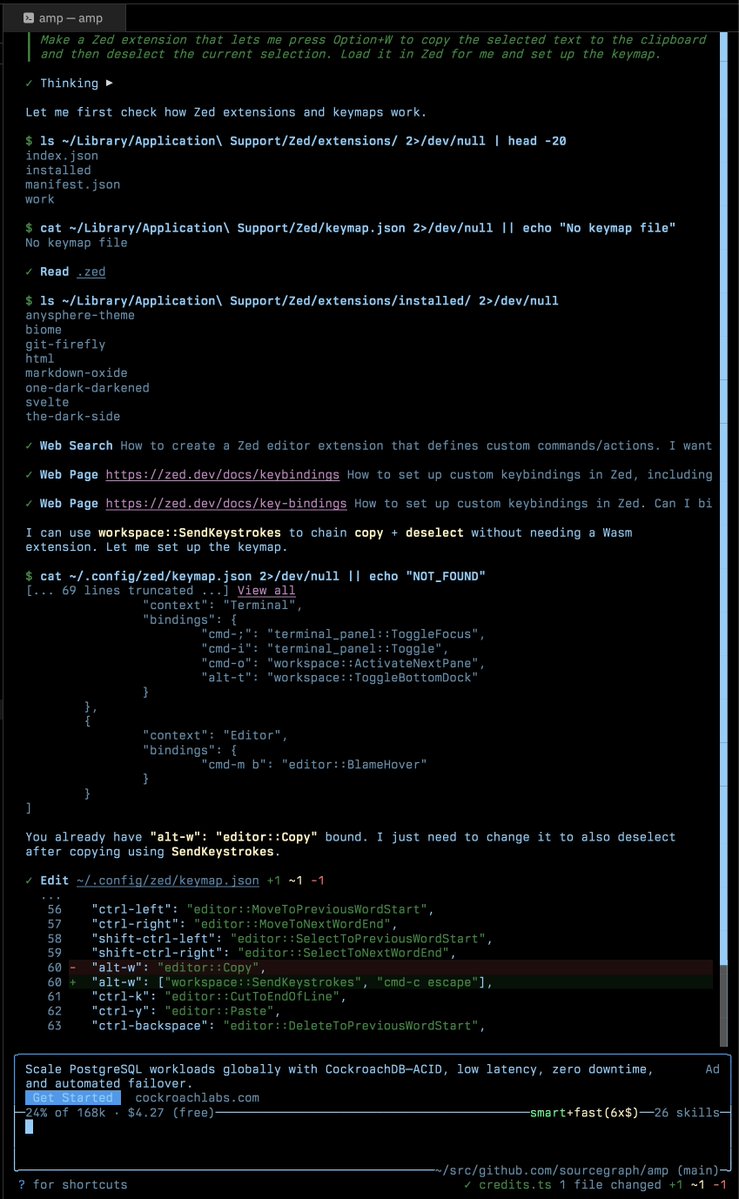
Zed is really nice. The simplicity and speed are awesome. And using LSP servers directly rather than extension shims just feels nice. I used Emacs until ~2018, then half-switched to VS Code, then went full VS Code in 2021. VS Code, as I've said, is a wonder of the world, a beautifully designed editor, inside and out, by editor geniuses, and its extension API (and LSP) is great. There is so much more good tech in the world because of VS Code. But we're reducing our reliance on human-only/in-editor feedback loops in our codebase, because the ones used by agents are more important. Cutting out VS Code extensions means one less human-specific, editor-specific layer in our dev workflow. We want TypeScript and Svelte diagnostics to be instant, for example, and figuring out why it is fast when run by command but not in VS Code is a pain. So, that has led me to Zed. I will probably go back to Emacs as well, but last I tried it, the LSP support was clunky. (Magit is the best, though.) Setting up Amp's codebase to work with LSPs and extensions took about 30min (using Amp to write my config and port my theme over, naturally). The builtin Zed Emacs keymap mode works great. I'll be trying it out this week. So far, it has earned the coveted F3 keybinding on my keyboard (in this little personal menubar/shortcut app I made for myself).