A serial killer collects and kills women, leaving a sick signature behind. A handmade ragdoll crafted from the previous victim’s clothes is found in the clutches of the deceased woman in Last Summer’s Evil #1 Last Cold Case. #thriller#readers#mysterymjlabeff.com
A young Red-tailed Hawk that dove into the snow next to the nature trail, did some stomping around, and then gave this look. He/she came up with empty claws.
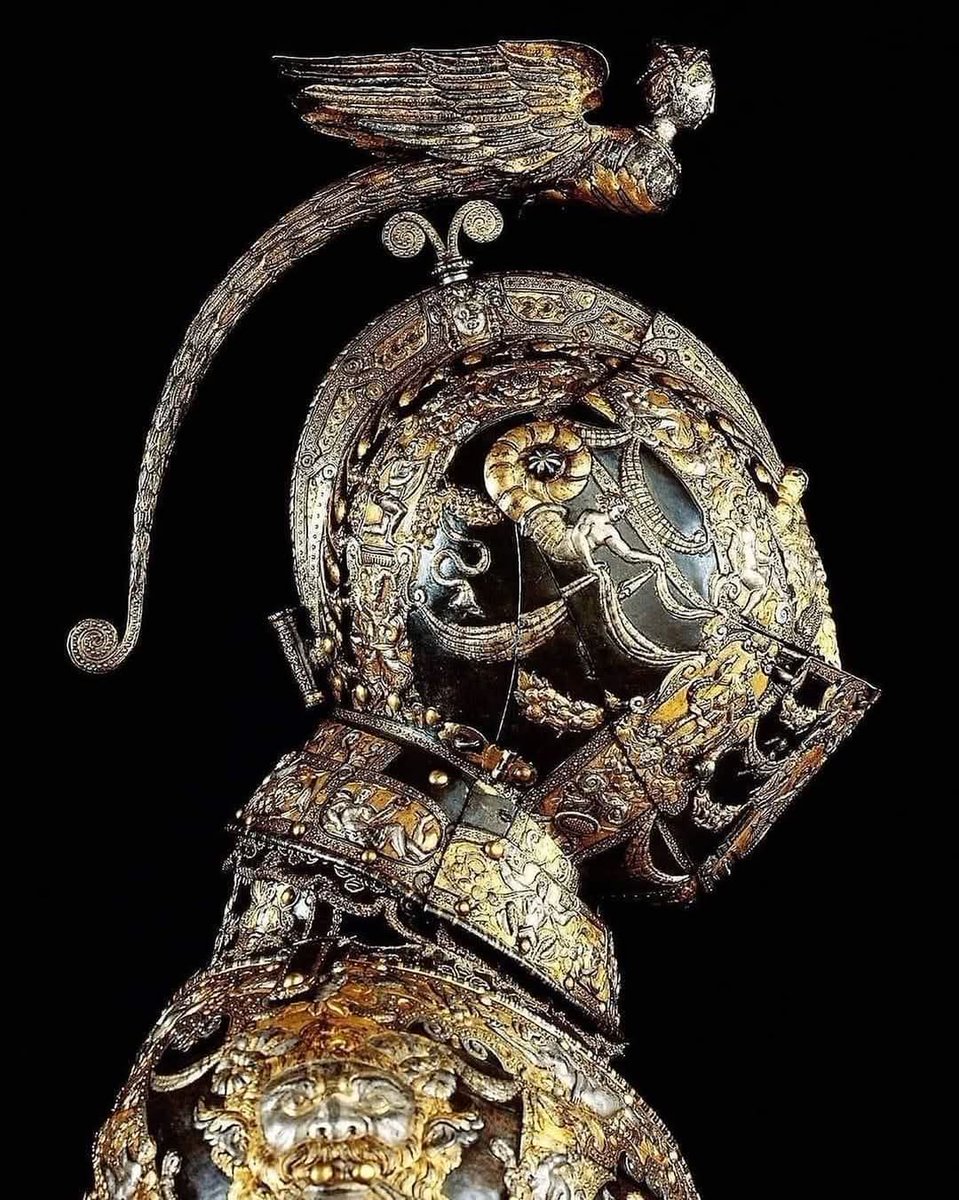
The ornate helmet of Ferdinand II of Habsburg, the Holy Roman Emperor, is a remarkable artifact from 16th Century AD, showcasing the artistry and craftsmanship of the period. This intricately designed helmet, likely part of ceremonial armor, reflects both the grandeur of the Habsburg dynasty and the symbolic power that such regalia held during the height of their reign.
Elaborate helmets like this were not just practical for protection in battle but also served as statements of prestige and authority. The intricate designs, often adorned with gold, silver, and other precious materials, featured motifs that symbolized strength, divine right, and lineage. For Ferdinand II, who ruled during a tumultuous time in European history marked by the Thirty Years' War, such armor would have reinforced his status as a leader and a defender of the Catholic faith.
This helmet, with its detailed craftsmanship, is a testament to the fusion of art and functionality that defined Renaissance-era armory. Today, it stands as a piece of history, offering a glimpse into the life and legacy of one of Europe’s most influential rulers.
#drthehistories
I feel him in the breeze.
He was born to please.
His laughter rings loud
as he rides on a cloud.
Please return him to me.
The night will set us free.
🪻THE DEAD AT HEART🪻
amzn.to/3lrQ3KO#ASMSG#AdventureSeeker#fantasybooks
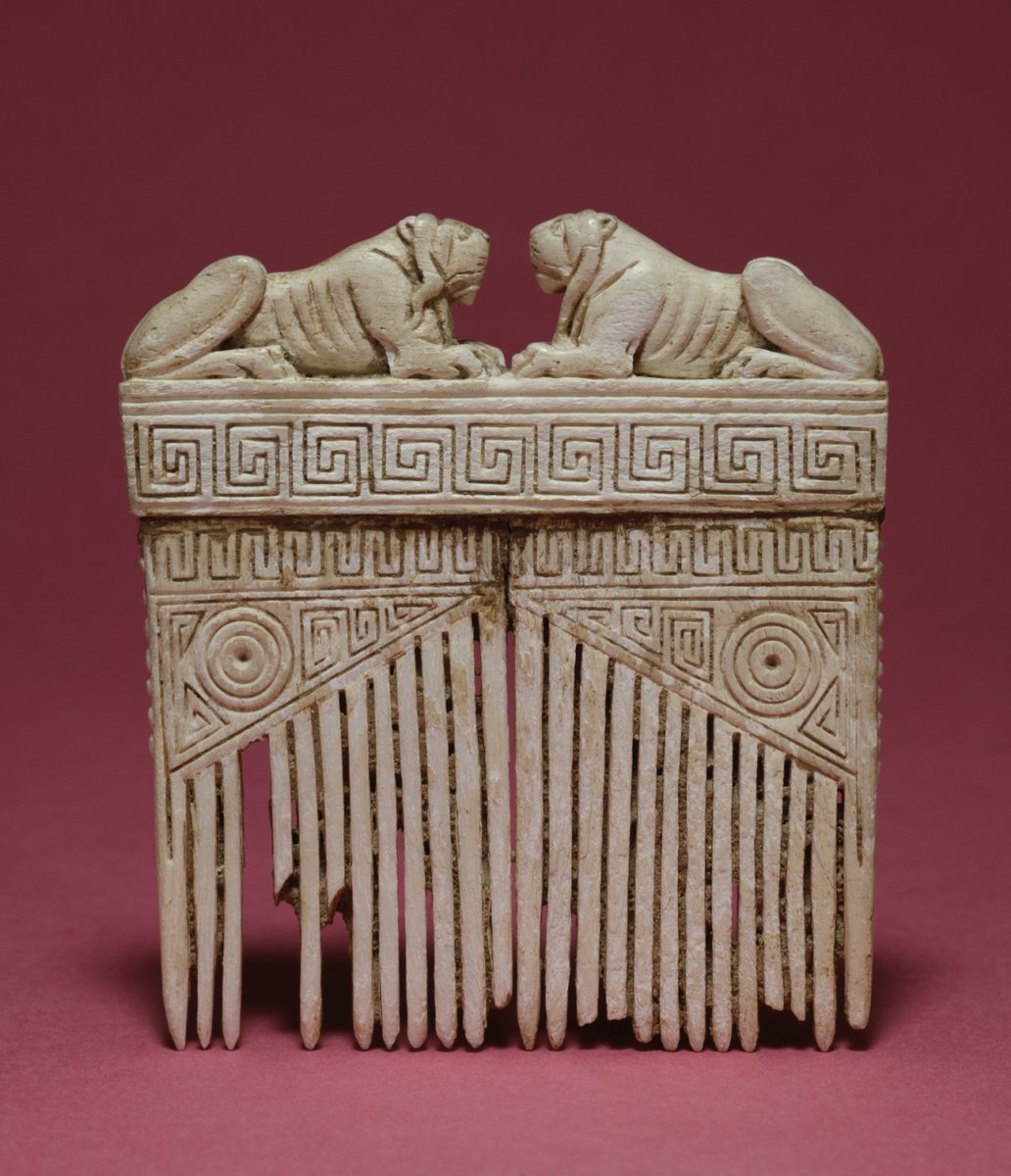
The Scythian Golden Comb, likely crafted by Greek artisans in the 4th Century BC, is a stunning artifact that highlights the cultural exchange between the ancient Greek world and the nomadic Scythians of the Eurasian steppes. Found in the Solokha kurgan (a burial mound) in Ukraine, this delicate comb is made of gold and decorated with intricate designs that blend Greek craftsmanship with Scythian artistic elements.
The comb's design reflects both Greek artistic influences—such as the use of refined motifs—and the practical needs of the Scythians, a people known for their horsemanship and warrior culture.
The comb's discovery in the Solokha kurgan underscores the connections between the Greek colonies along the Black Sea and the Scythian tribes, who were engaged in both trade and cultural exchange.
Greek artisans were known to work in Scythian territories, and this comb serves as a rare example of this cross-cultural interaction. It is a testament to the artistic mastery of the period and an important piece of history that reveals the rich interplay between different cultures in the ancient world.
The Hermitage - St. Petersburg
#archaeohistories
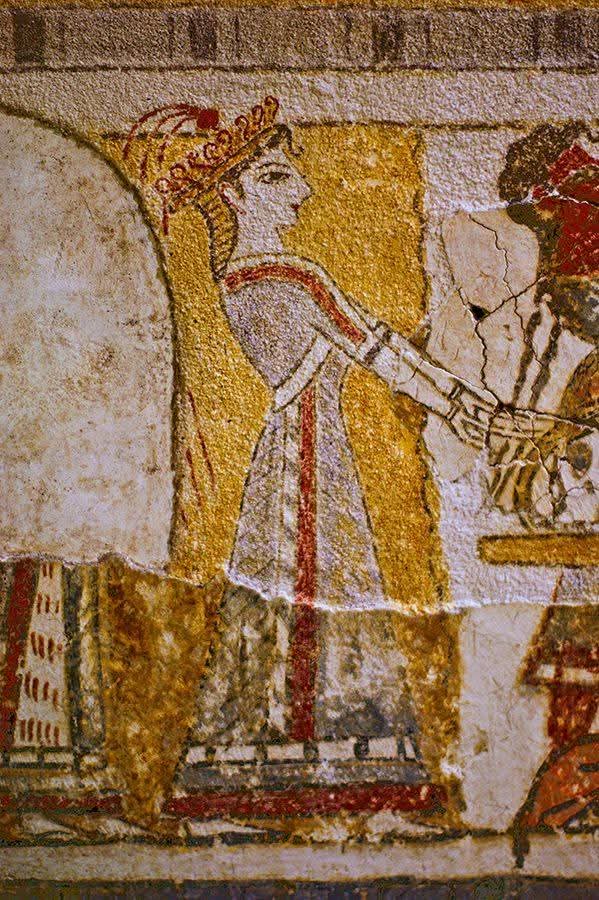
Detail from the Hagia Triada sarcophagus. 1400 BC. The sarcophagus was found in a Minoan cemetery at Hagia Triada, Crete. It is the only Minoan sarcophagus known to be fully painted.
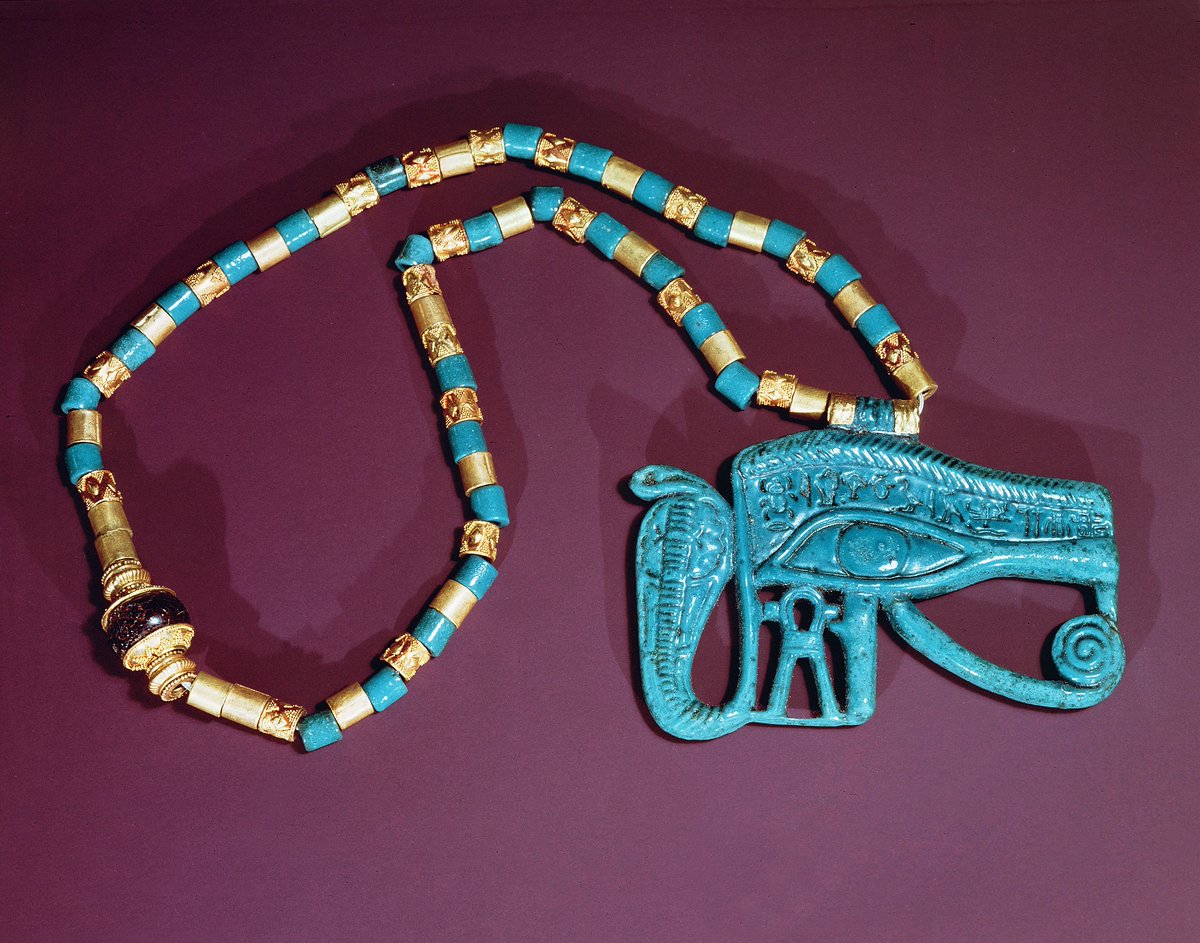
Eye of Re Pectoral of Tutankhamun
The necklace, on which this pectoral was suspended in the layer of amulets nearest to the king's mummy, consists of blue faience, plain gold, and granulated gold cylindrical beads.
New Kingdom, late-18th Dynasty, ca. 1332-1323 BC.
Tomb of Tutankhamun (KV62), Valley of the Kings, Thebes.
Now in the Egyptian Museum, Cairo. JE 61951
This is my book of poems its about my time in the hospital and group home that I wrote poems some poems are acrostic some are traditional and some are haiku there lovely poems and very inspirational and moving.
@markpmurph89171