

@officialjandor Did you pay for the form and will now get a refund?
English
Damilola Aguda
1.2K posts

@ebenaguda
Urban Economist & Analyst | Real Estate Professional | Researcher // // Footy⚽️ & https://t.co/hSE2P1lHsP🏓 Enthusiast



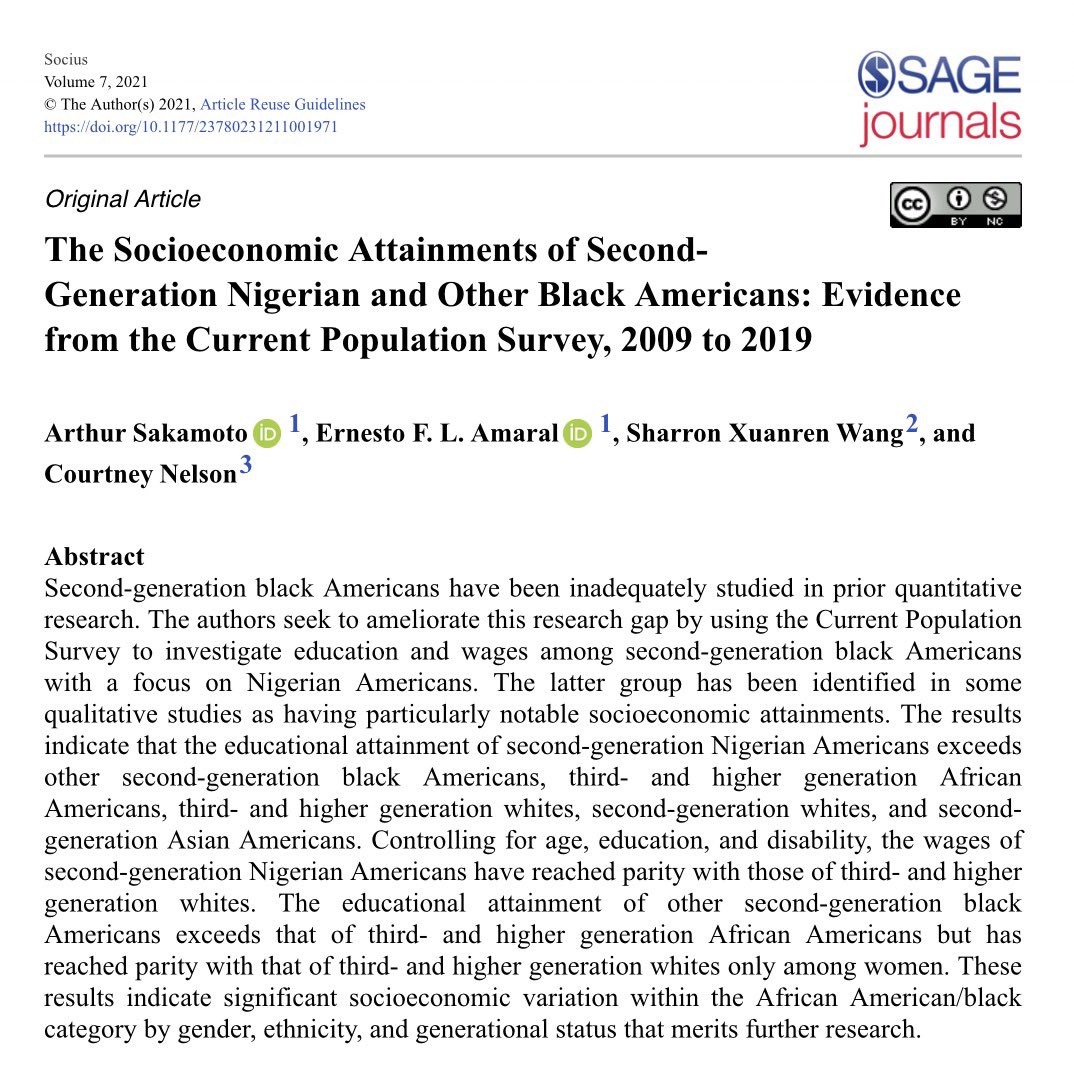
Kenyan leader sparks uproar after mocking Nigerians' spoken English bbc.in/4mTFYXc
Rat spotted inside a meat pie glass display at a restaurant.




Kindly take a listen to the Head to Head interview I had with Mehdi Hassan in London Conway Hall
Investigative journalist David Hundeyin breaks down the UK's "Boris Wave" visa scheme: a pipeline from master's degrees to care work, designed to siphon off potential political disruptors from countries like Nigeria. #BorisWave #UKImmigration #DavidHundeyin #the91podcast
Super-talented and powerful vocalist, Ifunanya, @nanyah_music has reportedly passed away💔🕊️ She was bitten by snake in her home and was rushed to the hospital this morning, but sadly did not survive.
For anyone who would like to hear Mark Carney’s outstanding Davos speech in full here it is. This is what true global leadership looks like. Canada should be immensely proud today, because they are leading the fight back when others dare not. 🎥 TikTok - vm.tiktok.com/ZNRBDT4mB/
Last year, a major Chinese institution approached me with a proposal, and it was simple and tempting (included on click): 1. Research Funding: A yearly grant between $180,000 and $280,000 for 2–3 years. 2. Minimal Commitment: Just one hour a week to mentor students and provide updates. 3. Global Exposure: A one-week annual visit or sabbatical in China to engage collaborators. They had studied one of my PhD publications, a body of work patented and partially licensed to the U.S. Government, and wanted me to guide their students in extending that research frontier. On the surface, it looked like a clean path to nearly $600,000 with minimal effort. But beneath the surface, it was a poison pill. Accepting such an offer would violate U.S. scientific-engagement regulations, rules created to protect sensitive intellectual domains. So, out of caution and respect for those boundaries, I declined. (My company is Intel’s only programmable microprocessor knowledge partner in Africa; so the vectors were multidimensional) Yet, this experience is not unique. Every quarter, any serious U.S. technologist receives an inquiry from China. And to escape regulatory pitfalls, many quietly relocate to Hong Kong, where they can collaborate without stepping on U.S. legal landmines. The implication is clear: China is rising, and rising fast. Its universities are overtaking the world’s most prestigious institutions. Today: “Harvard University has fallen to third place in global research rankings, overtaken by China’s Zhejiang University. Eight of the world’s top ten institutions in research output are now Chinese.” — LinkedIn News. Some dismiss this as low-quality output. That is a mistake. Except in ultra-niche semiconductor research, China is now at parity with the West. And companies like BYD, which has leapfrogged Tesla in multiple EV metrics, stand as living evidence that China’s research output is real, applied, and market-validated. Good People, across human history, knowledge has always been the currency of power. Every great empire, from Pharoah's Egypt to Babylon to Rome to the British Empire, rose on the wings of intellectual superiority. If China dominates the world’s knowledge production, it will dominate the world, full stop. This pattern has played out for centuries, and history does not lie. This is looking like the Age of China! tekedia.com/the-age-of-chi…
A pleasure to meet with President Xi in Beijing. Canada and China are forging a new strategic partnership. We’re leveraging our strengths — focusing on trade, energy, agriculture, seafood, and other areas where we can make massive gains for both our peoples.
Make no mistake: China now has a foothold in the Canadian market and will use it to their full advantage at the expense of Canadian workers. The federal government is inviting a flood of cheap made-in-China electric vehicles without any real guarantee of equal or immediate investments in Canada’s economy, auto sector or supply chain. Worse, by lowering tariffs on Chinese electric vehicles this lopsided deal risks closing the door on Canadian automakers to the American market, our largest export destination, which would hurt our economy and lead to job losses. To fix this mess, Prime Minister Carney and the federal government need to urgently step up and support Ontario’s auto sector. That means making the sector more competitive by ending the electric vehicle mandate, harmonizing regulations with key trading partners and scrapping federal fees that do nothing but add thousands to the cost of making vehicles and chase away investments. Instead of importing made-in-China vehicles, the federal government needs to be focused on working with Ontario to bring investment and jobs to factory floors in Brampton, Oshawa, Ingersoll and across the province, where assembly lines are at risk or have already left the country. Whether farmers or auto workers, Canadians expect and deserve a federal government that gives them every shot at success. I’m urging Prime Minister Carney to work with Ontario to strengthen Canada’s auto industry, not weaken it. Together, let’s protect Ontario and protect Canada.