Eco-land lab

24.5K posts

Eco-land lab banner
Eco-land lab

Eco-land lab

@ecolandlab

The Biodiversity and Landscape Ecology lab (CREAF-CSIC) with ICO, CTFC investigates factors determining species distributions in a complex and changing world.

Solsona Katılım Eylül 2010
2.9K Takip Edilen3.3K Takipçiler
Eco-land lab retweetledi
EU Environment
EU Environment@EU_ENV·
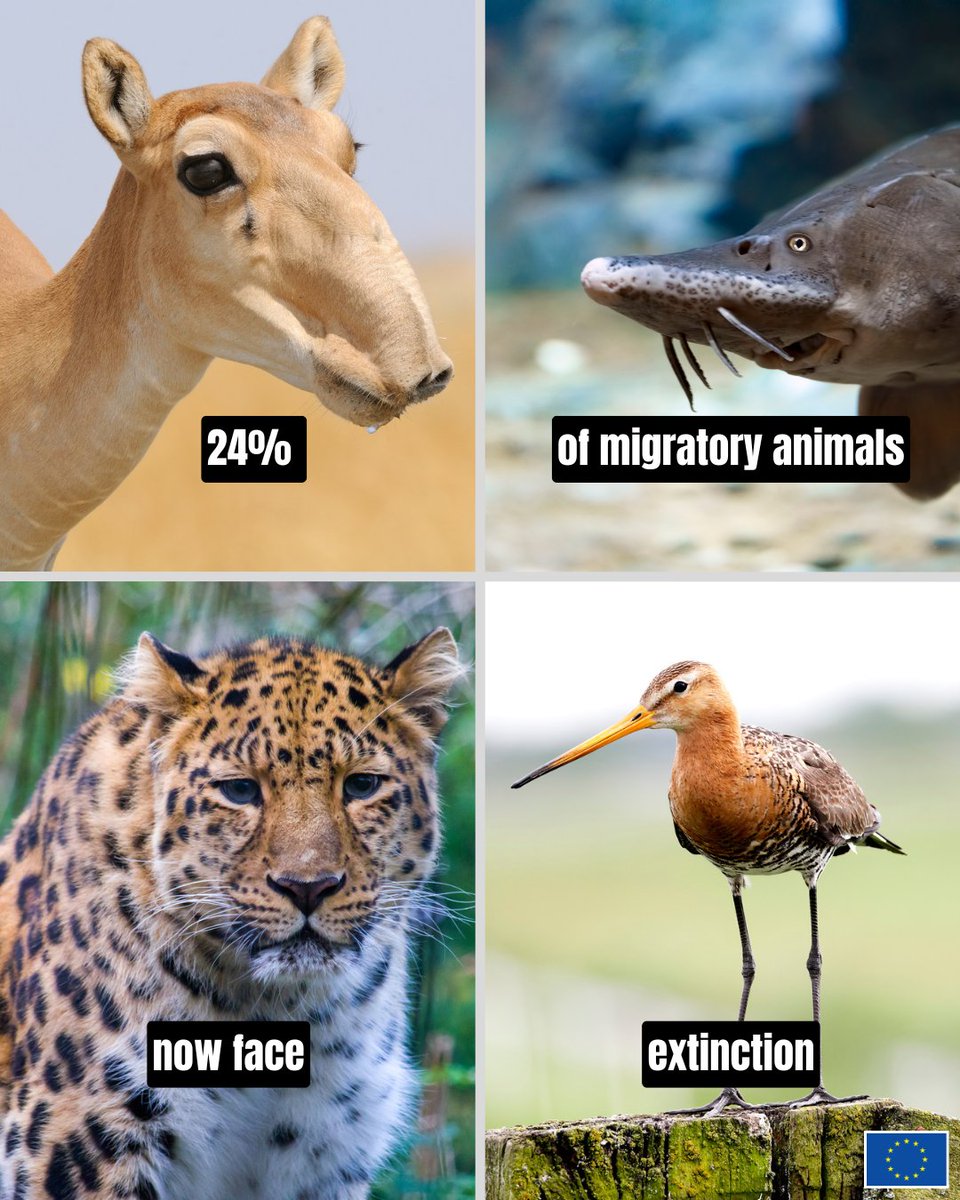
🚨 NEW REPORT: Alarming state of migratory species! 🔴 49% of migratory species’ populations conserved by the global UN treaty are declining. 🔴 24% of species face extinction. As the #CMSCOP15 to the @BonnConvention starts today, learn more about it 👉 link.europa.eu/kYRcCN
EU Environment tweet media
English
4
35
56
1.8K
Eco-land lab retweetledi
Observatori del Patrimoni Natural i Biodiversitat
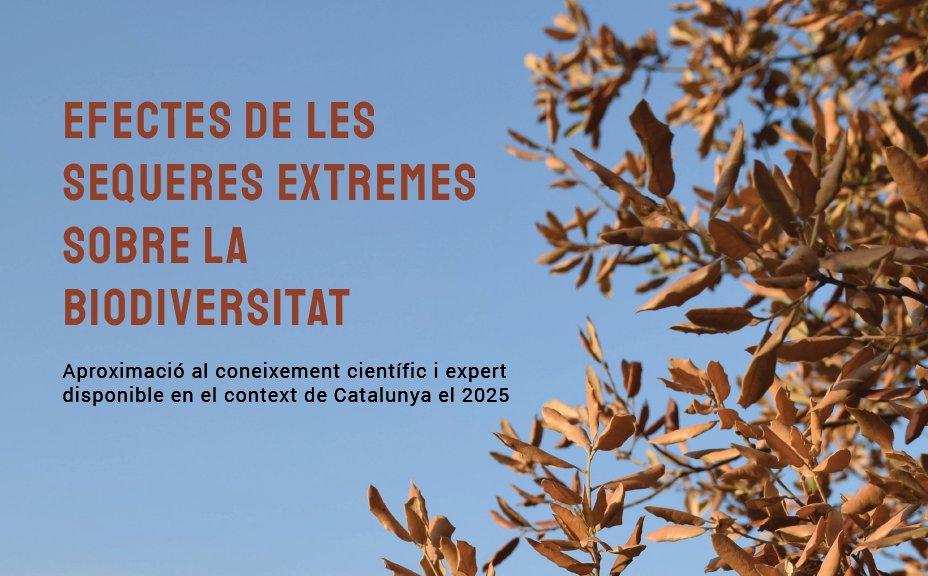
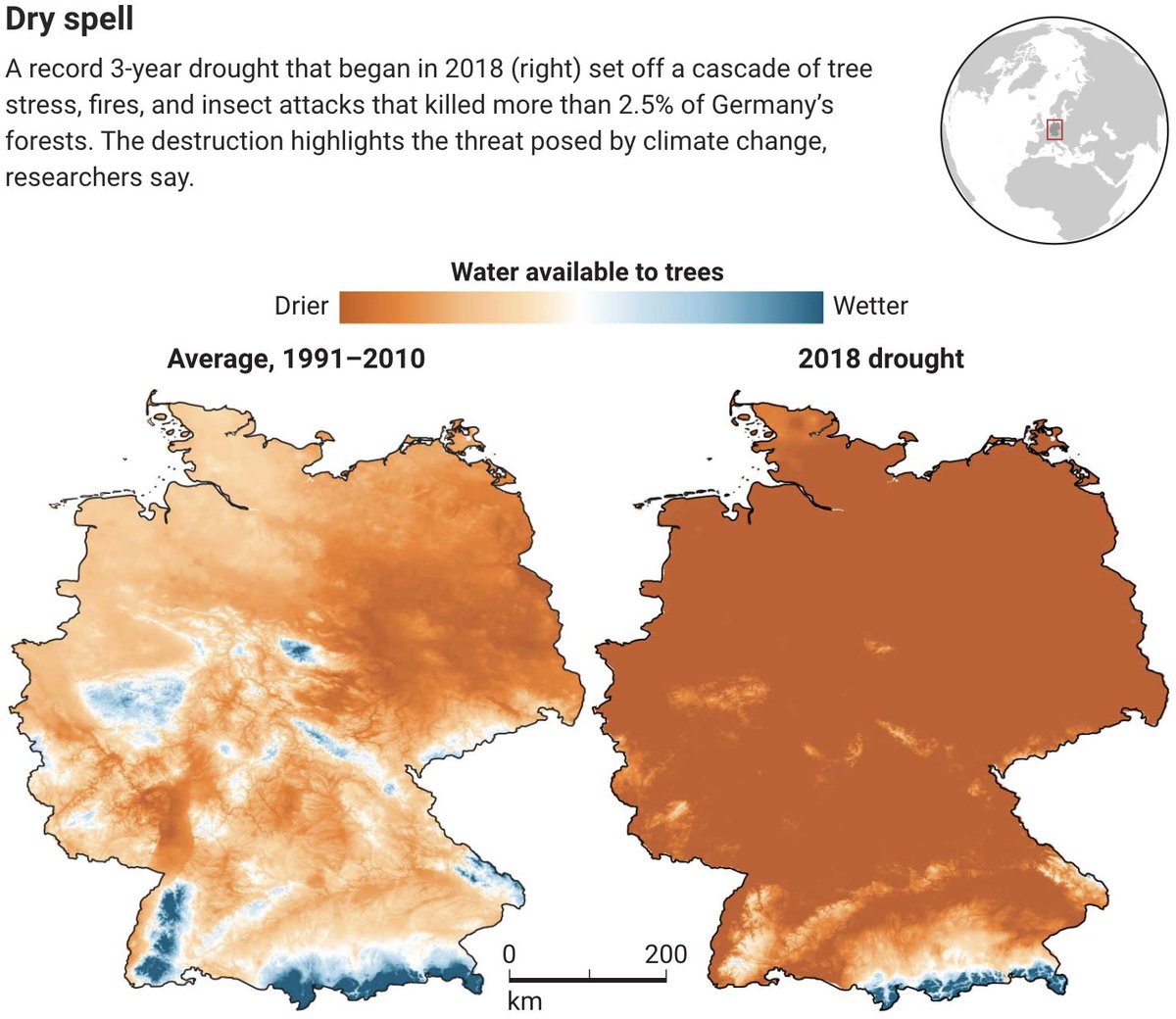
❓Com afecta la sequera extrema a la biodiversitat a Catalunya? Des de l'Observatori del Patrimoni Natural i la Biodiversitat publiquem una avaluació pionera per analitzar l'impacte d’aquests episodis en el nostre patrimoni natural🧵👇 Document a l'últim tuit
Observatori del Patrimoni Natural i Biodiversitat tweet media
Català
1
16
22
781
Eco-land lab retweetledi
PhD_Genie
PhD_Genie@PhD_Genie·
How my paper got published
English
1
16
119
23K
Eco-land lab retweetledi
GBiC_CTFC
GBiC_CTFC@GBiC_CTF·
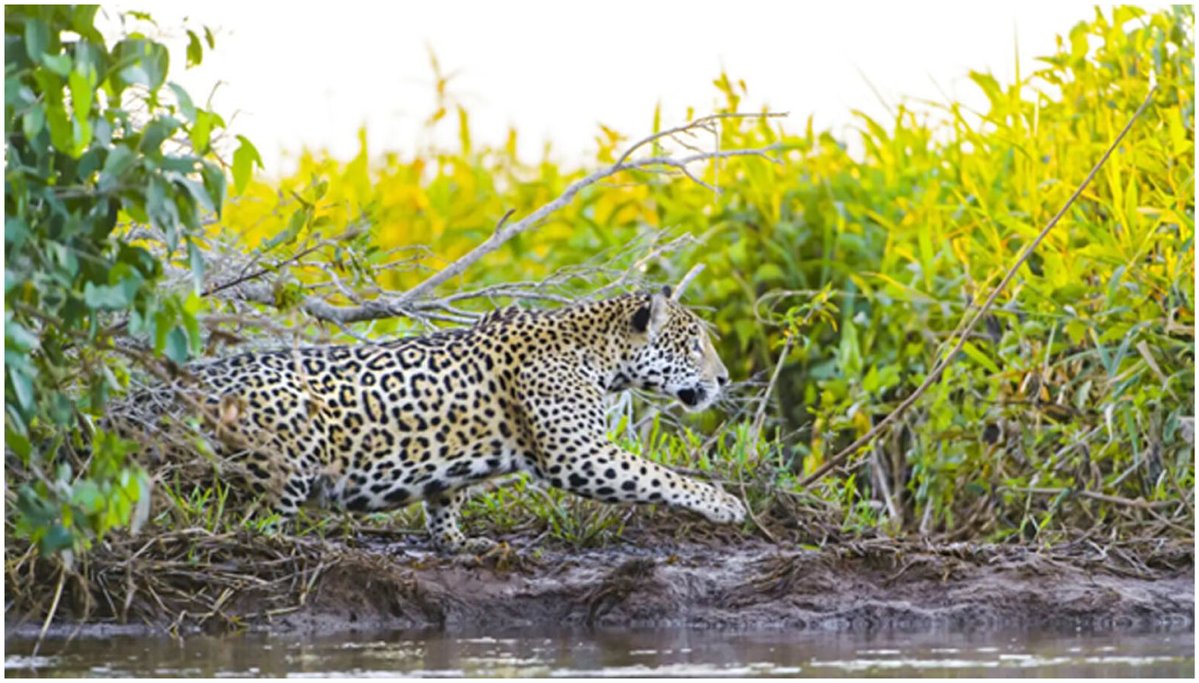
Amb aquestes eines es dona resposta al creixent problema que suposa processar milers i milers d'imatges provinents del monitoratge de fauna, permet la presa de decisions en temps real, i optimitza el monitoratge de trampes de pel en zones sense cobertura.
GBiC_CTFC tweet media
Català
0
1
9
179
Eco-land lab retweetledi
GBiC_CTFC
GBiC_CTFC@GBiC_CTF·
Amb la tesi, ha desenvolupat eines d'intel·ligència artificial per optimitzar el processament d grans volums d dades provinents del parany fotogràfic, així com sistemes per a la detecció i alerta a temps real sobre la presència d'espècies objectiu i aspectes del seu comportament.
GBiC_CTFC tweet media
Català
1
1
10
202
Eco-land lab retweetledi
GBiC_CTFC
GBiC_CTFC@GBiC_CTF·
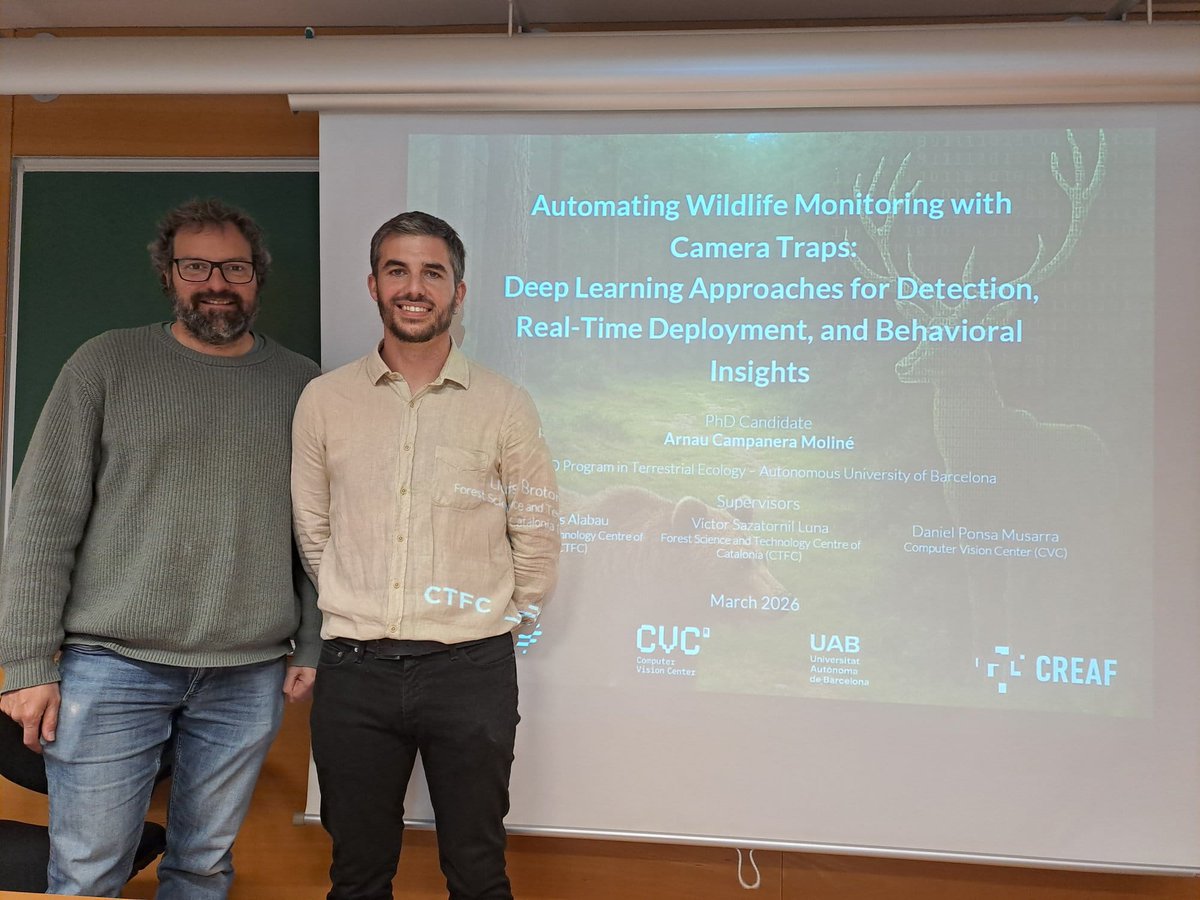
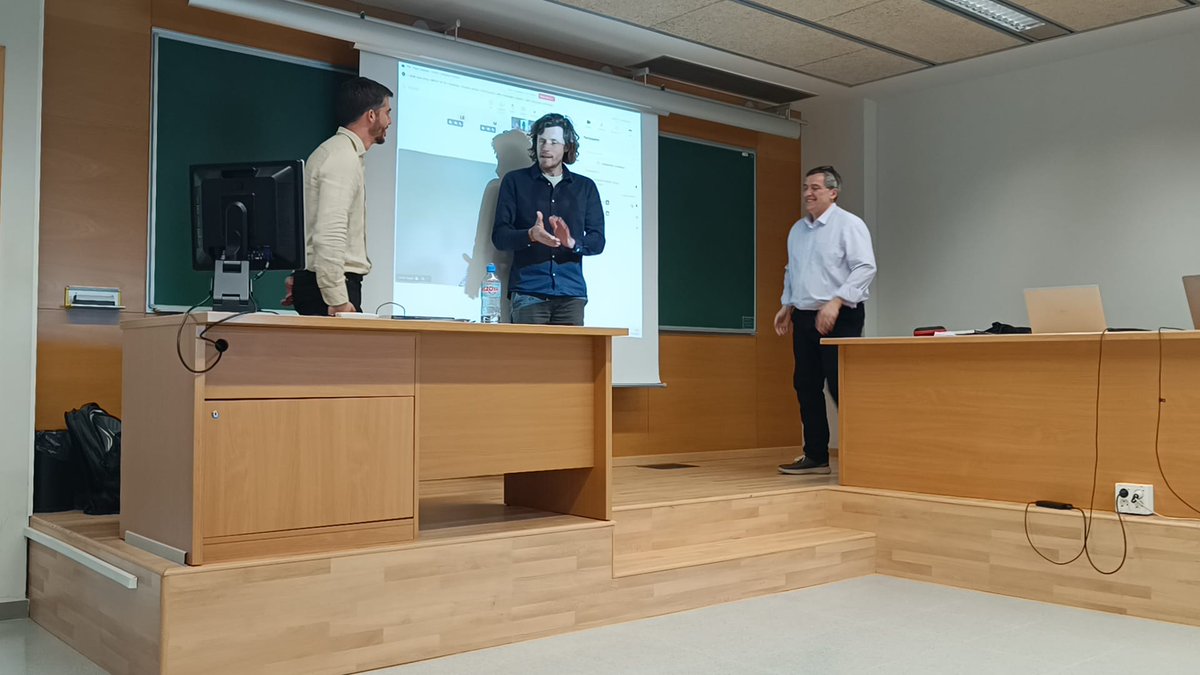
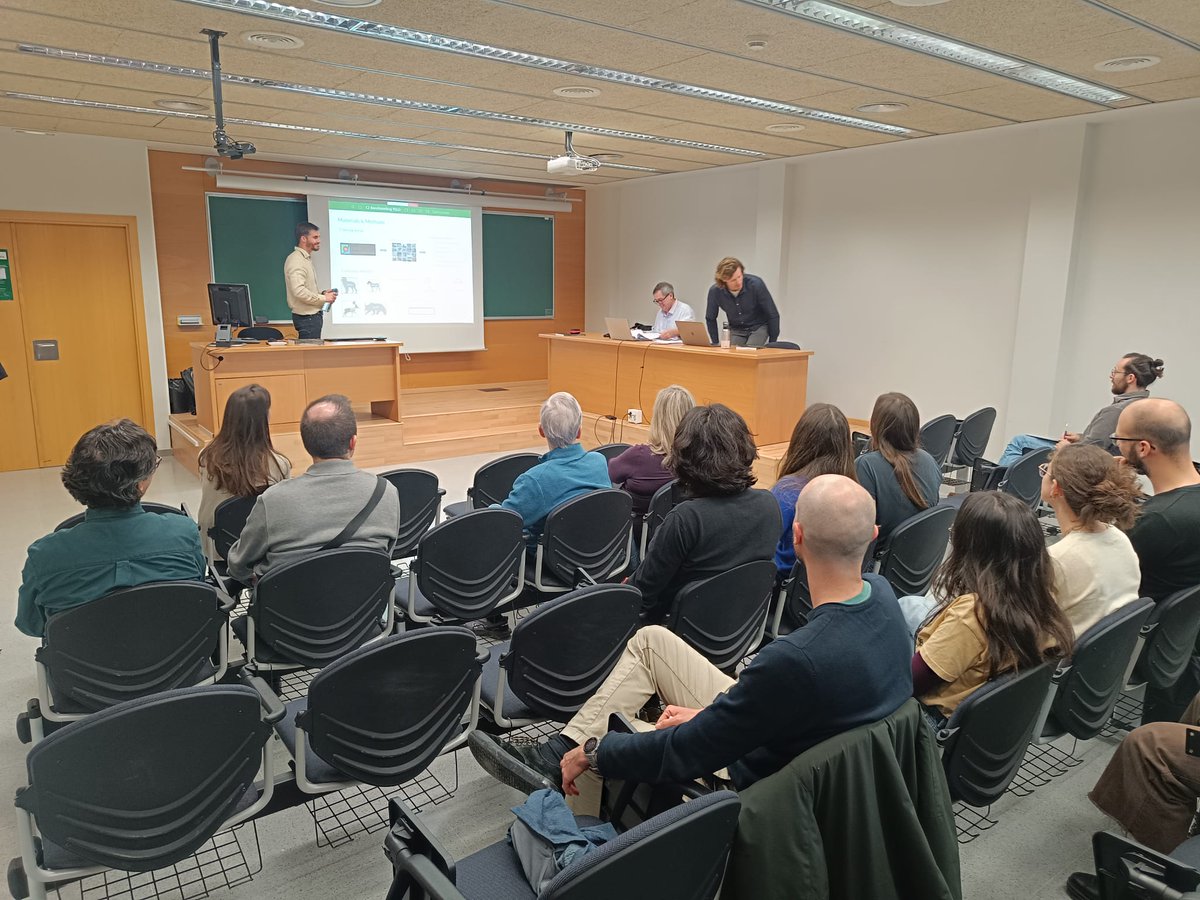
El passat dijous, el nostre company Arnau Campanera, va defensar la seva tesi doctoral  titulada "Automating wildlife monitoring with camera traps: Deep learning approaches for detection, real-time deployment, and behavioral insights".
GBiC_CTFC tweet mediaGBiC_CTFC tweet media
Català
1
4
12
354
Eco-land lab retweetledi
Neil Lareau
Neil Lareau@nplareau·
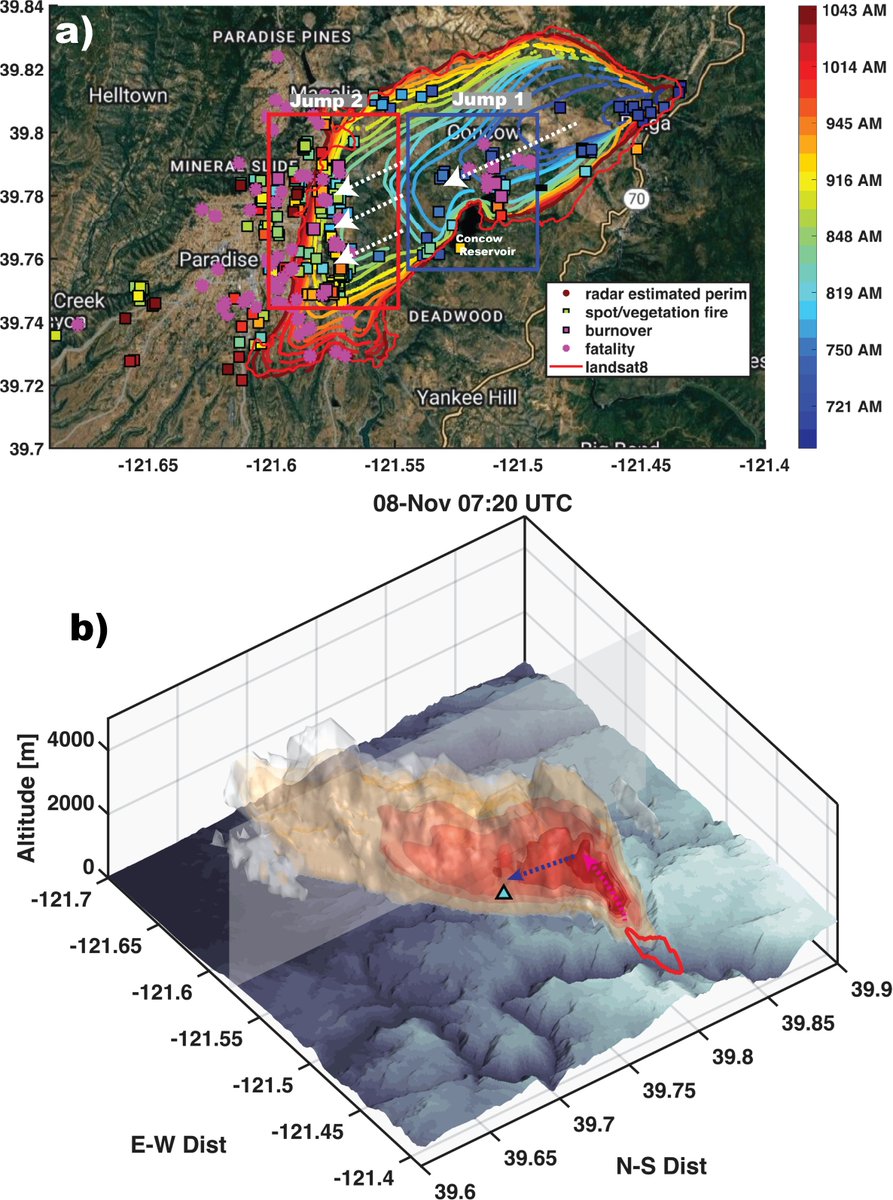
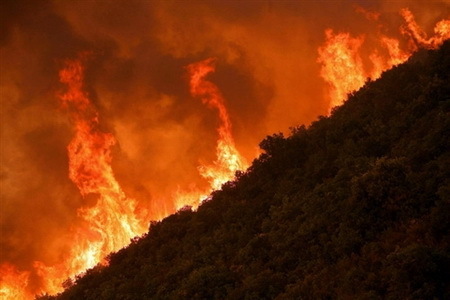
Extreme wildfire spread isn’t just wind-driven. We show the Camp Fire’s explosive growth came from plume-coupled spotting: embers lofted, transported, and deposited in organized zones 5–10+ km ahead, igniting new fire fronts. #CampFire agupubs.onlinelibrary.wiley.com/doi/epdf/10.10…
Neil Lareau tweet media
English
8
37
138
5.9K
Eco-land lab retweetledi
nature
nature@Nature·
Graduate students increasingly use artificial-intelligence tools to draft, code and search — but many fear it could erode the very skills a doctorate is meant to build go.nature.com/4sPERJH
English
15
167
591
87.3K
Eco-land lab retweetledi
Global Change Biology
Global Change Biology@GlobalChangeBio·
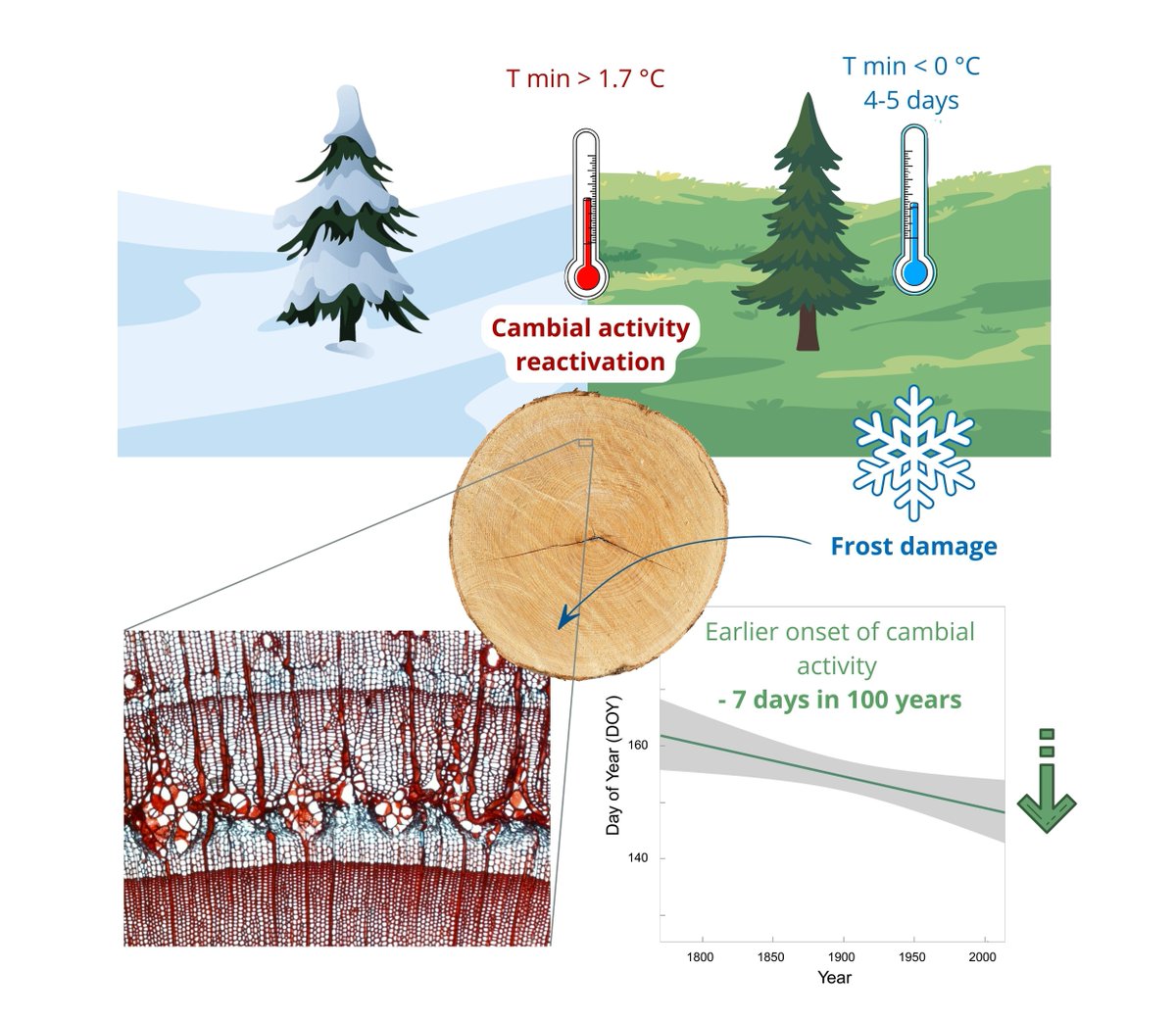
Phenological Shifts in Wood Formation Tracked by Frost Rings Across Two Centuries 🔗 buff.ly/ejYyWW9
Global Change Biology tweet media
English
0
7
23
716
Eco-land lab retweetledi
Journal of Applied Ecology
Journal of Applied Ecology@JAppliedEcology·
Published 📖 Long-term comparison shows protected and non-protected forests differ in harvesting, but not in wildfires or drought-driven dieback🌳 🔥 Read more: buff.ly/zfj5Dvh
Journal of Applied Ecology tweet media
English
0
11
28
1.2K
Eco-land lab retweetledi
Pau Cecilia Gallego
Pau Cecilia Gallego@paucg_amposta·
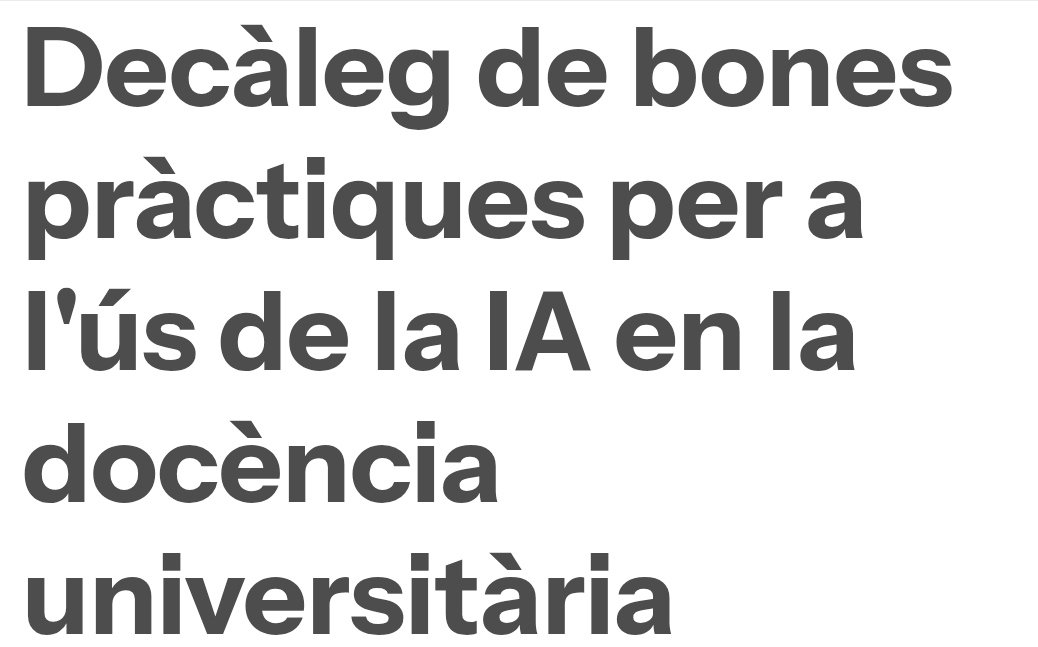
Decàleg de bones pràctiques sobre la integració de la IA a la docència universitària. Pdf en català i anglès #page=1" target="_blank" rel="nofollow noopener">repositori.upf.edu/items/63395dc2…
Pau Cecilia Gallego tweet media
Amposta, España 🇪🇸 Català
0
23
49
5.9K
Eco-land lab retweetledi
Jose Ramos Vivas
Jose Ramos Vivas@joseramosvivas·
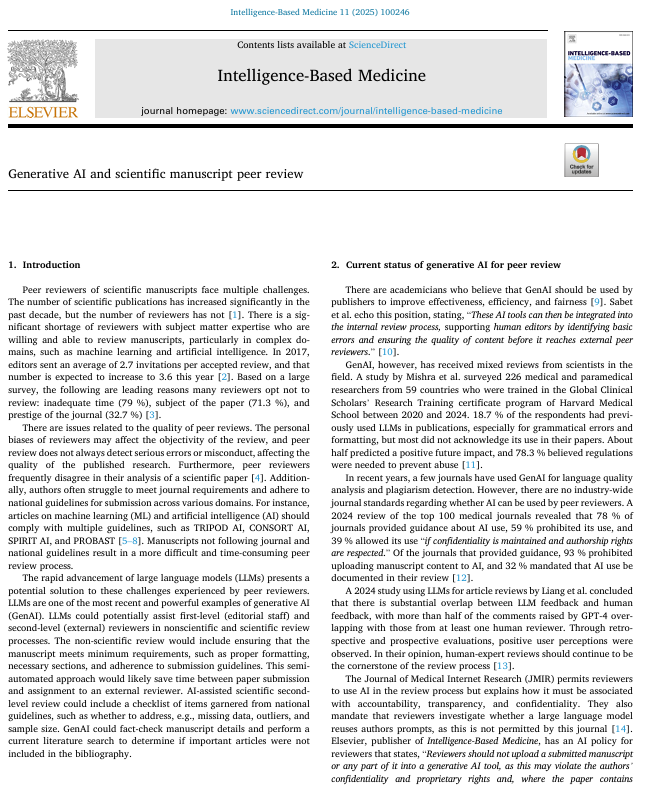
¿Está la IA lista para corregir la ciencia? 🤖📝 Primero, creo que hay una escasez crítica y cada vez mayor de revisores humanos frente a la avalancha de nuevos artículos que quieren publicar las revistas... Pero, la 🛠️ La IA puede ayudar en tareas no científicas: verificar formatos, secciones obligatorias y guías (como CONSORT o PRISBA). ⚖️ Existe un gran dilema ético: la confidencialidad. Subir manuscritos no publicados a LLMs puede violar los derechos de autor... ✅Es útil para verificar muchas cosas. Estadística, controles, bibliografía, autocitas, publicaciones similares... 👥 Un estudio con GPT-4 mostró que más del 50% de sus críticas coinciden con las de revisores humanos. ¿El futuro? Quizás un modelo híbrido donde la IA asiste, pero el experto humano sigue siendo el juez final. 🧠✨ #IA #InteligenciaArtificial #Ciencia #Investigación #PeerReview #GenAI #Medicina #Innovación #PublicacionesCientíficas #AI 👇 Generative AI and scientific manuscript peer review sciencedirect.com/science/articl…
Jose Ramos Vivas tweet media
Español
0
10
41
2.3K
Eco-land lab retweetledi
News from Science
News from Science@NewsfromScience·
In a challenge to open-access publishers, the Chinese Academy of Sciences, the world’s largest research institution, has told its researchers it plans to stop paying to publish their papers in dozens of international free-to-read journals it regards as too expensive. scim.ag/4tU6qD5
English
15
155
403
196.1K
Eco-land lab retweetledi
God of Prompt
God of Prompt@godofprompt·
This paper broke my brain 🤯 Researchers gave Claude a simple question: “I want to wash my car. The car wash is 100 meters away. Should I walk or drive?” Claude said walk. Every major LLM said walk. The correct answer is drive. The car has to be there. Here’s the wild part: nothing about the model changed. Only the prompt architecture did The researchers ran a clean variable isolation study on Claude Sonnet 4.5. Bare prompt? 0% correct. Add a polished expert role? Still 0%. Inject detailed physical context like car model, driveway location, parking status? 30%. But when they forced the model to use a structured reasoning framework, STAR, where it had to explicitly state the Situation, Task, Action, and Result, accuracy jumped to 85%. Combine STAR with profile data and it hit 95%. Add RAG on top and it reached 100% The key mechanism sits inside the “Task” step. Without structure, the model latches onto the distance heuristic, “100 meters is close, so walk,” and never processes the actual goal. When forced to articulate the task as “get the car to the car wash,” the hidden physical constraint becomes explicit in the context window. The model already had the knowledge. It just wasn’t compelled to surface it before generating a conclusion. The most uncomfortable result is this: structured reasoning outperformed raw context injection by 2.83x. More facts barely helped. Better cognitive scaffolding did. This flips the default industry instinct. When agents fail, most teams add more retrieval, more documents, more memory. This study suggests the bottleneck isn’t missing information. It’s how the model is forced to process what’s already there. Same model. Same parameters. A 55 percentage point swing in reasoning quality. That’s not scale. That’s architecture at the prompt layer.
God of Prompt tweet media
English
88
122
674
50.8K