@SonofNun @anhelloooo Screenshots in Microsoft Store are outdated and doesn't include dark theme
English
Ekrem Bayram
207 posts



Microsoft VP fires back at Windows 11's new speed trick critics: "Apple does this and you love it." Windows 11’s hidden Low Latency Profile is getting dragged online, but the criticism misses the point. Windows Latest has tested the Low Latency Profile, and it truly works. When you open the Start menu, a menu, or an app, Windows briefly boosts the CPU for 1–3 seconds so the task finishes faster. On budget PCs, that can make the whole OS feel much snappier. Some users called it a “band-aid,” but Microsoft's Scott Hanselman pushed back and explained that macOS and Linux already do similar things. Modern systems boost CPU speed for interactive tasks because responsiveness matters. "Let Windows cook," Microsoft's legendary dev Scott Hanselman argues in defense of Windows 11's upcoming feature. Of course, Windows 11 needs to be optimized at the code level, but the answer is not “don’t boost the CPU.” Microsoft needs to do the best of both worlds. That means it needs to optimize the code, reduce bloat, and use modern scheduling tricks to make Windows feel fast again.








Мне нравится что даже с уходом голливудских студий традиция надругательства над названиями фильмов осталась, видимо для СНГ-рынка. Кто ты, воин?
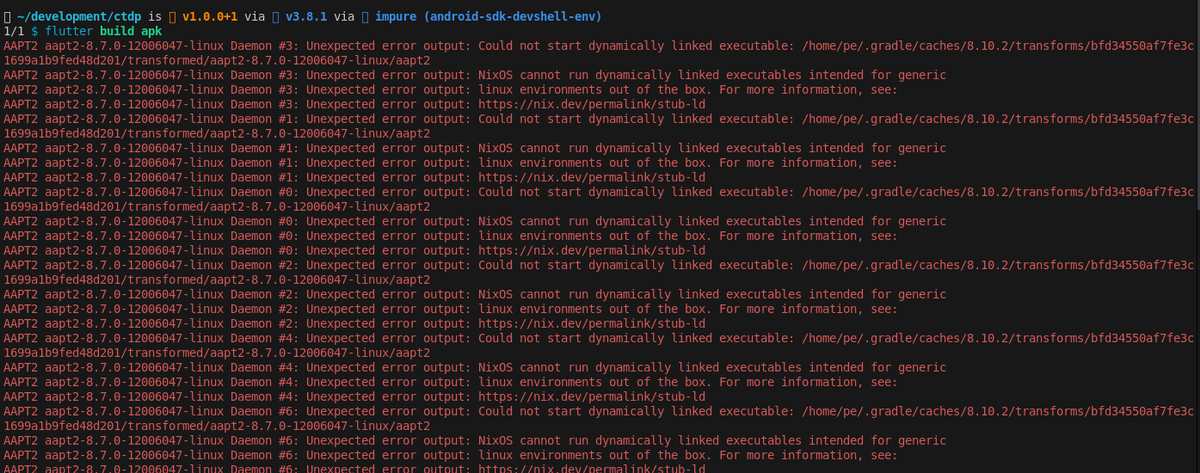
Java the programming language is still fine. I'd program a lot more in Java if all I had to deal with is the language. But the tooling ecosystem is absurdly brittle. A concrete example I ran into recently: you are happily building your project with Gradle. Everything works. Then you upgrade to a newer version of Java. You run ./gradlew build again and Gradle explodes with a cryptic error. You may get « What went wrong: 25.0.1 ». Thanks to AI, you eventually discover that the Gradle version you’re using simply doesn’t know about the new Java, so you have to upgrade Gradle itself. They could have used as an error message “Java version X is not supported by this version of Gradle”, but no, that would be too easy. Upgrading Gradle is rarely just “change one line in gradle-wrapper.properties”. In a multi-module project you often have to touch a bunch of files, sometimes fight with plugins that haven’t released a compatible version yet, etc. Annoying, but usually doable. Here’s the part that actually makes made me want to throw my laptop out the window: Gradle made the decision that a given Gradle release only supports specific Java versions to run Gradle itself. So when you upgrade the Gradle wrapper to a newer Gradle version so that it understands your new Java, folks who is still on an old Java can no longer run ./gradlew at all on their machine. And they don't get a nice error, they get an stack trace. So now a perfectly reasonable decision (“I want to compile and run my app with the latest JDK”) has the side effect of breaking the project for other developers and every continuous-integration agent that hasn’t upgraded their Java yet. I am sure Java experts will tell me that they never encounter such problems and that everything is dandy. But no, it is not fine. And other folks will point out to me that this is open source code, and if I don't like it, I can just program my own build system. And that is a fair point. But let me ask: if someone did for Java what uv did for Python (provide a reasonable build tool) would folks adopt it the way Python hackers adopted uv. Or would they all stick to their brittle tools? Culture matters.


@peach2k2 It’s not too late to stop