

Esa perse
3K posts

Alan kallistua siihen suuntaan, että yhä kasvavan joukon kokoomuslaisia erottaa persuista pölhöpopulismissa vain kallimpi pukeutuminen.

Suomi
@MattiHameenaho Tein 5000, oli erittäin helppoa. Siinä punnertaessa keksin jopa muutaman nais-aiheisen vitsin.
Suomi

Monet miehet naureskelee naisten punnerruksille.
Teeppä niitä sitten 50 kerran on helppoa.
Suomi
@PaavoRautio1 @SebastianTyne Rikosrekisteri joka on tullut mielipiteiden vuoksi.
Suomi

@SebastianTyne Hahmota uusiksi. Sinä et päässyt maahan rikosrekisterin vuoksi. Piste.
Suomi
Yritän hahmottaa, mitä tänään tapahtui.
En jotenkin voinut koskaan kuvitella, että Euroopassa sananvapaus voisi olla jo niin mätävaiheessa, että maahanpääsy estetään poliittisten mielipiteiden takia, kun puolustaa naisia barbaareilta.
Pitäisi ilmeisesti heittää passi mereen ja mennä maahan laittomasti meriteitse, niin pääsisi sisään ja saisi vielä ylläpitoakin.
Niinhän nuo siellä tekevätkin.
Suomi
@ISTACEYJANEI @bardibey6996 @TheNotoriousMMA So hes a black and a rapist? So youre licking balls ans throwing tantrum online?
English

@esa_perse @bardibey6996 @TheNotoriousMMA Hes not actually. He's racist but atleast hes not a simpy lil manchild who wants to lick Connors sweaty balls 😂
English

My head gasket is gone. Destroyed. I had no injury / injuries going into the fight. I was throwing kicks, planted and jumping, all throughout camp as well as backstage before the fight. This came out of nowhere. I am beyond dark here. I can only describe it as hell.
English
@kurvisentwiit @suomenmaa @keskusta Kerrotko siellä mistä syystä meni pupu pöksyyn ja kykenet vaan netissä aukonaan turpaasi EuRon pEnSaa! Etkä pystynyt debatoimaan aiheesta kasvotusten?
Suomi

Ylihuomenna kääntyvän uuden vuosikymmenen kunniaksi @suomenmaa teki laajan henkilöhaastattelun. Pohdintaa menneestä, nykyhetkestä ja tulevasta. Politiikasta, @keskusta :sta ja elämästä.
Olkaa hyvä 😌☀️🎂🍀
suomenmaa.fi/uutiset/40-vuo…
Suomi

@TheNotoriousMMA your suits are too tight and likely cut off circulation to your brain
English
@ajwmets @TheNotoriousMMA Bro just got online to vent. Crying online instead of doing something producive, stay poor, stay as a nobody.
English

@TheNotoriousMMA Bro just goes into the cage to absolutely embarrass himself whilst his opponents put zero effort in and collect a fat pay check 🤣🤣 the UFC IT guys will be lining up to fight you at this point
English
English
@bardibey6996 @TheNotoriousMMA All the triggered 'men' in your comment section is hilarious 😂 imagine calling a rapist .... who was found guilty of rape... a rapist and ppl still being THIS ignorant 🙄 they have issues
English
@bardibey6996 @TheNotoriousMMA Stop playing the victim while spreading manhate
English

@TheNotoriousMMA Imagine the hell the woman you raped goes through everyday you fucking loser.
English

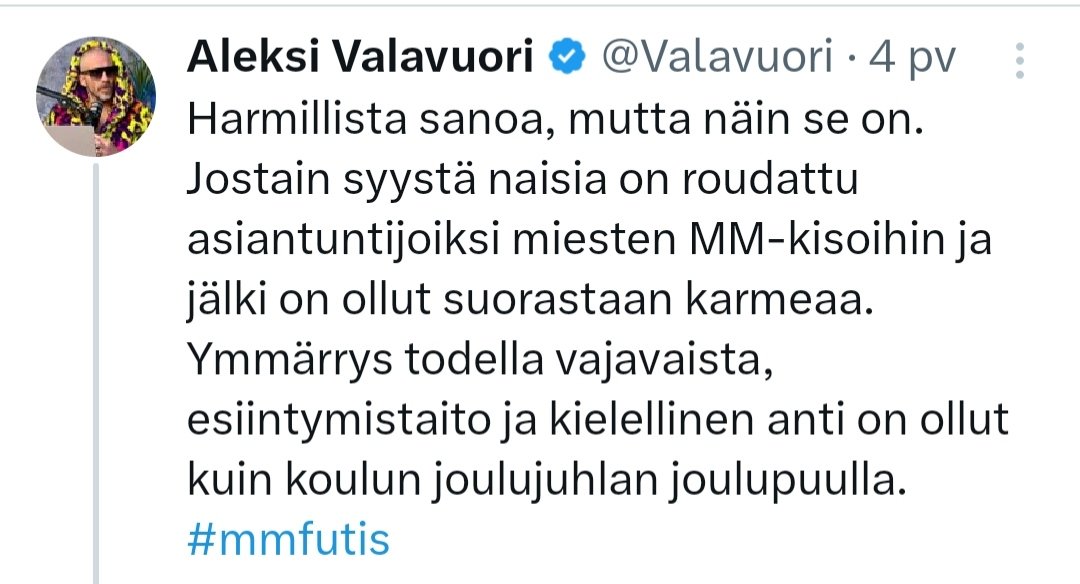

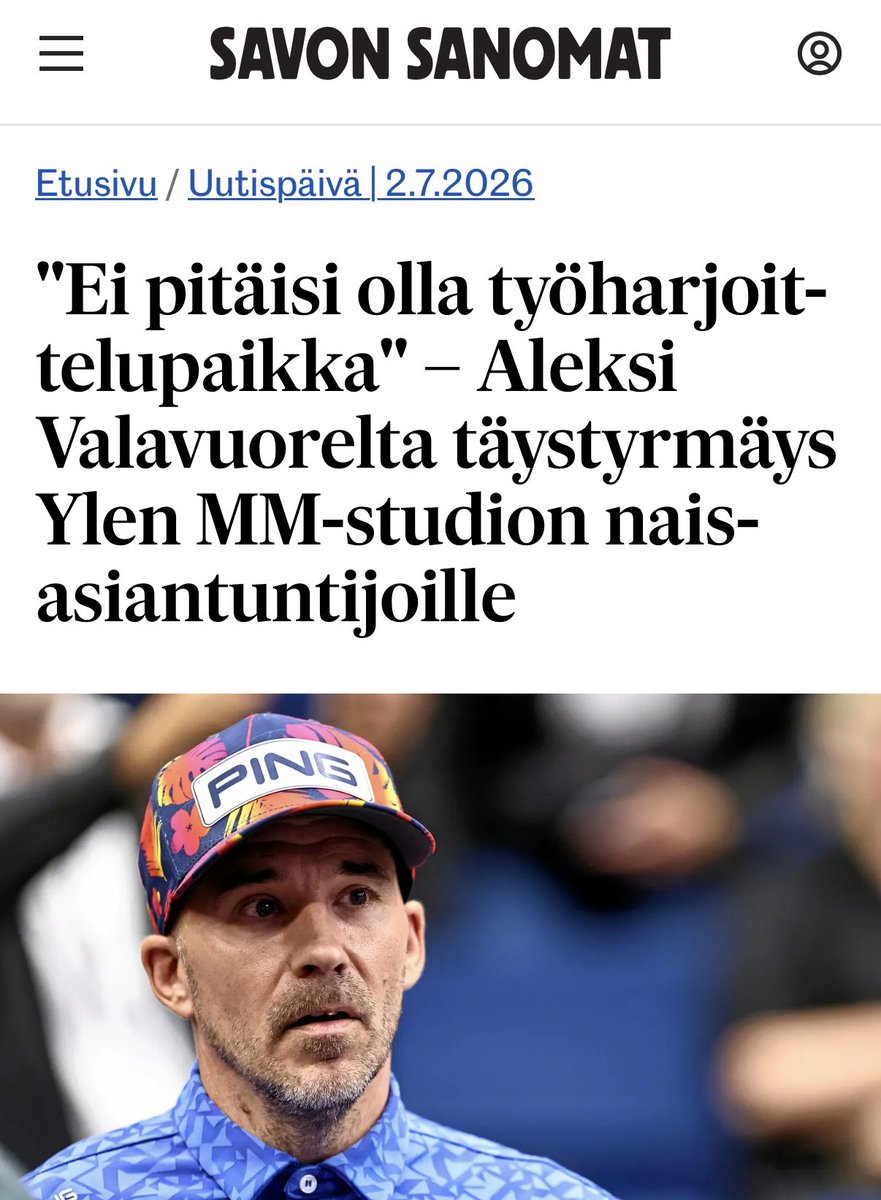
Näin myydään klikkejä, tällä kertaa Savossa. Jos katsot tuon kannanottoni kokonaisuudessaan, löytyy videoistani, pääsanoma oli ihan jotain muuta kuin Ylen naiset. Näin myydään myös naisvihaa, jota kannanotossani oli tasan 0%. Olen aina ollut ja tulen aina olemaan suuri naisurheilun tukija ja sanon aina asiat suoraan, siinä se mun respect on. Muuta tapaa en osaa enkä edes halua osata.
Suomi
@akainen_tati @SFjder Mutta kulttuurimme lakkaa olemasta kohta. Olette tuoneet afrikasta ja lähi-idästä vauvantekokoneita jotka tuovat oman kulttuurinsa tänne hävittäen alkuperäisen
Suomi

@SFjder Mikä taho tukee suomalaista kulttuuria ja taidetta, jos sitä ei Suomi tue. Ilman kulttuuria emme ole mitään.
Sen sijaan voisimme laittaa katon ylisuurille eläkkeille. Kaikki yli 3 000 euron eläkkeet leikkuriin!
Suomi

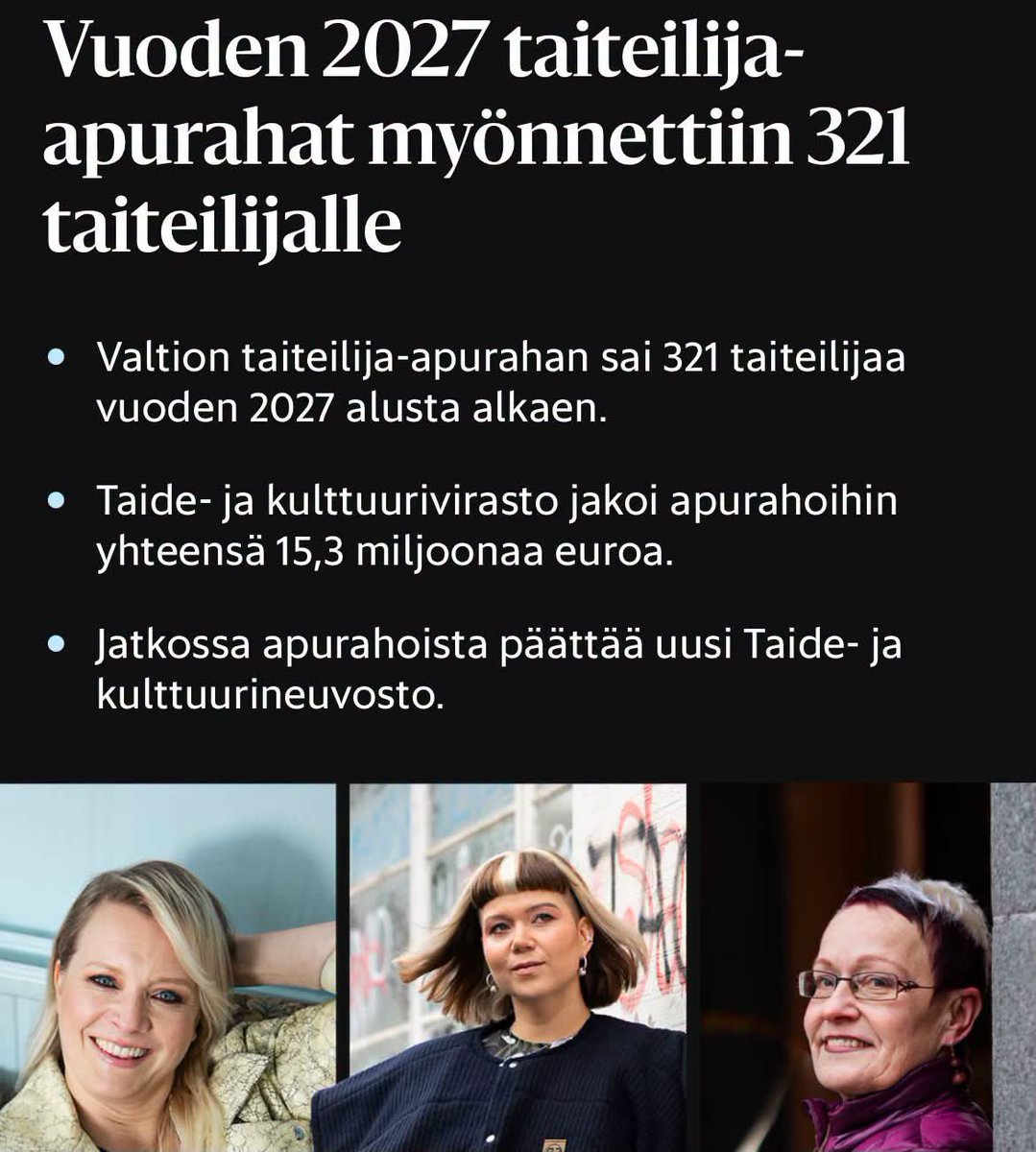
Taiteilijoita koulutetaan. Se on ammatti kuten muutkin. Ihmettelen että maksetaan näitä apurahoja. Jos oma taide ei menevkaupaksi,pitää lopettaa,ja mennä toiseen työhön. Miksi minun pitää veronmaksajana ylläpitää taiteilijoiden elämistä ja asumista.Leikkuriin! #taiteilijaapurahat
Suomi
@minjakoskela Molemmat ootte äärivassareita, molemmat haluatte äänestäjiä ulkomailta jotka tuhoaa sivistyksen, molemmat haluatte verottaa yrittäjän kuoliaaksi.
Suomi

Mutta siis, jos joku miettii, mikä ero on demareilla ja vasemmistolla, niin kannattaa lukea Räsäsen haastattelu. En näe juuri eroa kokoomuksen argumentteihin. 2/2
Suomi
Hyvin rehellistä puhetta sdp:n linjasta! Tosin Räsäsen väite, että 8–11 miljardin euron nettosopeutus ei tekisi hallaa hyvinvointivaltiolle, on utopiaa. Orpon hallitus on nettosopeuttanut 2,8 miljardia. Jo sillä on laitettu hyvinvointivaltio polvilleen.1/2 is.fi/politiikka/art…
Suomi
@PekkaIlmari Muistatko pekka kun paniikissa pistit ton hehimin nimees ku pelkäsit cancelointia?
Suomi

Hmm🤔
toomas hendrik ilves@IlvesToomas
Russia asks Kazakhstan, Georgia and Azerbaijan to close their borders with Russia. Mobilization coming. Скоро наступит чёрный август. По информации от источника, Кремль провёл закрытые консультации с руководством нескольких соседних стран (в первую очередь Казахстан, в меньшей степени Грузия, возможно Азербайджан и другие) о временном закрытии въезда/выезда из РФ осенью 2026года. Россия сама границы перекрывать не будет — официально всё останется открыто. Закрытие организуют именно соседние страны на своей стороне: «технические проблемы», «усиление контроля», «учения» или «санитарные меры». Таким образом, выехать из России станет крайне сложно или практически невозможно в нужный период. Цель — обеспечение проведения какого-то крупного «события» внутри страны в условиях максимальной изоляции от внешнего мира и минимизации оттока населения/специалистов. Пока это именно неподтверждённая информация, но несколько независимых друг от друга контактов в приграничных регионах начали намекать на «неприятные сюрпризы» в логистике уже с сентября-октября. ___ Запись #711, 01 июля 2026. Дневник разведчик
QST
@kurvisentwiit Sinä olit hyväksynyt jo kutsun debaattiin @BergbomMiko vastaan, peruit sen kuitenkin. Onko se helpompi netissä vaan trollata ja kiukutella kuin ottaa selkäänsä 1v1 livenä?
Suomi
Näkemyksellistä asiaa mm. talouspolitiikasta, turvallisuuspolitiikasta ja tekoälystä 💪🏼
Suomi
Erinomainen ex-pääministeri Juha Sipilän haastattelu. Punnittua analyyttistä pohdintaa kokemuksen äänellä. Lukusuositus. is.fi/politiikka/art…
Suomi
@kurvisentwiit Sinä olit hyväksynyt jo kutsun debaattiin @BergbomMiko vastaan, peruit sen kuitenkin. Onko se helpompi netissä vaan trollata ja kiukutella kuin ottaa selkäänsä 1v1 livenä?
Suomi
@keskusta Sinä olit hyväksynyt jo kutsun debaattiin @BergbomMiko vastaan, peruit sen kuitenkin. Onko se helpompi netissä vaan trollata ja kiukutella kuin ottaa selkäänsä 1v1 livenä?
Suomi

Maanomistajien omaisuudensuojasta ei saa tinkiä!
Ehdotimme reunaehtoja ennallistamissuunnitelmaan, joilla maanomistajien oikeuksista olisi pidetty kiinni. Orpon ja Purran hallitus äänesti kaikki ehdotuksemme kumoon eduskunnassa.
Hallitus petti maanomistajat.
Suomi
@kurvisentwiit @PetteriOrpo @kokoomus @persut Sinä olit hyväksynyt jo kutsun debaattiin @BergbomMiko vastaan, peruit sen kuitenkin. Onko se helpompi netissä vaan trollata ja kiukutella kuin ottaa selkäänsä 1v1 livenä?
Suomi
PM @PetteriOrpo kertoi infossaan politiikan arjesta - miten puolueet asettavat neuvottelutavoitteitaan ”koreja” ja priorisoivat. Kesätunnelmissa mietin, että harmi ettei kuluneen vaalikauden 3 vuoden aikana @kokoomus eikä @persut ”koreihin” ole Etelä-Pohjanmaan hankkeita mahtunut
Suomi
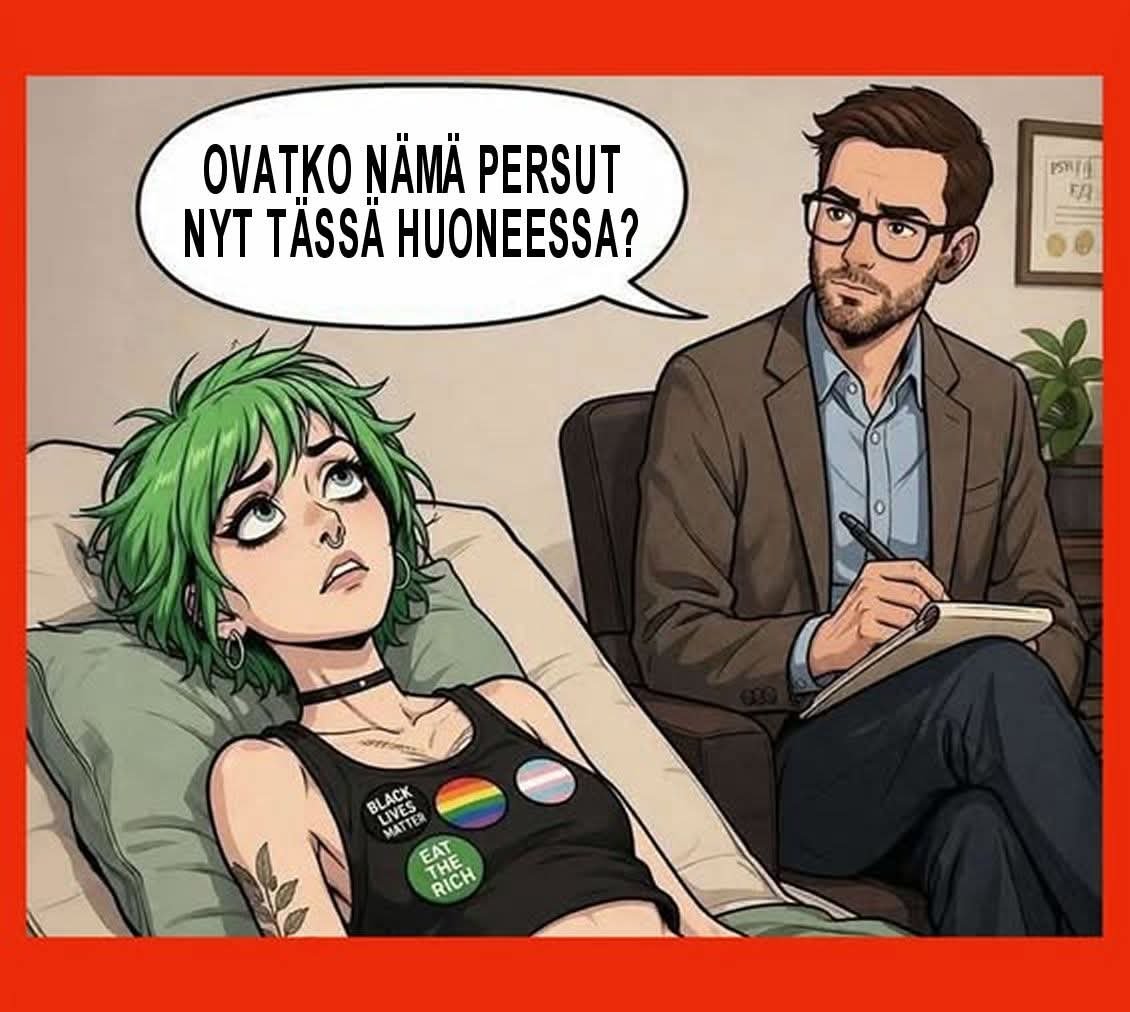
Persut on parasta mainosta Pridelle 🌈🏳️🌈🏳️⚧️👨👨👦👩❤️👩👨👨👦👦👩❤️💋👩👨❤️👨! Niin paljon he siitä puhuvat, että kukaan ei jää vaille tätä ilosanomaa 🌞
Suomi
@PekkaIlmari Muistatko pekka kun paniikissa pistit ton hehimin nimees ku pelkäsit cancelointia?
Suomi
@KatariinaSouri Mitä ikinä pride tyypit haluaakaan, se on epäonnistut. Ei suuret massat olleet ikinä pridettäjiä vastaan, mutta nykyisen sekoilun ja pakottamisen, ujriutumisen yms vuoksi on.
Suomi

Pride-viikko loppui juuri. Sosiaalisen median kirjoituksia ja kommentteja lukiessa on käynyt ilmeiseksi, että liikkeellä on vakavia haasteita viedä tärkeää yhdenvertaisuuden aatetta enää laaja-alaisesti eteenpäin, sillä nykyinen toiminta aiheuttaa merkittävässä osassa ihmisiä vahvoja vastareaktioita.
Sama ilmiö tapahtui woken suhteen. Hyvää tarkoittava sosiaalinen liike muuttui ajan myötä lähes omaksi irvikuvakseen. Ei riittänyt, että ihmiset pyrkivät olemaan valveutuneita ja halusivat vastustaa yhteiskunnallista epäoikeudenmukaisuutta ja rasismia, vaan heidän oli alistuttava sanelupolitiikalle ja yksityiskohtaisille ohjeille siitä, miten saa puhua, ajatella ja toimia, tai jopa mitä vaatteita on lupa käyttää, tai minkälaista taidetta saa tehdä ja esittää.
Niin seksuaalisen, kulttuurisen kuin sukupuoliakin koskevan tasa-arvon ja yhdenvertaisuuden tärkeän aatteen ympärille syntyi suoranainen armottomuuden ja vihollistamisen kulttuuri. Ns. tavalliset ihmiset alkoivat pelätä tahattomien virheiden tekemistä ja joutumista julkiseen jalkapuuhun tai häpeäpaaluun.
Kun suhteellisuudentaju vaatimusten kohdalla katoaa, niin katoaa helposti myös ihmisten empatia ja aito halu ymmärtää ja hyväksyä erilaisuutta. On valitettavaa, että kautta historian erilaiset hyvää asiaa ajavat liikkeet ovat lopulta kompastuneet ylilyönteihin ja puhdasoppisuuden vaatimukseen. Tavalliset ihmiset putoavat kelkasta ja liike alkaa syödä omiaan.
Indentiteettipolitiikan ympärille rakentuvan aktivismin toinen ongelma on siinä, että kun tärkeää edistystä tasa-arvon ja suvaitsevaisuuden rintamalla saavutetaan, niin liikkeen on löydettävä yhä uusia tavoitteita, joilla se edistää omaa kasvuaan.
Lopulta toiminta kohtaa omat rajansa, ja seurauksena on suuren yleisön negatiivinen reaktiovyöry ja vastavoiman vahvistuminen. Ihmisten arkijärki ei taivu enää äärimmäisyyksiin, vaan kääntyy vastustamaan liikettä, joka näyttää erkaantuvan todellisista ongelmista.
2010-luvun alkupuolella toin itse avoimesti julkisuudessa esiin ihmissuhteeni ja avioliittoni muunsukupuolisen henkilön kanssa. Muita ihmissuhteitani en ollut julkisesti esitellyt 20 vuoteen, mutta halusin avoimuudellani osaltani edistää seksuaali- ja sukupuolivähemmistöjen asemaa.
En kuitenkaan ole koskaan itse osallistunut Prideen. Olen kokenut liikkeen vahvasti politisoituneeksi, kaupallistuneeksi ja yliseksualisoituneeksi. Pride ei ole edustanut minulle vapautta enkä ole koskaan halunnut jäädä minkään ideologisesti kireän aatteen, akateemisen teorian tai itseään tyrkyttävän liikkeen panttivangiksi.
Seksuaalisuudesta on tullut yhteiskunnallinen identiteettiprojekti, joka herkästi lukitsee ihmiset lokeroihin, vaikka todellisuudessa seksuaalisuus on alati muuttuvaa ja virtaavaa, ja monille hyvinkin henkilökohtaista ja yksityistä.
Sateenkaariliikkeen tulisi mielestäni kyetä ymmärtämään myös seksuaalisuuteen monille liittyvä pyhyys ja yksityisyys. Toivon että liike kykenisi kriittiseen itsetutkiskeluun ja miettisi, edistääkö sen nykyinen toiminta parhaimmalla mahdollisella tavalla vähemmistöjen äärimmäisen tärkeää asiaa.
Suomi