“I opened a N10 million business for my wife and it was almost closed down because of the high cost of fuel. This is why most smaller businesses in Nigeria don't survive.”
This young man made a very insightful revelation about the hardships most businesses face under Tinubu!✍️
“For an Igbo man that claims he knows business, Blord is d?mb. Other Igbo business men too decided to show how d?mb they are because of bigotry and tr!b?lism.”
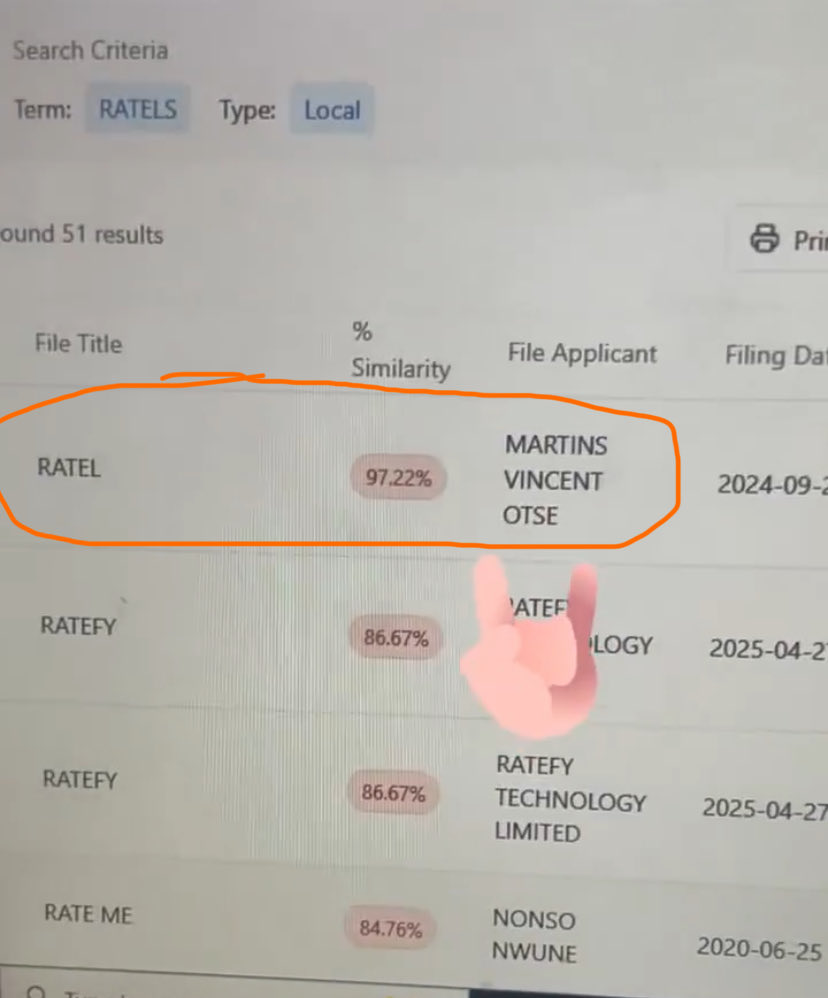
— VeryDarkMan says as he reveals he’s trademarked “ratel” since September 25, 2024. 😂😭🙆🏾♂️
@Wealth_SOL@AsakyGRN You gullible fools Oya show us Ratels on the keyword search. Have you seen Ratels or Ratel group as he claims….. you father gave birth to stupid fool😏😏 Ozuor
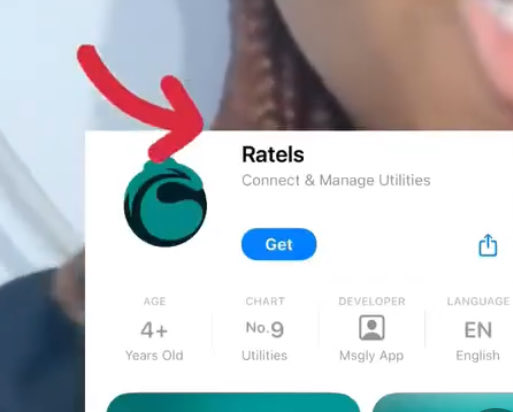
@AsakyGRN See the screenshots, VDM obviously trademarked “RATEL”, while Blord’s app is named “RATELS”.
I don’t think “RATEL” and “RATELS” are exactly the same in the eyes of the law.😂🤔
Hope say these people no Dey use us catch cruise.
If you want be my baby father I will give you 10 million naira but you can’t wake up tomorrow and start laying claims of the child, so because of that we’re going to enter into a legal agreement - Lady
Nigeria Sets New Rules for Crypto Taxation in 2026
Nigeria has introduced a new cryptocurrency taxation framework under the Nigerian Tax Administration Act (NTAA) 2025, coming into full effect in 2026.
The law brings digital assets into the official tax system by linking crypto transactions to Tax Identification Numbers (TINs) and National Identification Numbers (NINs), marking a major step toward formalizing the rapidly growing crypto market.
All cryptocurrency transactions must now be tied to verified identities, and Virtual Asset Service Providers (VASPs) such as exchanges and brokers are required to register with tax authorities, conduct strict KYC checks, and report monthly transaction data.
Records of customers and transactions must be kept for at least seven years, and large or suspicious transactions must be reported to the Nigerian Financial Intelligence Unit (NFIU). Non-compliance can lead to fines up to ₦10 million or license revocation.
Rather than monitoring blockchain activity directly, the government will rely on VASPs to track crypto activity. This approach allows oversight while preserving blockchain security and aligns Nigeria with global standards such as the OECD’s Crypto Asset Reporting Framework (CARF), placing the country within the international crypto compliance system.
Nigeria remains one of the fastest-growing crypto markets in the world, with transaction volumes totaling an estimated $92.1 billion between July 2024 and June 2025. Even partial taxation of this activity could generate substantial revenue, supporting the government’s goal of raising the tax-to-GDP ratio from below 10% to 18% by 2027 and reducing reliance on oil revenues.
Overall, the Nigeria Crypto Tax Law 2026 creates a transparent and enforceable framework linking digital assets to real-world identities. It is likely to strengthen market credibility, encourage formalization, and support long-term growth, reshaping the country’s cryptocurrency landscape while boosting government revenue.