

Brian
1.4K posts

🏳️🌈 APRÈS LES ZINZINS À PÉNIS QUI SE PRENNENT POUR DES FEMMES, APRÈS LES ZINZINS QUI SE PRENNENT POUR DES CHIENS, APRÈS LES ZINZINS QUI SE PRENNENT POUR DES RENARDS, VOICI LES ZINZINS QUI SE PRENNENT POUR DES CHEVEAUX !!!
Mais jusqu'où s'arrêteront-ils ?
Français
@DestinationTele Ceux qui sont en faute parlent toujours plus fort espérant ainsi couper court aux discussions !
Français

Il y a eu la grande classe de Vincent Bolloré la semaine dernière
Et il y a… Xavier Niel qui pète les plombs, éructe et menace de quitter la commission parlementaire
Français
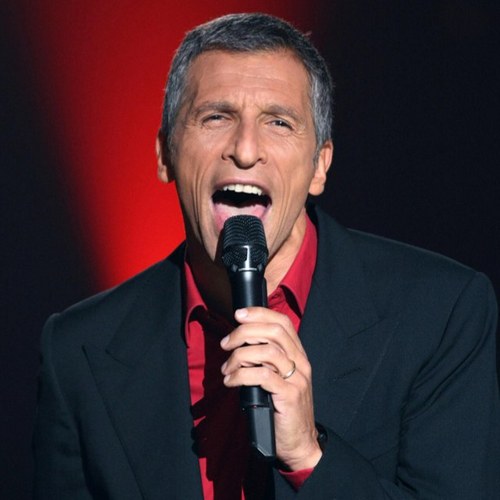
@jon_delorraine Une fois qu’ils ne seront plus protégés par la macronie,ils se dévoreront entre eux !
Français

🔴🇫🇷 VERSION LONGUE - COMMISSION AUDIOVISUEL PUBLIC
Le début de la passe d'armes entre Charles Alloncle et Nagui.
00:00 – Alloncle demande pourquoi autant de "véhémence", Nagui dit que c'est pour répondre aux attaques, le ton monte rapidement.
01:53 – Le rapporteur cite la vidéo vue par 500 000 personnes qui lui a valu des milliers de menaces de mort
02:51 – Nagui s'en prend au rapporteur sans répondre à la question. Le président intervient.
04:23 – Rappel de l'enquête Mediapart : 100M€ de contrats entre Nagui et France TV en 3 ans (2017-2020)
04:52 – Les Guignols le surnommaient déjà "le voleur de patate" en 1996
06:10 – Rapport parlementaire 96 : le trio Nagui/Arthur/De la Rue captait 1/4 du budget de France TV à lui seul
07:53 – L'ironie de Nagui pour attaquer Allonce, "formidable moment de sincérité" d'Alloncle sur "la question du racisme", sans répondre à la question
08:19 – L'explication lunaire de Nagui sur la TVA pour expliquer le paiement de ses émissions
11:25 – La Cour des comptes 1997 cite nommément la société de Nagui pour "libéralité importante"
11:47 – Condamnation du tribunal de commerce 1995 : comportement déloyal, favoritisme, amende de 5,4M de francs
13:00 – Nagui : "je ne suis même pas au courant de cette condamnation"
13:21 – Il explique le dossier "N'oubliez pas votre brosse à dents" et la décision de France 2 de court-circuiter les producteurs
16:28 – Le président corrige : France 2 ET la société de Nagui ont bien toutes les deux été condamnées
19:36 – Nagui, sur un supposé "lobby TF1" contre le service public : "je n'ai pas de preuve, je dis ça comme ça"
19:57 – Le rapporteur rappelle sur la condamnation: "toute la vérité, rien que la vérité". Avoir affirmé que sa société n'avait pas été condamnée alors que si "peut s'apparenter à un délit". Il avertit que chaque réponse donnée sous serment ne dit pas faire de parjure.
Français
@MarionVanR L’UE étant ruinée,le comédien va continuer de remplir son portefeuille dans les pays du golfe ! Mauvaise pioche,21 dronistes déjà éliminés dès le premier jour !
Français

Pendant que Trump se noie dans le détroit d’Ormuz et pactise avec Poutine, Zelensky signe un accord de coopération avec les alliés 🇺🇸 du Golfe.
L’🇺🇦 leur propose 1000 drones intercepteurs/jour à 2100$, contre des missiles Patriot à 3,9M pour se défendre face au copain de Trump.
Shanaka Anslem Perera ⚡@shanaka86
BREAKING: Zelensky just landed in the UAE and signed a defence cooperation agreement with President MBZ. The deal on the table changes everything about this war. Ukraine is offering Gulf states 1,000 drone interceptors per day. Each Sting interceptor costs $2,100. Each Patriot missile it replaces costs $3.9 million. In exchange, Ukraine wants the Patriot missiles the Gulf states are burning through, because Kyiv cannot get enough of them to stop Russian missiles. Read that again. The country America refused to arm fast enough is now arming America’s allies with a weapon that costs 1,857 times less than the one America cannot produce fast enough. The National reported on March 27 that Zelensky told reporters: “We’d like to quietly receive the Patriot missiles we have a deficit of, and give them a corresponding number of interceptors.” AFP confirmed the UAE agreement on March 28. Eleven countries have formally requested Ukraine’s drone defence expertise per Zelensky’s own count. Over 200 Ukrainian military specialists are already deployed across the UAE, Qatar, Saudi Arabia, Kuwait, and Jordan. Here is the arithmetic that should terrify every Pentagon procurement officer on earth. The United States fired 943 Patriot interceptors in the first four days of the Iran war per a US Congressional study cited by the Jerusalem Post. That is eighteen months of Lockheed Martin’s annual production consumed in 96 hours. Each of those 943 shots cost $3.9 million. Total expenditure: $3.68 billion in four days on defensive interceptions alone. Iran produces 10,000 Shahed drones per month per Reuters. Each drone costs $20,000 to $50,000. The cost exchange ratio is 114 to 1 in Iran’s favour per Military Times. Ukraine’s Sting interceptor inverts this arithmetic entirely. At $2,100, the cost ratio flips from 114-to-1 against America to roughly 10-to-1 against Iran. Ukraine can supply 1,000 per day. That is 30,000 per month against Iran’s 10,000 Shaheds per month. For the first time in this war, the defender’s production rate exceeds the attacker’s production rate at a fraction of the cost. And the country that built this weapon is the same country that Trump publicly rejected. “No, they are not helping. We do not need their help. We know more about drones than anyone else” per Fox News. He doubled down: “The last person we need help from is Zelensky.” Meanwhile the Pentagon notified Congress of plans to redirect $750 million in Ukraine-bound Patriot missiles to Gulf states per House of Saud reporting. America is simultaneously refusing Ukraine’s cheap solution and cannibalising Ukraine’s expensive one. Zelensky framed this explicitly. He told The National: “No matter how many Patriots, THAADs, or other air-defence systems are in the Middle East, that alone is not enough for fully effective air defence.” He told the UK Parliament: “When it comes to shooting down massive Shahed attacks, only Ukrainian experience can really help with this today.” The Pentagon is spending $3.9 million per interception, raiding Swiss fighter jet accounts to cover shortfalls, and diverting Ukraine’s own Patriot supply to the Gulf. Zelensky is offering the same result for $2,100 and producing 1,000 units per day. The market has a word for this kind of disruption. The $2,100 drone is the most important weapon in this war. And the country that built it is the one America said it did not need. Full analysis - open.substack.com/pub/shanakaans…
Français
@AmourskyCyrille Cela s’appelle la pluralité de l’info que cela plaise ou non ! Il n’y a pas un seul point de vue,n’en déplaise aux excités du bulbe !
Français

🤬 Coup de gueule.
J’ai regardé l’interview avec Lavrov en entier : c’est un naufrage.
Comment peut-on laisser un propagandiste dégueuler ses mensonges sans la moindre contradiction ?
Comment oublier Boutcha, Marioupol, nos collègues tués délibérément par le Kremlin ?
HONTE !
Français

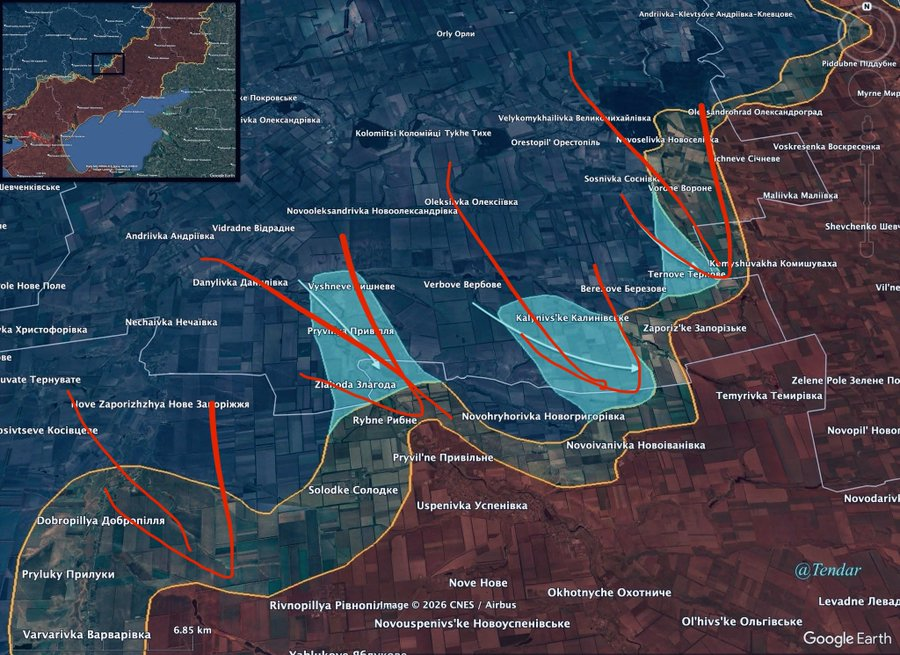
L'UKRAINE EST EN TRAIN DE GAGNER. 🇺🇦
Nouveaux gains dans la région de Dnipropetrovsk — les lignes russes cèdent sous l'impulsion de la contre-offensive.
La région du Dniepr pourrait bientôt être totalement libre de toute occupation.
L'histoire s'écrit en ce moment même.
Slava Ukraini. 🫡
Français
@ObsDelphi Encore et toujours de la politique spectacle ! Le quoi qu’il en coûte qui nous emmène toujours plus loin vers les abysses !
Français
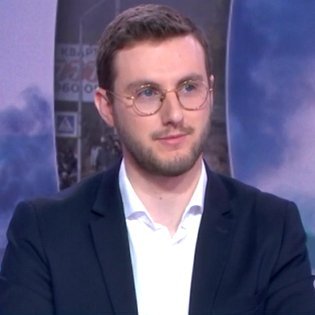
🇫🇷🇷🇺Nouveau cargo russe saisi par la France !
La Marine nationale a mené une opération en haute mer contre un pétrolier en provenance de Mourmansk, soupçonné d’arborer un faux pavillon.
Ce type de contrôle n’a rien d’anodin, il vise directement les pratiques opaques de la flotte fantôme russe, utilisée pour contourner les sanctions internationales. L’escorte du navire vers un point de mouillage montre une montée en puissance des contrôles européens.
Derrière ces actions, il y a un enjeu stratégique clair : empêcher Moscou d’exploiter des réseaux parallèles pour continuer à financer son effort de guerre.
Il ne faut rien lâcher sur cette flotte fantôme. Chaque contrôle, chaque interception fragilise ce système clandestin et renforce la crédibilité des sanctions. C’est un combat discret, mais absolument central dans la confrontation avec la Russie.
Surtout actuellement où, à cause de la guerre en Iran, la Russie tire d'énormes bénéfices de ses ventes d'hydrocarbures avec la hausse des prix. En sachant pertinemment que cet argent est réinjecté directement dans l'armée russe en Ukraine.
La France, en tant que puissance garante du droit international, fait son travail. Surtout que les vérifications ont confirmé des irrégularités, entraînant un signalement au procureur de Marseille. C’est une étape essentielle, car elle permet de judiciariser ces pratiques et de rappeler que ces navires ne sont pas hors de portée du droit, même en haute mer.
Bravo @MarineNationale 👏🫡🇫🇷
Louis Duclos@ObsDelphi
🇫🇷Lisez ce tweet pour être fier d'être français. La France est l’un des rares pays au monde capable d’agir seule sur tous les milieux : terre, mer, air, cyber et spatial. Cette autonomie stratégique repose sur des décennies d’investissements, une industrie de défense solide et une doctrine d’engagement claire, capable de répondre rapidement à n’importe quelle crise. Sa dissuasion nucléaire constitue le cœur de sa puissance. Avec ses sous-marins nucléaires lanceurs d’engins invisibles et ses missiles aéroportés, la France garantit une capacité de riposte permanente et indépendante. Peu de nations disposent d’une telle crédibilité capable de sanctuariser le territoire et de peser dans les équilibres internationaux. Sur le plan conventionnel, les forces françaises sont parmi les plus aguerries au monde. Elles enchaînent les opérations extérieures depuis des décennies, du Sahel au Levant, en passant par l’Europe de l’Est. Cette expérience du combat réel donne aux militaires français une capacité d’adaptation et une efficacité que beaucoup d’armées n’ont pas. La Marine nationale, avec son porte-avions à propulsion nucléaire, permet à la France de projeter sa puissance à des milliers de kilomètres de ses côtes. Peu de pays peuvent frapper loin, durablement et de manière autonome. Cette capacité est renforcée par des frégates modernes, des sous-marins d’attaque redoutables et un groupe aéronaval complet. La France conçoit ses propres avions de chasse, ses sous-marins, ses satellites et ses systèmes d’armes. Cette indépendance technologique lui permet de ne dépendre de personne pour se défendre et de rester une puissance respectée, capable d’influencer les rapports de force globaux. Soyons fiers d'être Français ! 🫡🇫🇷
Français
@Papaquipaie @rynex20 L’éco-conduite selon Bregeon est d’avoir un chauffeur ! Elle économise personnellement sur le carburant et laisse la facture aux contribuables !
Français

🚨💸 l'Italie va baisser le prix du carburant de 25 centimes pour 20 jours. Le Portugal et la Suède ont annoncé baisser les taxes sur le carburant.
Pendant ce temps en France on ne baisse aucune taxe annonce Maud Bregeon, on favorise l'éco-conduite 😡
Français
@jeanpire33 Si c’était avéré,les plateaux télé seraient en boucle H24 ! Propagande et désinformation sont la marque des perdants !
Français
Les chaînes russes 🇷🇺 font état de panique à Yunakivka.
L'Ukraine a franchi la frontière russe. Le 137e régiment cède, les 119e et 51e sont engagés pour colmater la brèche, et Tetkino continue de creuser des tunnels.
Prof. Bonk 🇺🇦 Perverse & Unintended Consequences@actfast
Russian 🇷🇺 channels are telegraphing panic in Yunakivka. Ukraine 🇺🇦 has crossed the Russian border. The 137th regiment folds, the 119th and 51st are thrown in to plug the breach, and Tetkino is still digging tunnels. This is not momentum. It is a front held together by panic.⬇️
Français
@KimJongUnique Une syndicaliste qui n’a pas encore son statut de permanent et qui s’en plaint !
Français
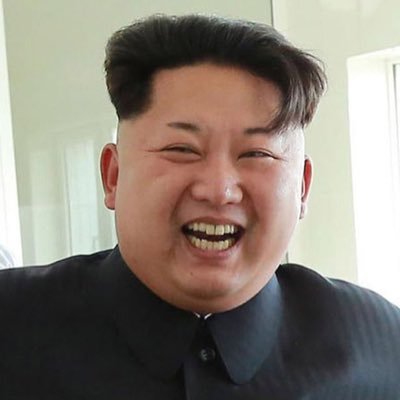
Josépha, militante LGBT et syndicaliste ultra-engagée, nous balance en 15 secondes pourquoi il faut voter la rupture dans sa ville.
Traduction sans filtre : on va tout casser, mais on n’a strictement aucune idée de ce qu’on reconstruira derrière. Le chaos sans plan, voilà le programme.
Français
@cox_steeve Que de contre-vérités,normal pour quelqu’un qui n’a jamais mis les pieds en Russie ! Qu’attendre de plus d’un petit soldat bien docile au service de la propagande européiste !
Français

RT n’est pas interdit pour ses opinions mais parce que c’est un média d’État utilisé comme outil de propagande dans une guerre d’agression.
La décision a été prise par l’UE après l’invasion de l’Ukraine.
Comparer cela à la Russie est absurde.
En Russie, les médias indépendants sont fermés, les journalistes emprisonnés et parler de « guerre » peut valoir des années de prison.
La différence est simple :
en Europe on combat la propagande d’État étrangère.
en Russie on fait taire sa propre presse.
Français
885 signataires déjà. Merci à tous.🙏
Mais on peut faire beaucoup plus.💪
La propagande du kremlin n’a rien à faire en France.
La liberté d’expression n’est pas le droit pour un média d’État russe de diffuser sa propagande en Europe.
Signez et partagez la pétition.
Ne laissons pas la désinformation s’installer.
#Ukraine
#UkraineNeverSurrenders
#France
#RussiaIsaTerroristStat
c.org/MxTcST5n5F
Français
🇺🇦❤️ Des nouvelles qui donnent chaud au cœur, surtout maintenant !
200 défenseurs, héros ukrainiens, sont de retour à la maison.
Certains ont passé près de 4 ans en captivité russe, sous la torture, l’humiliation et l’isolement total de leurs familles.
Gloire à l’Ukraine ! 🇺🇦

Français
@camille_moscow Il n’a jamais quitté son estrade au collège où il faisait déjà le pitre !
Français

☢️🇫🇷 MACRON SE PREND POUR DR FOLAMOUR : « JE N’HÉSITERAI JAMAIS À LANCER LA BOMBE, ET AUCUN ÉTAT NE SURVIVRA » !
« Notre pays possède cette arme extraordinaire qu’est l’arme nucléaire, base de sa sécurité. La chaîne de commandement est limpide : la décision finale repose uniquement sur le Président de la République.
Je le répète aujourd’hui avec conviction : en tant que Président, je n’hésiterai jamais à prendre les décisions nécessaires pour protéger nos intérêts vitaux. »
Qui a dit que la France n’avait plus de grandeur ? On a juste un président qui rêve d’être le dernier survivant du bunker. ☢️🇫🇷
Français
🚨 FRAPPES ISRAÉLO-AMÉRICAINES MASSIVES SUR L’IRAN
🇮🇱🇺🇸⚔️🇮🇷 Israël (avec soutien américain selon plusieurs sources) a lancé une frappe préventive d’ampleur sur l’Iran : environ 30 cibles touchées à travers le pays, dont :
👉 La résidence officielle du président Massoud Pezeshkian (tentative d’élimination ciblée rapportée par des sources israéliennes)
👉 Un important quartier général des services de renseignement (vraisemblablement lié aux Gardiens de la Révolution)
L’opération, qualifiée de « décapitation » viserait des assassinats ciblés de hauts responsables du régime : chaque missile aurait eu une « adresse précise ». Des explosions massives signalées à Téhéran, ainsi qu’à Karaj, Esfahan, Kermanshah, Qom et d’autres sites stratégiques.
→ Israël a déclaré l’état d’urgence nationale et appelle la population à rester dans les abris.
→ Washington aurait participé aux frappes.
→ L’opération pourrait durer 2 à 3 semaines d’après des rapports.
Le régime iranien est sous choc : communications perturbées, Khamenei déplacé vers un bunker sécurisé selon Reuters relayé sur la plateforme. Téhéran promet une riposte, mais les analystes estiment qu’elle pourrait être retardée de plusieurs heures.
(Vidéo : Missiles de croisière lancés par Israël-États-Unis en direction de l'Iran observés dans les cieux au-dessus de l'Irak.)
Français
@ObsDelphi Le conditionnel est infiniment plus dangereux avec tes élucubrations quotidiennes !
Français
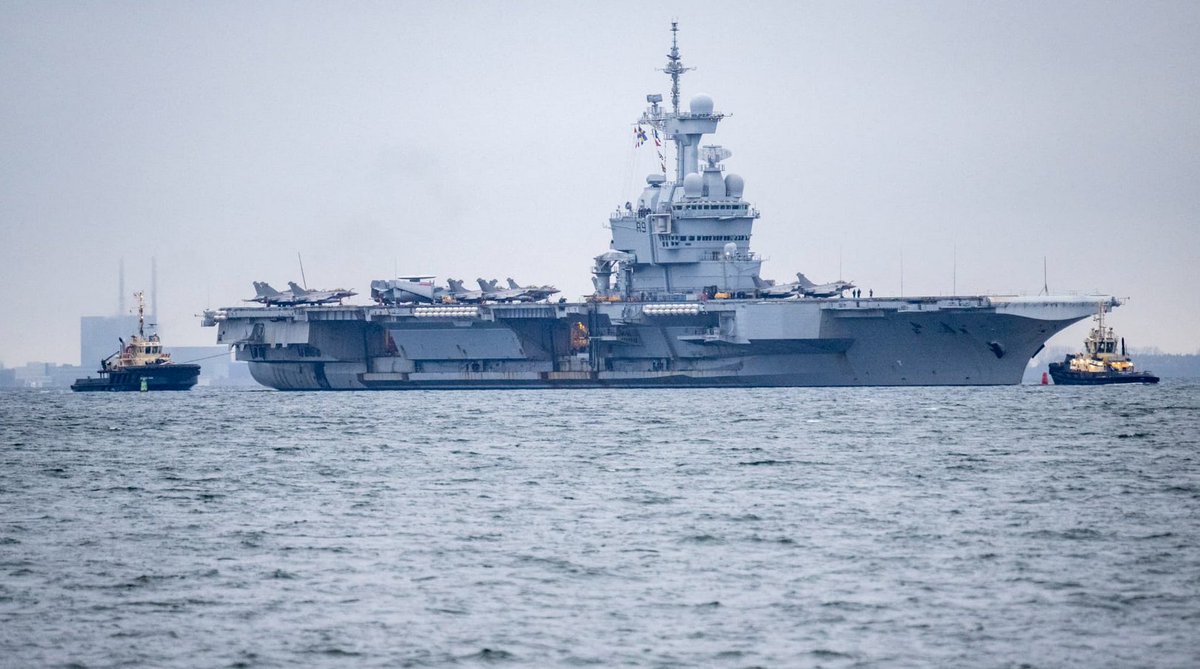
🇫🇷🇷🇺Un drone russe s'est approché du porte-avion Charles de Gaulle en Suède.
Le drone aurait été lancé depuis un navire russe passant à proximité du CDG.
D'après la source suédoise, des moyens de guerre électronique auraient été immédiatement déployés contre le drone qui aurait disparu. Il n'y a pas plus d'informations pour le moment, il faudra attendre une communication de la @MarineNationale.
Il s'agit d'une nouvelle manœuvre d'intimidation de la part de la Russie qui franchit, encore une fois, un nouveau palier dans sa guerre hybride contre l'OTAN et notamment contre la France. Cet événement n'est certainement pas anodin, c'est un grave incident de sécurité.
Dans ce type de scénario, il faudrait que la marine suédoise puisse identifier le navire ayant lancé le drone pour ensuite le suivre, l'arraisonner et interroger tous les personnels à bord. Il est probable que cela n'arrivera pas et que la Russie s'en tire une nouvelle fois.
Jeu trouble en Mer Baltique où les tensions continuent de monter à l'initiative de la Russie. Aller jusqu'à envoyer un drone près de l'unique porte-avion d'une puissance nucléaire, c'est qu'il y a une vraie intention de déstabilisation et d'intimidation.
Il ne faut pas prendre cet événement à la légère.
Français
@ObsDelphi Votre propagande journalière se heurte continuellement sur le mur du réel et je ne prendrais qu’un seul exemple pour faire court : dette publique française à 116% du PIB,17% pour la Russie !
Français
🇷🇺🇺🇦C'est la réalité.
Après 4 ans de guerre et plus d'un million de pertes, la Russie n'occupe toujours pas l'intégralité du Donbass.
Ils ont perdu des centaines de milliards de dollars que ce soit dans les boycott des ventes d'hydrocarbures, les sanctions internationales ou la production de matériel militaire (sans compter le prix du matériel détruit) pour soutenir l'effort de guerre.
La Russie, puissance extrêmement centralisée autour de son tsar Vladimir Poutine, a quand même vécu une tentative de coup d'État avec Yevgueny Prigozhyn ce qui aurait été absolument impensable avant la guerre. Avec la crise économique on rajoute donc la crise politique.
En 2022, la Russie connaissait déjà une importante crise démographique mais là c'est bien pire après autant de morts. Sans compter les prochaines mobilisations à venir qui vont endommager encore plus l'économie en perdant de la main d’œuvre capable.
On peut également mentionner la bombe à retardement que représentent les centaines de milliers de soldats traumatisés par cette guerre horrible qui reviendront un jour chez eux. Ils n'auront aucun soutien psychologique, ne pourront pas trouver de travail et devront survivre à leur PTSD dans des conditions très précaires, sans aide.
À l'international, c'est une humiliation. Tout le monde pensait que l'armée russe était terrible et au final elle rame comme pas possible depuis 4 ans face à l'Ukraine, un pays qu'elle considère comme vassal et inférieur à tout point de vue.
Les soldats russes attaquent à cheval contre des drones, se suicident seuls dans des tranchées ou bien s'entretuent pour éviter de participer aux assauts. Les officiers ultra corrompus choisissent ceux qui mourront parmi ceux qui ne peuvent pas les payer. Ceux qui refusent d'y aller sont torturés et assassinés.
La Russie s'est auto-humiliée, toute seule comme une grande. De cet échec va naître encore plus de ressentiment qui les poussera à attaquer un voisin, à nouveau, quitte à s'enfoncer toujours plus loin dans la crise et le désespoir.
La définition même de la fuite en avant.
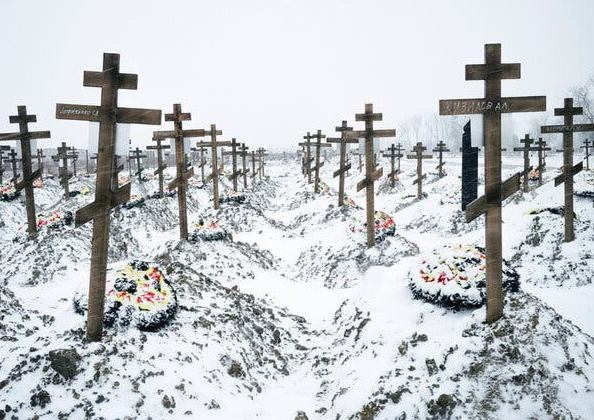
Le Parisien@le_Parisien
« Les caisses de la Russie sont vides », un « échec cuisant et humiliant » en Ukraine… Jean-Noël Barrot tacle Vladimir Poutine ➡️ l.leparisien.fr/oLDo
Français
@jon_delorraine 200 ventes attendues famille comprise et c’est déjà bien assez !
Français
Les députés sont tellement submergés qu'ils ont le temps d'écrire des livres et de faire la promo sur leur temps de travail.
Français
@ObsDelphi À l’image des dirigeants européens,notamment français et allemands,tu pérores dans le vide ! Le train est passé et nombre d’idiots utiles ne sont pas montés à bord !
Français
🇧🇪🇺🇸Donald Trump est revenu au pouvoir il y a un peu plus d'un an.
Depuis, c'est Danemark, Belgique, et Allemagne (j'en oublie peut-être d'autres) qui ont exprimé un intérêt pour le F-35 malgré les tensions avec Donald Trump.
Le message envoyé au reste du monde est catastrophique tout simplement parce que cela montre que vous pouvez insulter, menacer d'annexion, mener une guerre économique contre l'Europe et elle vous achètera quand même vos avions.
Nous avons les moyens en Europe de produire d'excellents avions. Eurofighter, Rafale, JAS 39 Gripen, l'industrie de défense aéronautique européenne est capable et en pleine montée en puissance. En face, c'est un pays, les États-Unis, qui s'ingère violemment dans nos politiques intérieures et nous menace constamment.
L'épisode du Groenland n'est pas à minimiser, ni à oublier. Comment l'Europe peut-elle espérer passer pour une puissance autonome et crédible si certains membres importants continuent à signer pour la dépendance envers un pays qui menace d'annexion leur allié ?
Crise de confiance, crise de courage, aveuglement stratégique, appelez cela comme vous voulez mais derrière les beaux discours dans les événements internationaux, on voit bien que ce ne sont que des succès d'estrade. Et soyons un peu critique envers la France : en sortant seulement 2 Rafales par mois avec un carnet de commande plein à craquer, nous ne sommes pas au niveau non-plus pour fournir toute l'Europe.
Après 4 ans de guerre en Ukraine et 1 an de présidence Trump, certains pays européens continuent à se mettre de la javel dans les yeux pour se forcer à ne pas voir les changements profonds qui s'opèrent tout autour d'eux.
Ce n'est pas la fin du monde mais c'est inquiétant pour la suite et un signal négatif lancé à l'unité européenne.
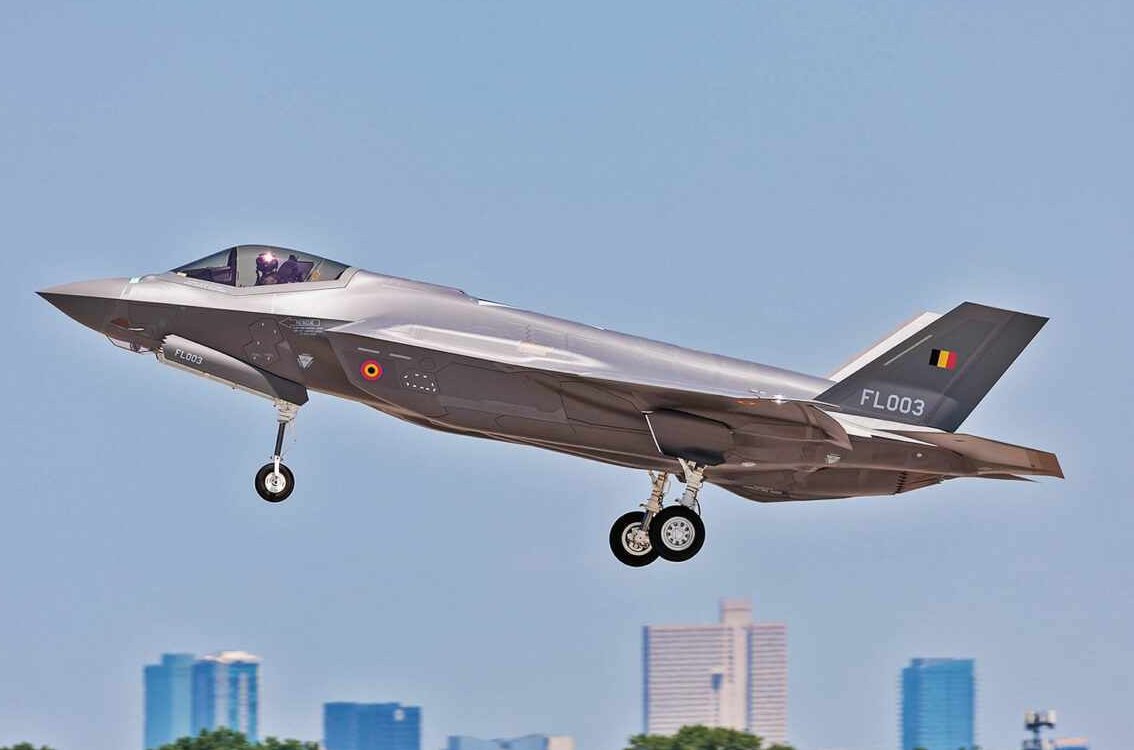
Little Think Tank@L_ThinkTank
❗️ [ 🇧🇪 BELGIQUE | 🇺🇸 ÉTATS-UNIS | 🇫🇷 FRANCE ] 🔸 La Belgique annonce vouloir commander 11 F‑35A supplémentaires auprès de Lockheed Martin, portant sa flotte prévue à 45 appareils, confirmant définitivement l’abandon du Rafale français. L’intention de signer un contrat en 2026 a été confirmée en marge de la conférence de Munich, dans un contexte d’investissements militaires de 34 milliards d’euros d’ici 2034. Bruxelles évoque une « européanisation » partielle de ces avions, mais ils restent dépendants des États‑Unis pour les mises à jour, la logistique et certaines autorisations d’emploi.
Français