

π
11 posts


@fimmlok @Cheeseprank1 when was it mentioned again, I thought it was in multiplication but no
English

#MLBS6Spoilers watch Felix is gonna start going to the school with the rest of them
English
@dekuriyaaa I know Marinette was manipulated by Gabriel to lie, but why was she trying to convince him he was a good father and a good person in this episode !! Adrien will be more heartbroken knowing all those people lied to him than it would be to know his father was monarch from the start
English

this isn’t just about hiding the truth anymore, Maribug is actively sabotaging Adrien’s attempts to understand who his father really was and forcing a false image of Gabriel into his mind, and when Adrien connects all the dots he’s gonna be absolutely heartbroken
#MLBS6Spoilers
English
@dekuriyaaa How Adrien was that oblivious !! and everyone is just manipulating him and lying to him it made me sad 😭😭 Even the therapist's work will go in vain because everything he knows is just based on lies !!
English
instead of lady chaos the ep should've been called "the biggest gaslighting in the history of humanity" because wow there's no way 😭😭😭
#MLBS6Spoilers
English

Are they going to study at the same school?🥹🤏
#mlbs6spoilers
Finn✩ || Alya Truther@Finncesaire
OK SO FÉLIX IS MOVING TO PARIS NOW HE CAN ACTUALLY JOIN THE FRIEND GROUP #mlbs6spoilers
English

في السؤال حط لك جذر عشان تنسى انه مجرد عدد ثابت وتروح تشتقه كأنه متغير 😆
Misa𐙚@_misao2
المنظر ممكن يخدعك 💡
العربية
@aepqueenb Luka knew marinette liked Adrien and still dated her but no one hated , and kagami didn't ruin Adrienette she just liked Adrien , she didn't prevent mari from confessing her feelings or did anything 😭😭! I didn't understand the hate
English

does anyone remember the hate kagami used to get by adrienette stans back in 2021? when people used to hate on her for “ruining” the relationship between adrien and mari?
but at the same time they said nothing about luka, just cause he is a boy?

English



It feels so invasive when I think about the public knowing of Severus's affections towards Lily and other private details from his life, given that he was so secluded and secretive about it
English
π retweetledi

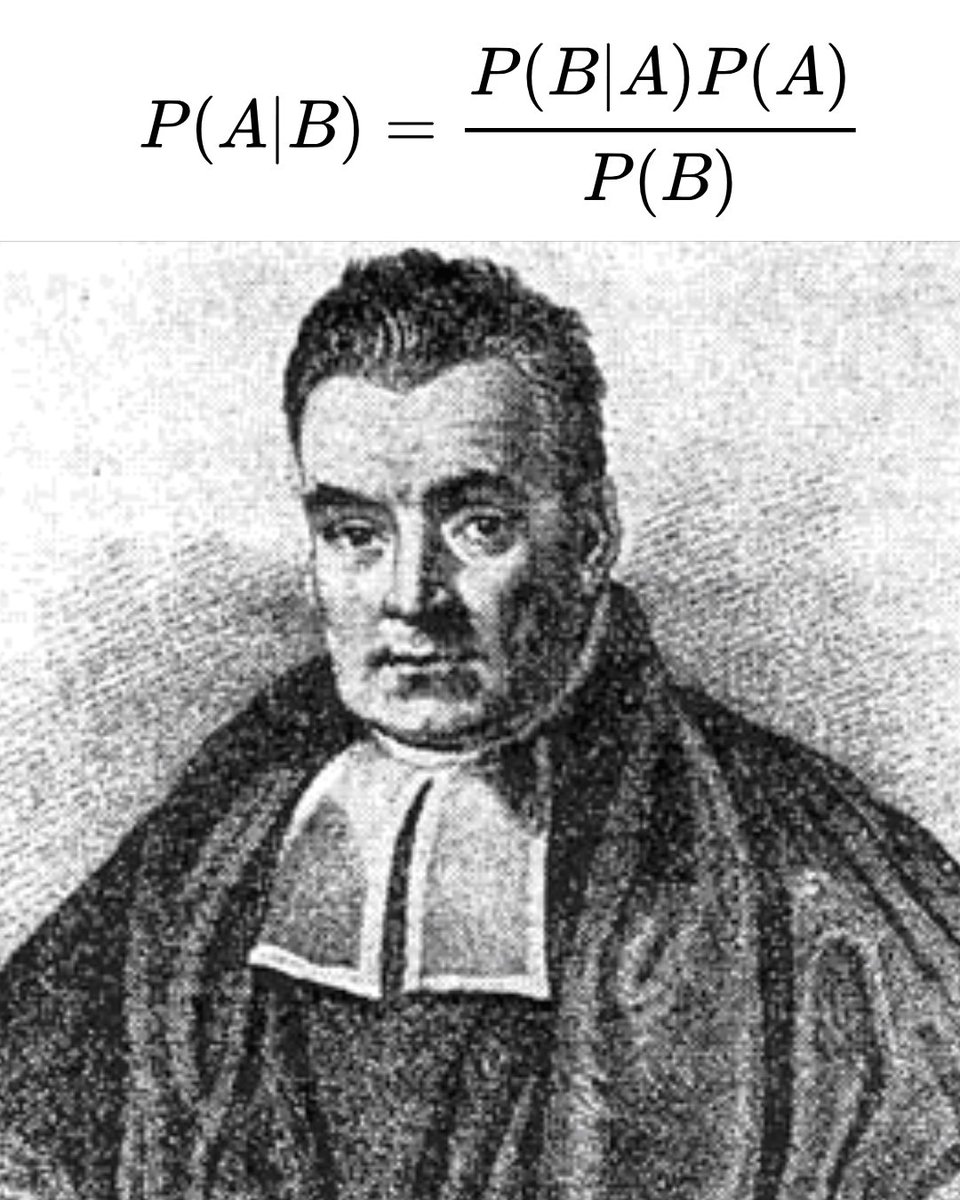
Bayes’ theorem is probably the single most important thing any rational person can learn.
So many of our debates and disagreements that we shout about are because we don’t understand Bayes’ theorem or how human rationality often works.
Bayes’ theorem is named after the 18th-century Thomas Bayes, and essentially it’s a formula that asks: when you are presented with all of the evidence for something, how much should you believe it?
Bayes’ theorem teaches us that our beliefs are not fixed; they are probabilities. Our beliefs change as we weigh new evidence against our assumptions, or our priors. In other words, we all carry certain ideas about how the world works, and new evidence can challenge them.
For example, somebody might believe that smoking is safe, that stress causes mouth ulcers, or that human activity is unrelated to climate change. These are their priors, their starting points. They can be formed by our culture, our biases, or even incomplete information.
Now imagine a new study comes along that challenges one of your priors. A single study might not carry enough weight to overturn your existing beliefs. But as studies accumulate, eventually the scales may tip. At some point, your prior will become less and less plausible.
Bayes’ theorem argues that being rational is not about black and white. It’s not even about true or false. It’s about what is most reasonable based on the best available evidence. But for this to work, we need to be presented with as much high-quality data as possible. Without evidence—without belief-forming data—we are left only with our priors and biases. And those aren’t all that rational.
English