Sabitlenmiş Tweet

Phil Cunningham
3.6K posts
@firesciphil
Global Wildfire Peril Lead @GallagherRe_ Wildfire modeling and atmospheric science Tennis enthusiast and former 'pretty decent' junior player

Dodgers fans consume extraordinary amount of calories on game day new study finds trib.al/CPqjZk3
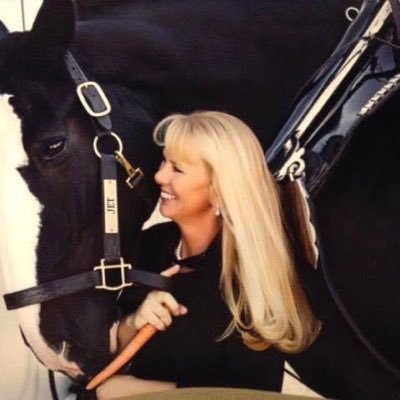

@Hotshot_Movie Embers can travel for miles. This is not increasing fire risk. The fire last year jumped the 405 which is twice as wide as the 101 here.
This is the common retort from people who don't understand what firebreaks do, so let's dismantle this once and for all. This is like saying "well, seatbelts don't save you when you get hit head on by a semi going 70mph, therefore seatbelts don't work and they're meaningless." Yes, under the WORST possible conditions, seatbelts won't save your life and and under the worst conditions, wildfires will jump firebreaks. But not every fire starts or spreads into bad spots under the worst possible conditions. Not every wildfire spots 3 miles ahead of itself. You don't just give up on using this tried and true tactic and surrender to EVERY single wildfire that may occur. Furthermore, these people don't understand what firebreaks actually do. A firebreak sometimes stops the fire. But a firebreak ALWAYS converts a raging head fire into a spot fire. It converts something you CAN'T stop into something you have a chance to stop. Additionally, a firebreak isn't always meant to stop the fire, but be an anchor point for a firing operation ahead of the flaming front. During a wildfire, hand crews and dozers have to work quickly to construct these lines so they can fire off ahead of the front and have a larger buffer that CAN mitigate the long range spotting. Firefighters are always racing against time. That's why they use retardant...not to stop the fire, but to retard the progress of it, to buy time to get line constructed, and firing operations executed. If you have pre-attack lines already in place, resources can just immediately anchor in and get to work. Furthermore, spotting potential decreases logarithmically with distance. Not every ember is capable of carrying heat residency across 3 miles. Most embers fizzle out within seconds. Therefore, the closer the next receptive fuel bed, the exponentially higher odds of the fire spotting multiple times. A short range spot is exponentially more likely than a long range spot. By establishing a 300 foot fuel break, you increase your odds of protecting what's on the other side, by orders of magnitude. And wind-driven fires spot in ONE direction. You don't get 3 mile spotting on the flanks. While a fuel break may not stop the head of the fire, it often will stop the flanks...and given how most fires get wind swaps in the overnight hours, those buttoned up flanks could've become raging head fire later. Here is an example from when I was in the middle of the freeway on the Easy Fire in 2019. As you can see, NOTHING was stopping this head fire. No amount of hoses, deck guns, nothing. And the fire did spot across the freeway, but they picked it up almost immediately and buttoned up the fire. The freeway didn't stop the fire...it just converted head fire into a more manageable spot fire. I'm tired of everyone making excuses for not doing firebreaks. There's not a single person in wildland fire who thinks they don't work. The only people who think they don't work are people who don't understand how they work.

How tragically hot was Hope Sandoval?



Heat wasn't even nominated for a single Oscar. Never take these "awards" too seriously, folks.