Nova retweetledi

Nova
12.2K posts



Three years ago, in May 2023, I wrote for @CityAM asking: Can BRICS build something with Bitcoin? At the time, BRICS nations were openly discussing alternatives to the dollar, including commodity backed currencies using gold, oil or other resources. The core problem was always trust. How do you audit reserves across countries with very different levels of transparency, and how do you handle the logistics of physical commodities in a digital world? I argued there was a cleaner path. Bitcoin offers transparent on chain verification, no single issuer to trust or distrust, and a neutral, global, borderless system. Fast forward to April 2026, and that shift away from dollar dependence is starting to take shape, but not quite in the way I described (not yet at least). Russia is now expanding its A7 crypto payments network into Africa, built around a ruble backed stablecoin and partly controlled by a sanctioned defence linked bank, Promsvyazbank, together with fugitive Moldovan banker Ilan Șor. The aim is to bypass Western sanctions and SWIFT style systems for cross border trade. This sits alongside the BRICS efforts around CBDC bridges, local currency settlement, and alternative payment rails. Foreign Minister Lavrov has described A7 as Russia’s “first international financial platform” and is inviting more African countries to join. The infrastructure is being built, but it is controlled, permissioned and state influenced rather than open and trustless. Africa has already demonstrated what real bottom up Bitcoin adoption looks like, mobile first, driven by remittances, Lightning payments and everyday use. The question is whether these state led systems can deliver the neutrality and resilience BRICS claims to seek, or whether Bitcoin’s decentralised properties ultimately prove more durable. Recent Moscow Times report on A7's Africa push (6 April 2026): themoscowtimes.com/2026/04/06/rus…

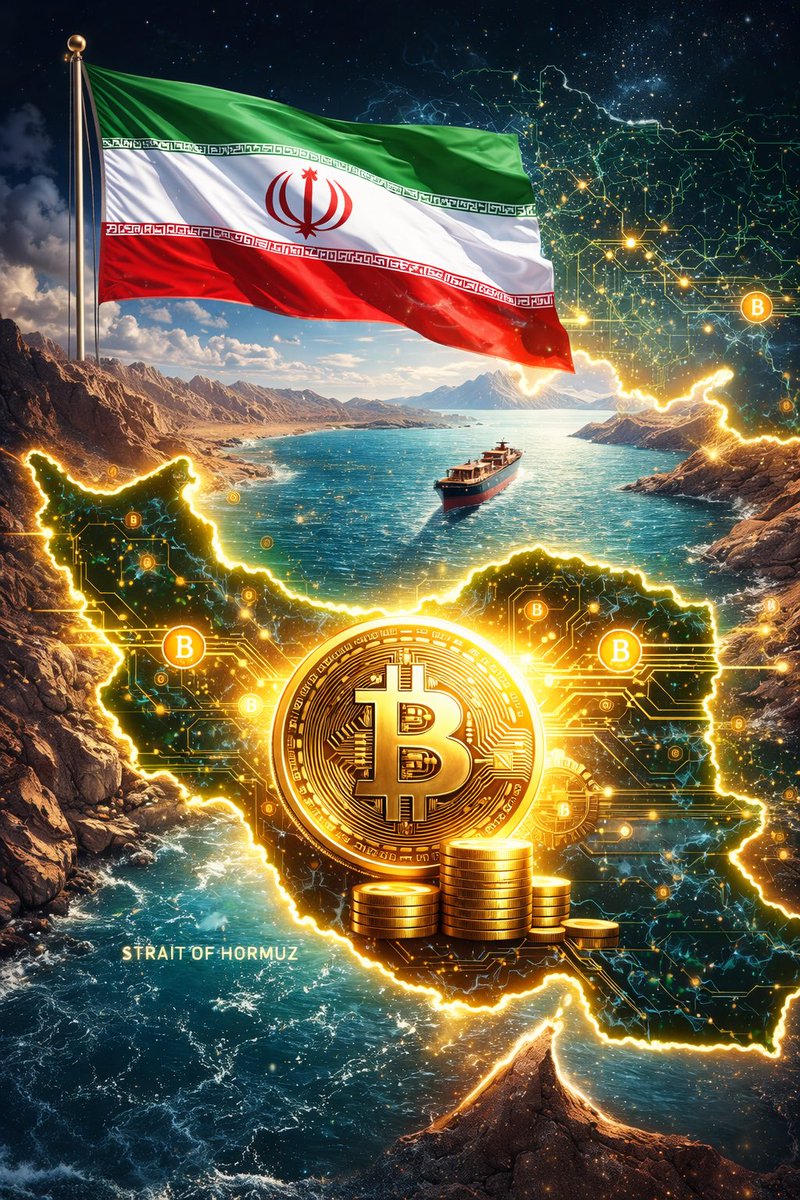
JUST IN: Iran to reportedly require ships passing through Strait of Hormuz to pay tolls in Bitcoin



BREAKING: Iran is demanding $1 per barrel of oil passing through the Strait of Hormuz, payable in cryptocurrency, per FT. At pre-war Hormuz traffic of roughly 20 million barrels per day, the per-barrel fee would generate approximately $7.3 billion annually for Iran, collected outside the US dollar banking system. The per-barrel fee may apply alongside the previously reported $2 million per-ship transit fee, which would push combined annual revenue to roughly $50 billion at pre-war volumes.

🌮

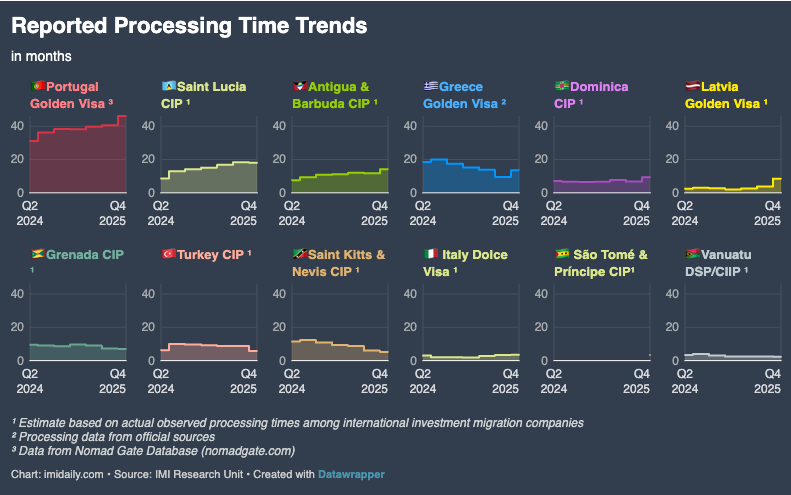
🇵🇹Portugal in 2021: "Invest EUR 500k, naturalize in 5 years" 🇵🇹 in 2025: "We took 4 years to process your application. We put golden visa investors at the back of the line for ideological reasons. But don't worry, we'll count your wait time toward your naturalization timeline." 🇵🇹 in 2026: "We changed the law, so now you'll only be eligible for naturalization in 2035, and the time spent waiting won't count after all. Oh, and the processing time for naturalization is itself another 3 years. So you can look forward to a Portuguese passport in 2038, 17 years after you invested. Unless, of course, we change something else by then. Anyway, thanks for the half a million euros."

🇵🇹Portugal in 2021: "Invest EUR 500k, naturalize in 5 years" 🇵🇹 in 2025: "We took 4 years to process your application. We put golden visa investors at the back of the line for ideological reasons. But don't worry, we'll count your wait time toward your naturalization timeline." 🇵🇹 in 2026: "We changed the law, so now you'll only be eligible for naturalization in 2035, and the time spent waiting won't count after all. Oh, and the processing time for naturalization is itself another 3 years. So you can look forward to a Portuguese passport in 2038, 17 years after you invested. Unless, of course, we change something else by then. Anyway, thanks for the half a million euros."