out of the woodwork

5.6K posts

out of the woodwork banner
out of the woodwork

out of the woodwork

@freobhoy

Australia Katılım Mart 2013
182 Takip Edilen64 Takipçiler
out of the woodwork retweetledi
Scottish Patter
Scottish Patter@ScottishPatterr·
a classic Scottish magic trick 😂😂
English
10
102
1.3K
203.8K
Bonnie Prince Bob
Bonnie Prince Bob@VoteBPB·
Be careful kids. The dangers of avoiding alcohol & drugs could not be clearer.
English
14
1
15
1.9K
out of the woodwork
out of the woodwork@freobhoy·
@WeAreVillans_ Alpha male, pretendy hard-men ars*holes. Fighting between themselves, in their own stadium, on a big Euro night. Embarrassing alright.
English
0
0
0
9
We Are Villans🦁
We Are Villans🦁@WeAreVillans_·
Alternate angle So I take back about the steward putting the boot in.. he did incredibly well to be fair Embarrassing all round 🤦🏻‍♂️ (As if cameraman missed the headbut)
English
499
237
6.9K
8.1M
out of the woodwork
out of the woodwork@freobhoy·
So he's gay. Who cares? Tone deaf? Definitely. 'Apologising' to Liverpool via, of all platforms, The Sun. You couldn't make it up.
English
0
0
0
49
out of the woodwork retweetledi
David Milner
David Milner@DaveMilbo·
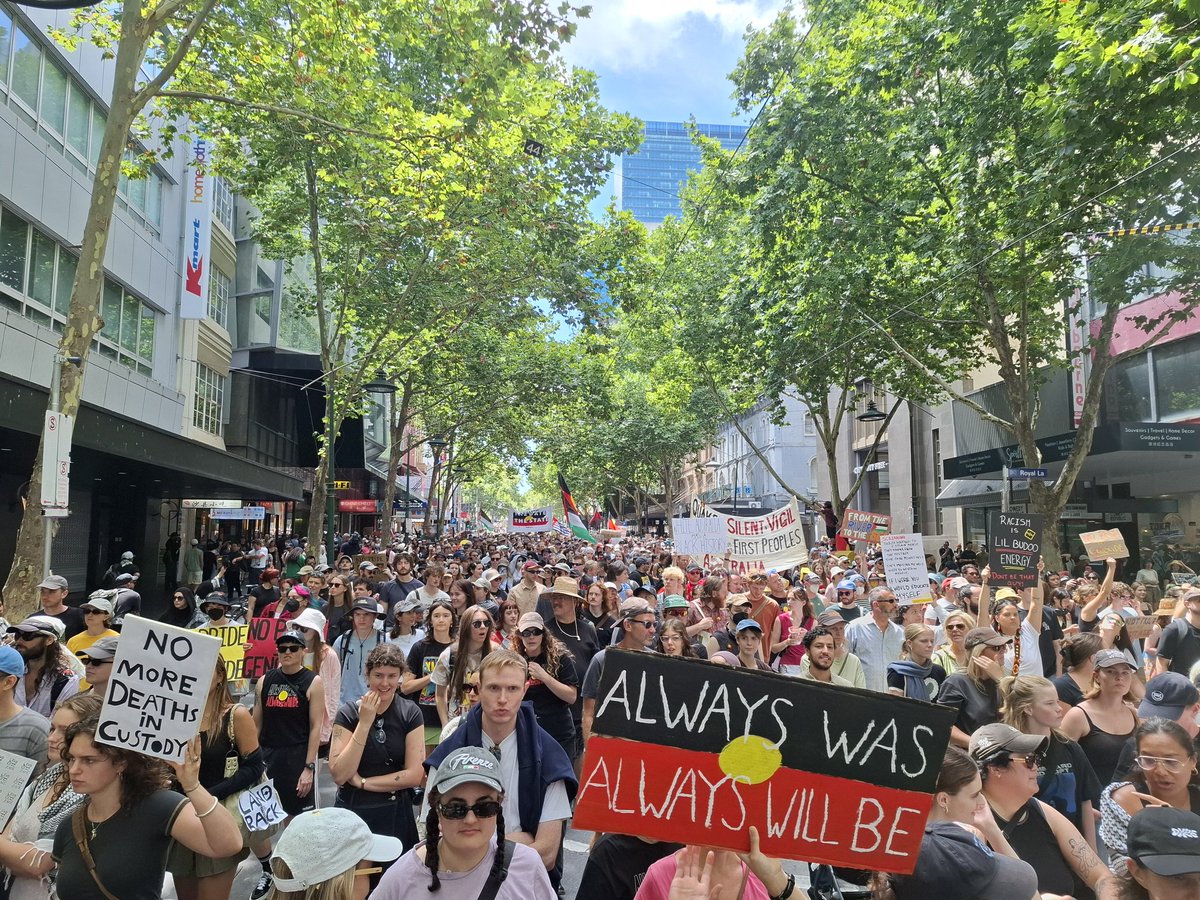
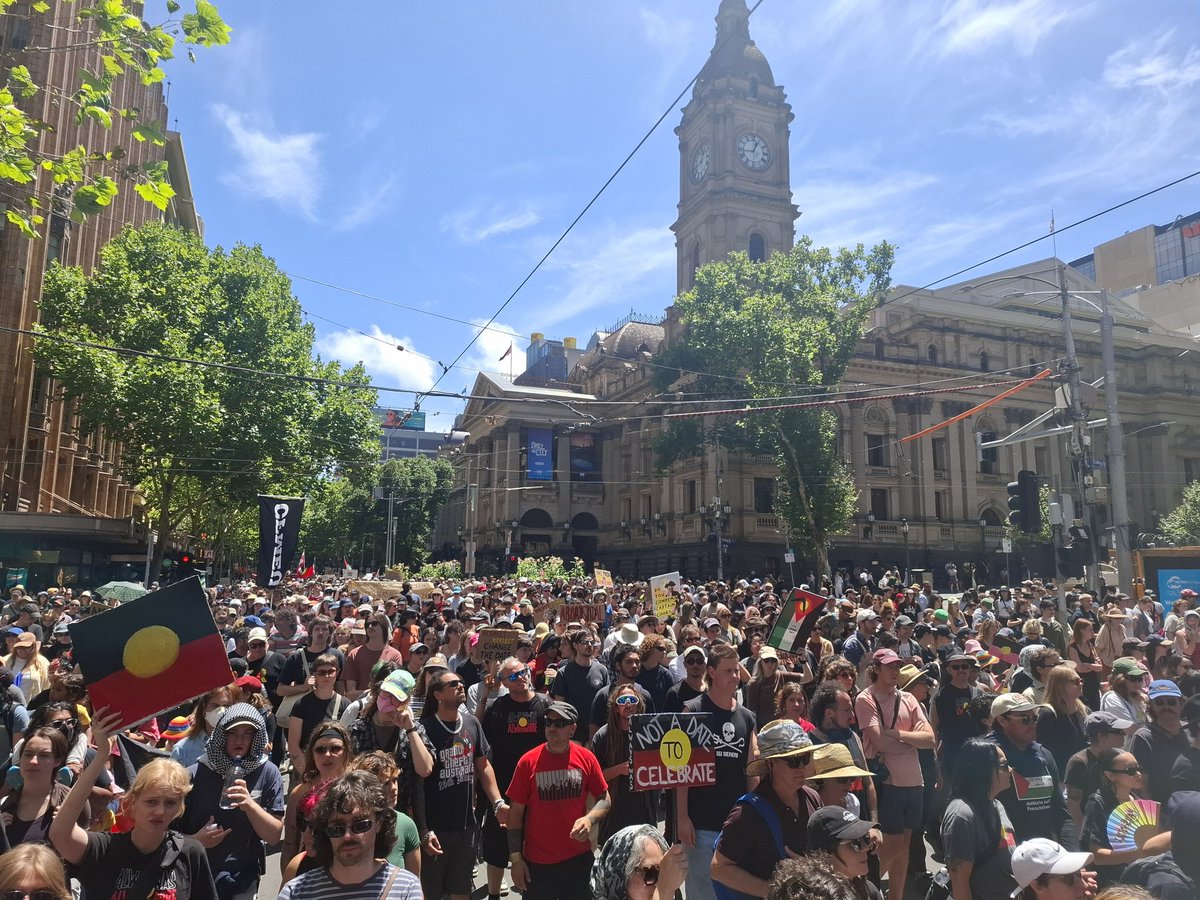
The scale of this afternoon's Invasion Day rally is staggering. People standing in solidarity against colonialism and genocide as far as the eye can see. Always was, always will be. Free Palestine. Melbourne, 26 Jan 2025.
David Milner tweet mediaDavid Milner tweet mediaDavid Milner tweet mediaDavid Milner tweet media
English
1.1K
1.2K
5.6K
370.5K
Football Fans Against Fascism
Football Fans Against Fascism@Class1Action·
@DavidLammy You forgot about Gaza quick enough… duplicitous actor speaks strongly about another genocide he will do fuck all to stop.
English
1
0
5
137
David Lammy
David Lammy@DavidLammy·
We must not forget Sudan.
English
7.8K
1.5K
6K
3.6M
Joe Fae Glesga
Joe Fae Glesga@joe_yer99·
Growing up in pollok, we never had many rabbie burns suppers. Sorry, correction. We had fuckin none.
English
76
17
542
81.5K
out of the woodwork
out of the woodwork@freobhoy·
@Class1Action He played in a cup final Celtic won 4-0, signalling change. He did have the last laugh though in turning down the manager's job when he was told the signing policy wasn't changing. A dismal decade on and mutterings of UEFA sanctions changed that.
English
0
0
0
37
Football Fans Against Fascism
Football Fans Against Fascism@Class1Action·
Lots of shite being talked about Fergie being hunted out of Ibrox cos he married a Catholic. I have no desire to help the Huns out in any argument, but Fergie was frozen out at rangers cos they signed Colin Stein & had two other young strikers in ‘the Dereks’ Parlane & Johnstone.
Football Fans Against Fascism@Class1Action

@bornacelt @brz_1872 He wasn’t chased out. They knew he’d married a Catholic before he signed for rangers. He was asked by a director if it was a chapel or registry office marriage. He regretted not telling him to ‘eff off’ at the time. Rangers signed Colin Stein & had Parlane & Johnstone coming thru

English
1
0
0
632
FLAF_Cymru 🏴󠁧󠁢󠁷󠁬󠁳󠁿
@Thebrinksman A drunken sectarian bigot born into wealth, who never served a day in the armed forces, but wears other people’s medals & wallows in the memories of their bigotry & imperialism. I sincerely hope he never works again & ends up in the gutter where he belongs.
FLAF_Cymru 🏴󠁧󠁢󠁷󠁬󠁳󠁿 tweet mediaFLAF_Cymru 🏴󠁧󠁢󠁷󠁬󠁳󠁿 tweet media
English
1
0
1
36
sam millar
sam millar@Thebrinksman·
Stop laughing.
sam millar tweet media
English
90
24
450
43.2K
out of the woodwork
out of the woodwork@freobhoy·
@Annemarieward @Enefes3 5:...and conditional on engagement towards recovery areas (above). That takes investment in more than an injecting centre. If councils and government gave the green light to more supported accommodation, and less to PBSA, we might really be getting somewhere.
English
0
0
1
113
Annemarie Ward 💜
Annemarie Ward 💜@Annemarieward·
I have tried countless times to explain my perspective, but it seems that, despite my efforts, some individuals remain intent on misunderstanding or misinterpreting my position. Education and dialogue are often ineffective when there is a clear political motivation at play. People tend to rely on their own set of experts or ideologies to support their views, rather than engaging with the facts. As for the accusation of being a paid spokesperson for Westminster, I can assure you that this is entirely false. However, I cannot deny that the scale of drug-related deaths has made me more aware of the political dynamics at play, with all sides using this crisis to further their agendas. The tragedy of these deaths should drive us toward meaningful change, not be exploited for political gain.
English
10
11
46
3.6K
Annemarie Ward 💜
Annemarie Ward 💜@Annemarieward·
In Scotland, the issue of drug-related deaths has become a devastating public health crisis, one that demands bold, comprehensive solutions. Yet, despite the rising toll, the debate around potential solutions often circles back to one particular measure: Drug Consumption Rooms (DCRs). These facilities, designed to offer a controlled environment for drug users to consume substances safely, have been hailed in some circles as a panacea for the drug crisis. However, while DCRs have proven effective in certain European cities, the evidence suggests that they are of little value in the Scottish context. To understand why, we must examine the patterns of drug use in Scotland, the nature of addiction, and the broader systemic failures in our response to the crisis. In cities like Zurich, Vancouver, and Sydney, DCRs were introduced in areas where drug use was highly visible and concentrated in public spaces, often in city centres. These areas were characterised by significant numbers of people injecting drugs on the street, surrounded by visible signs of addiction. The rationale for DCRs in these cities was clear: offering a safe, clean space where users could inject under medical supervision would not only reduce the visible impact of drug use in public spaces but also protect users from the immediate dangers of overdose and disease transmission. In these urban environments, DCRs served as a harm reduction measure, aimed at managing the immediate risks of drug use while users were encouraged to engage with broader treatment options. Well that was at least the theory. Have a look at whats happened there now. However, Scotland’s drug crisis looks very different. A significant proportion - the majority of drug deaths in Scotland occur in private spaces, mainly within people's homes. Unlike other European countries, where drug use has become increasingly concentrated in certain areas, drug use in Scotland is more dispersed, and much of it remains hidden from public view. In 2023, Scotland experienced a 12% increase in drug-related deaths, with 1,172 fatalities recorded, up from 1,051 in 2022, and the majority of those who died were not individuals congregating in public spaces, but people already embedded in the drug-using community who often had longstanding addiction issues. Many of them were in contact with treatment services, but the treatment they were receiving, primarily methadone-based maintenance programs, was insufficient to address the root causes of their addiction. This reality poses a fundamental challenge to the effectiveness of DCRs in Scotland. While these facilities may offer a temporary, safety-conscious solution to the immediate risks of overdose, they fail to address the underlying issues that drive addiction. DCRs do nothing to provide long-term rehabilitation, recovery, or the means for people to rebuild their lives. They might keep people alive in the short term, but they don’t help people get free from their dependency or move beyond the cycle of addiction. Scotland’s drug death crisis is not just about managing the immediate harm of drug use; it’s about addressing the deeper, systemic issues that trap people in cycles of addiction. These issues include poverty, lack of housing, mental health problems, and inadequate support services for those in recovery. In Scotland, the addiction treatment system has been overwhelmingly focused on harm reduction measures like methadone maintenance therapy, rather than offering the comprehensive, recovery-focused treatment that people in addiction desperately need. DCRs, by themselves, only reinforce the status quo, managing addiction without providing a pathway out of it. The Scottish context is further complicated by the fact that a high proportion of drug-related deaths involve substances like benzodiazepines, which cannot be reversed with naloxone, the antidote used to treat opioid overdoses. While DCRs may be helpful for opioid users, they do little to address the growing problem of benzodiazepine-related deaths in Scotland. The drug-related deaths that do involve opioids often occur in people who are already in contact with treatment services, particularly those on methadone programs. This suggests that DCRs, as a standalone solution, are not likely to significantly reduce the drug death rate in Scotland, as they fail to address the deeper issues with existing treatment models and the widespread availability of harmful substances. DCRs are and have always been a political distraction. Rather than addressing the systemic issues in Scotland’s addiction treatment services, the focus on DCRs could divert attention away from the urgent need to invest in rehabilitation and recovery services. The real solution to Scotland’s drug crisis lies not in more harm reduction measures, but in a fundamental shift towards a recovery-oriented system. This includes providing access to rehabilitation, mental health services, housing support, and the comprehensive care that people need to escape addiction. Ultimately, DCRs are of little value in the Scottish context because they don’t address the root causes of addiction and they fail to offer a long-term solution. The focus must shift from harm reduction to recovery, from short-term fixes to lasting change. Scotland must invest in services that help people rebuild their lives, not just manage their addiction. Only then can we begin to tackle the drug crisis in a meaningful, life-saving way. The Right to Recovery Bill, which advocates for comprehensive, recovery-oriented treatment options, offers a path forward—one that values people in recovery and provides them with the support they need to break free from addiction once and for all.
Discontent@discontent_scot

Annemarie Ward @Annemarieward from @FAVORUK discusses Scotland’s controversial safe- consumption policy. Watch for free on Patreon.
English
28
98
220
34K
out of the woodwork
out of the woodwork@freobhoy·
@Annemarieward @Enefes3 4: The analogy I'd use is opening up a petrol station and expecting everyone to bring their own fuel. it might be petrol, but might not be. To be safer, and undermine the criminal associations with supply, pharmaceutical provision should be on the table, linked....
English
0
0
1
89
out of the woodwork
out of the woodwork@freobhoy·
@Annemarieward @Enefes3 3: One other thing about the set up of Thistle: Users bringing in their own gear to use will only reinforce the drug dealing industry. To make it safer and undermine the criminal gangs who control supply, and all the problems associated with that...
English
0
0
1
68
out of the woodwork
out of the woodwork@freobhoy·
@Annemarieward @Enefes3 2....supported accommodation, etc. Poverty, and the abandonment of many communities by local and national government, going back decades now, is the basis for the grim picture. DCRs won't solve this alone but will save lives by providing clean equipment and overdose interventions
English
0
0
1
67
out of the woodwork
out of the woodwork@freobhoy·
@Annemarieward @Enefes3 1: In my experience, you cannot promote and facilitate recovery without engagement, provided in safe, comfortable spaces. DCRs will at least provide that. They are not a panacea or silver bullet fix, and they do need to link to pathways to medical care, rehab facilities...
English
3
0
0
140