Florian Schwendinger 🇪🇺🇦🇹🌈

446 posts

Florian Schwendinger 🇪🇺🇦🇹🌈 banner
Florian Schwendinger 🇪🇺🇦🇹🌈

Florian Schwendinger 🇪🇺🇦🇹🌈

@fschwe

system-design, -stewardship and -change, learning societies, science4policy, lead EC competences for innovative policymaking, prev @EU_ScienceHub & @Europarl_EN

Europe Katılım Ekim 2011
1.6K Takip Edilen273 Takipçiler
Florian Schwendinger 🇪🇺🇦🇹🌈 retweetledi
David Mair @DavidMair4.bsky.social
One of first issues identified when people try to understand why science for policy is so hard is timing. Research takes time and policy decisions are urgent. Perhaps real timing issue is when scientists are not present when problem is defined & framed at outset but only later.
English
2
1
4
259
Florian Schwendinger 🇪🇺🇦🇹🌈 retweetledi
Jay Van Bavel, PhD
Jay Van Bavel, PhD@jayvanbavel·
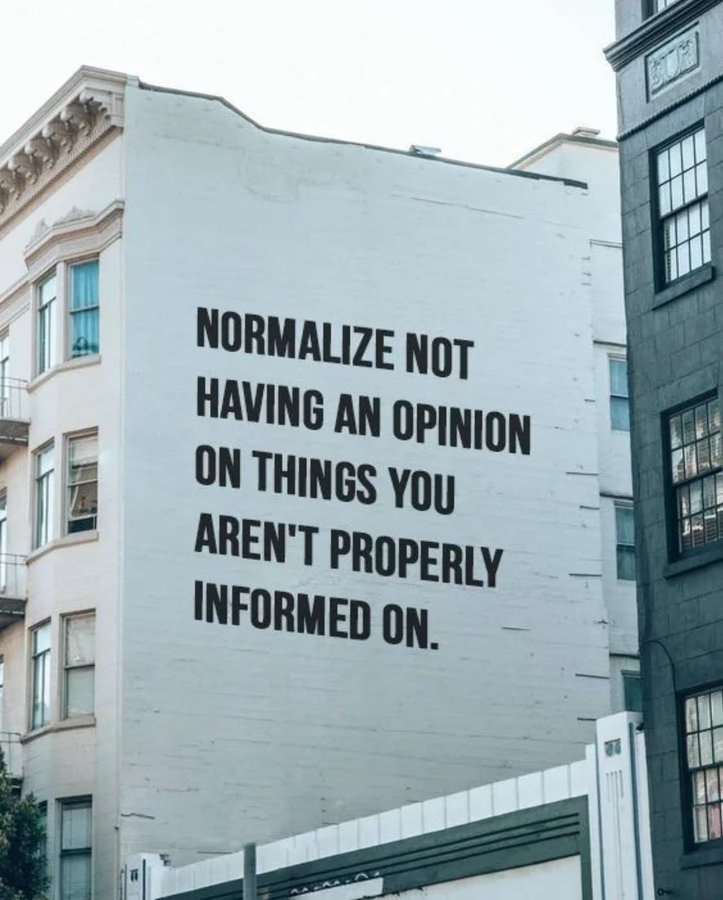
It’s very normal and healthy to not have an opinion on everything.
Jay Van Bavel, PhD tweet media
English
18
149
764
55K
Florian Schwendinger 🇪🇺🇦🇹🌈 retweetledi
Lorenzo Melchor
Lorenzo Melchor@DrLMelchor·
Are science and public administration two worlds apart? Not if you ask this question to our EU-27 ministers for science and the EU-27 ministers for public administration. Recently two key supports for #Science4Policy at the 🇪🇺 level with 🇪🇸🇧🇪 Presidencies. knowledge4policy.ec.europa.eu/news/science-p…
Lorenzo Melchor tweet media
English
0
9
21
931
Florian Schwendinger 🇪🇺🇦🇹🌈 retweetledi
Arnd Pollmann
Arnd Pollmann@ArndPollmann·
Heute ist der Todestag von Stefan Zweig. Und morgen ist der zweite Jahrestag des Ukraine-Krieges. 1942 schrieb Zweig: „Bald mussten wir erkennen, dass je länger die Weltkatastrophe dauerte, umso ungerechter die Proportion wurde zwischen Leiden und Mitleiden. Der Tod 1/4
Arnd Pollmann tweet media
Deutsch
1
12
31
3.5K
Florian Schwendinger 🇪🇺🇦🇹🌈 retweetledi
David Mair @DavidMair4.bsky.social
"the importance of brokers and intermediaries who work at the interface between science and government, developing structures, relationships and networks that improve access and linkages." = @EU_reforms @EU_ScienceHub @OECDgov TSI project on Science4Policy.
Geoff Mulgan@geoffmulgan

Nature - one of the world's most prestigious science journals - writes that 'When Science Meets Power' is 'engaging ... packed with wisdom and analytical prowess … a breath of fresh air' (and illustrates it with a nice photo!) nature.com/articles/d4158…

English
0
4
7
647
Florian Schwendinger 🇪🇺🇦🇹🌈 retweetledi
Nick Bloom
Nick Bloom@I_Am_NickBloom·
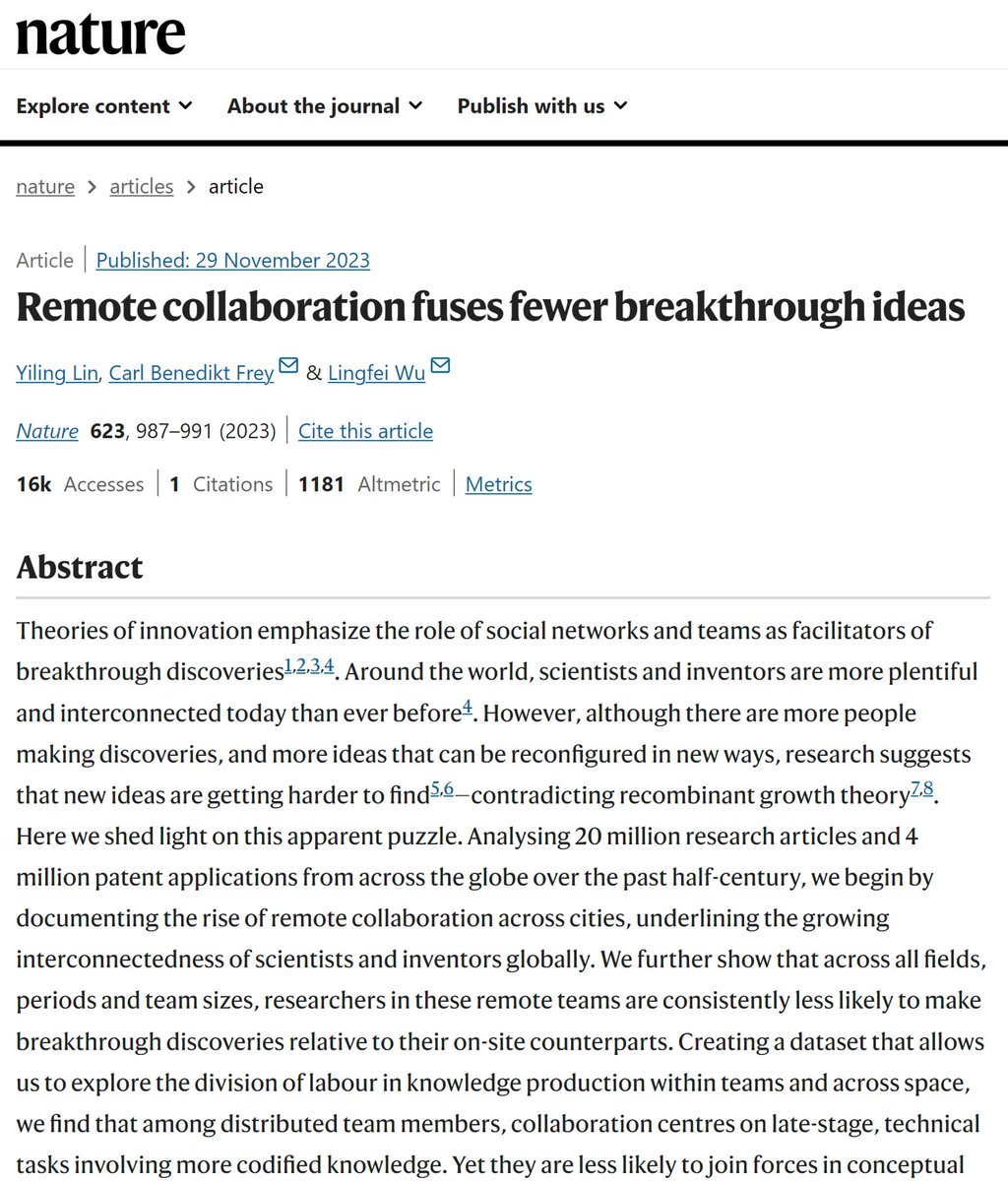
This is a great paper, but it is *massively* misunderstood. It does not show that WFH reduces innovation. This paper and its follow-up actually suggests by 2023 that WFH increases innovation. To explain: 1) This paper is about *collocation* not *WFH*. They are completely different. If two people share the same office address - even if they are both hybrid or remote - they would be classified as collocated. For example, my co-author Steve Davis and I both work a hybrid schedule at Stanford, coming to the office maybe 2 days a week. We both have a Stanford office address on papers. So, for this paper we would count as being *collocated*. Indeed, almost all hybrid WFH teams would count as collocated. 2) Co-author teams are becoming more dispersed. The paper reports the average distance between team members offices has increased from 100km to 1,000km over the last 60 years. This reveals that tens of thousands of scientists are choosing to work in more global teams, presumably to access a wider network of experts. I co-author with researchers across five continents because it lets me work with great people. If teams of elite scientists, whose entire careers are focused on cutting-edge innovation, are becoming more dispersed it suggests it has major benefits. 3) The results do not hold after 2010. This is critical as Zoom and Dropbox cloud file sharing emerged after 2010. Indeed the follow-up paper by Carl Frey (one of the co-authors) and Giorgio President from Oxford shows innovation is *higher* for remote collaboration after 2010! drive.google.com/file/d/1vLk_Gr… So a fantastic paper - it deserves to be published in Nature. But to understand it you need to read beyond the title. You can't judge a book by its cover, nor a Nature paper by its 6 word title. And please forward this to any mangers or CEOs claiming this implies WFH reduces innovation. It does not - indeed points (2) and (3) suggest exactly the reverse.
Nick Bloom tweet media
English
17
226
800
242.4K
Florian Schwendinger 🇪🇺🇦🇹🌈 retweetledi
EU Joint Research Centre
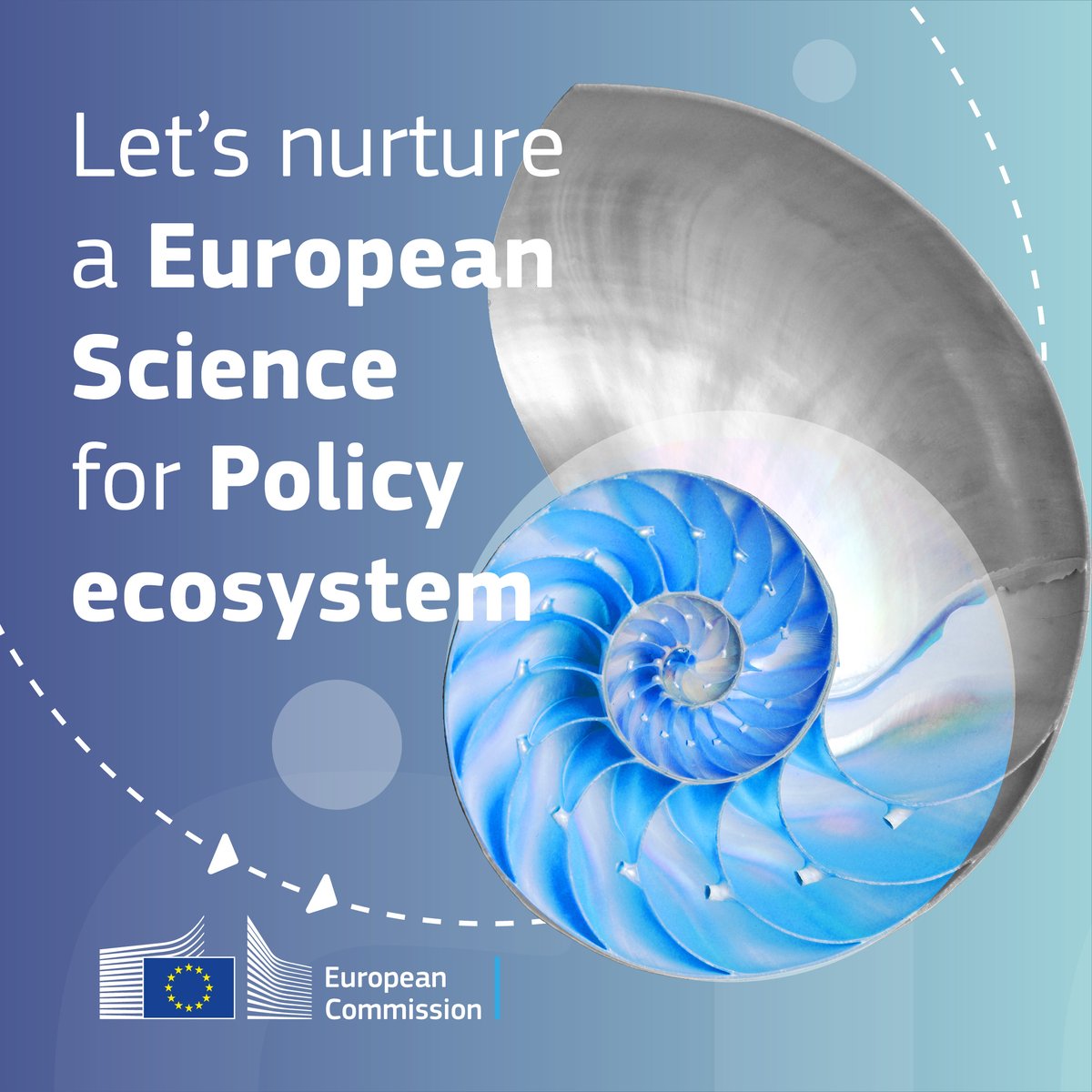
#Science4Policy is not a task for a single organisation. No single organisation may have all the knowledge to address ever more complex policy problems. We work together with research partners to deliver the best available evidence for EU policy. europa.eu/!B3F8BB
EU Joint Research Centre tweet media
English
2
20
43
2.8K
Florian Schwendinger 🇪🇺🇦🇹🌈 retweetledi
Helen Bevan
Helen Bevan@HelenBevan·
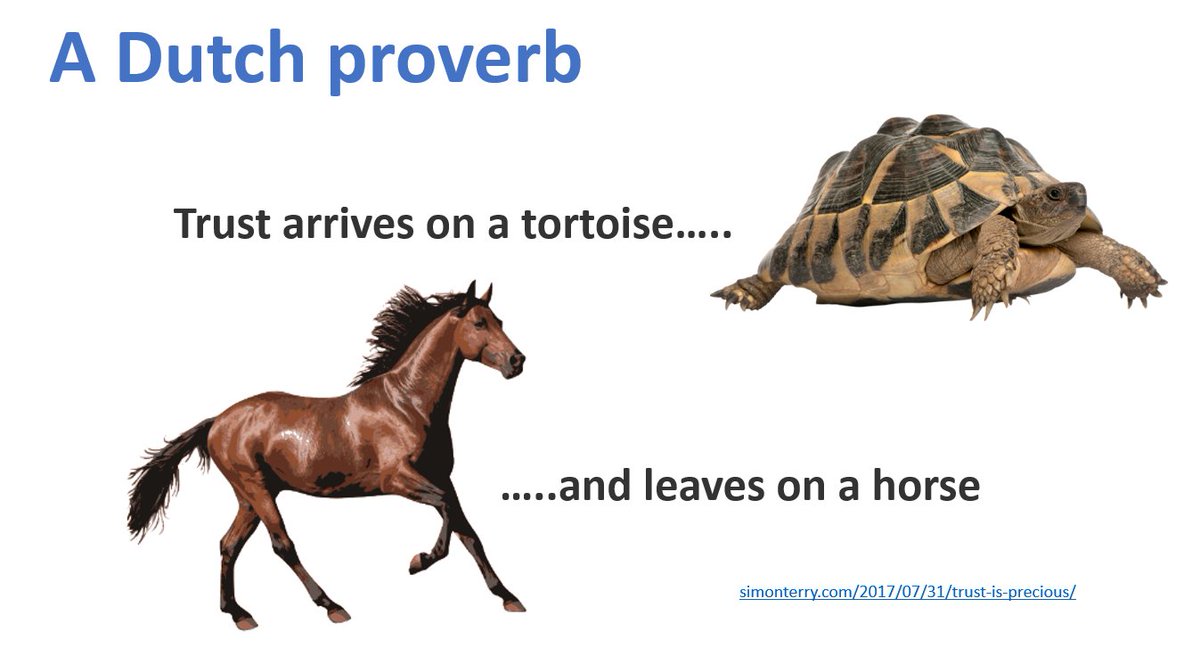
A Dutch proverb: "Trust arrives on a tortoise & leaves on a horse". How to build trust like a tortoise: 1) Consistency 2) Transparency 3) Active listening 4) Fulfil promises 5) Respect boundaries How to stop trust from eroding in a horse situation: 1) Acknowledge mistakes 2) Apologise sincerely 3) Make amends 4) Avoid repeat offences mercecardus.com/how-trust-work… by @MerceCardus. I learnt the proverb from @simongterry
Helen Bevan tweet media
English
18
299
864
125.9K
Florian Schwendinger 🇪🇺🇦🇹🌈 retweetledi
John Tasioulas
John Tasioulas@JTasioulas·
“The problem… is not that machines may one day exercise power… It is rather that we already live in societies in which power is exercised by a few to the detriment of the majority, and that technology provides a means of consolidating that power.” 🎯 theguardian.com/commentisfree/…
English
1
49
151
14.2K
Florian Schwendinger 🇪🇺🇦🇹🌈 retweetledi
Lionel Page
Lionel Page@page_eco·
Why hasn't the Internet worked as a great public space where the best ideas win? Perhaps because it isn't how debates operate. Behind intellectual arguments, people aren't impartial thinkers; they advocate for their team. A🧵on how coalitional thinking shapes our discussions.
Lionel Page tweet media
English
18
202
811
242.3K
Florian Schwendinger 🇪🇺🇦🇹🌈 retweetledi
EU Joint Research Centre
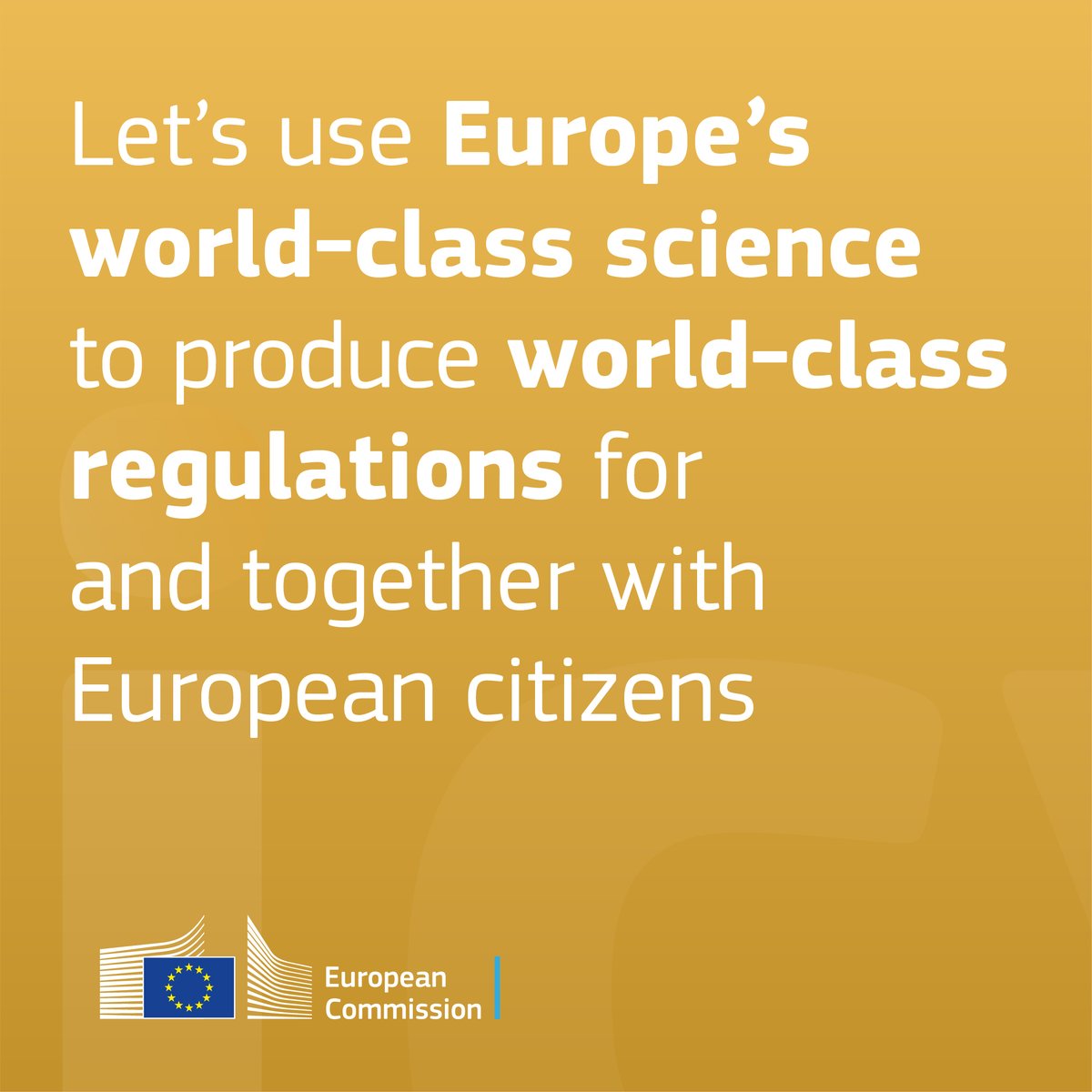
The @EU_Commission’s Better Regulation agenda sees scientific evidence as a cornerstone of EU policymaking. Let’s use Europe’s world-class science to produce world-class regulations for and together with European citizens. #Science4Policy
EU Joint Research Centre tweet media
English
2
10
31
4.4K
Florian Schwendinger 🇪🇺🇦🇹🌈 retweetledi
EU Joint Research Centre
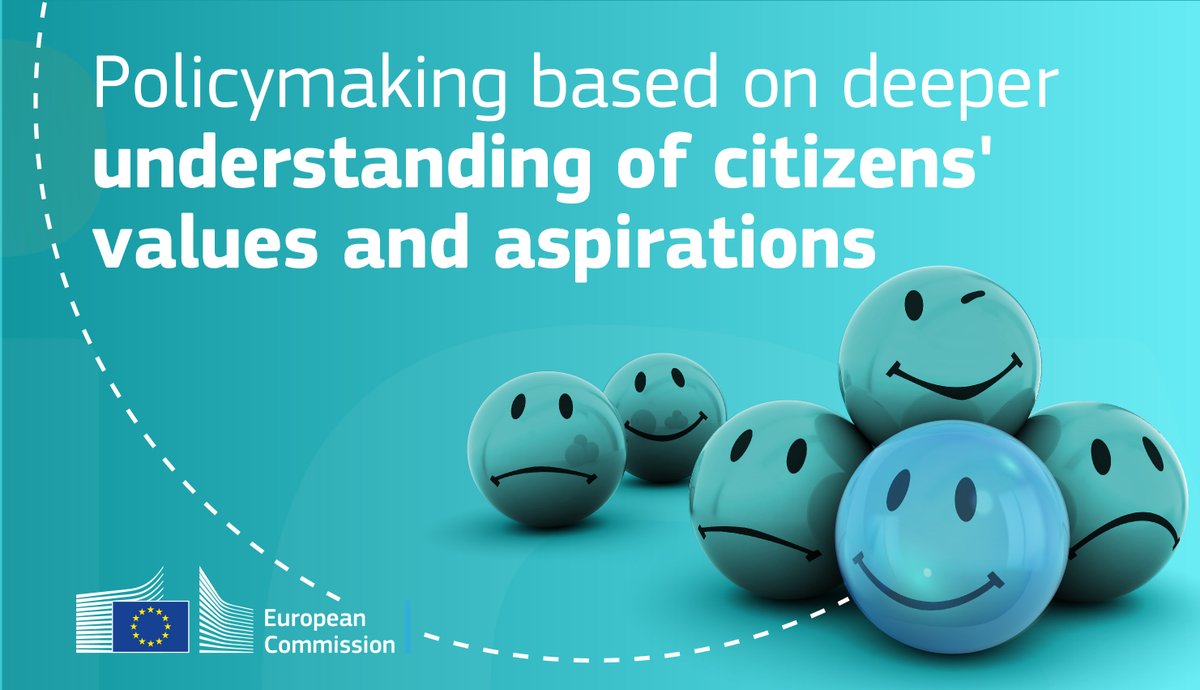
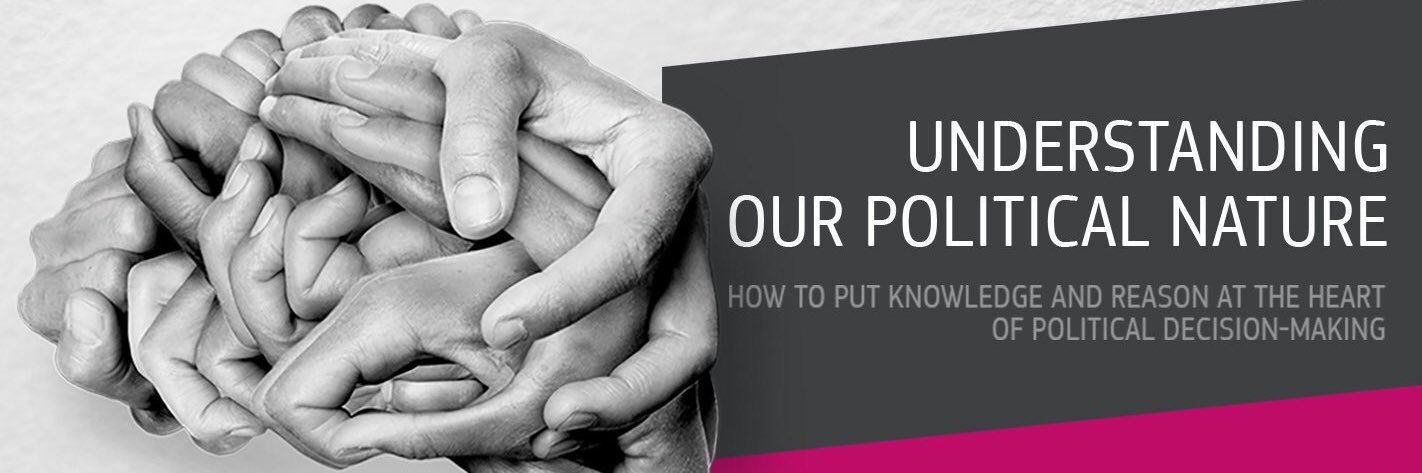
How are citizens and policymakers taking political decisions? What influences them? Emotions? Values? Disinformation? Check out our report "Understanding Our Political Nature" ➡️ europa.eu/!K69DYr
English
1
1
4
556