Feng Tao Ning

660 posts

Feng Tao Ning

Feng Tao Ning

@ftning

chesterton's fence needs a california exemption

Katılım Şubat 2016
373 Takip Edilen46 Takipçiler
Feng Tao Ning retweetledi

Heather Knight
Heather Knight@hknightsf·
Nobody disputes that Mary Lau was driving 75 miles per hour on San Francisco streets when she struck and killed an entire family. On Friday, a judge is expected to give her probation. After that, she could get her license back. The case raises the question, what is justice?
English
44
41
508
90.3K
Feng Tao Ning retweetledi
Steve Hou
Steve Hou@stevehou·
China’s state media turned the US-Iran conflict into an AI generated cartoon and captured the gist of the conflict pretty perfectly! Cinematically really well done! A+ trolling! Thanks to @AngelicaOung for adding subtitles!
English
86
965
3.1K
255K
Feng Tao Ning retweetledi
Saad Asad
Saad Asad@realsaadasad·
Oregon may ban unfunded affordable housing mandates — because data proves they suppress homebuilding. When cities require below-market units without offsetting costs, developers build fewer homes, pushing up prices for everyone. California still uses the same counterproductive approach that Oregon may ban. sightline.org/2026/03/05/ore…
English
8
56
351
17.3K
Feng Tao Ning retweetledi
Alec Stapp
Alec Stapp@AlecStapp·
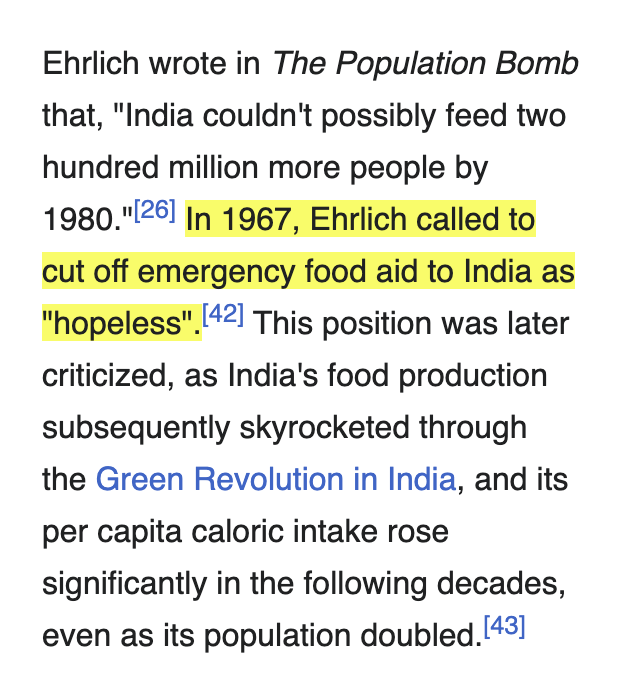
In the late 1960's, Paul Ehrlich was advocating for cutting off emergency food aid to India. This would have caused mass starvation. When people say that he was evil, this is what they mean.
Alec Stapp tweet media
English
63
444
3.3K
102.3K
Feng Tao Ning retweetledi
Crémieux
Crémieux@cremieuxrecueil·
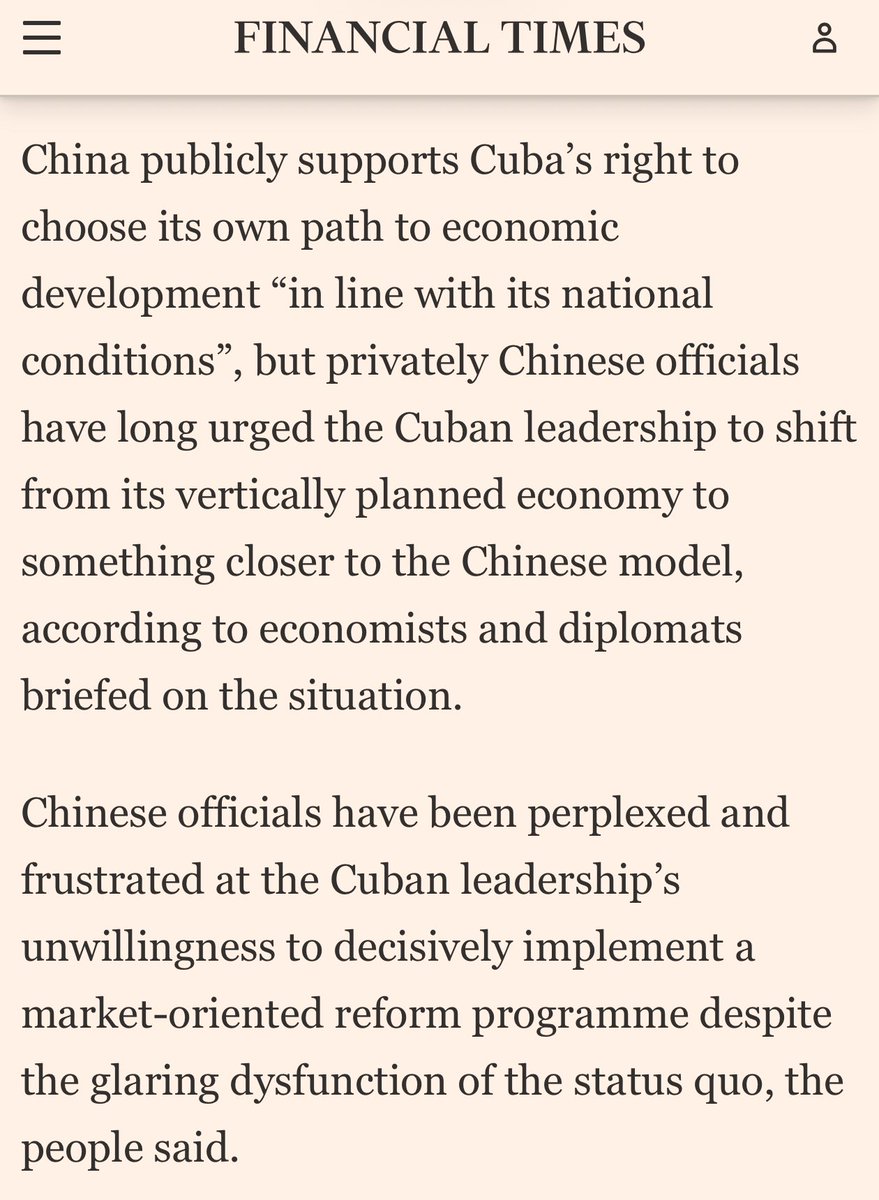
Ehrlich's legacy includes mass sterilization campaigns in India, China, and Peru. India's program was at such a massive scale that, in one year, they sterilized 15 times more than the Nazis did during their entire reign.
Crémieux tweet mediaCrémieux tweet mediaCrémieux tweet media
English
249
998
3.9K
910.1K
Lin
Lin@pyhrroll·
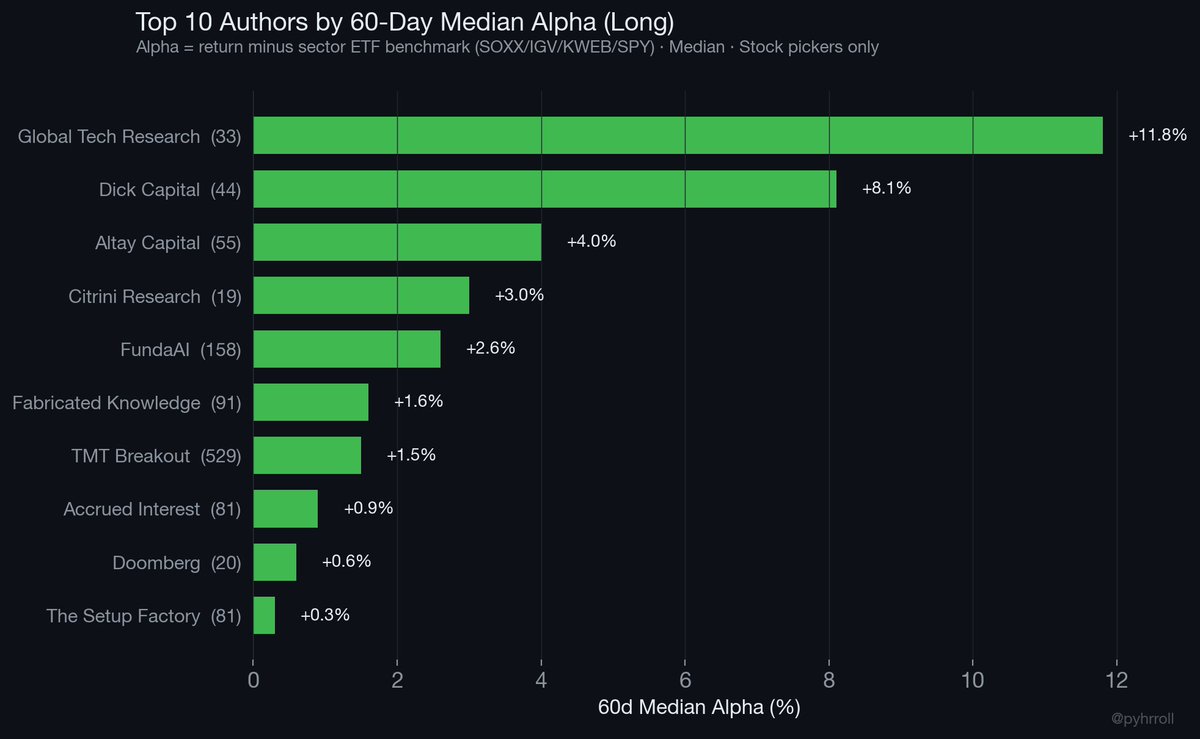
But returns ≠ skill. Some top authors just rode the bull market. 60-Day Median Alpha (vs sector benchmark): Global Tech Research: +11.8%, 33 calls Dick Capital: +8.1%, 44 calls Altay Capital: +4.0%, 55 calls Citrini Research: +3.0%, 19 calls FundaAI: +2.6%, 158 calls BEP Research was #5 by returns but has NEGATIVE alpha (-1.9%). Their picks underperformed their sector despite going up.
Lin tweet media
English
3
1
16
3.9K
Lin
Lin@pyhrroll·
My previous post went viral on Reddit overnight (8.5k upvotes in total) so here is an update: I now spend $13,000/year on 31 paid Substack newsletters so you don’t have to. Here’s who actually makes money 🧵
Lin tweet media
English
10
9
82
4.4K
Feng Tao Ning retweetledi
Marc Joffe
Marc Joffe@marcjoffe·
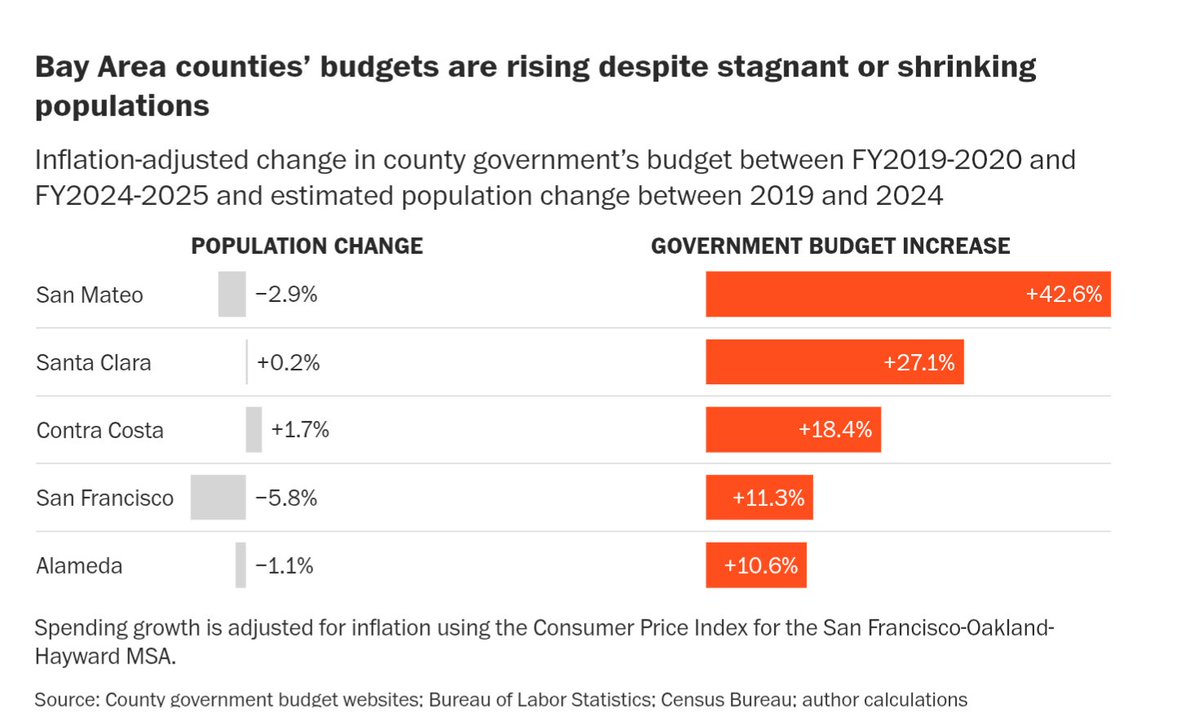
For some reason, the @wapo editorial board decided to cover Bay Area county finances and absolutely nailed it: runaway spending despite a stagnant population.
Marc Joffe tweet media
English
45
348
1.7K
119.1K
Feng Tao Ning retweetledi
Ruxandra Teslo 🧬
Ruxandra Teslo 🧬@RuxandraTeslo·
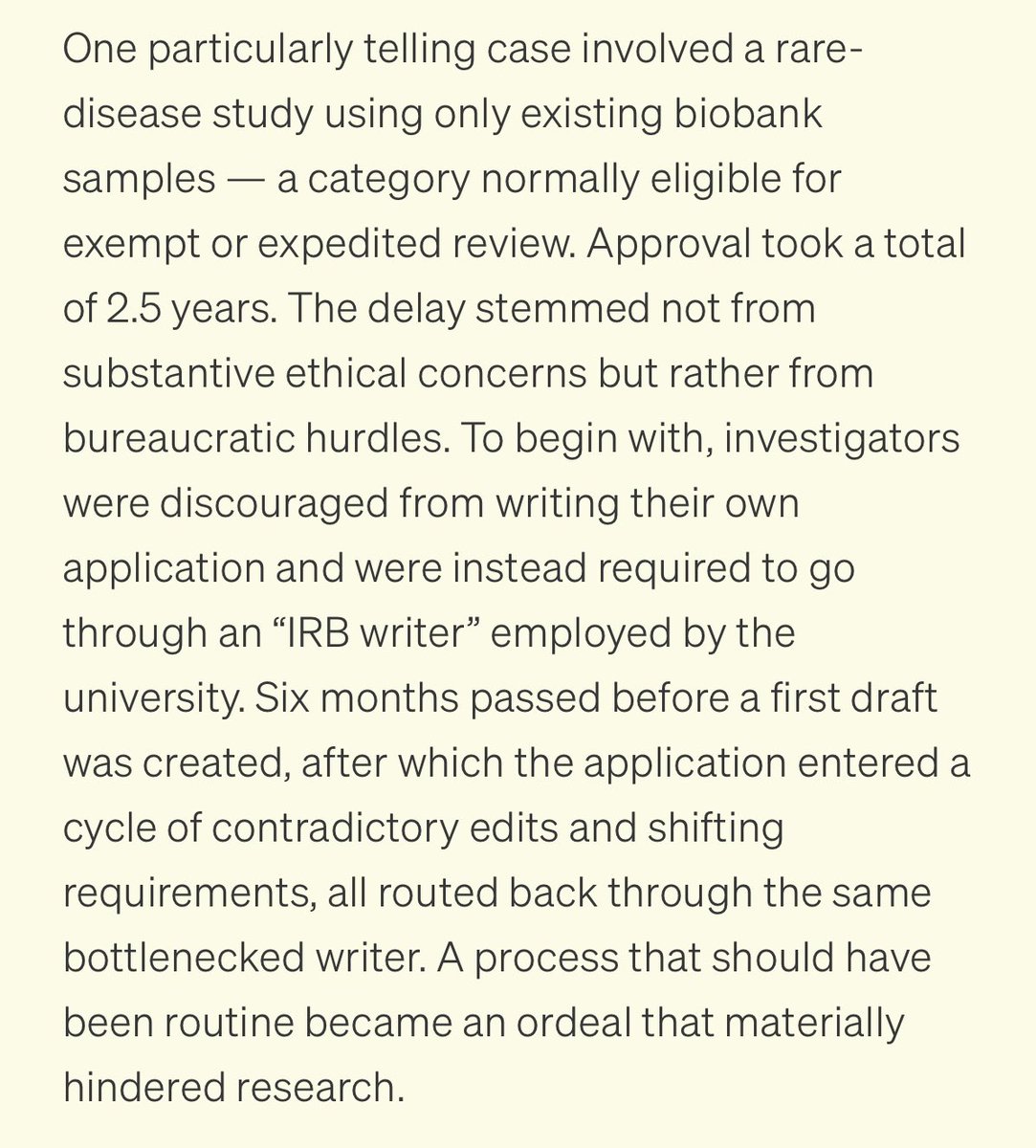
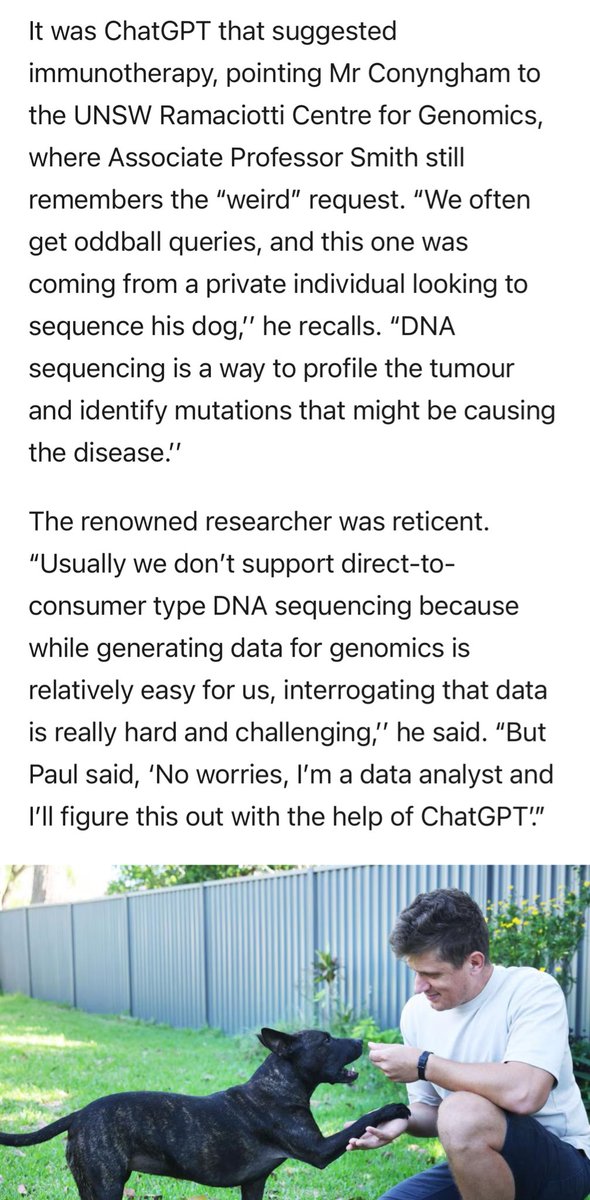
The story about bureaucracy almost stopping a man from treating his dog’s cancer with an mRNA vaccine went viral. The problem transfers to humans: we’ve made these clinical trials unnecessarily hard, denying hope to patients. New article on this. writingruxandrabio.com/p/the-bureaucr… Excerpts: "A story about Paul Conyngham, an AI entrepreneur from Sydney who treated his dog Rosie’s cancer with a personalized mRNA vaccine, has been circulating on X since yesterday. What makes the story inspiring is the initiative the owner showed: he used AI to teach himself about how a personalized vaccine could work, designed much of the process himself and approached top researchers to take it forward. Whether the treatment itself was fully curative and how much of an improvement it is over state-of-the art is not the main focus of this essay. Others have already debated that question at length, and I recommend following their discussions. What interests me instead is the bureaucratic absurdity the dog’s owner encountered while trying to pursue the treatment. He described the long and frustrating process required simply to test the drug in his dog: “The red tape was actually harder than the vaccine creation, and I was trying to get an Australian ethics approval and run a dog trial on Rosie. It took me three months, putting two hours aside every single night, just typing the 100 page document.” Even in a small and urgent case, where the owner was fully willing to fund the treatment himself, the effort was slowed by layers of procedure. Of course, this kind of red tape is not confined to Australia, nor to veterinary medicine. In fact, in the US, the red tape is even worse, at least for in-human trials. In a previous post, I recommended the Australian model for early stage In the United States, GitLab co-founder Sid Sijbrandij found himself in a similar position after the relapse of his osteosarcoma. When the ordinary doors of medicine closed, he entered what he called “founder mode on his cancer.” Like many entrepreneurs confronted with a difficult problem, he began trying to build his own path forward by self-funding his exploration of experimental therapies. Even then, he ran into the same maze of regulatory and institutional barriers that not only delayed him, but also unnecessarily raised the price of his experimental therapies. These are obstacles that only someone with extraordinary resources could hope to navigate, often by assembling an entire team to deal with them and navigate the opacity. In the end, Sijbrandij prevailed: he has been relapse free since 2025, after doctors had told me he was at the end of his options. Around the same time, writer Jake Seliger faced a similar situation while battling advanced throat cancer. Like Sid Sijbrandij, he was willing to try anything that might help. The difference was that Seliger was not a billionaire. He could not hire a team to navigate the system on his behalf, and he struggled even to enroll in the clinical trials that might have offered him a chance. A system originally conceived to safeguard patients has gradually produced a strange and troubling outcome: the mere chance of survival is effectively reserved for the very few who possess the means to assemble an army of experts capable of navigating its labyrinthine procedures. What makes these stories particularly frustrating is that we already know clinical trials — especially small, early-stage ones like the ones Sijbrandij enrolled in for himself— can be conducted far more cheaply and with far less bureaucracy than is currently required. Ironically, the original article cites Australia as a bad example, yet clinical trials there are conducted 2.5–3× cheaper and faster than in the U.S., at least for human trials, without any increase in safety events—a genuine free lunch. Removing unnecessary barriers has long been important. That is why I co-founded the Clinical Trial Abundance initiative in 2024, a policy effort aimed at increasing both the number and efficiency of in-human drug trials and have consistently argued about the importance of making this crucial but often neglected part of the drug discovery process more efficient. Since then, the issue has only become more urgent with the rise of AI. One of the central promises of the AI revolution is that it will accelerate medical progress. Organizations such as the OpenAI Foundation list curing disease as a core goal, and researchers like Dario Amodei of Anthropic have argued that AI could dramatically speed up biomedical innovation. But, as I have written before in response to an interview between Dario and Dwarkesh Patel, AI will not automatically accelerate a key bottleneck in making these dreams a reality: clinical trials. Conyngham’s observation that navigating the red tape to start a trial for his dog took longer than designing the drug itself only underscores the point. Clinical trials themselves vary widely. At one end are small, bespoke trials involving one or a few patients testing highly experimental therapies—like the treatment in the Australian dog story or the experimental therapy Sijbrandij pursued. At the other end are large-scale trials involving thousands of participants, designed to confirm earlier findings and support regulatory approval. Different types of trials require different reforms. In this essay, I will focus on the former: small, exploratory trials, which will be called early-stage small n trials for the purpose of this essay. These are often the fastest way to test promising ideas in humans and learn from them. They represent our best chance at a meaningful “right-to-try,” form the top of the funnel that generates proof-of-concept evidence, and may be the only viable path for personalized medicine and treatments for ultra-rare diseases. Understanding why these trials have been made unnecessarily difficult—and how we might change that—is essential if medical innovation is to keep pace with our growing ability to design new therapies. When the story first circulated on X, many people interpreted it as evidence that a cure already exists but simply hasn’t been used due to bureaucracy. That isn’t quite true, as I explained. The type of mRNA vaccine that the owner pursued looks promising, but he did not know a priori whether it worked or not, as it had not been tested before. So it was not a cure, but “a chance at a cure”. I hesitate to call it an “experimental treatment”, since this term evokes fears of potential safety issues while we generally can predict safety quite well now. The inaccuracy of whether this was a cure or not, however, does not make the story of the bureaucratic red tape that Conyngham encountered any less infuriating. More and more promising treatments are accumulating in the pipeline, fueled by an explosion of new therapeutic modalities, ranging from mRNA to better peptides and more recently, by AI. Yet we are not taking full advantage of them. To better understand these points, it is helpful to briefly outline the clinical development process—the sequence of in-human trials through which a promising scientific idea is gradually translated into a therapy. Drug development is often described as a funnel: many ideas enter at the top, but only a few become approved treatments. Early human studies, known as Phase I trials, sit at the entrance of this process. They involve small numbers of patients and are designed to quickly test whether a new therapy is safe and shows early signs of effectiveness. If the results look promising, the therapy moves to larger and more complex studies, including Phase III trials that enroll large numbers of patients to confirm whether the treatment truly works. Most people gain access to new therapies only after these large randomized trials are completed. On average, moving from a promising idea to Phase III results takes seven to ten years and costs roughly $1.2 billion. Accelerated approval pathways in areas such as cancer or rare diseases can shorten this timeline by relying on surrogate endpoints, but the process remains slow. As a result, many discoveries that make headlines today will take close to a decade before they become treatments that patients can widely access. Part of this delay is unavoidable. Observing how a drug affects the human body simply takes time. But much of it is not. Layers of unnecessary bureaucracy, regulatory opacity, and rising trial costs add years to the process without clearly improving patient safety, which is why I started Clinical Trial Abundance. Allowing a higher volume of small-n early stage trials, the focus of this essay, is a rare “win-win” for both public health and scientific progress. For patients, it transforms a terminal diagnosis from a closed door into a “chance at a cure,” providing legal, supervised access to cutting-edge medicine that currently sits idle in labs. For researchers and society, it unclogs the drug discovery funnel; by lowering the barrier to entry for new ideas, we ensure that the next generation of mRNA, peptide and AI-driven therapies are tested in humans years sooner, ultimately accelerating the arrival of universal cures for everyone. Next, I will explain why making it easier to run these early stage trials matters. First, from a patient perspective, they often provide the closest practical equivalent to a right-to-try. In theory, right-to-try laws allow patients with serious illnesses to access treatments that have not yet been confirmed in large randomized Phase III trials. In practice, these pathways rarely function as intended. Pharmaceutical companies are often reluctant to provide experimental drugs outside formal trials, and treatments typically must have already passed Phase I testing. As a result, very few patients gain access through these mechanisms. Early-stage trials offer a more workable alternative. They allow experimental therapies to be tested in structured clinical environments—often in academic settings or academia–industry collaborations—where patients can be monitored and meaningful data can be collected. Second, early-stage small-n trials are essential for personalized medicine and the treatment of ultra-rare diseases. Many emerging therapies—such as personalized cancer vaccines, gene therapies, and other individualized interventions—do not fit easily into the traditional model of large randomized trials involving thousands of participants. By their nature, these treatments target very small patient populations and often require flexible, adaptive clinical designs. From a societal perspective, these trials play a crucial learning role. As I argued in my earlier essay Clinic-in-the-Loop, early-stage trials are not simply regulatory checkpoints on the path to approval. They are part of the discovery process itself, creating a feedback loop between laboratory hypotheses and human biology. Later-stage studies, particularly Phase III trials, are designed mainly for validation: they test whether a treatment works under defined conditions and produce the evidence needed for approval. Early-stage trials, by contrast, are oriented toward learning. Conducted with small patient groups and often using exploratory designs, they allow researchers to observe how a therapy behaves in the human body and how the disease responds. In this way, they close the gap between theory and real-world biology. In the Clinic-in-the-Loop essay, I explain how these trials were crucial to the discovery of Kymriah, the first curative cell therapy for blood cancer."
English
18
86
377
88.6K
Feng Tao Ning retweetledi
Garry Tan
Garry Tan@garrytan·
New York wants to ban AI that outscores doctors on medical exams. Over 900,000 New Yorkers have no insurance. 92% of low-income legal problems go unaddressed. Anti-AI NY bill S7263 isn't consumer protection. It's cartel protection. gli.st/ypknnhdn
English
130
208
1.8K
507.7K
Feng Tao Ning retweetledi
Doug Lewin
Doug Lewin@douglewinenergy·
Several records on the Texas grid the last two days: 🔋1st time batteries met 20% of demand (!) and went over 10 gigawatts 🥇 Renewables provided 79% of power demand at 1:10 day, highest ever 😎 Solar exceeded 32 GW and met 65% of demand, both firsts. #txenergy #txlege
English
28
187
782
71.5K
Feng Tao Ning retweetledi
Ruxandra Teslo 🧬
Ruxandra Teslo 🧬@RuxandraTeslo·
They are not trivial to make in the sense that they cost money to manufacture, but regulations unnecessarily increase the costs here. Not just for mRNA vaccines but for many promising therapies. Wrote abt it here: writingruxandrabio.com/p/for-clinical…
Ruxandra Teslo 🧬 tweet mediaRuxandra Teslo 🧬 tweet media
arctotherium@arctotherium42

Am I interpreting this Tweet correctly - individualized n=1 mRNA cancer vaccines are trivial to make but are never used in people because you can't do an RCT with one person? This seems like a gigantic regulatory failure.

English
4
11
120
15.3K
Feng Tao Ning
Feng Tao Ning@ftning·
@matvelloso i think that's some serious optimism about the regulatory-medical complex vs... dogs
English
0
0
0
37
Feng Tao Ning retweetledi
David Vance
David Vance@DVATW·
This is what economic suicide looks like;
English
1.2K
12.7K
66.2K
4.5M
Feng Tao Ning retweetledi
Ryan Goodman
Ryan Goodman@rgoodlaw·
"Top Trump officials acknowledged to lawmakers during recent classified briefings that they did not plan for the possibility of Iran closing the strait in response to strikes." cnn.com/2026/03/12/pol…
English
2.1K
3.1K
9.3K
4.6M
Feng Tao Ning retweetledi
Derek Thompson
Derek Thompson@DKThomp·
Okay good, let's say the WH planned for Iran to close the Strait of Hormuz following the attack. 1. The U.S. sold off its helium reserve before waging a war that they knew would disrupt helium exports to allies, which make computer chips we rely on. Weird decision. 2. The U.S. let oil stockpiles fall to a multi-decade low before waging a war they knew would disrupt oil shipping. Why? 3. The U.S. didn't build any kind of coalition to assist tankers coming under attack in the region, and two weeks into the war they're only now asking allies to reinforce the US Navy. But they knew they'd need to do this for ... "years"? If this is what "a plan" looks like, god forbid we see what unplanned operations look like.
Tim Sheehy@TimSheehyMT

I received a classified briefing from the administration. It is categorically false that they did not plan for Iran closing the Strait of Hormuz. Lawmakers and national security officials have known for years that this was Iran’s plan once their backs were against the wall.

English
224
2.3K
12.1K
859.3K
Feng Tao Ning retweetledi
R A Popalzai🇵🇰
R A Popalzai🇵🇰@Radion_Popalzai·
@RnaudBertrand This statement made my day 👇 South Korean President Lee Jae-myung earlier today: “We are opposing the [US] withdrawal of some air defense weapons… but we cannot fully enforce our opinion." yna.co.kr/view/AKR202603…
English
6
81
615
101.8K
Feng Tao Ning
Feng Tao Ning@ftning·
@thisismahmoud @boyuan_chen @Railway i second this. railway link really slows down for claude code and absolutely kills gemini3pro, i literally have stopped using gemini-cli for anything related to railway.
English
0
0
1
84
Mahmoud
Mahmoud@thisismahmoud·
@boyuan_chen @Railway > Agents need --json and --yes flags on everything We pushed a big update a while back, so I'd make sure that you're on the latest version of the CLI. Any commands in particular where you had an agent get stuck?
English
1
0
0
151
Mahmoud
Mahmoud@thisismahmoud·
I'll be revamping the @Railway CLI experience for both humans and agents 🫡 Let me know if you've run into issues. I'm especially curious about any friction you've hit when using it with tools like Claude Code, Codex, Cursor, etc.
English
12
3
68
11.2K