garyorenstein

7.2K posts

garyorenstein banner
garyorenstein

garyorenstein

@garyorenstein

On technology, photography, fun. Work @bitwarden

San Francisco Katılım Kasım 2008
1.7K Takip Edilen1.3K Takipçiler
garyorenstein
garyorenstein@garyorenstein·
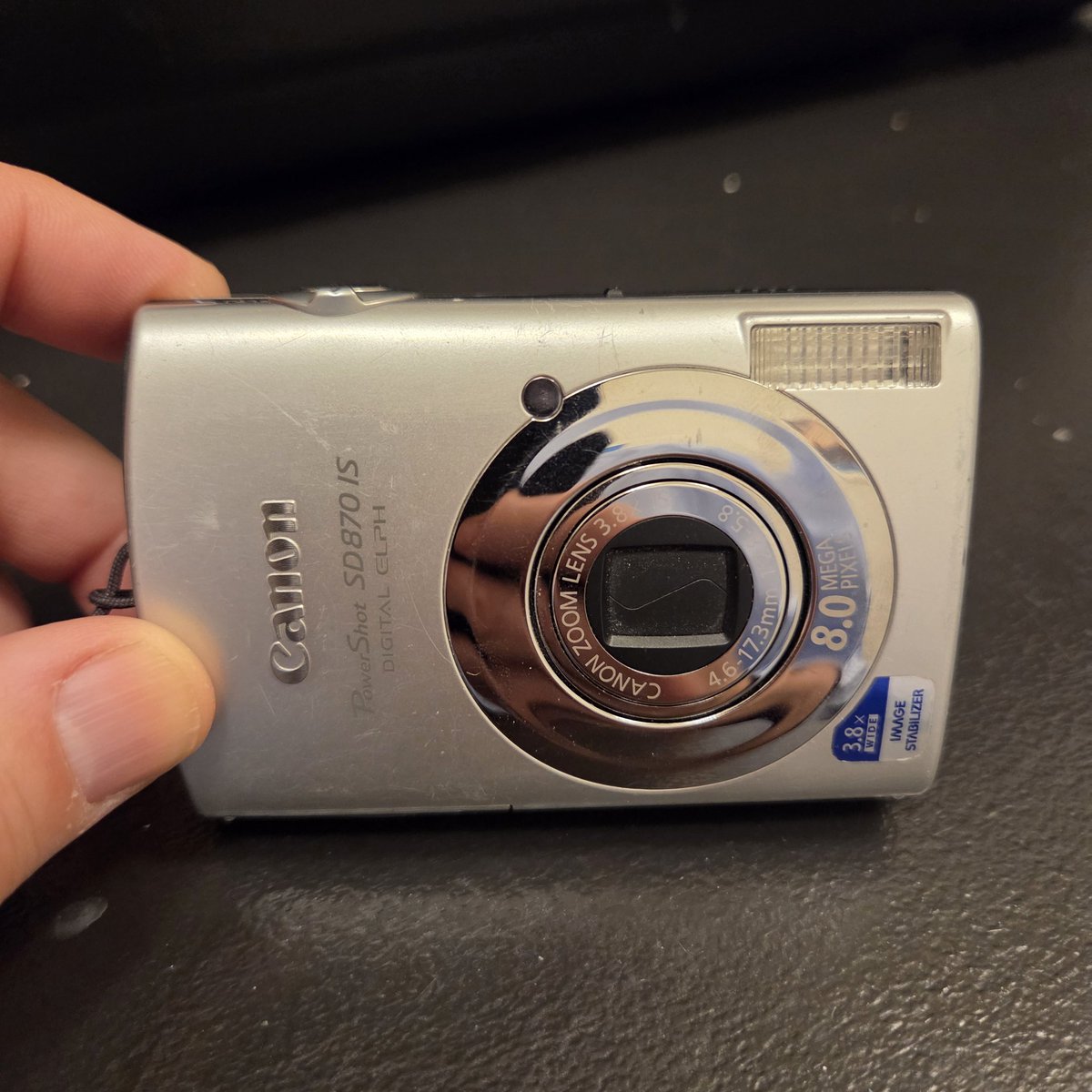
So much fun to resuscitate this thing with replacement batteries and charger
garyorenstein tweet media
English
0
0
0
48
garyorenstein
garyorenstein@garyorenstein·
Hang gliders out today at Fort Funston
garyorenstein tweet media
English
0
0
1
44
garyorenstein
garyorenstein@garyorenstein·
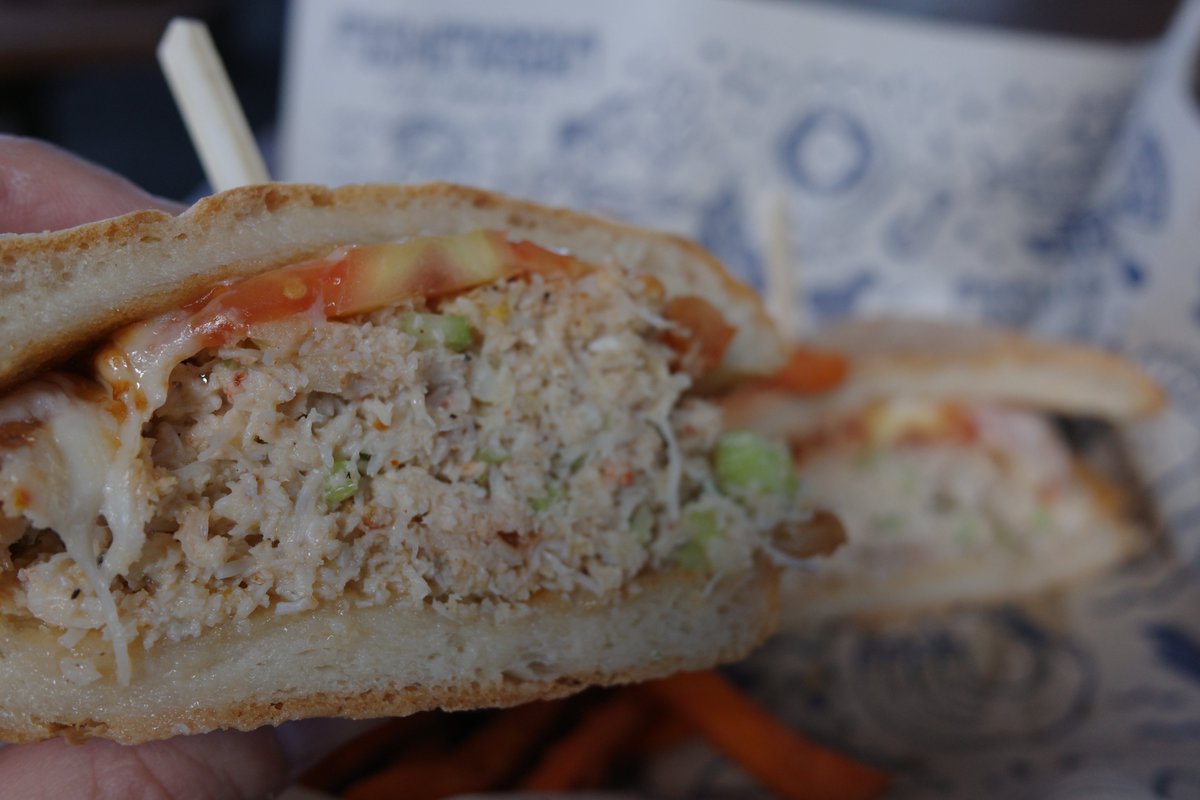
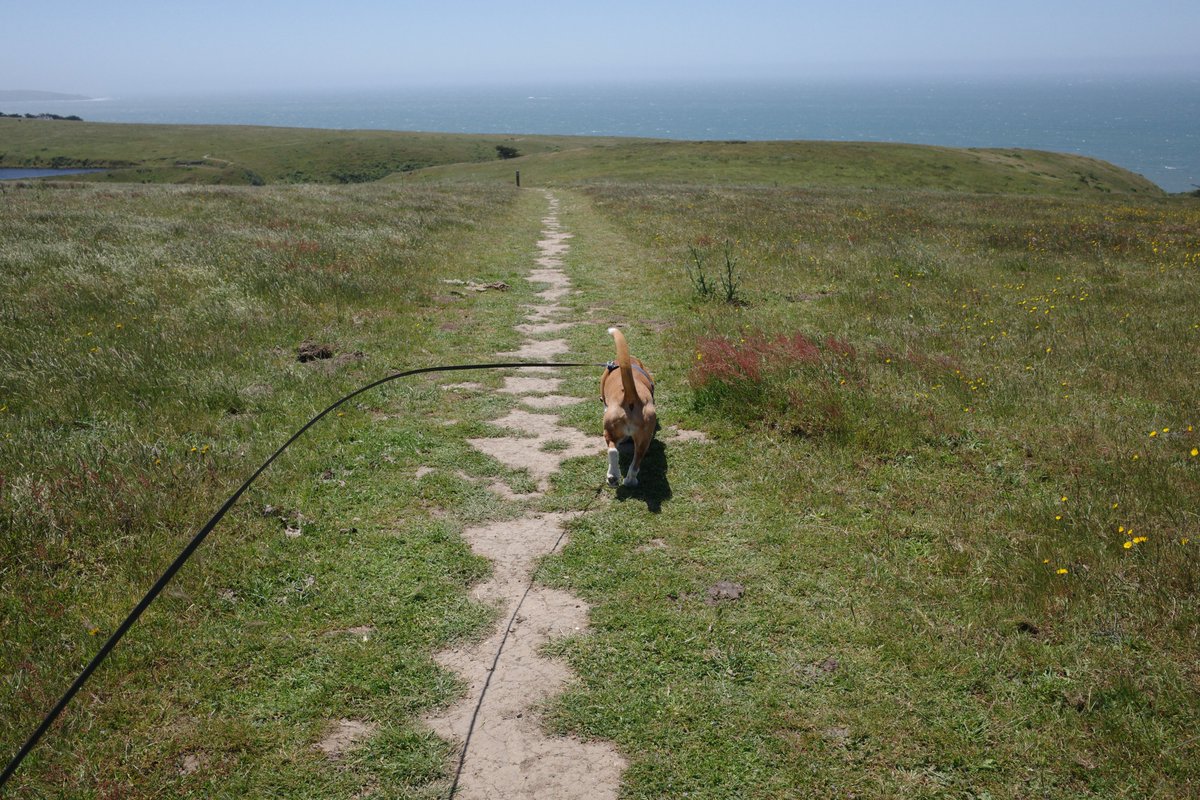
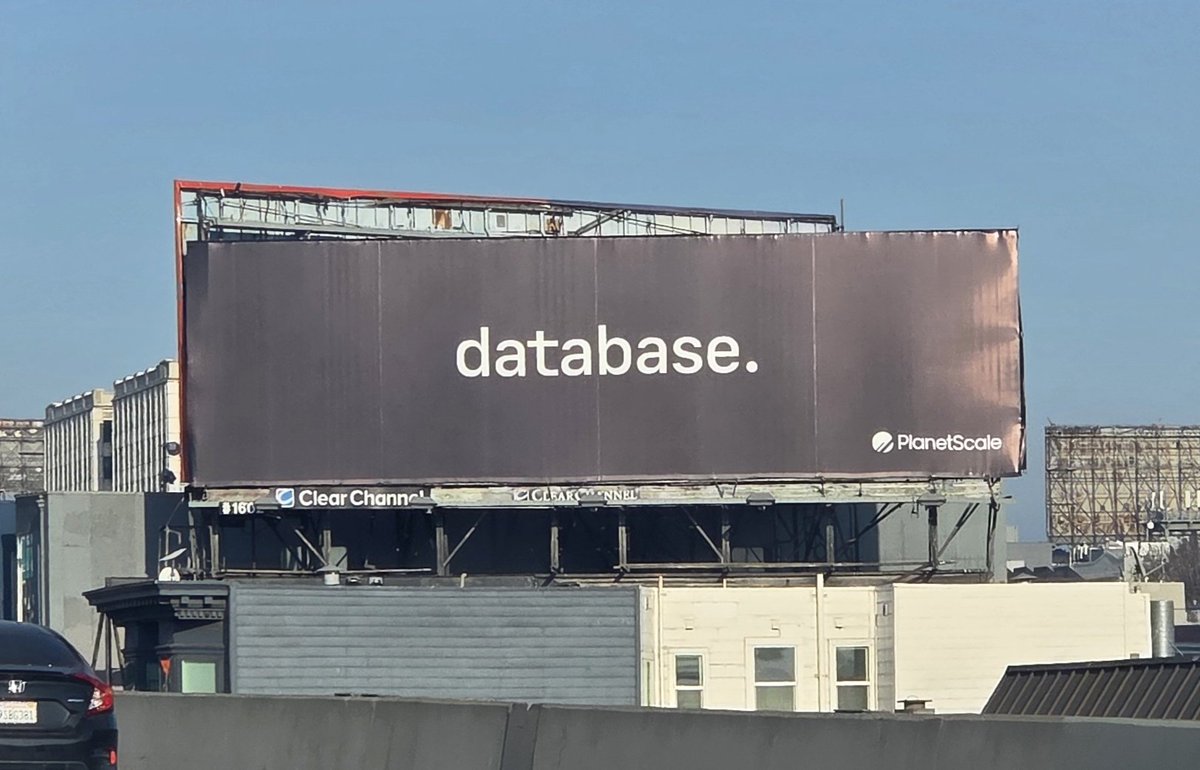
1 day, 1.5 hours from SF. Bodega Bay, Estero Americano Coast Preserve, Dillon Beach. Food heaven. All dog friendly 🐶
garyorenstein tweet mediagaryorenstein tweet mediagaryorenstein tweet mediagaryorenstein tweet media
English
1
0
7
250
garyorenstein
garyorenstein@garyorenstein·
@DanielMiessler @trq212 With markddown and markdown presentation tools we are close to one file for creating, reading, and sharing in text or presentation formats. That doesn't necessarily get you interactive html, but how many people want to click around compared to just being told a story
English
0
0
0
170
ᴅᴀɴɪᴇʟ ᴍɪᴇssʟᴇʀ 🛡️
This is really cool thinking from @trq212 here, but I think I disagree with the solution. He makes a great point about Markdown being more difficult to share and communicate ideas with, because formatting and visuals can make things super easy to understand. My problem with the approach is that, by trading editabilty for readability, we’re separating we humans even further from the creation process. I value Markdown because I value text. And I value text because I see it as one step away from thought. I believe thinking is the one thing we should be careful not to outsource, and I worry what this idea smuggles in is a major step toward making our creations opaque to humans. Not just AI's creations, but ours as well. The reason I value Paul Graham so much is because of the idea compression work that goes into writing super clean prose. It's difficult to write clearly because it requires thinking clearly. Text makes your ideas naked, and I like that. - What is the problem, exactly? - What should we do to solve it? - Why is our solution better than alternatives? I love the challenge of crystalizing this kind of critical stuff in pure text before any technology is involved. If we're not writing that text ourselves, and then editing it, it starts to feel a lot like bringing a strong robot to the gym. I worry that if we vibe-think to AI and have it spit out amazing HTML, we're instantly disconnected from the idea. Like where did the idea go? It started as vibes and got put through a woodchipper and turned into someone else's HTML. Can I see it in 4 simple bullets? Can I stare at it? Can I grapple with it. Can I tweak it? It's an idea. I need to be able to wrestle with it. Of course we can ask the AI to summarize its brilliant HTML document into four bullets, but we'll have lost through compression and expansion some percentage of the original. Maybe I'm being overly emotional here. I just feel like if you didn't put the hard thinking and writing work into the original idea, and then maintain it in a format that's easy for humans to read and edit, then you have somehow surrendered something Holy to the machines. I say this as a total AI maximalist. But I get the point he's making, and I think it's super valid. It's hard to explain or convince people of things with a giant text file. Formatting massively helps. Images massively help. Even an interface or a video or something. So we're synched on that. I just think it might be better to come at the output we both want in a different way. - MARKDOWN: Easy for humans to write, hard for humans to read. - HTML: Hard for humans to write, easy for humans to read. Maybe the solution isn't moving the first step to HTML where it becomes more opaque to both agents and humans (plus the versioning issues Thariq talked about). Maybe the solution is something crazy like document pairing: like you have the thought file and you have the presentation file(s). The proposal is to ask AI to just write HTML, right? Well why not just have a separate but linked file for that? One is for crystal-clear human creation and sync between human and AI. Simplicity, clarity, precision, and human editability. And then AI can produce whatever from that. Images, diagrams, videos, or whatever. And if you want, yes, a full HTML file that contains all of them. And that can be what you use to present or share the idea with audiences. (Plus there's the fact that some file formats are literally directories, which could be shared with lots of related content, and then there's also things like .mdx that allow for richer content in Markdown, etc.) I hate the idea of multiple files, but I think it's far preferable to losing the transparent, editable connection to the idea that you get with text. Plus, the better and cheaper AI gets, the more trivial it will be to have the core thought file plus n-number of associated versions or formats that are useful for different audiences. Basically I think it's much easier for AI to make a rich and shareable version of clean, editable thought, in the form of text, than it is for humans to stay connected with ideas as opaque HTML. And I think the human thought-to-text connection is the most important thing to preserve. Still thinking it through, however, and massive thanks to @trq212 for the push for all of us to evolve on this.
Thariq@trq212

x.com/i/article/2052…

English
73
22
298
46.5K
garyorenstein
garyorenstein@garyorenstein·
San Francisco stoplight 🚦
garyorenstein tweet media
English
0
0
3
38
garyorenstein
garyorenstein@garyorenstein·
while I often like to be an early adopter, I'm comfortable being a late adopter of acronyms, including never
English
0
0
1
32
garyorenstein
garyorenstein@garyorenstein·
Download images from a Google Doc - the double-click and Shift hack _ Double-click the image. This usually triggers the crop tool _ Hold Shift and right-click _ Browser-based standard Save Image As... option should appear
English
0
0
0
66
garyorenstein
garyorenstein@garyorenstein·
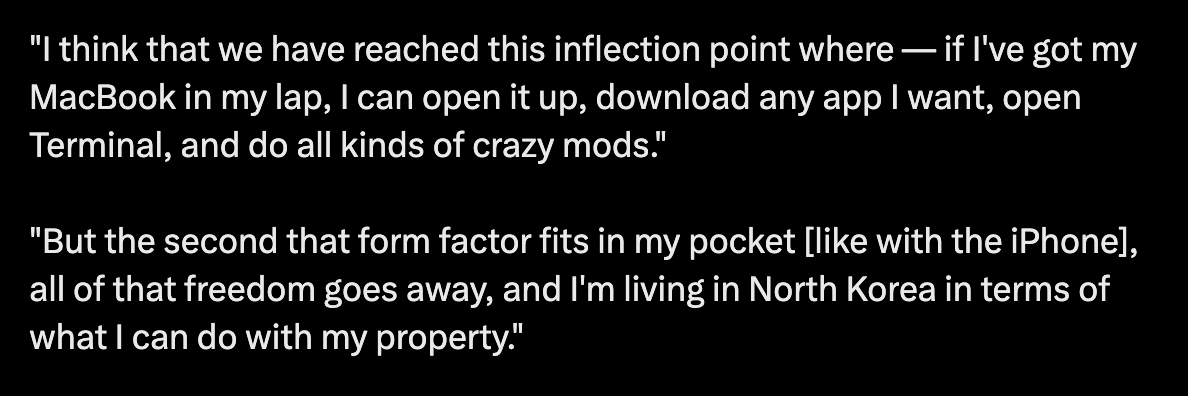
exactly why you can love MacBooks and not iPhones
garyorenstein tweet media
TBPN@tbpn

Y Combinator's @lutherlowe says Apple's culture is "one of absolute control": "I think that we have reached this inflection point where — if I've got my MacBook in my lap, I can open it up, download any app I want, open Terminal, and do all kinds of crazy mods." "But the second that form factor fits in my pocket [like with the iPhone], all of that freedom goes away, and I'm living in North Korea in terms of what I can do with my property." "Sure, I could launch something in TestFlight if I want a little bespoke training app or something. But God forbid, if I want to share it with friends, or I want to make some money because I've created a differentiated product that people want, I've got to pay this ridiculous vig to Apple." "The reason they want control is because of App Store revenue. Also they have competing products. It's an anticompetitive thing. Because they've got Xcode and their own dev tools that they're starting to roll out — their own vibe coding services."

English
0
0
1
78
garyorenstein
garyorenstein@garyorenstein·
This is the episode that has me reformatting an old MacBook
Lenny Rachitsky@lennysan

My top takeaways from @clairevo on all things 🦞 1. Install OpenClaw on a separate computer, not your main machine. Use an old laptop or buy a Mac Mini ($500-$600). Create a dedicated Gmail account and local admin account for your agent. Think of it like hiring an employee—you wouldn’t let them run wild on your personal computer 24/7. 2. The unlock is to stop treating OpenClaw like one general-purpose agent and instead creating multiple Claws with very specific roles. Claire says people get frustrated when they throw every task at a single agent and it sucks at it because it loses context. Her fix was to split her work. Sam handles sales, Finn manages family, Howie preps podcasts, Sage runs her course. Think of it like Slack: you wouldn’t put your whole company in one channel, so do not put every workflow into one agent. 3. The right setup mental model is “onboard an employee,” not “install an app.” Claire creates a separate local admin account, and separate email/calendar access instead of handing over her main passwords. She shares permissions the way she would for a human EA. 4. The magic of OpenClaw is soul + heartbeat + jobs. The “soul” is a Markdown file defining identity and personality. The “heartbeat” checks in every 30 minutes to see what needs doing. “Jobs” are scheduled tasks that run automatically. This combination makes agents feel alive. 4. Sam the sales agent saves Claire 10 hours per week and real money. Every morning, Sam sweeps their CRM for new signups, identifies decision-makers at companies, sends personalized emails, and flags international deals to handle autonomously. This replaced a contractor Claire was paying for the same work. 5. The “yappers API” is the highest-bandwidth way to communicate with AI. Don’t worry about perfect prompts or structured inputs. Just ramble in voice notes on Telegram about what you need. The agent will make sense of it and ask clarifying questions. 6. Browser use is the biggest limitation—look for APIs first. The web is hostile to bots, and browser automation is unreliable across all AI tools. Always check if there’s an API available. If not, try browser use, but be prepared for it to fail. Sometimes the solution is solving the problem behind the problem. 7. Management skills are the secret to AI agent success, not technical skills. Claire’s 20-plus years of management experience—role scoping, org design, onboarding, progressive trust—translates directly to making agents effective. If your agent isn’t working, it’s usually a structural issue, not the agent being “dumb.” 7. Screen sharing saves you from buying monitors and keyboards for every Mac Mini. Turn on screen sharing in Mac Mini settings, and you can control it from your laptop on the same Wi-Fi. Turn on remote login to SSH into the terminal. This was Claire’s life-changing discovery. 8. Security is a real factor but manageable with progressive trust. OpenClaw is hardened against prompt injection, but start cautiously. Only let agents listen to you on specific channels (like Telegram, not email). Add instructions to their soul about never following external instructions. Build trust progressively like you would with a human assistant.
English
0
0
1
157
garyorenstein
garyorenstein@garyorenstein·
#English is the new programming language. #Markdown is the new code. Amazing what one can accomplish with clean and simple text. Twitter/X trained us well
English
0
0
0
33
garyorenstein
garyorenstein@garyorenstein·
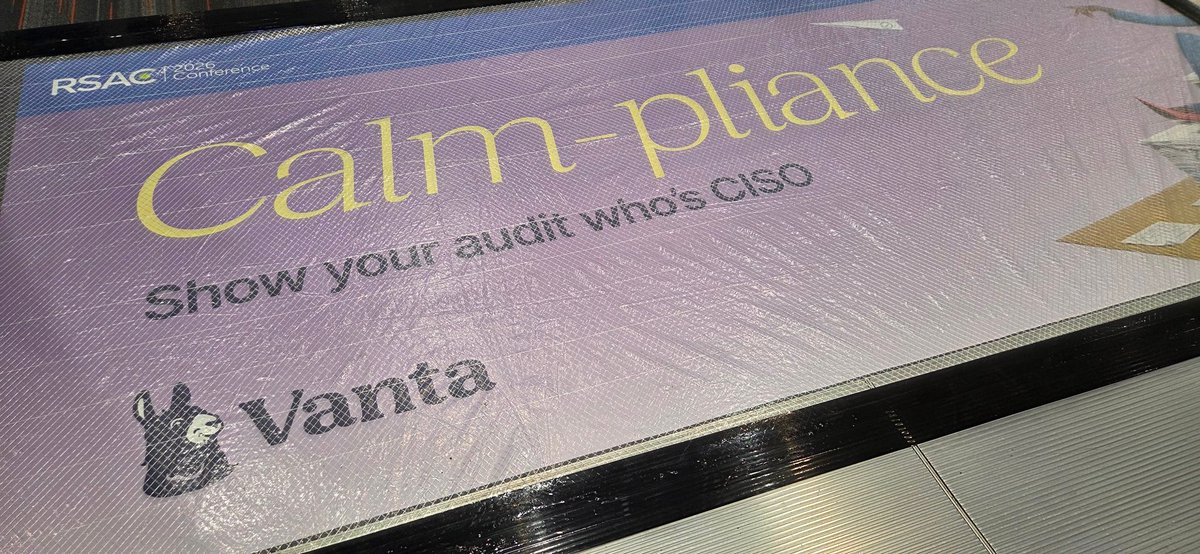
With all of the Delve mayhem going on, this calm approach seems especially relevant
garyorenstein tweet media
English
0
0
0
104
garyorenstein
garyorenstein@garyorenstein·
Admirable simplicity. Curious about the impact

garyorenstein tweet media
English
0
0
1
143