Sabitlenmiş Tweet

In this episode of AfriCan Geopardy we discussed “decarbonising shipping: Risk, Power and Opportunity for #Africa” in the content of @IMOHQ Netzero framework, with Ms Maria Ogbugo. Enjoy!
open.spotify.com/episode/56sdnC…
English
AfriCanGeorpady
1.1K posts

@georpady
Official home of #AfriCanGeorpardy. Podcasting about AfriCan geopolitics, security and development. Host: Dr @diplomaticife

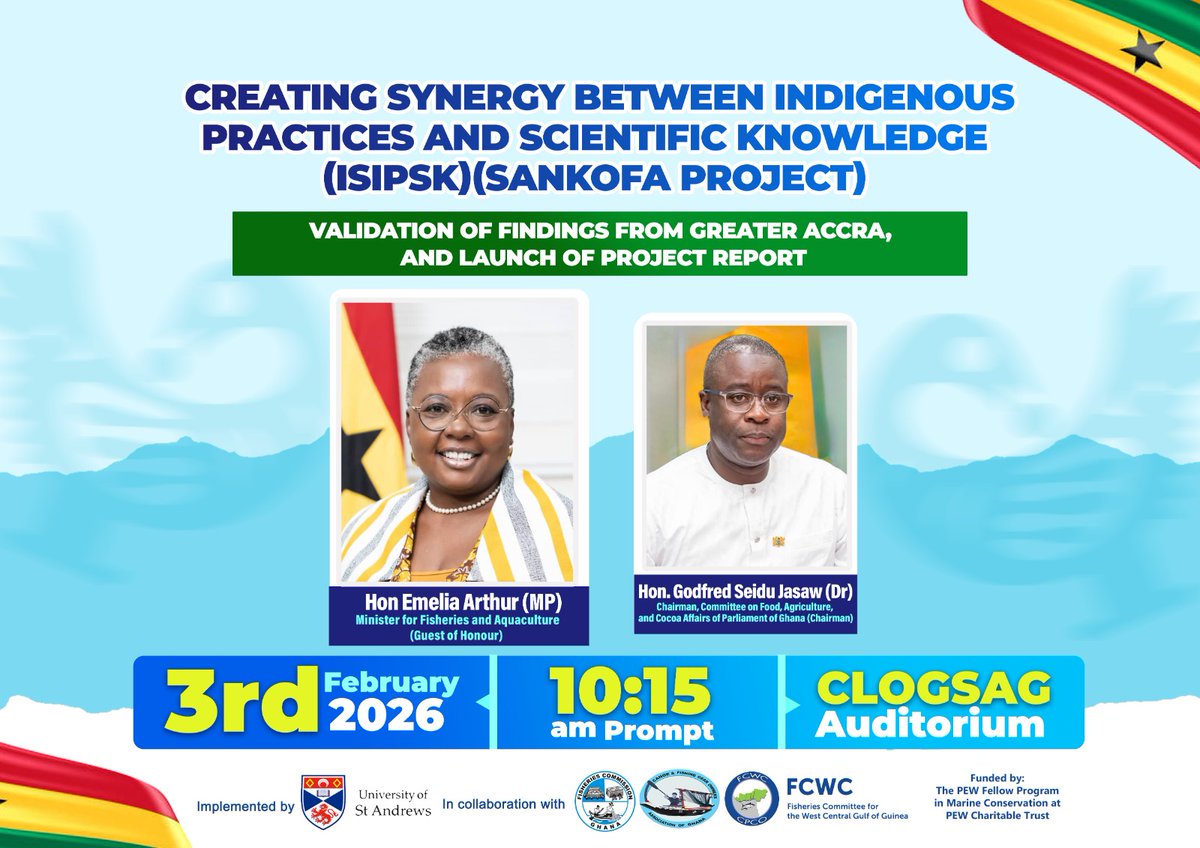
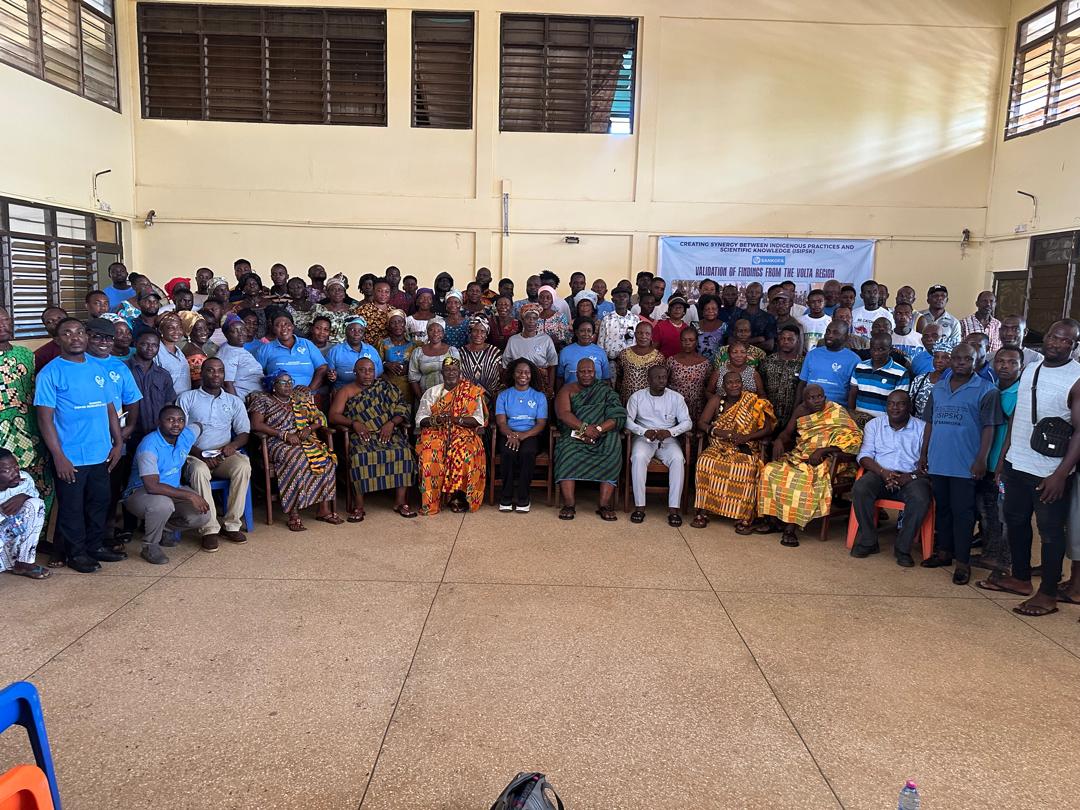
Happening tomorrow! 🎊 The ultimate event in our regional stakeholder validations w/ fisherfolk in Greater Accra & launch of our report to national stakeholders. Guest of Honour, Hon. @emeliaarthur_ and dignitaries @GSJasaw1 @DiplomaticIfe @FCWC_CPCO @CanoeGear @FisheriesCommHQ

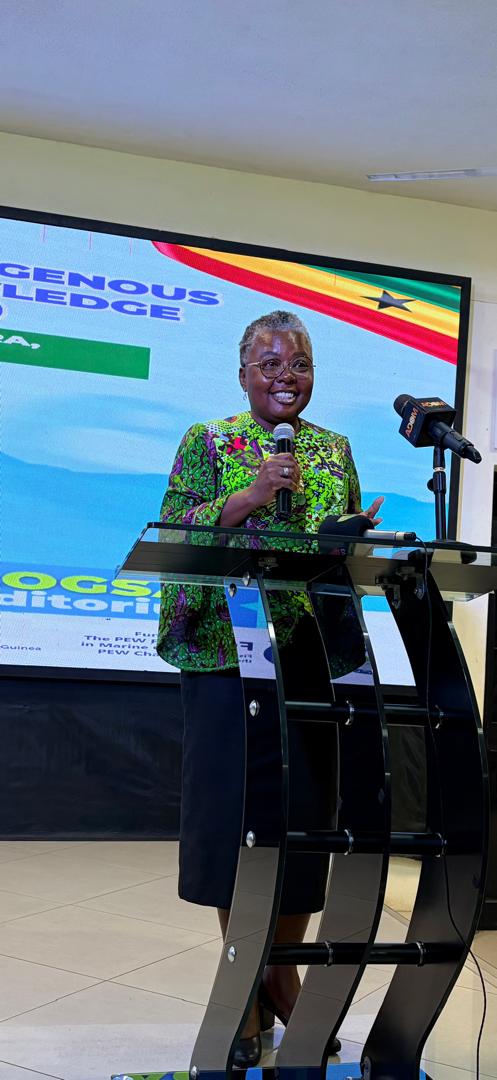
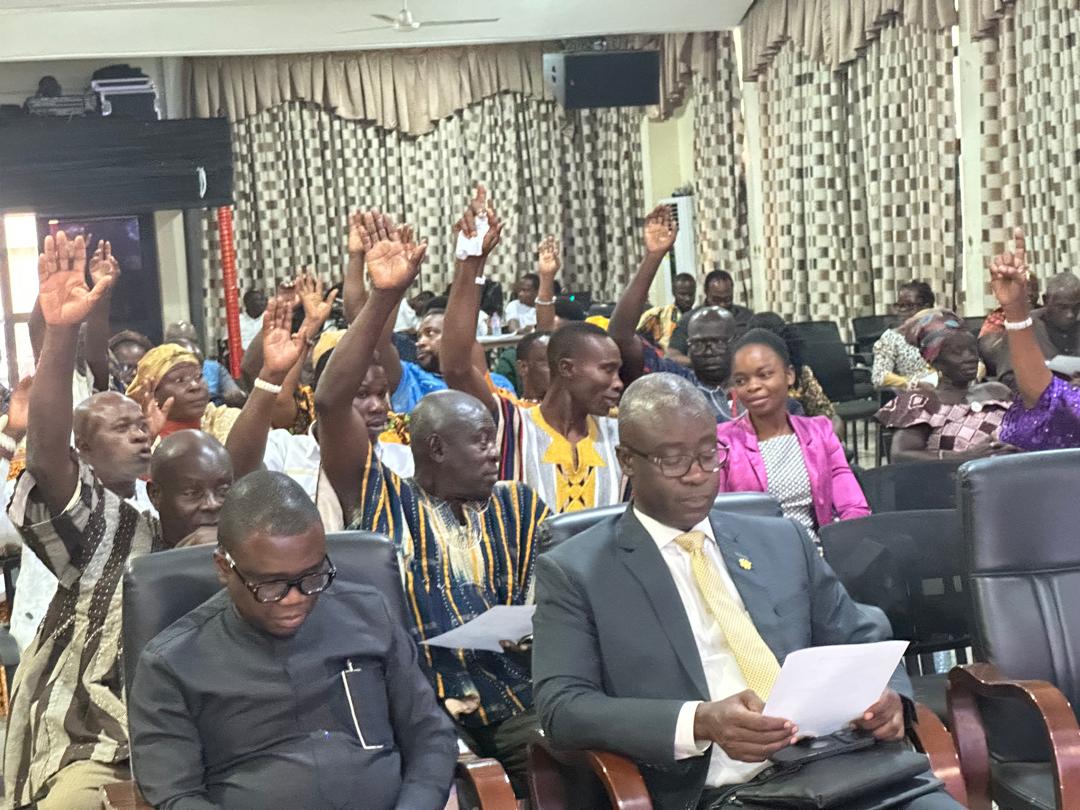
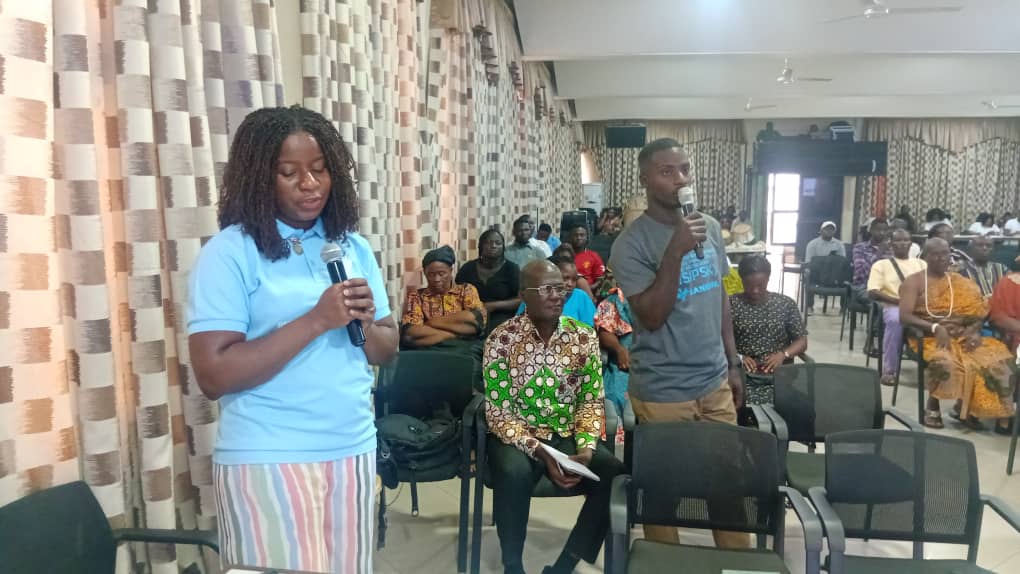
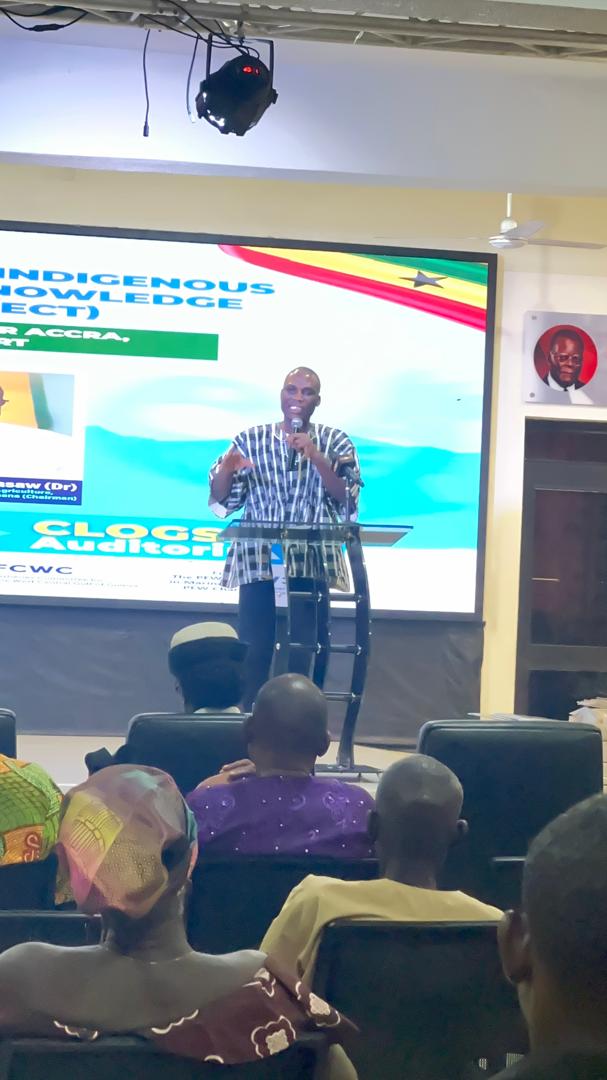


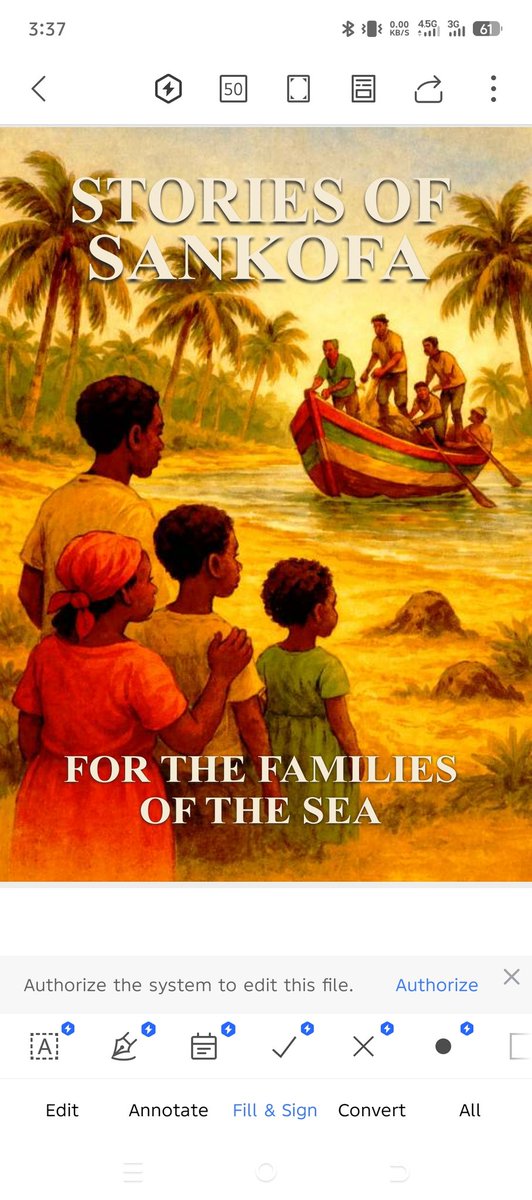
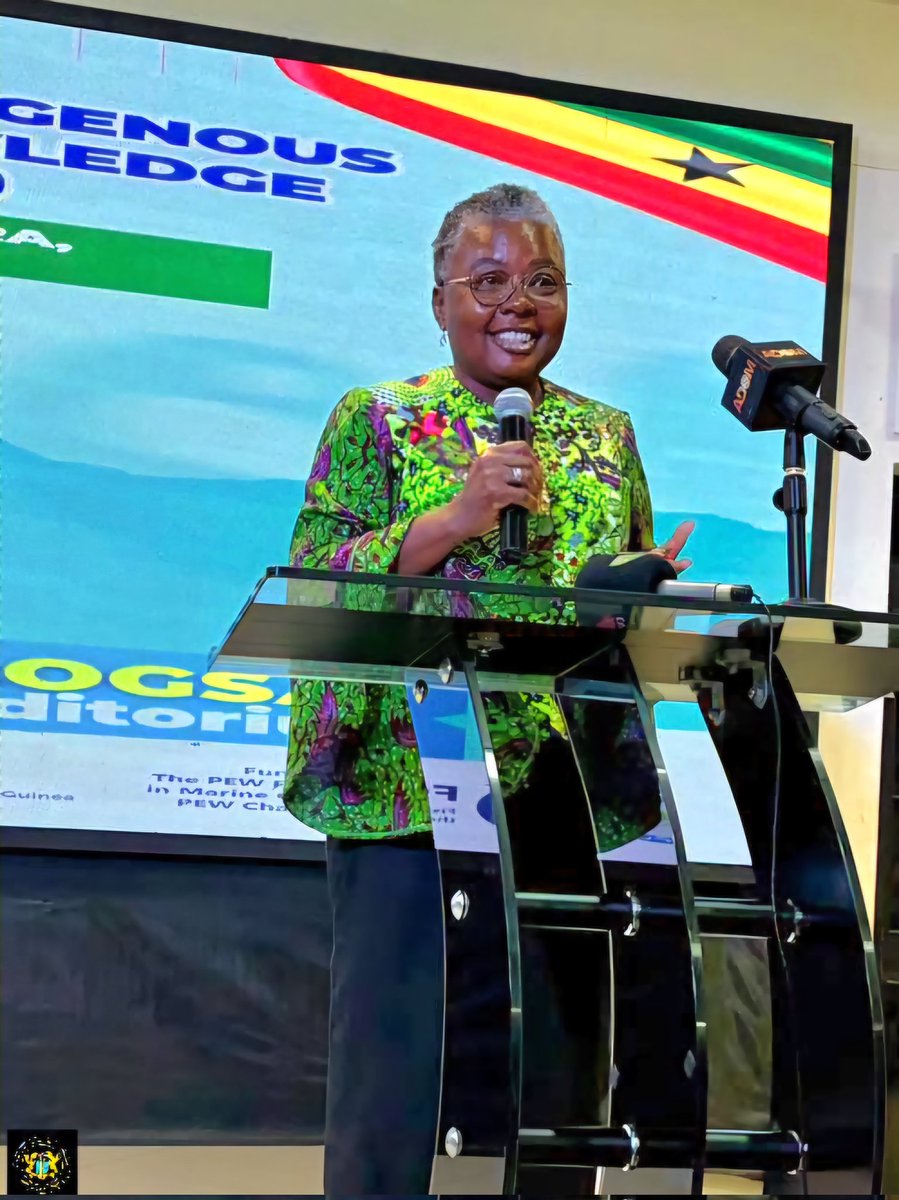
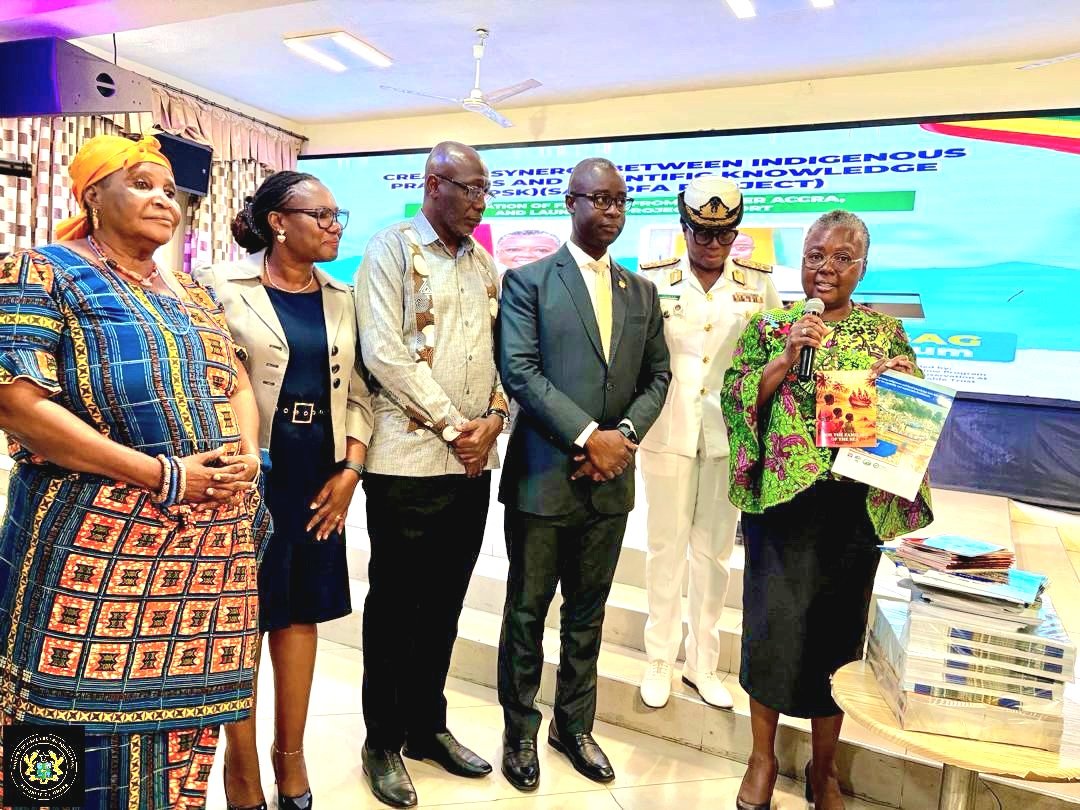
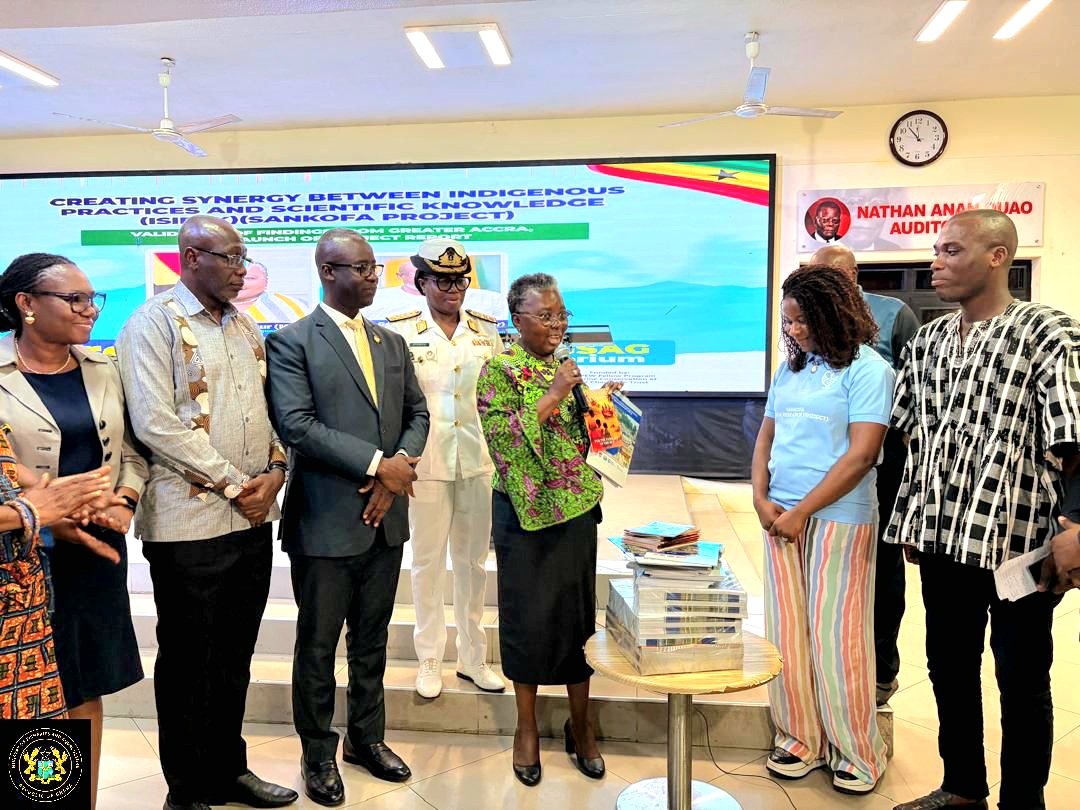
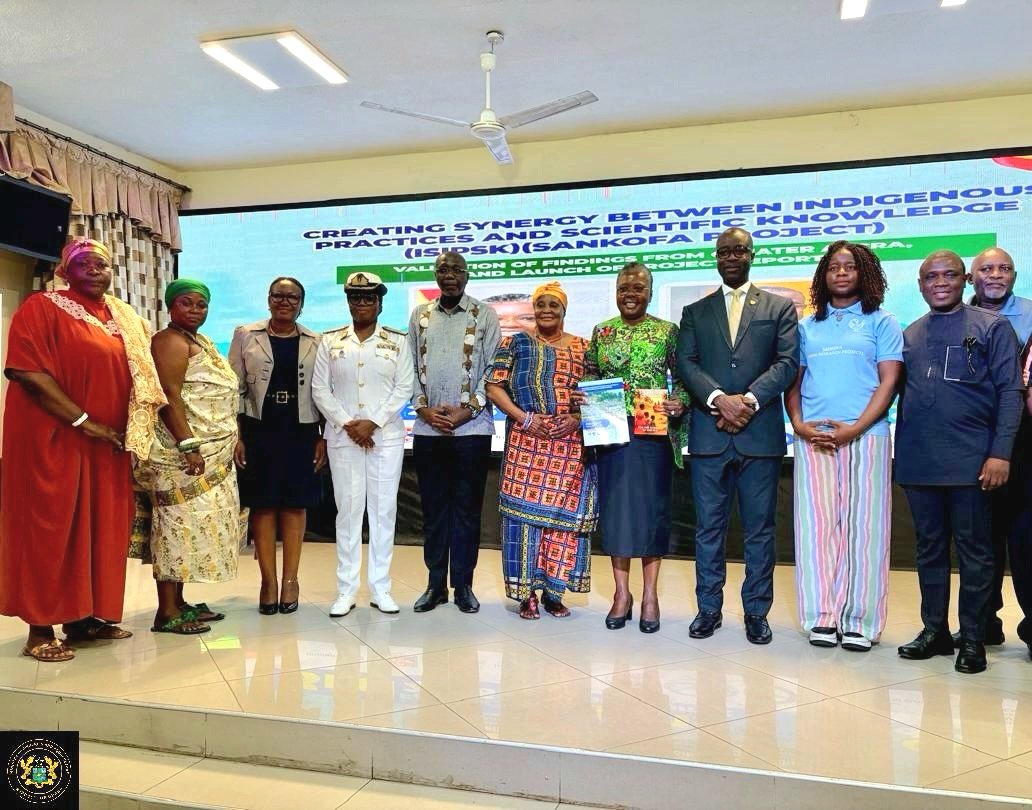
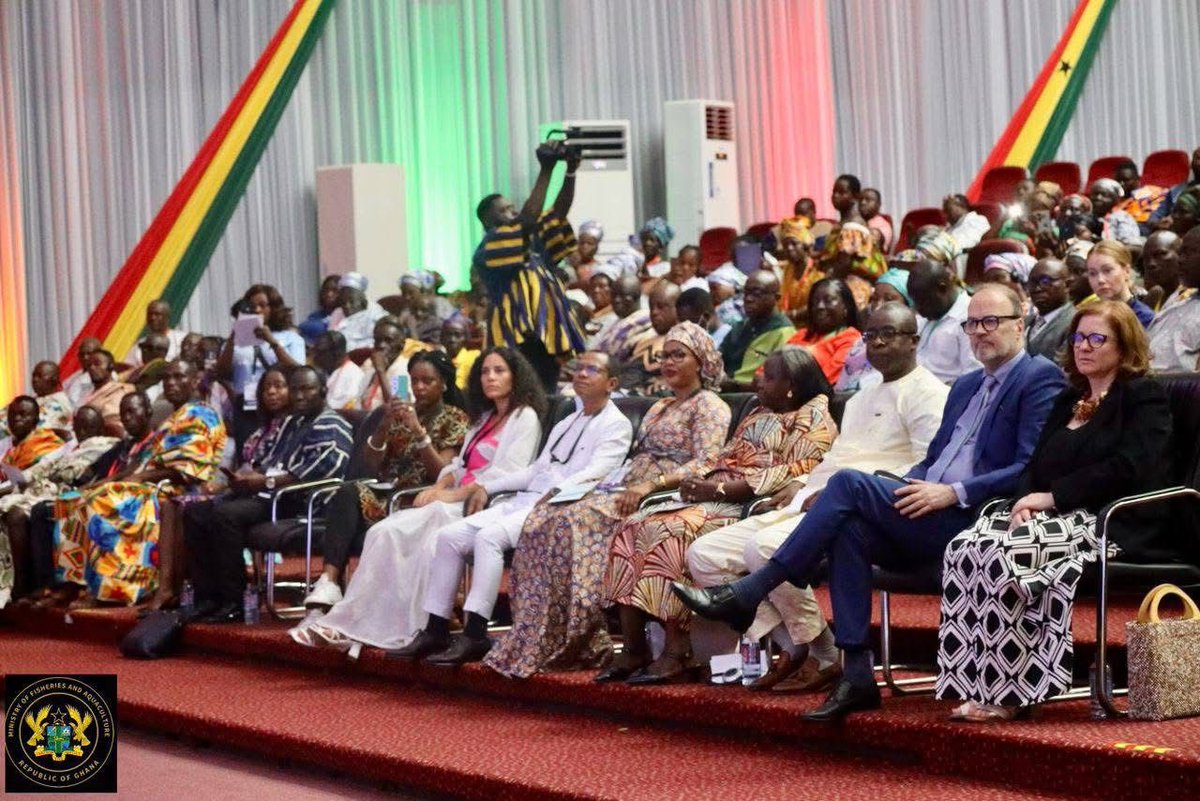
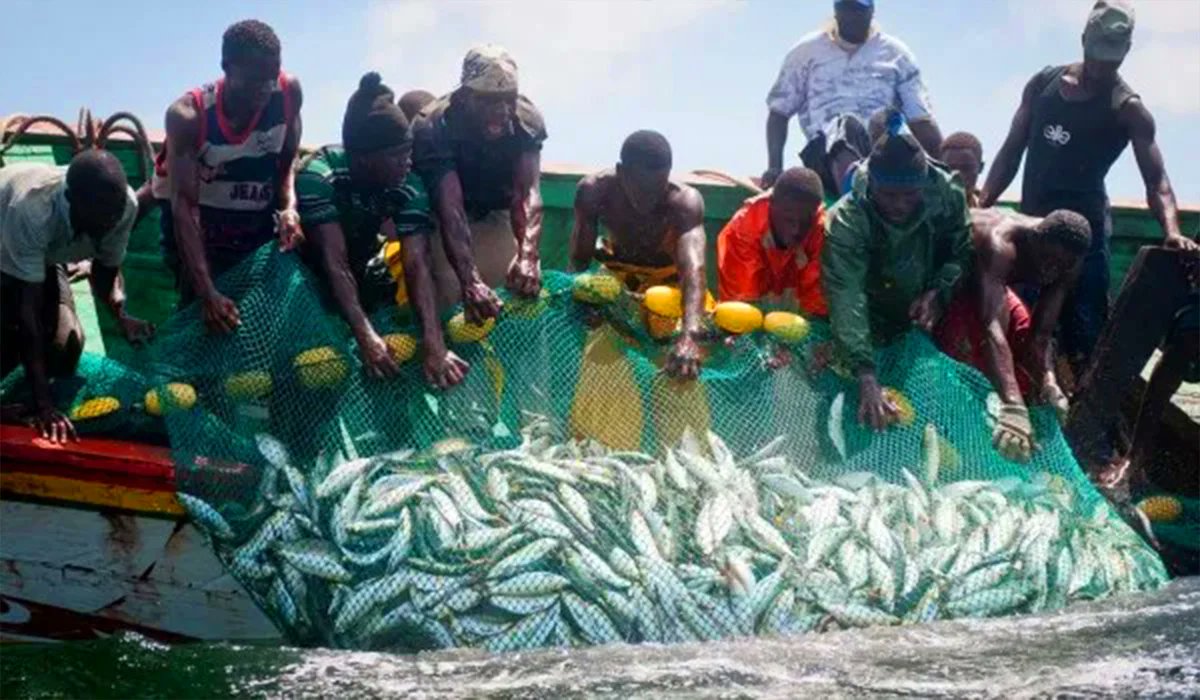
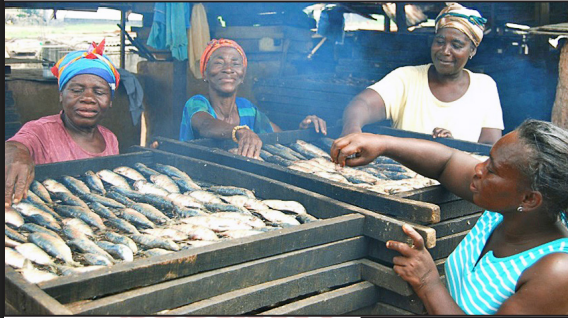
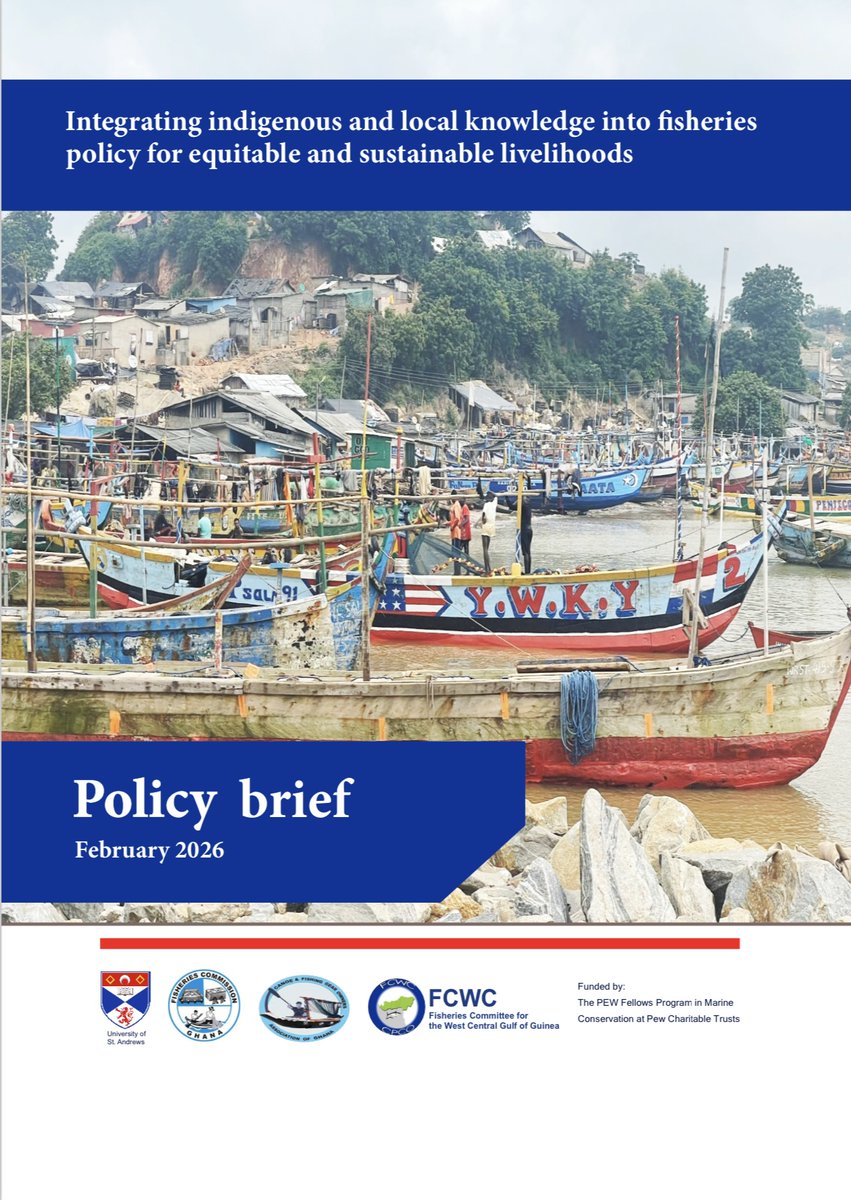
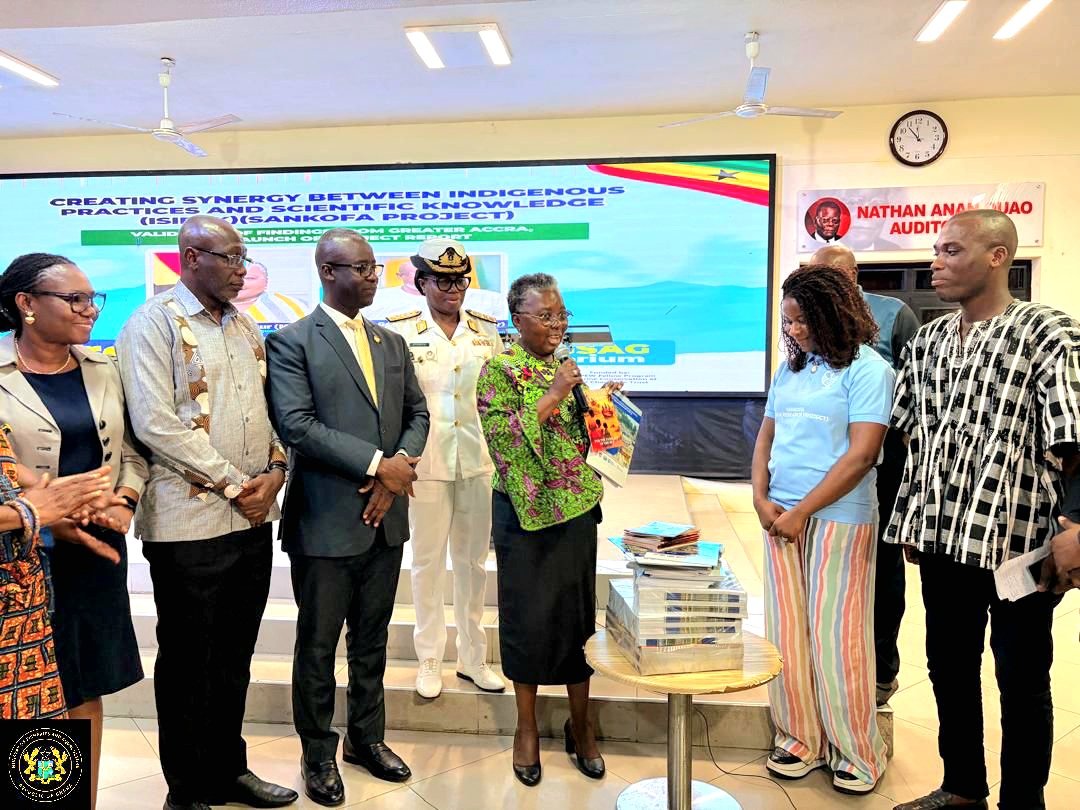
I participated in the presentation of a research study under the SANKOFA Project that calls for stronger collaboration between indigenous fishing practices and modern scientific approaches to protect Ghana’s marine resources, using the fishing closed season as a case study. The study, titled “Creating Synergies Between Indigenous Practices and Scientific Knowledge,” was presented on Tuesday, 3rd February 2026, and highlighted key drivers of declining fish stocks, including illegal fishing, increased fishing effort, industrial trawling of juvenile fish, and the erosion of traditional conservation practices such as wichi. The research recommended harmonising indigenous conservation methods with scientific fisheries management, strengthening enforcement against illegal fishing, reviewing the timing of the closed season to align with fish breeding cycles, improving communication of fisheries policies, and sustaining traditional practices such as the Tuesday fishing holiday. It also underscored the economic hardships the closed season places on fishing communities—particularly women fish processors, traders and canoe crew members—while noting that fisherfolk largely support the policy when it reflects ecological and cultural realities. In my remarks, I reaffirmed Government’s commitment to participatory and evidence-based fisheries management, stressing our continued collaboration with fishing communities and district assemblies to integrate traditional knowledge into modern governance frameworks. As we conclude the SANKOFA Project, I noted that its findings will inform future fisheries policies, strengthen community participation, protect livelihoods and promote the sustainable management of Ghana’s marine resources.

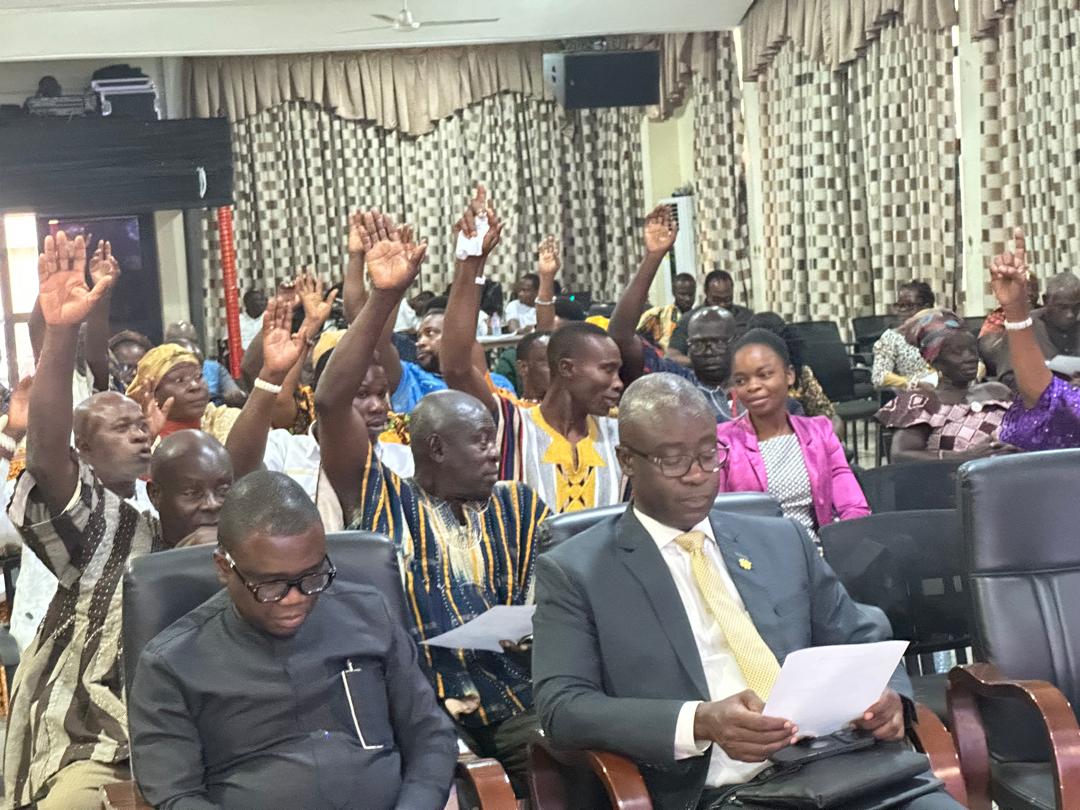
I participated in the presentation of a research study under the SANKOFA Project that calls for stronger collaboration between indigenous fishing practices and modern scientific approaches to protect Ghana’s marine resources, using the fishing closed season as a case study. The study, titled “Creating Synergies Between Indigenous Practices and Scientific Knowledge,” was presented on Tuesday, 3rd February 2026, and highlighted key drivers of declining fish stocks, including illegal fishing, increased fishing effort, industrial trawling of juvenile fish, and the erosion of traditional conservation practices such as wichi. The research recommended harmonising indigenous conservation methods with scientific fisheries management, strengthening enforcement against illegal fishing, reviewing the timing of the closed season to align with fish breeding cycles, improving communication of fisheries policies, and sustaining traditional practices such as the Tuesday fishing holiday. It also underscored the economic hardships the closed season places on fishing communities—particularly women fish processors, traders and canoe crew members—while noting that fisherfolk largely support the policy when it reflects ecological and cultural realities. In my remarks, I reaffirmed Government’s commitment to participatory and evidence-based fisheries management, stressing our continued collaboration with fishing communities and district assemblies to integrate traditional knowledge into modern governance frameworks. As we conclude the SANKOFA Project, I noted that its findings will inform future fisheries policies, strengthen community participation, protect livelihoods and promote the sustainable management of Ghana’s marine resources.
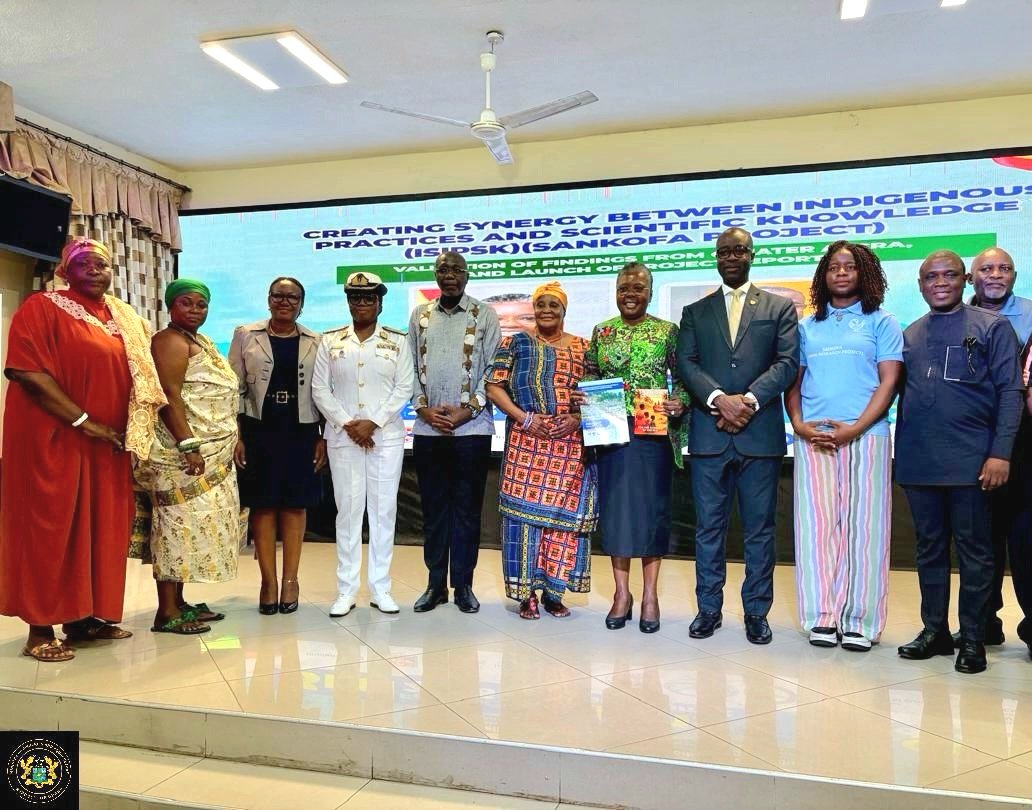
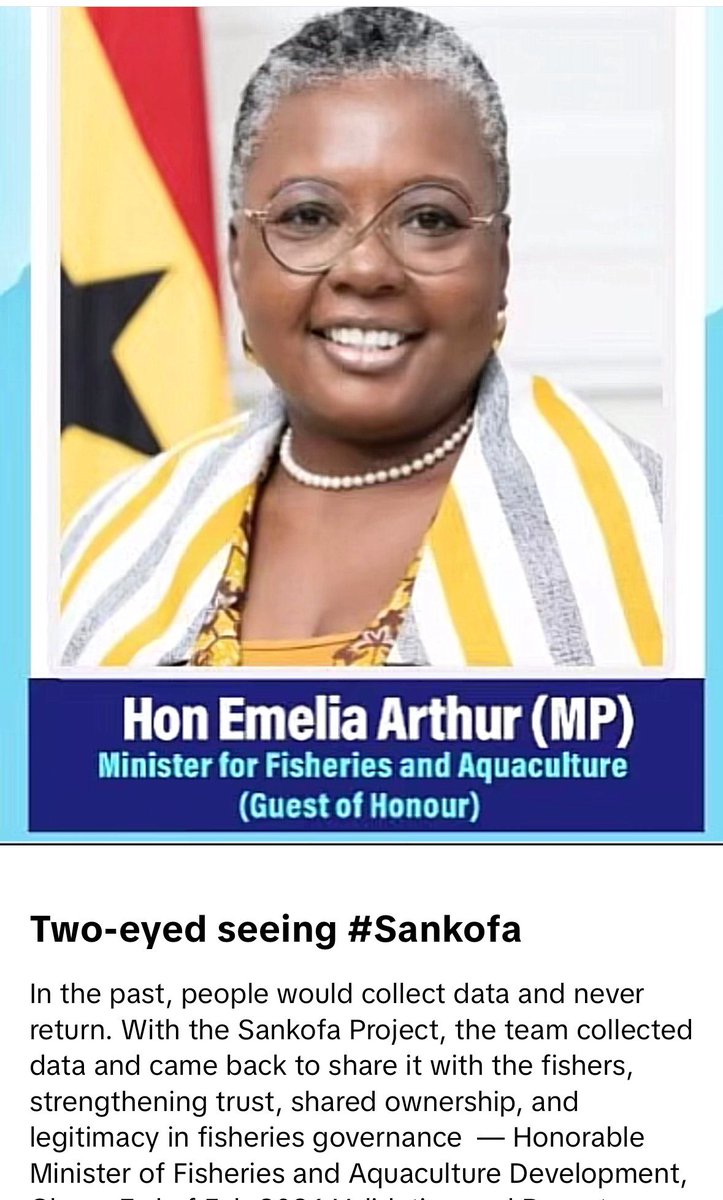
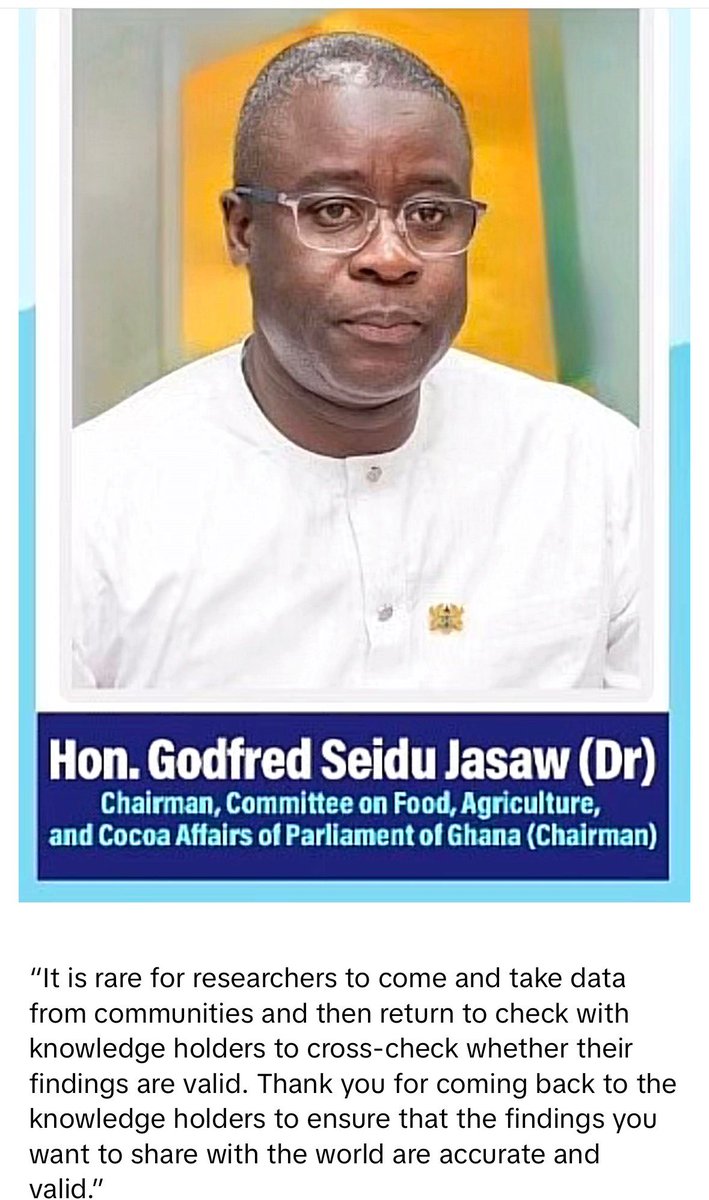
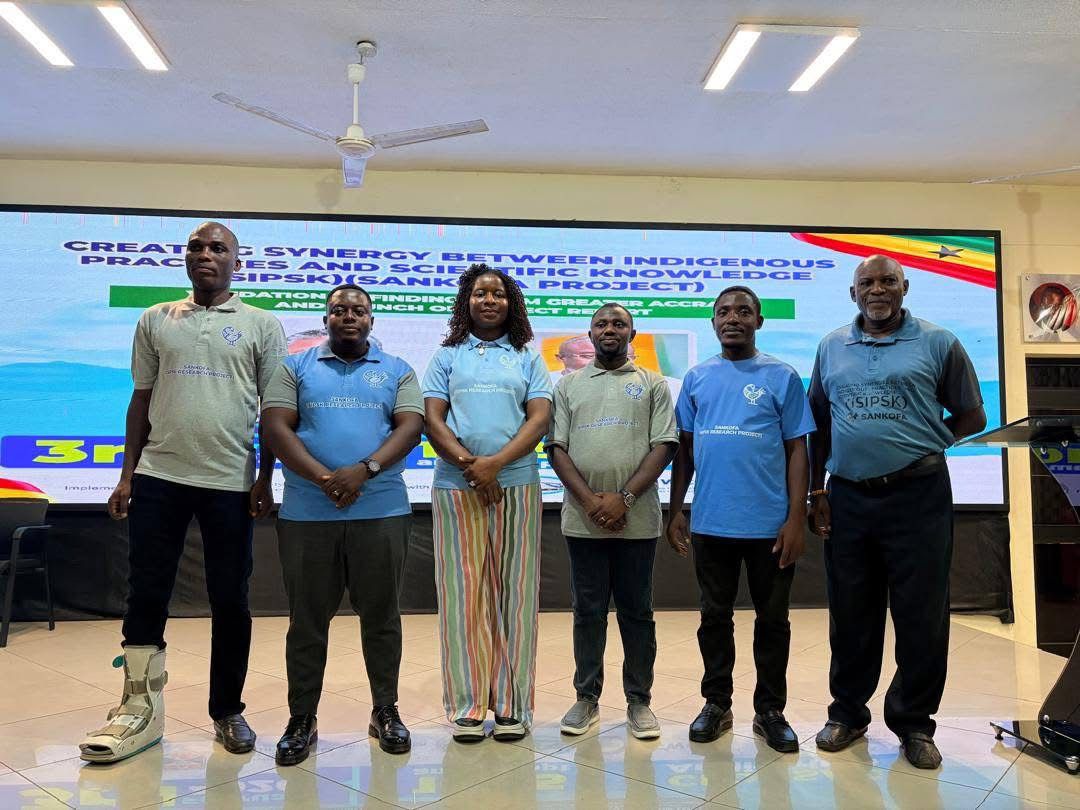
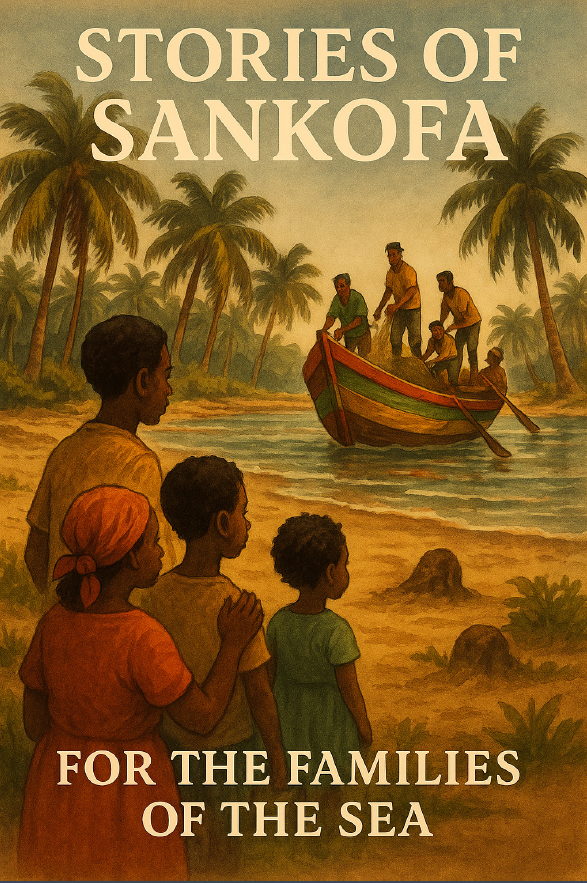
I participated in the presentation of a research study under the SANKOFA Project that calls for stronger collaboration between indigenous fishing practices and modern scientific approaches to protect Ghana’s marine resources, using the fishing closed season as a case study. The study, titled “Creating Synergies Between Indigenous Practices and Scientific Knowledge,” was presented on Tuesday, 3rd February 2026, and highlighted key drivers of declining fish stocks, including illegal fishing, increased fishing effort, industrial trawling of juvenile fish, and the erosion of traditional conservation practices such as wichi. The research recommended harmonising indigenous conservation methods with scientific fisheries management, strengthening enforcement against illegal fishing, reviewing the timing of the closed season to align with fish breeding cycles, improving communication of fisheries policies, and sustaining traditional practices such as the Tuesday fishing holiday. It also underscored the economic hardships the closed season places on fishing communities—particularly women fish processors, traders and canoe crew members—while noting that fisherfolk largely support the policy when it reflects ecological and cultural realities. In my remarks, I reaffirmed Government’s commitment to participatory and evidence-based fisheries management, stressing our continued collaboration with fishing communities and district assemblies to integrate traditional knowledge into modern governance frameworks. As we conclude the SANKOFA Project, I noted that its findings will inform future fisheries policies, strengthen community participation, protect livelihoods and promote the sustainable management of Ghana’s marine resources.