The Great Firewall
128 posts
The Great Firewall
@GFW
Across the Great Firewall we can reach every corner of the world
Sanctimonious Katılım Nisan 2007
27 Takip Edilen46 Takipçiler

The Great Firewall retweetledi

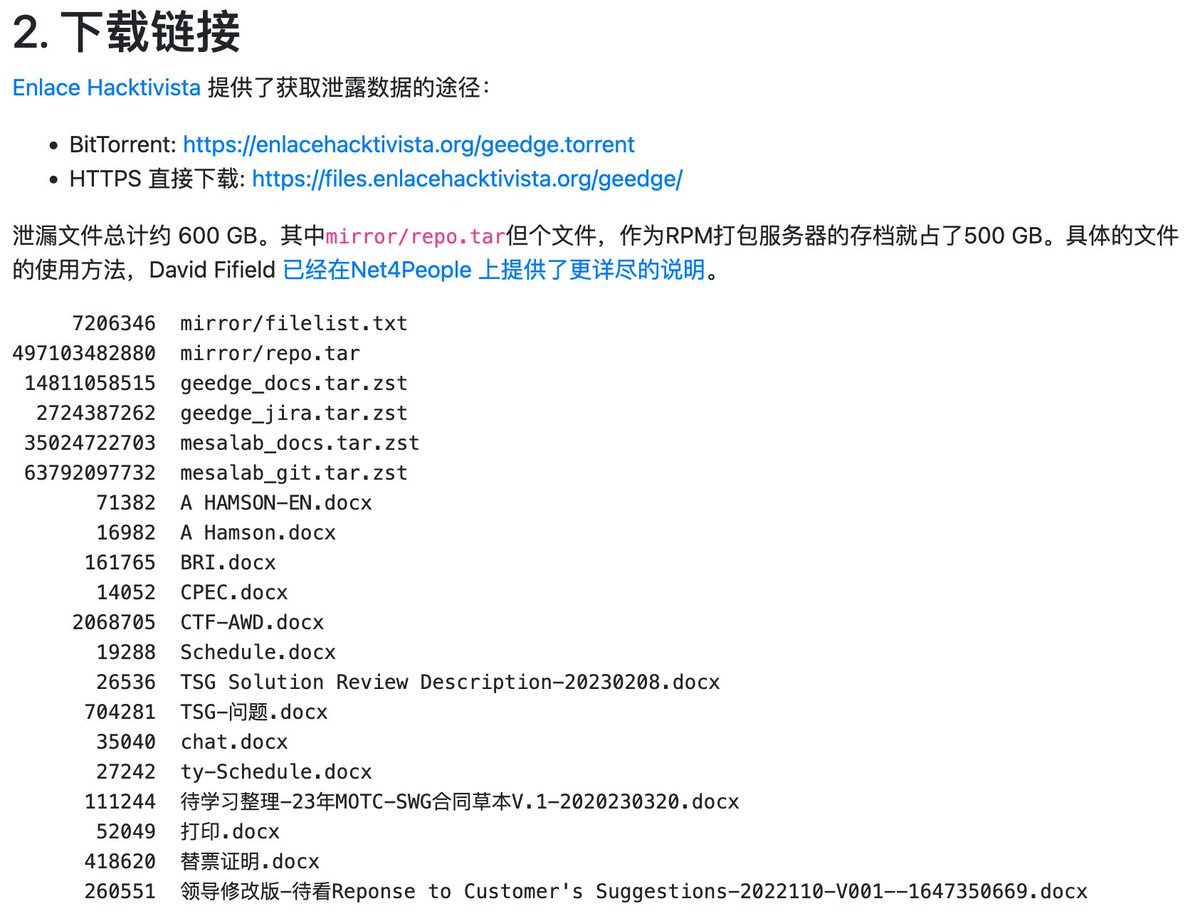
中国防火长城(GFW)今日发生史上最大规模的内部文档泄漏。超过500GB的源代码、工作日志与内部交流记录外泄,揭示了GFW的研发与运作细节。
泄漏源自GFW核心研发力量之一的积至公司(首席科学家方滨兴)及中科院信息工程研究所第二研究室的处理架构组 MESA Lab。该公司不仅为新疆、江苏、福建等地政府提供服务,还在“一带一路”框架下向缅甸、巴基斯坦、阿塞俄比亚、哈萨克斯坦等国输出审查与监控技术。
该泄漏事件意义重大且深远,由于资料体量庞大,GFW Report 将持续分析并在此页面更新:
gfw.report/blog/geedge_an…


中文
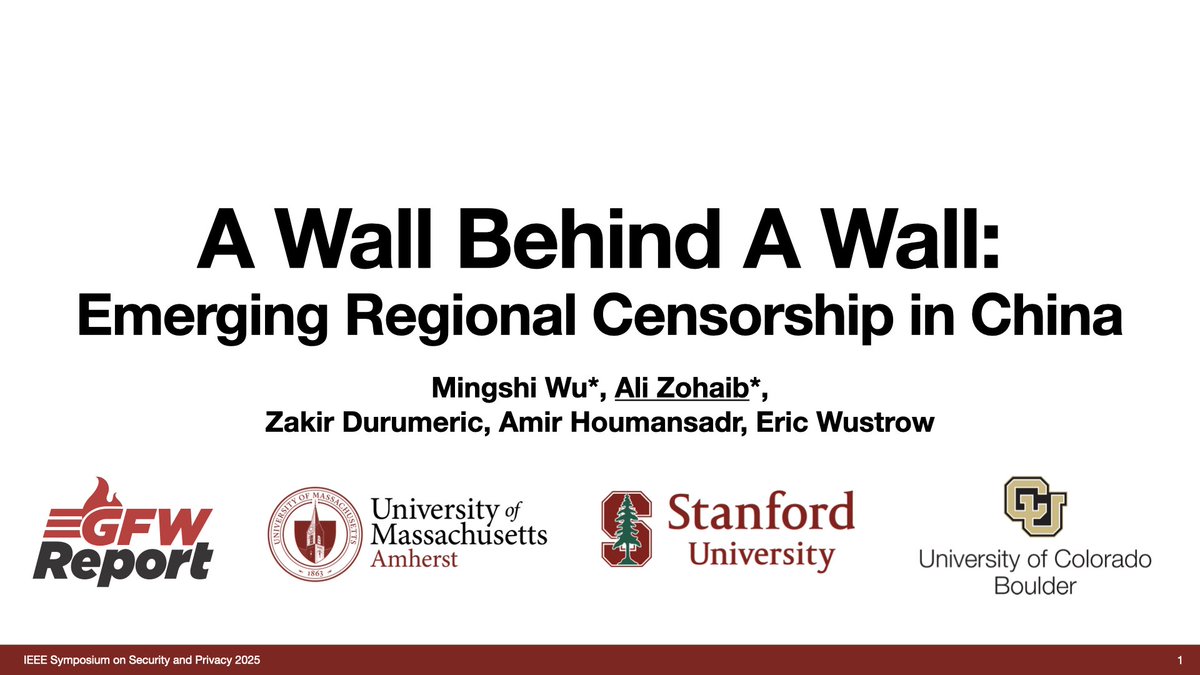
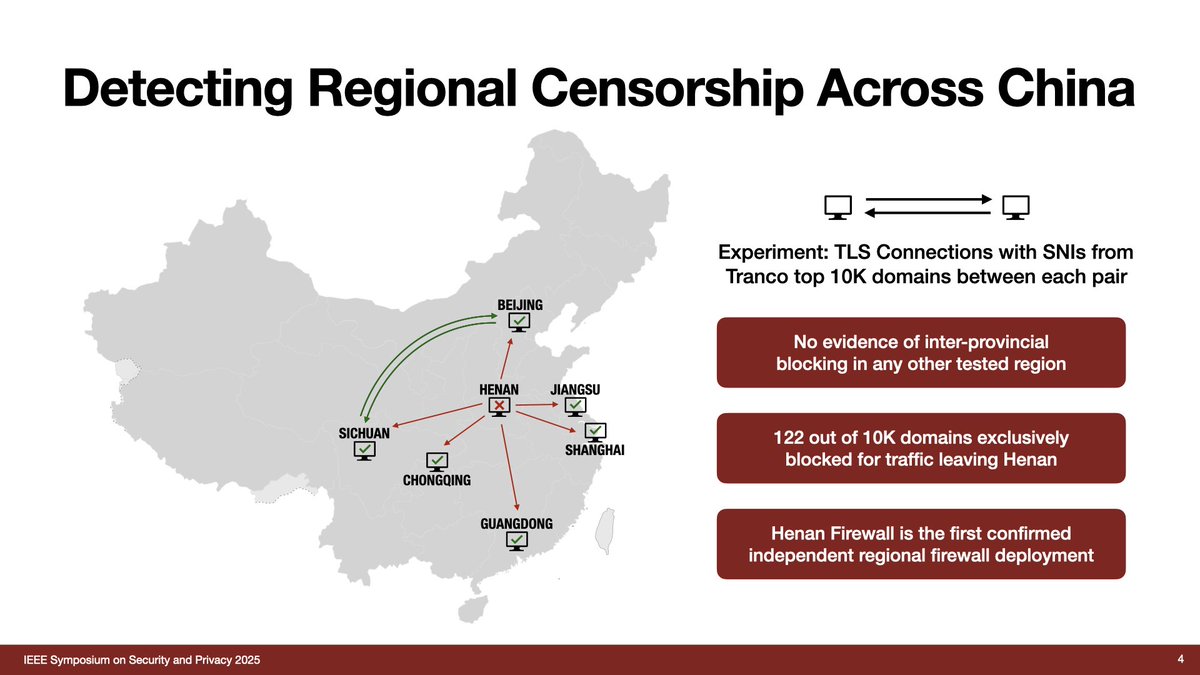
🚨 我们与多所大学合作发表在 S&P’25 的研究揭示了一个令人担忧的趋势:中国正在出现地区性网络审查。
在国家级防火长城(GFW)之内,河南省部署了自己的网络防火墙。尽管技术上不如GFW健壮,但其封锁行为更加激进和不稳定——其封锁的网站数量一度是GFW的10倍。
👉中文版论文:gfw.report/publications/s…


中文

《中推圈不率先使用盒武器之倡议书》
序言
在中文推特社区的多元化讨论中,我们观察到部分用户使用「盒武器」(即通过人肉搜索、社工攻击等手段获取他人隐私信息)的行为对网络生态造成严重破坏。为维护理性对话空间,保护用户基本权益,我们倡议建立「不率先使用盒武器」的社区公约,推动构建文明有序的公共讨论环境。
第一章 基本原则
1.1 防御性原则:任何用户仅在遭受明确人肉攻击时,方可采取必要防御措施
1.2 最小化原则:隐私对抗应严格限定于攻击者本人,禁止波及无关第三方
1.3 可验证原则:声称遭受攻击者须提供可交叉验证的证据链
第二章 具体倡议
2.1 四不承诺:
- 不主动发起人肉搜索
- 不参与隐私信息传播
- 不制作 / 分享社工教程
- 不利用隐私信息勒索
2.2 危机管控
建立「盒战争」预警机制:当争议事件出现隐私泄露苗头时,倡导 #冷进一下 标签使用
组建第三方调解小组:由具有公信力的跨阵营用户组成纠纷调停委员会
2.3 技术防护
推广隐私保护指南:包括二次元 ID 使用、地理信息模糊、社交账号隔离等方案
开发反社工工具包:提供头像 EXIF 清除器、发言记录自动清理脚本等开源工具
第三章 监督机制
3.1 建立「人肉黑匣子」存档制度,对查证属实的主动开盒行为进行加密存证
3.2 开通匿名举报通道,经三名不同立场监督员核验后公示结果
3.3 对违约用户实施梯度惩戒:首次违规者全网公示警告,累犯者启动社区级信息隔离
结语
我们深知网络身份与现实人格的边界守护之难,也理解在激烈论战中保持克制的可贵。此倡议并非要求绝对的道德完美,而是希望建立争议升级的缓冲地带。让我们共同守护中文互联网最后的理性绿洲。
加入方式
转发本倡议并添加 #守护赛博人格 标签即视为认可公约精神。
中文
The Great Firewall retweetledi
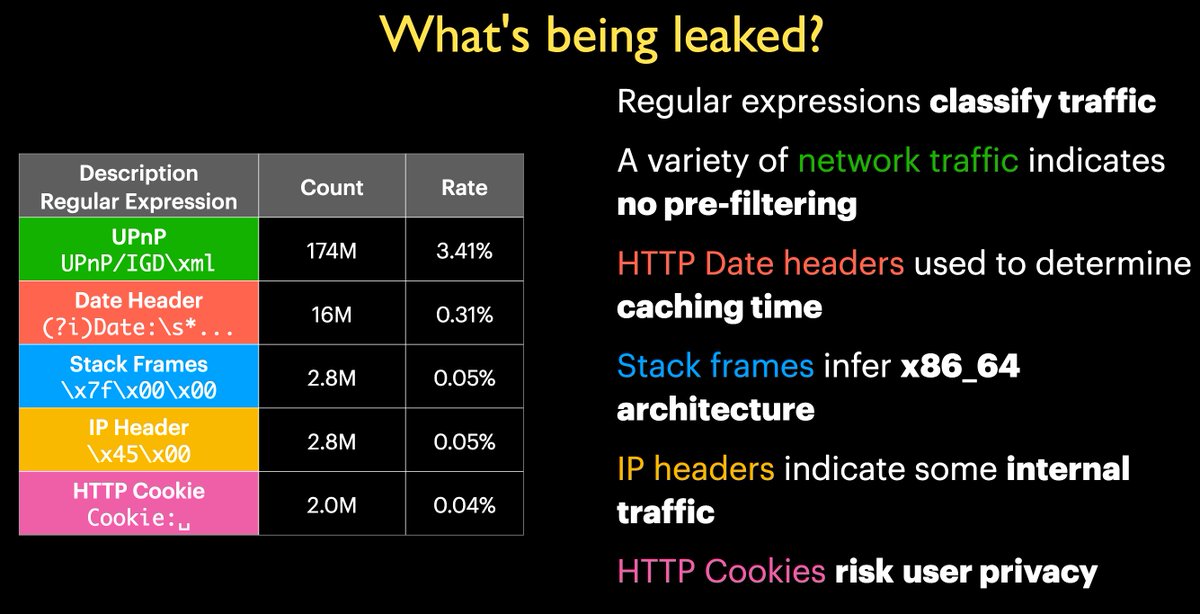
我们在中国防火长城(GFW)DNS审查系统中发现了名为Wallbleed的漏洞。该漏洞允许任何人从世界任意地点读取GFW的内存。自2021年10月起的两年中,我们逆向工程了其DNS注入逻辑、评估了信息泄露的影响,并追踪了审查者的修补过程。Wallbleed让审查设备成为隐私噩梦。论文中文版: gfw.report/publications/n…



中文
The Great Firewall retweetledi

网络爆了!
12月28日,香港保洁阿姨句句戳心中国游客:你一个月几千块的收入过来看什么演唱会啊?我们香港人几万块的收入都不看;我月薪差不多3万….
新闻调查@xinwendiaocha
突发!6000万特权阶层打涨薪引民愤,国际热议!为刺激消费or害怕出李自成?习主席新年致辞满嘴谎言成国际笑话!2025年将会更加黑暗?(2024... youtu.be/mKubd33Kay0?si… 来自 @YouTube
中文
The Great Firewall retweetledi

The Great Firewall retweetledi


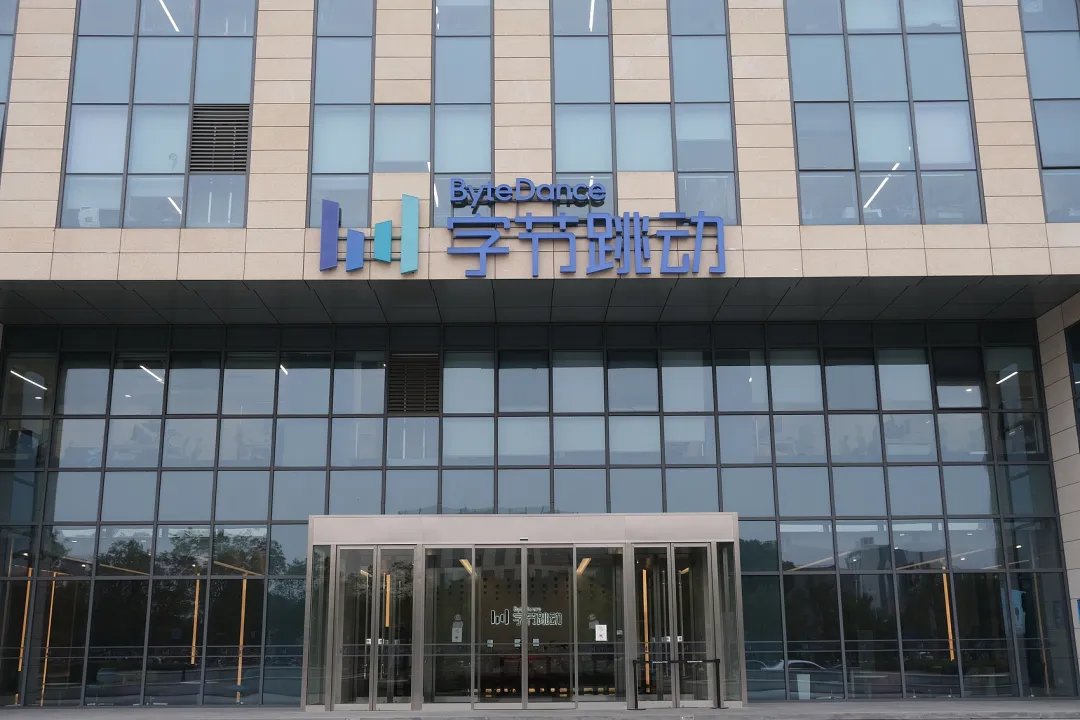
字节起诉前实习生,索赔800万
据南方都市报报道:
字节跳动起诉前实习生田某某篡改代码攻击公司内部模型训练一案,已获北京市海淀区人民法院正式受理。字节跳动请求法院,判令田某某赔偿公司侵权损失800万元及合理支出2万元,并公开赔礼道歉。
此前,有传闻称字节跳动大模型训练被实习生攻击。
10月19日,字节跳动官方发布声明回应此事称,确有实习生发生严重违纪行为并已经被辞退,但相关报道也存在部分夸大及失实信息。
“涉事实习生恶意干扰商业化技术团队研究项目的模型训练任务,但并不影响商业化的正式项目及线上业务,也不涉及字节跳动大模型等其他业务。”
字节跳动还表示,网传“涉及8000多卡、损失上千万美元”严重夸大。
“经核实,涉事人一直在商业化技术团队实习,并没有AI Lab实习经历。其社交媒体个人简介及部分媒体报道有误。该实习生已在8月被公司辞退。公司也将其行为同步给行业联盟和所在学校,交由校方处理。”
此番为何又提起诉讼?
据字节跳动内部人士介绍,在事件处理期间,田某某多次对外否认,称攻击模型训练任务的不是自己,而是别的实习生。
考虑到田某某完全没有意识到错误,且涉事行为已触犯公司安全红线,公司最终决定向法院起诉,以表明公司严肃态度、杜绝类似事件再次发生。
mp.weixin.qq.com/s/aPed1VDX17gT…
中文
The Great Firewall retweetledi

X must immediately end shadow ban of prominent human rights account @whyyoutouzhele and provide detailed explanation as to what steps it is taking to push back against requests for #censorship from #China, says @article19org article19.org/resources/chin…
English




是这样的。家里好个亲戚就是做红酒生意的。如果你在饭店点红酒,200以下的就别喝了。🤣。
红酒在国内市场是非常混乱的。
有起码还是真红酒的,有的是在海上灌装的,有的是到了大陆在分装的。
原瓶进口的花样也非常多。
还有一些地方的红酒(我记得是河北地区),是直接勾兑出来的。
国内很多包装比酒贵。
Nicholas Y@Nichola12126897
惊呆了,朋友的朋友做红酒生意的,今晚喝多了聊天,说出在市场卖百元的红酒,他们出厂价是2.9
中文
今天是中國 #白紙抗議 兩週年的紀念日。兩年前,我在上海加入了這場具有歷史意義的運動——自1989年以來中國最大規模的全國性抗議,並被中國人展現出的勇氣和團結深深感動。十天後,中國當局以史無前例的方式因為抗議者的壓力而放棄了實施三年的清零政策。
#白紙抗議 不僅發生在中國嚴厲的三年清零政策的背景下,也在 #習近平 打破任期限制並進入終身執政不到兩個月後。在街頭,人們呼喊著 #彭立發 在北京 #四通橋 的著名標語,同時發出對性別平等、言論自由,以及藝術和電影自由的呼聲。在上海,抗議者高喊著「習近平下台,共產黨下台」。
與此同時,幾乎所有海外的大型城市都首次出現了上千中國人的集會,聲援國內的抗議者和被捕者。在沒有言論審查的地方,Ta們的口號更集中於批評中共政權以及對中國民主化的訴求。這些聚會過後,許多中國人社群開始在這些城市中形成,關注中國的民主化和更廣泛的人權和性別平等議題。
在這場運動中, #女權 和 #性少數 抗議者的身影被外界看見。在過去,中共對性別議題的活動者打壓持續升級,幾乎完全剝奪了Ta們的生存空間。然而在抗議期間,Ta們走上街頭,將性別議題再次帶入公共空間,並在審查制度下摸索出獨特的抵抗方式。
這場抗議的意義遠不止於此。它第一次讓中國的多數族群——漢族,為另一個族群的苦難挺身而出,聲援 #維吾爾人。在我的記憶中,十年前我身邊的人們仍然在政府的宣傳下相信維吾爾人和藏人是所謂「恐怖分子」。而在這場以年輕人為主的抗議中,人們開始理解,維吾爾人和藏人正在承受著比漢人更為殘酷的壓迫。在海外社區中,活動者通過線下活動重新與維吾爾、藏人及港人活動者建立聯繫,將Ta們的聲音和訴求納入自己的抗爭議程中。
兩年前,我因參加白紙抗議被捕,並因曝光警方對和平抗議者的暴力行為而被單獨監禁37天。在那段期間經歷的酷刑使我決心為中國的人權侵害做出更多行動。
今年是我永久離開中國後,在海外紀念這場運動的第一年,但這不會是最後一年。中國的人權活動者將繼續戰鬥,直到中國實現真正的自由。
夏巢川 Rei Xia@karasu_ga_warau
Today marks the two-year anniversary of the #WhitePaperProtest in China. Two years ago in Shanghai, I joined this historic movement, being China’s largest nationwide protest since 1989, and was deeply moved by the courage and solidarity displayed by the Chinese people. Ten days later, the Chinese authorities, in an unprecedented move, abandoned their three-year-long zero-COVID policy. The White Paper Protest occurred not only against the backdrop of China’s draconian three-year zero-COVID policies but also less than two months after #XiJinping crossed term limits and entered indefinite rule. On the streets, people echoed the famous slogans of #PengLifa on Beijing’s #SitongBridge, alongside calls for gender equality, freedom of speech, and artistic and cinematic freedom. In Shanghai, protesters chanted “Down With Xi Jinping, Down With CCP”. Meanwhile, nearly every major city overseas of China saw for the first time, more than thousands of Chinese people gathering in solidarity with protesters and detainees inside China. Free from censorship, their slogans focused even more sharply on criticizing the ruling Chinese Communist Party and calling for China’s democratization. Following these gatherings, Chinese communities began to emerge in those cities, engaging not only with China’s democratization but also broader issues of human rights and gender equality. Something particularly significant of the White Paper Protests was the visibility and recognition of #feminist and #LGBTQ protesters. CCP’s suppression of gender-related activism had long been escalating in the past, leaving them with almost no space to operate. Yet during the protests, they took to the streets, bringing the voices of gender equality and LGBTQ+ rights into public spaces, navigating censorship to develop unique forms of resistance. The significance of this protest extends even further. For the first time, the majority ethnic group in China, Han, protested in solidarity with the suffering of another group—the #Uyghurs. I can remember merely a decade ago, under the influence of state propaganda, people around me still held the belief that Uyghurs and Tibetans were “terrorists.” Now, during these protests largely led by young people, there was a growing understanding that Uyghurs and Tibetans were enduring even greater atrocities. In overseas communities, activists began building connections with Uyghur, Tibetan, and Hong Kong activists through off-line events, incorporating their voices and demands into their own struggles. Two years ago, I was arrested during the White Paper Protests and placed in solitary confinement for 37 days for my exposing police violence against peaceful protesters. The torture I endured during that time solidified my resolve to take greater action against human rights violations in China. This year marks my first time being able to commemorate the Ürümqi Fire and White Paper Protest from abroad, after leaving China permanently. But this will not be the last. Chinese human rights activists will continue to fight until the day China is free.
中文