woongjin chang
7.9K posts
woongjin chang
@gladiatorsparta
In this day, the people of whole nation are the King of their Country. 오늘날, 한 나라의 온 국민이 그가 사는 나라의 왕이다.
Ilsan in S.Korea Katılım Ağustos 2009
1.6K Takip Edilen865 Takipçiler

woongjin chang retweetledi

In 1944, during a meeting with his generals, Hitler asked his adjutant Fritz Darges to dispose of a fly that had begun buzzing around the room. Darges joked that being airborne, it should be swatted by someone in the Luftwaffe. Hitler had him fired on the spot and transferred to the Eastern front.

English
woongjin chang retweetledi
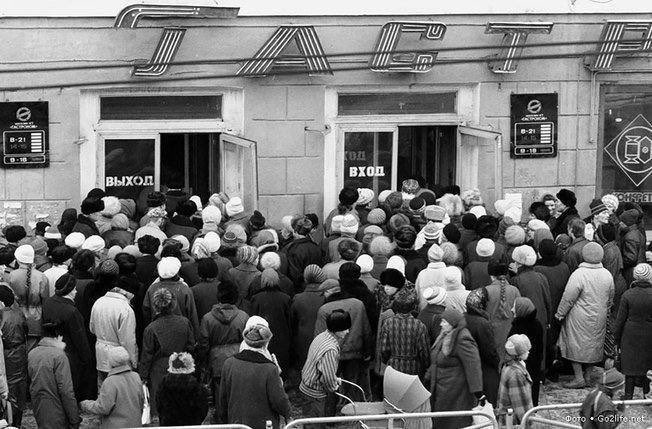
Так и хочется спросить у «патриотов совка», вам что больше нравится — голод и гражданская война 20-х, репрессии 30-х, война 40-х, Холодная война 50-х, угроза атомной войны 60-х, застой 70-х, пустые полки 80-х?
Вы в какой СССР мечтаете вернуться, идиоты?



Русский





woongjin chang retweetledi

The story of the soldier saved by his coins during WWI is one of many remarkable tales of luck and fate from the war. In this particular case, the soldier was carrying a small collection of coins in his pocket, likely for use in daily transactions or as keepsakes. However, during combat, a bullet struck him in the chest, but instead of fatally wounding him, the bullet was stopped by the coins.
The coins acted as an unexpected form of armor, absorbing the impact and preventing the bullet from penetrating deeper into the soldier's body. Miraculously, the soldier survived the encounter, thanks to the seemingly ordinary items that ended up playing a heroic role in saving his life.
This story highlights the randomness and unpredictability of war, where even the most mundane objects, like coins can become the difference between life and death in a split second. Over time, such items have become symbols of luck, survival, and the often surreal realities of the battlefield. The coins themselves, often displayed in museums or held by the soldier’s family, serve as poignant reminders of the sacrifices made during the Great War and the unexplainable moments of fortune amidst the chaos of combat.
📷© Archeology & Civilizations Group
#archaeohistories

English

Es triste que Kou haya llegado solo a esta conclusión, pero me alegra de cierta forma. El no estaría conforme huyendo, solo calma su corazón dentro de su mobile suit. Lo de Kelley me resulta más triste, es un hombre que solo conoce la guerra, un peón desechable.
Español



woongjin chang retweetledi

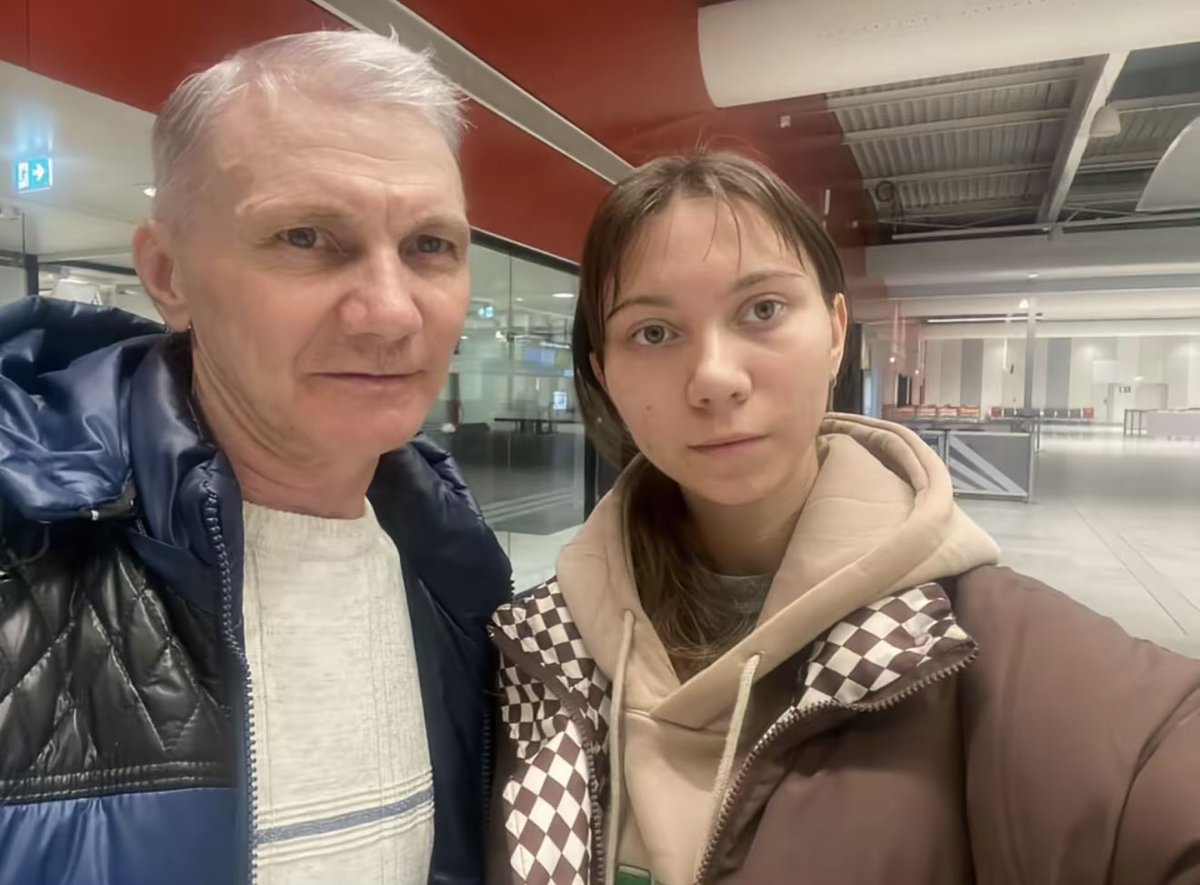
Do you remember Masha, a Russian girl who, at the start of the war, drew a picture of rockets flying toward Ukraine with the words “No to war”? She was only 12 at the time.
The Russian authorities sent her to a shelter and threw her father in prison. Later, they handed her over to her mother, who had left her at the age of 3 after promising to “re-educate” (brainwash) the girl.
Luckily, her father served his sentence, got her back, and now they have left Russia, probably forever. They are in Paris now.
There is no place for normal people in today’s Russia.

English

woongjin chang retweetledi
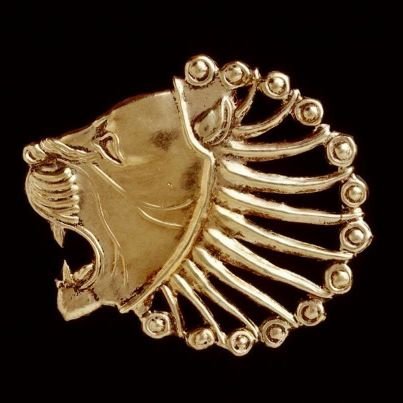
"'Is everybody OK?' Those were the last words of a man who had just been shot in the head. Not a cry for help. Not a scream of pain. He asked about everyone else. Some men spend their whole lives trying to be heroes. Robert Kennedy was just being himself."
It was just after midnight on June 5, 1968. Robert F. Kennedy had just won the California Democratic presidential primary, a victory that positioned him as the likely next president of the United States. The ballroom of the Ambassador Hotel in Los Angeles was electric with hope. He had spoken of ending the war in Vietnam, of bridging racial divides, of a better America. When he finished, he was told there was a shorter route to the press conference—through the kitchen. He agreed, shaking hands with hotel staff as he walked.
Then Sirhan Sirhan stepped out from a low tray-stacker and fired. Eight shots from a .22 caliber revolver. Three hit Kennedy. As he crumpled to the concrete floor, blood spreading across the linoleum, his first question wasn't about himself. Lying there, mortally wounded, he asked: "Is everybody OK?" Those around him would later say they couldn't believe it. In the moment of his own destruction, he was thinking of others.
He died the next day at 42. The nation that had already lost one Kennedy brother now lost another. Martin Luther King Jr. had been assassinated just two months earlier. 1968 was tearing America apart. RFK had been the figure who seemed capable of holding it together—a white politician who marched with Cesar Chavez, who cradled a dying child in his arms in the Mississippi Delta, who spoke of healing when others preached division.
The photograph of him lying on that kitchen floor, a busboy named Juan Romero cradling his head, became one of the most haunting images of the 20th century. Romero, just 17, had been shaking Kennedy's hand moments before. He stayed with him until help arrived. He would carry the weight of that night for the rest of his life, visiting RFK's grave annually until his own death in 2018.
Some men leave behind speeches. Others leave behind policies. Robert Kennedy left behind a question that still haunts us: 'Is everybody OK?' In a world that often forgets to ask, maybe that's the most important legacy of all...
#drthehistories

English
woongjin chang retweetledi
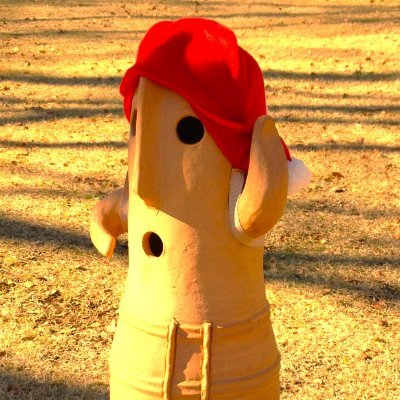
@katsunomisanzai 小笠原諸島のことを強盗島と呼ぶ江戸時代の地図の例があるようです。
銀島はジパング伝説から派生して金銀島が日本近海にあるという説が唱えられていたので、それに由来するものかと。
西洋から伝わった、まだまだ不明な地域の多かった時代の地理解釈の影響だと思います。
日本語
woongjin chang retweetledi

30 anni di governo:
🇷🇺milioni senza cesso
🇷🇺 esercito decimato
🇷🇺 marina con i pedalò
🇷🇺 raffinerie falcidiate
🇷🇺 economia a zoccole
🇷🇺 al guinzaglio della Cina
🇷🇺 umiliato da un Paese disarmato
Signori e Signore: il maiale del Cremlino!

Italiano