
Peter Acott Hill
2.5K posts
Peter Acott Hill
@glowingslab
Lots of tiny little polygons all arranged in pretty animated rows.
London Katılım Şubat 2010
1K Takip Edilen401 Takipçiler

@SaschaAmato I smoked quite a few of those fags, not easy to find even in London
English





I remembered a convo I had with my wife (girlfriend at the time) where I was working a full time job and doing game stuff on the side and just losing all my free time that could be put towards spending time with her or my family.
I told her I felt like I’m running out of steam to keep doing both and if I like ever wanted to idk do game development full time I was running out of time to make it happen. Decided I was going to try like a game jam and just go all in on it to really feel out if any of this was going anywhere.
Entered the BIGMODE game jam where we made arctic eggs. it didn’t win anything but the reception was so positive it felt worth it to make it a full thing. Released it on steam a few months later and it did great.
Complete coincidence (I think lol) but very shortly after I was let go from my full time job. But it wasn’t as scary as it should’ve been because arctic eggs gave enough financial security to last me awhile.
I’ve been a full time game dev ever since, signed with a great publisher, and I still have no free time for my friends or family.
English

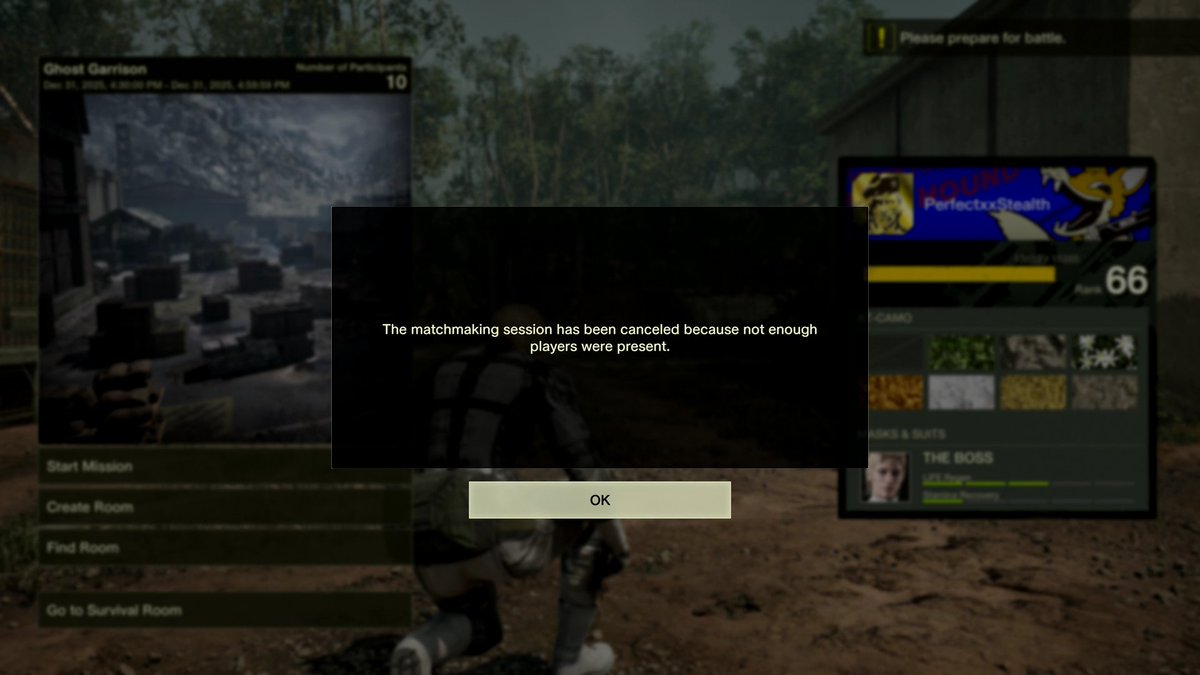
@PerfectStealth Tried it yesterday after finishing delta and nobody there…
English

Peter Acott Hill retweetledi
Peter Acott Hill retweetledi

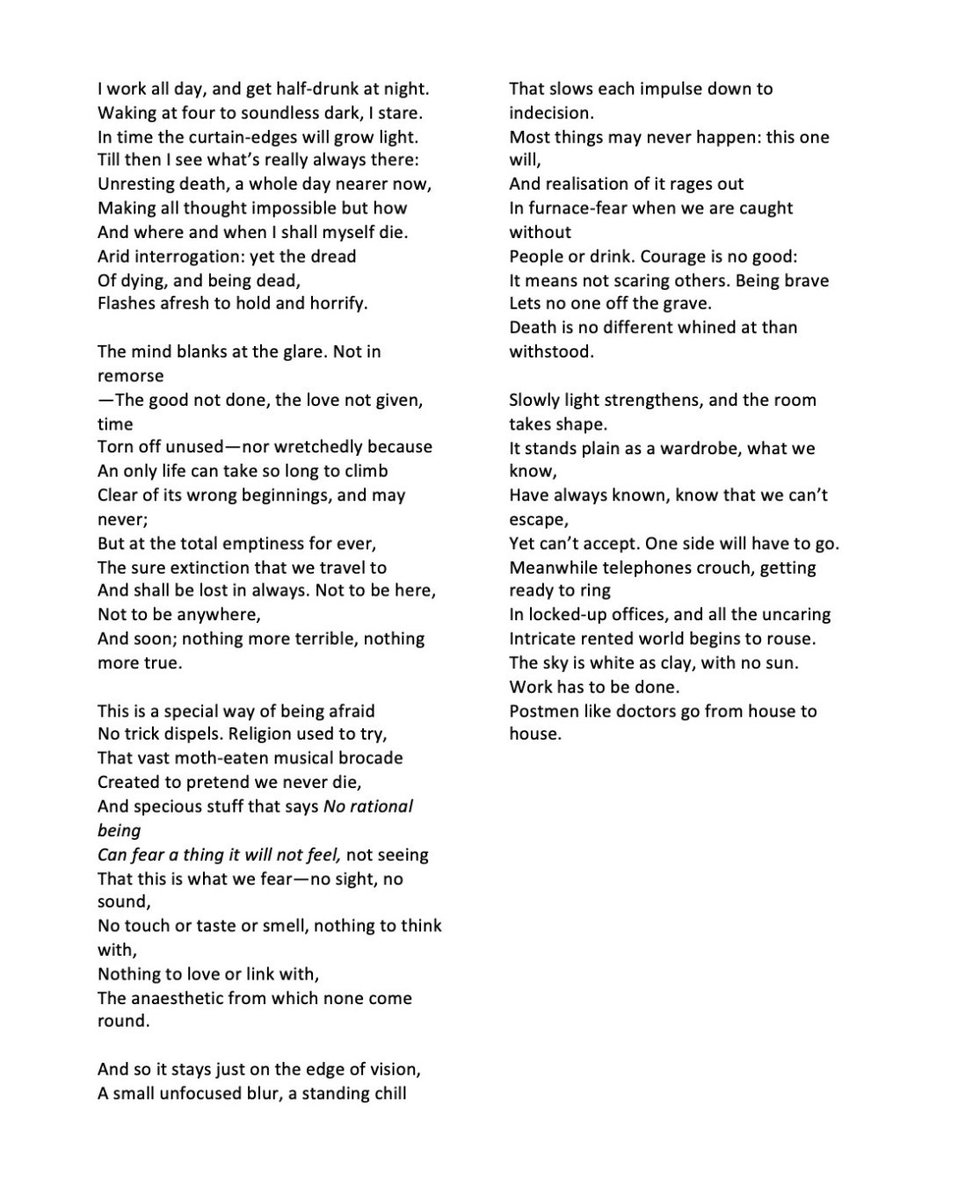
Philip Larkin's last great poem, Aubade, a masterpiece of insomnia, existential despair & suburban misery, was published - of course - in the Christmas edition of the TLS in 1977
an aubade normally is a hymn to the morning or a love song so the ironies begin w the title:
English
Peter Acott Hill retweetledi

A university is so much more than its bricks and mortar facilities. It is also an eduroam network with intermittent access
English

@houseofsilo I think a lot of people (like me) have seen BB and BCS and feel that Pluribus is building very slowly and maybe too slowly. I mean, Carol can ask for anything she wants, but she won’t ask them to drop that annoying answering message we waste mins every episode listening to?
English


Canon Fax 170 (1992). This was the future we were promised.

English


Peter Acott Hill retweetledi
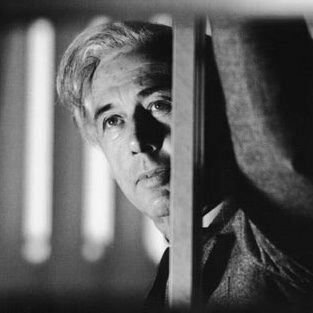
Akira Kurosawa on his experience watching 'Solaris' (1972) & drinking vodka with Andrei Tarkovsky in Moscow:
"I met Tarkovsky for the first time when I attended my welcome luncheon at the Mosfilm during my first visit to Soviet Russia. He was small, thin, looked a little frail, and at the same time exceptionally intelligent, and unusually shrewd and sensitive. I thought he somehow resembled Toru Takemitsu, but I don’t know why. Then he excused himself saying, “I still have work to do,” and disappeared, and after a while I heard such a big explosion as to make all the glass windows of the dining hall tremble hard. Seeing me taken aback, the boss of the Mosfilm said with a meaningful smile: “You know another world war does not break out. Tarkovsky just launched a rocket. This work with Tarkovsky, however, has proved a Great War for me.” That was the way I knew Tarkovsky was shooting 'Solaris' (1972).
After the luncheon party, I visited his set for Solaris. There it was. I saw a burnt down rocket was there at the corner of the space station set. I am sorry I forgot to ask him as to how he had shot the launching of the rocket on the set. The set of the satellite base was beautifully made at a huge cost, for it was all made up of thick duralumin.
It glittered in its cold metallic silver light, and I found light rays of red, or blue or green delicately winking or waving from electric light bulbs buried in the gagues on the equipment lined up in there. And above on the ceiling of the corridor ran two duralumin rails from which hanged a small wheel of a camera which could move around freely inside the satellite base.
Tarkovsky guided me around the set, explaining to me as cheerfully as a young boy who is given a golden opportunity to show someone his favorite toybox. Bondarchuk, who came with me, asked him about the cost of the set, and left his eyes wide open when Tarkovsky answered it. The cost was so huge: about six hundred million yen as to make Bondarchuk, who directed that grand spectacle of a movie “War and Peace,” agape in wonder.
Now I came to fully realize why the boss of the Mosfilm said it was “a Great War for me.” But it takes a huge talent and effort to spend such a huge cost. Thinking “This is a tremendous task” I closely gazed at his back when he was leading me around the set in enthusiasm.
Concerning Solaris, I find many people complaining that it is too long, but I do not think so. They especially find too lengthy the description of nature in the introductory scenes, but these layers of memory of farewell to this earthly nature submerge themselves deep below the bottom of the story after the main character has been sent in a rocket into the satellite station base in the universe, and they almost torture the soul of the viewer like a kind of irresistible nostalghia toward mother earth nature, which resembles homesickness. Without the presence of beautiful nature sequences on earth as a long introduction, you could not make the audience directly conceive the sense of having-no-way-out harboured by the people “jailed” inside the satellite base.
I saw this film late at night in a preview room in Moscow for the first time, and soon I felt my heart aching in agony with a longing to returning to the earth as quickly as possible. Marvellous progress in science we have been enjoying, but where will it lead humanity after all? Sheer fearful emotion this film succeeds in conjuring up in our soul. Without it, a science fiction movie would be nothing more than a petty fancy.
These thoughts came and went while I was gazing at the screen.
Tarkovsky was together with me then. He was at the corner of the studio. When the film was over, he stood up, looking at me as if he felt timid. I said to him, “Very good. It makes me feel real fear.” Tarkovsky smiled shyly, but happily. And we toasted vodka at the restaurant in the Film Institute. Tarkovsky, who didn’t drink usually, drank a lot of vodka, and went so far as to turn off the speaker from which music had floated into the restaurant, and began to sing the theme of samurai from Seven Samurai at the top of his voice.
As if to rival him, I joined in.
For I was at that moment very happy to find myself living on Earth.
Solaris makes a viewer feel this, and even this single fact shows us that Solaris is no ordinary SF film. It truly somehow provokes pure horror in our soul. And it is under the total grip of the deep insights of Tarkovsky.
There must be many, many things still unknown to humanity in this world: the abyss of the cosmos which a man had to look into, strange visitors in the satellite base, time running in reverse, from death to life, strangely moving sense of levitation, his home which is in the mind of the main character in the satellite station is wet and soaked with water. It seems to me to be sweat and tears that in his heartbreaking agony he squeezed out of his whole being. And what makes us shudder is the shot of the location of Akasakamitsuke, Tokyo, Japan. By a skillful use of mirrors, he turned flows of head lights and tail lamps of cars, multiplied and amplified, into a vintage image of the future city. Every shot of Solaris bears witness to the almost dazzling talents inherent in Tarkovsky.
Many people grumble that Tarkovsky’s films are difficult, but I don’t think so. His films just show how extraordinarily sensitive Tarkovsky is. He made a film titled 'Mirror' (1975) after Solaris. Mirror deals with his cherished memories in his childhood, and many people say again it is disturbingly difficult. Yes, at a glance, it seems to have no rational development in its storytelling. But we have to remember: it is impossible that in our soul our childhood memories should arrange themselves in a static, logical sequence.
A strange train of fragments of early memory images shattered and broken can bring about the poetry in our infancy. Once you are convinced of its truthfulness, you may find Mirror the easiest film to understand. But Tarkovsky remains silent, without saying things like that at all. His very attitude makes me believe that he has wonderful potentials in his future.
There can be no bright future for those who are ready to explain everything about their own film."
("Akira Kurosawa on watching ‘Solaris’ with Andrei Tarkovsky", Cinephilia & Beyond)
English
Peter Acott Hill retweetledi

I get asked all the time why we buy US-made (or Japanese) equipment vs. cheaper chinese machines.
"Dude, you could buy 5 of the chinese machines for the price of one of of the US ones!"
True, but it wouldn't necessarily mean more uptime, efficiency or profit. I buy US-made machines when possible because I need the reliability, service, support, and communication. It's more money upfront for better quality of life down the road.
My business model isn't compatible with chinese machines because:
- We are quick-turn. We can't afford hours of downtime let alone days or weeks
- We are square footage constrained. If I only have 600 square feet to place a machine, it needs to be the best, most productive machine possible
- We have high demand and run 24/7. The machines need to be spec'd to 120% duty cycle in a harsh environment
Models that can work well with chinese machines:
- Long lead times / patient customers. If a machine goes down for a few weeks, and it won't ruin you, go for it.
- Unlimited square footage. That way you can have "spare" machines in case one takes a poop
- Just testing out the model to make sure it works before making larger investments ( I see this a lot and I agree. Kinda like buying a harbor freight tool to see if you like it. When it breaks, go buy snap-on or whatever)
Buying high-quality US/Japanese machines has worked for me for decades now. In the long run, I save/make money with them because:
- The warranty is usually great, or at least I can buy a service program. With high-dollar equipment, it's nice to be able to get a factory tech on-site within a day to fix things vs. wechat messages or forums
- Good machines are full of good parts. Name brand motors, solenoids, controllers, bearings...stuff you can buy on McMaster or Grainger if needed.
- Factory spares. We keep critical spares on-hand, but if we need something weird, we can usually get it overnighted from the US factory or distribution center. Much harder with chinese stuff
- US/Japanese (and German too, I forgot about them) are usually way overbuilt and can handle a decade or more of abuse. The chinese machines are cheap because they cut corners, use thinner/lighter materials, cheap motors, and don't last as long. For some of our CNC machining, we use Matsuura MAMs. I know of a few in the wild that are 19+ years old and still churning out parts with tolerances measured in tenths-of-thousandths of an inch.
- Resale when it's time to upgrade: A good machine from a well known name will hold value much better than a chinese machine. Often times chinese machines aren't worth the rigging/moving costs once it's time to replace them
- Financing: It's 1000x easier to get a loan against a good US/Japanese manufacturer than a chinese machine. Banks are using the machine as collateral, so they want to make sure it's going to be worth something if they have to come get it. Equipment lenders know the market for brand name, popular equipment, so they are more likely to lend against it.
Today we use:
- Amada America lasers and press brakes - Brea, CA and Highpoint, NC
- Amada Japan lasers - Isehara City, Japan
- United Finishing - Statesville, NC
- Brother CNC machines - Kariya City, Japan
- Matsuura CNC machines - Fukui City, Japan
- Powder coating equipment - various companies in MN and WI
- Toyota forklifts - Columbus, IN
- Omax waterjets - Kent, WA
- etc
If you can make the initial investment pencil out, buying the highest-quality machine available ends up saving you money (and making you money) down the line. Little pain up front for a lot of gain down the road.
English
Peter Acott Hill retweetledi

@JoeWilsonEQ1 So is that the total distance between each texture or how much each texture needs around it?
English

Seeing some of the takes in the comments makes me wonder how well understood the UV padding rule of thumb is. So here it is:
4K: 32px
2K: 16px
1K: 8px
512: 4px
256: 2px
128: 1px
Jordan Cain@ThatNgonGuy
I don't know who needs to hear this, but if you're sacrificing UV shell padding in favor of texel density, you're doing it wrong. Texel density is important, sure. But don't chase a higher space utilization by reducing the 32px padding on a 4k map. That padding IS utilization.
English
@EricRetro It is one of the best remakes, actually perfect.
English

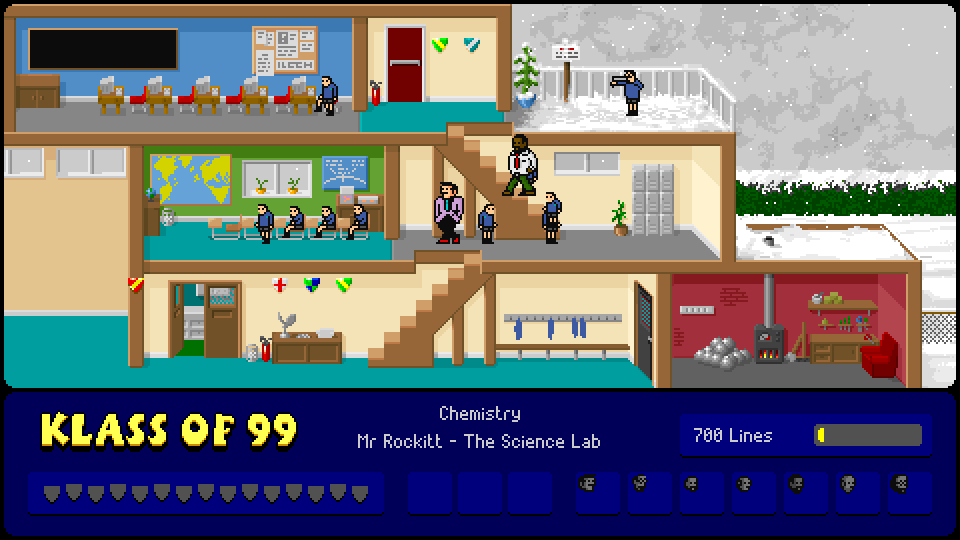
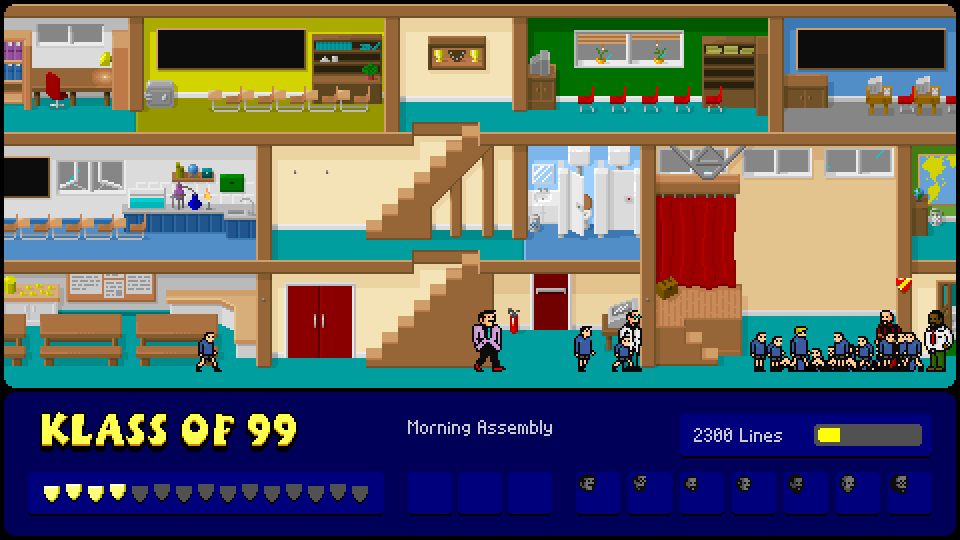
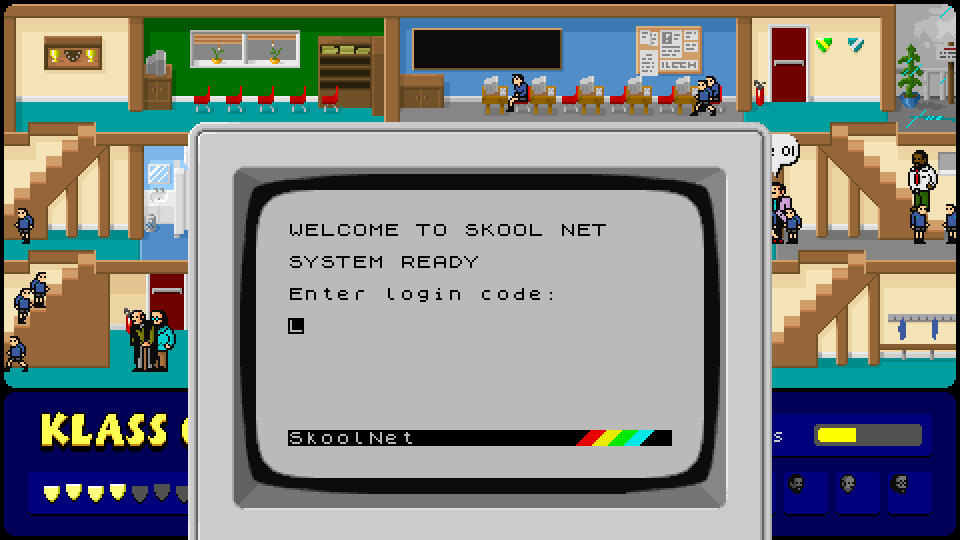
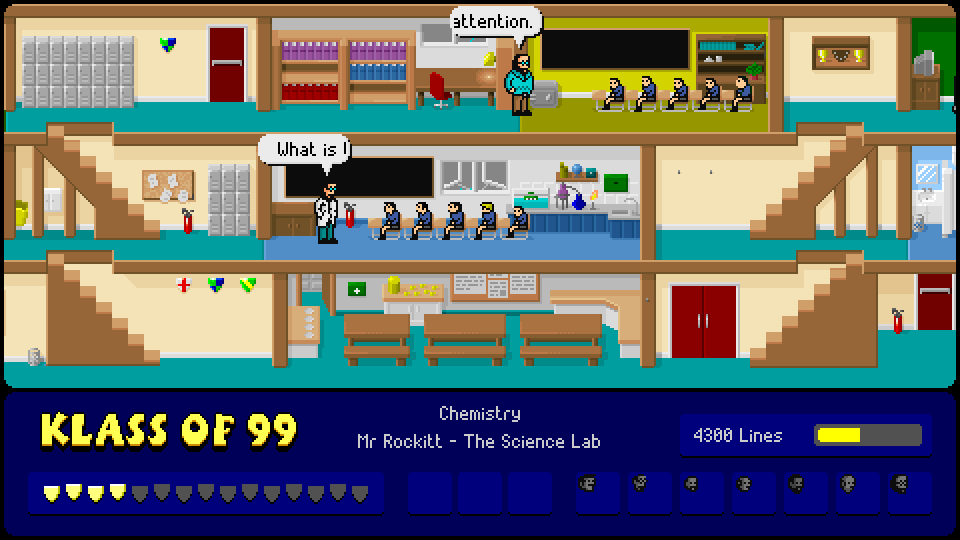
I was 26 when I wrote Klass of 99. The game itself is now 26 years old. Blimey! 🤪 bitglint.itch.io/klassof99 #klassof99 #skooldaze #gamedev #indiedev #pixelart #gaming
English


Positive Halo Campaign Anniversary tweet
I was super worried about them nailing those Halo physics in unreal, but I was impressed. They’re actually pretty nice
They also got rid of that mechanic where you could control your rotation mid air, so now it’s all physics again 👍
English
Peter Acott Hill retweetledi

