

goddame_TERRY(東京留学準備中)
693 posts

goddame_TERRY(東京留学準備中)
@goddame_TERRY
まだ日本語を勉強しています。今年は東京に住みたいです。色々な人と友達になりたいです!
Katılım Ekim 2024
437 Takip Edilen122 Takipçiler
❌ 自分の初稿:半沢直樹を見たところ、すまないとごめんなさいと違うことがわかりなります。
⭕️ AI修正後:半沢直樹を見たところ、すまないとごめんなさいの違いがパッと分かりました。
日本語
goddame_TERRY(東京留学準備中) retweetledi
【日本2026年應屆本科生就業率98%,歷史第二高】截至4月1日,2026年春季畢業的本科生就業率為98.0%,求職市場持續呈現出學生佔優勢的「賣方市場」格局。按性別來看,男生就業率下降至97.5%,女生則增至歷史最高的98.7%……
zh.cn.nikkei.com/career/employm…
中文
@GrwaNnKqMn5nG68 中国語しか話せないとすれば,共産主義者になるとはかもしれないじゃない。ただ普通の人間です。@grok 语法修正。
日本語

中国人が中国でしか教育を受けておらず、
中国語しか話せないとすれば、それは
共産主義者である可能性が高い。
シンガポール建国の父リークワンユー首相は、そう考えて大陸中国人を警戒していました。そういえば、リークワンユー首相は
シンガポール人に英語を話させる理由について、「別の視点で物事を考えさせるため」と語っていましたね。
Melissa Chen@MsMelChen
Since its founding, the CCP has sought to use the Leninist concept of the United Front to extend its influence abroad by weaponizing ethnic ties to the Chinese diaspora. Lee Kuan Yew knew this first hand. In the 1950s–60s, Chinese medium schools and left wing unions in Singapore were heavily infiltrated by communist elements tied to Maoist China and the Malayan Communist Party. They caused a lot of trouble for him. He once said: "The danger is, if you are Chinese-educated and only Chinese-educated, you are monolingual, then your source of literature will be communist." So one of the smartest things LKY did was to make English the working language of government, business, education, and administration (while promoting bilingualism with mother tongues). Lee recognized that "ethnic strings" could be weaponized. Prioritizing English was more than just an anti-communist measure. Lee Kuan Yew understood that it would help create a neutral, unifying language and identity in Singapore’s multiracial society, while also cutting the emotional and cultural ties that linked its ethnic Chinese population to their ancestral homeland. Ties which the CCP are only too happy to weaponize. It's significant that Lee Hsien Loong - Lee Kuan Yew’s own son and Singapore’s former Prime Minister - chose to reaffirm the very ethos of his father’s founding vision before an audience in mainland China, speaking directly to the Chinese leadership and the CCP itself.
日本語


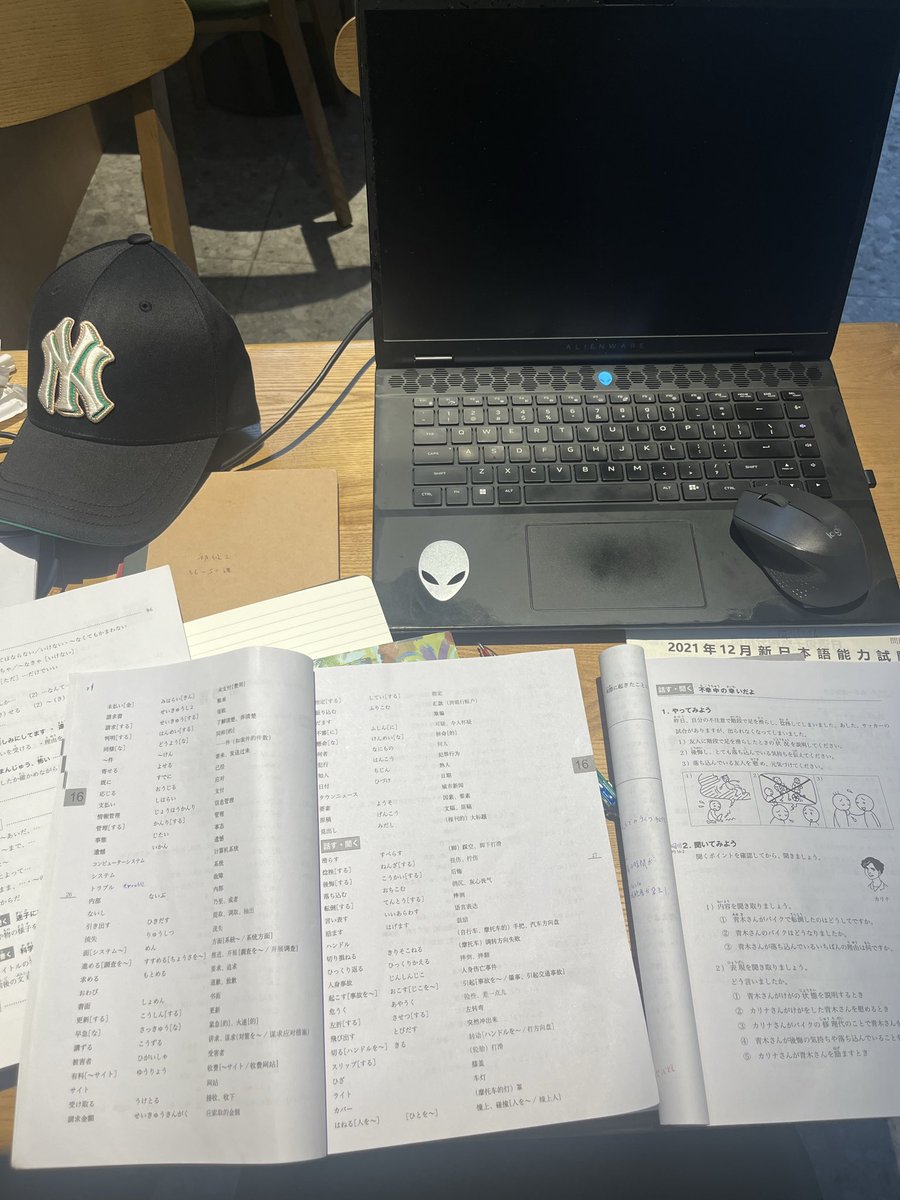

@terion_game わかります、単なる日本の漢字の読み方ずいぶん違います。ほんとに難しいです。多分世の中に日本語は1番難しいのです。
日本語
自分のご紹介:
出身:中国(日本の中国地方じゃない)
最近すきな番組:「ブラッシュアップライフ」か「リーガル・ハイ」など。
すきな監督:小津安二郎
(かんとく)
すきな日本の作家:司馬遼太郎(特に「新選組」について小説です)。
去年、日本で、東京や京都などに旅行した、あとで、たぶん私が日本で生活できるかもしれないかな。そして、日本語を続けて勉強しています。
日本は伝統的なことと現代的なこともある、って思います。ですから、日本で生きたいです。

日本語

@goddame_TERRY はじめまして、相互ではないのですがおすすめで投稿が流れてきました >< N3レベルだと漢字は大体どのくらい覚える必要がありますか?🥹 最近日本の大学院も目指していて、独学でN3まで頑張りたいんですが、漢字を見るたびに心が折れそうになります T_T
日本語


@forwula1 I have been learning one year ,3 hour 1 day It is so hard.
English

@goddame_TERRY ya allahh belajar buat n5 aja malesnya minta ampun.... tolong.... tolong marahin aku biar cepet bisa n5 terus n4 terus n3 mwhehwhwheheh tolongggggg
Indonesia


@___chefneko Yes, you can buy it online in China. It's very cheap.
English


