Sabitlenmiş Tweet
Hunter V. McClure
331 posts

Hunter V. McClure
@greenloeb
μεγάλοι δὲ λόγοι μεγάλας πληγὰς τῶν ὑπεραύχων ἀποτίσαντες γήρᾳ τὸ φρονεῖν ἐδίδαξαν. Editor and graduate student, St. John’s College
Santa Fe, NM Katılım Haziran 2021
306 Takip Edilen99 Takipçiler

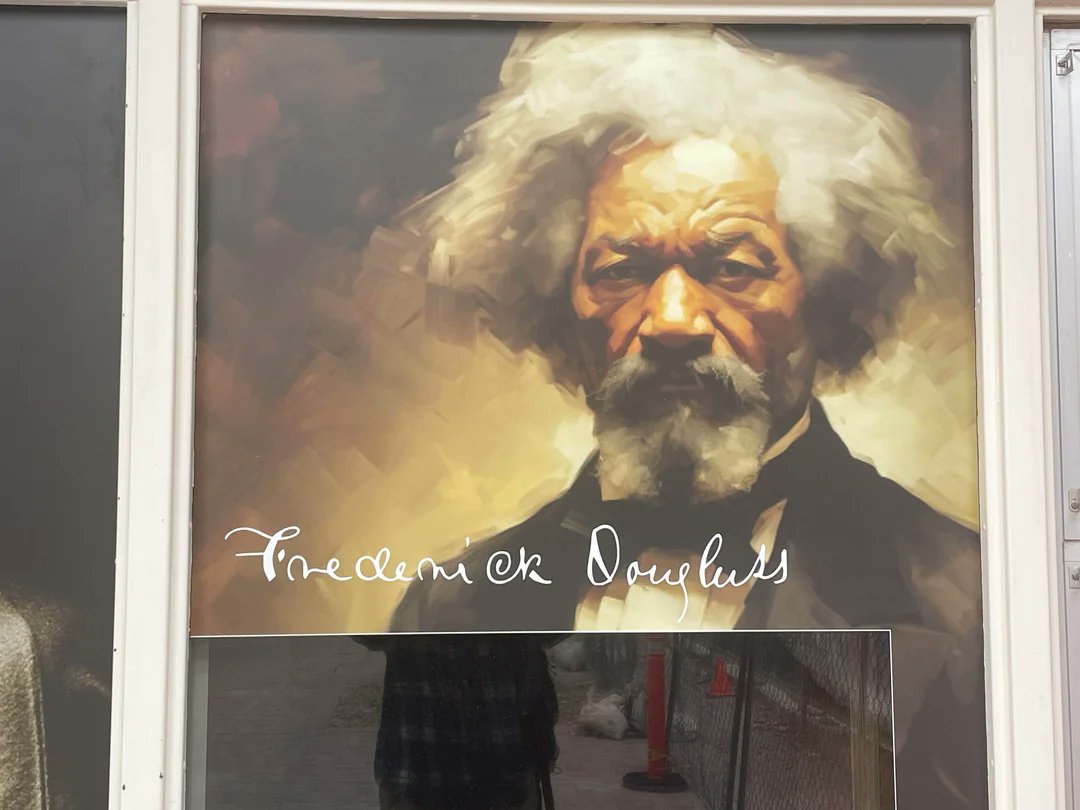
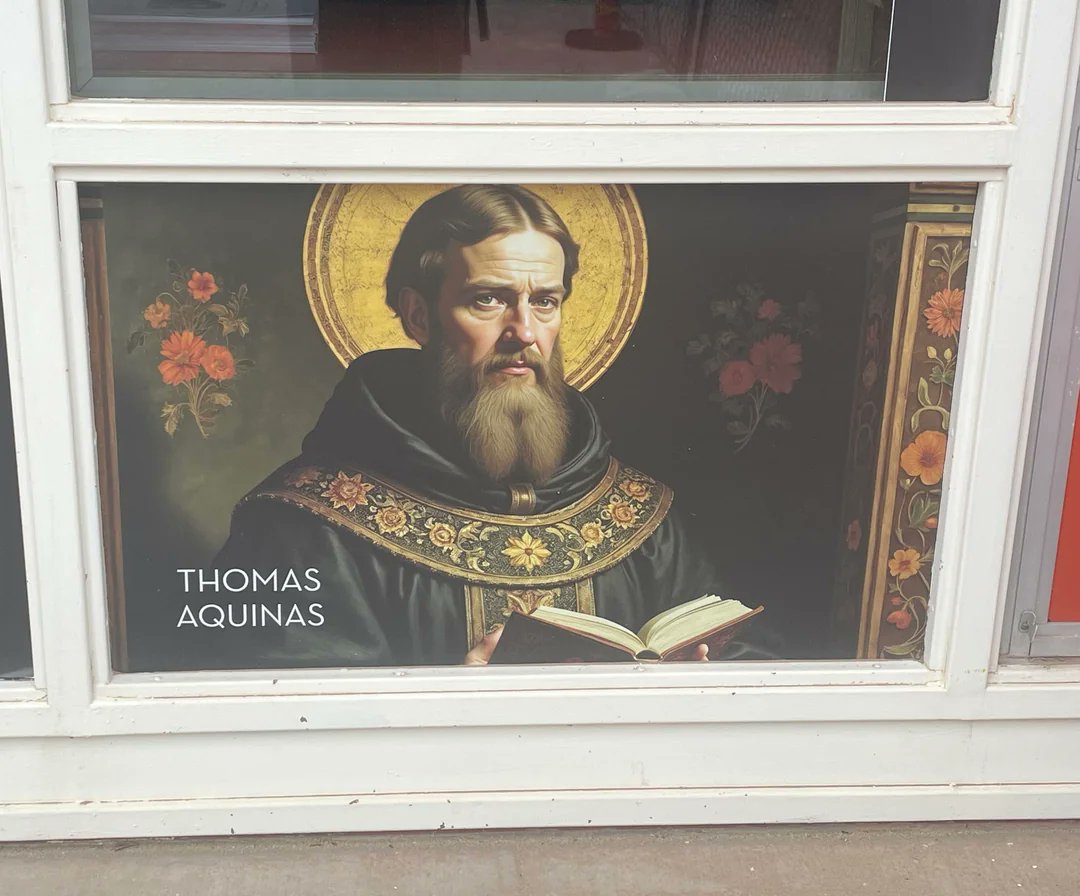
Very curious as to why my beloved alma mater
@stjohnscollege
has opted to use egregious AI slop in the windows of the new campus bookstore.


English

@TheCaveBeneath @GregMcBrayer3 Oh yes I am a great fan of Alter’s Bible; it was key for me in “de-sedimenting” the Bible from the framework I was taught to read it in as a child. I’ll certainly be returning to it this time around, together with Everett Fox’s translation.
English

I’m not sure if we’ve discussed this before, but I would go with Robert Alter’s “The David Story.” Following the footnotes closely is extremely helpful, though there are key elements of the tribal dynamics Alter seems to omit from his commentary. And that’s perhaps why it’s necessary to spend a lot of time reading and rereading the Book of Judges to acquire a firmer grasp on the political dynamics in the transition from Judges to the Samuel account. Sure, there’s much political philosophy to glean from this account; however, if one is not steeped in the messianic tradition, much will be missed.
English

Farabi quite literally changed my life. Totally upended how I read the Greeks. Many think I’m jesting when I say he is, for me, one of the five or six absolutely most essential philosophers; I’m not. Few thinkers are more rewarding.
Greg McBrayer@GregMcBrayer3
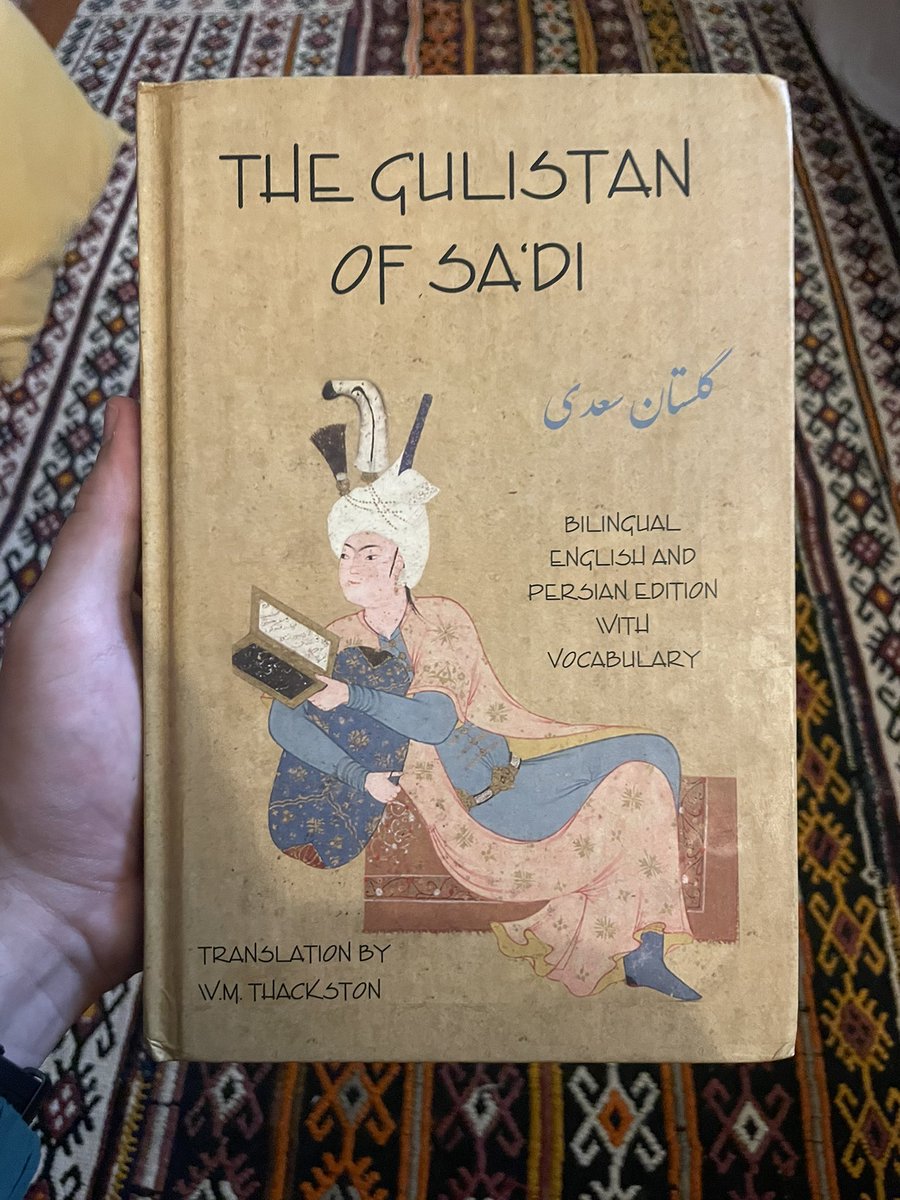
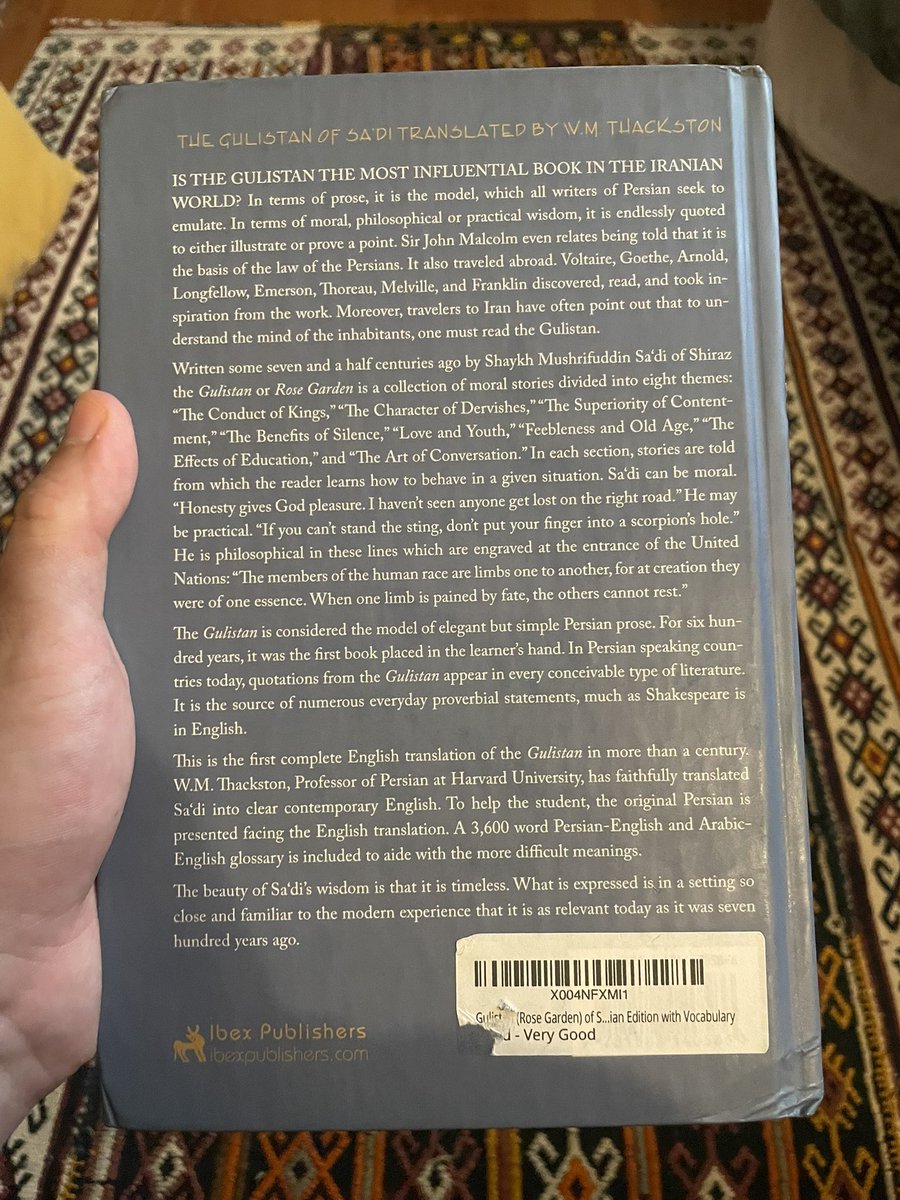
This book greatly aided my reading of each philosopher
English
Hunter V. McClure retweetledi

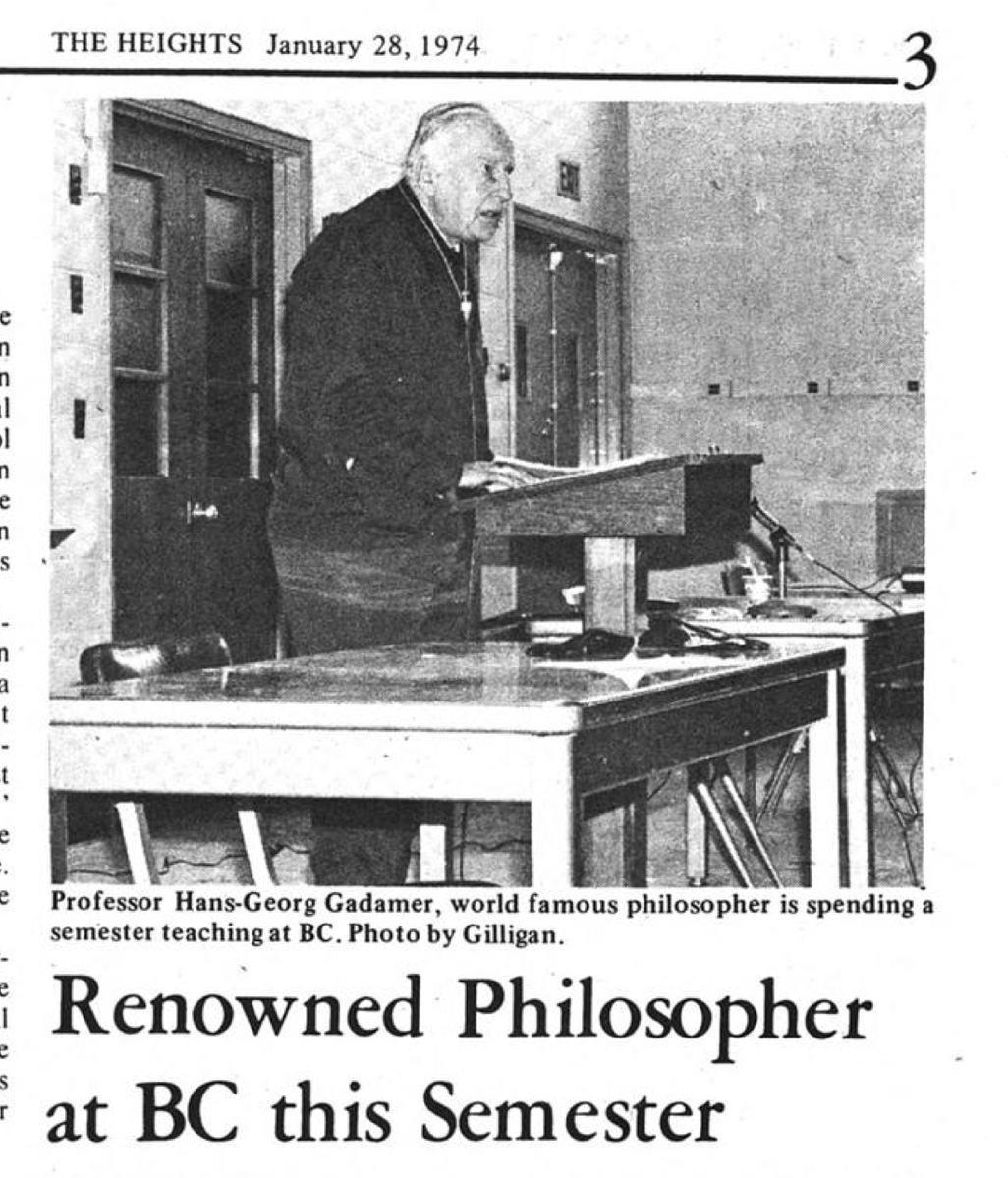
📣 Grad students! Working on #Gadamer or hermeneutics?
We’re organizing a graduate workshop at @BostonCollege alongside a conference on “Gadamer and/in America” (Oct 2). Great chance to share work & meet others in the field.
Interested or know someone who might be? DM/email me.


English
Hunter V. McClure retweetledi

In the following excerpt from a talk in 2015, St John’s College tutor and former dean Matthew K Davis argued that question of the best life is made - contrary to what one might expect - *less accessible to us* downstream “Locke and his heirs”:
“Indeed, if these questions about our genuine experience in any way resonate with you-if, for example, the deepest experiences of your lives have been concern for your friends or love of someone else or the heartfelt belief that one must be courageous or honest and you feel somewhere inside that these experiences are *real*, and not conventional-then it seems to me that we might begin to see a reason, and even a need, for a St. John's education.
For the St. John's education begins by considering the works of the ancient and medieval philosophers and poets.
And these authors began, unlike Locke, by taking our political and religious beginning point seriously. That is, they began not from a hypothetical view of where society comes from, though they surely considered such hypothetical views, but rather from the world in which we genuinely find ourselves, that is, a world in which we feel deep obligations to our country, our friends, and our family; they began by taking seriously the fact that human beings begin within a political life and may very well be political beings.
And because they begin here, they are able to think deeply about the questions that arise in the midst of that life, questions that touch upon those things that I think, at any rate, matter most deeply to our minds and hearts, questions raised directly or indirectly by authors such as Plato and Aristotle and even Homer, questions such as, "what is justice?," "what is friendship?," "what is beauty?," "what is courage?,"
"what is a citizen?," and so on. Furthermore, because they begin from within political life, from within political and religious communities that did have a “summum bonum," they are also able to raise, and raise seriously, the question that, along with the others that I have just cited, Locke and his heirs, beginning from the view that human beings are fundamentally selfish and free, have made less accessible to us, namely, the question of what the best life might be.”
From "Freedom, the Liberal Arts, and St. John's College," lecture delivered by Dean Matthew K. Davis,
August 28, 2015
Rest in peace, Matt. He was taken from us too early.

English

@HeathTaws @stjohnscollege So are countless public domain images of all three.
English

@HistorianZhang Very true. I'd happily pay a good copy editor out of pocket, too, if it meant I had full control on the final product.
English

Copyediting is now mostly nonexistent at academic publishers. You gotta pay your own way for a good copyeditor and also for an indexer, or do it yourself. The last book I reviewed the press screwed up the biblio/glossary so much it made the author look like he can't read Chinese
Alex Priou@alexpriou
Very well put. Academic publishing is rotten to its core. I am increasingly annoyed by how bad most editors are, how slow too. It often takes a press longer to review a piece than it took me to write it, with the comments not exhibiting much care at all.
English

It’s the semiquincentennial and yet the @LibraryAmerica has not put the fullness of the wisest founder’s writings back into print. What’s even the point?

English
Hunter V. McClure retweetledi