Cave Excavator مُؤَدِّب@TheCaveBeneath
Method does indeed matter, for the reigning methodological approach in the studies of the Hebrew Bible/Old Testament is the historical-critical method (often shorthand for the historicist approach, though I consider it a useful switch scholars use to deflect from the firestorm that ensued from historicism in the early 20th century). How exactly does this method approach its subject matter? It reconstructs original texts, through the various means you posited along with several others, by prioritizing explanations that reduce the prophets to nothing more than cultural products of their immediate historical context. (Such a method emerged and diffused from the writings of Vico, Herder, and Hegel.)
This prioritization operates within a broader set of assumptions that often predetermine conclusions about authorship before the real investigation has even begun. If you rule out predictive prophecy a priori (as most, if not all, historicists do), then any future-referential material is deemed suspect and relegated to fantasy. If scholars operate from the premise that prophets and their utterances represent the hindsight of later generations concocting nice tales, then they are operating under the notion that the impossibility of prophecy is a foregone conclusion. Is that really research?
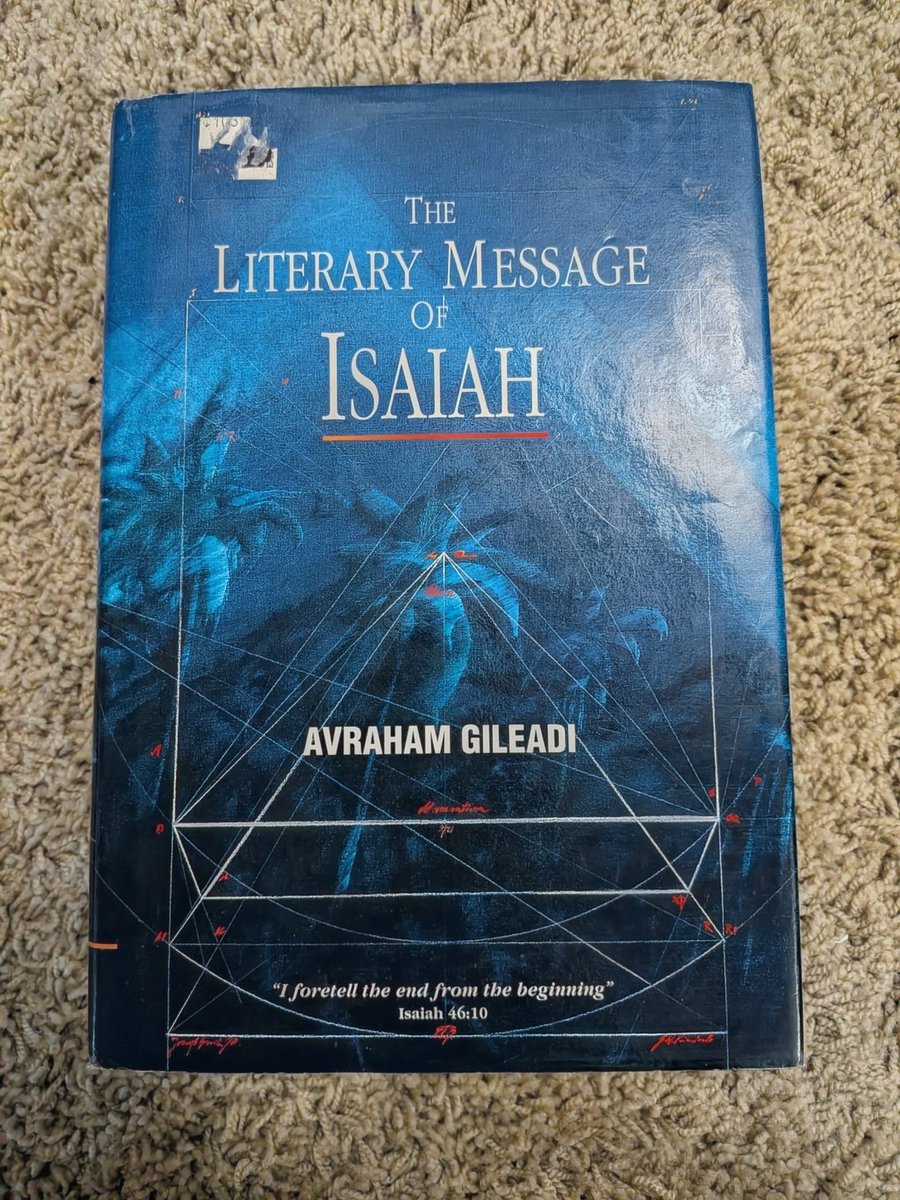
Isaiah, the singular man, cannot exist in the minds of historicist scholars, who posit that prophets cannot possibly have foreknowledge of future events, such as the rise of Cyrus, a king who eventually permitted the Jews to return to Jerusalem. Embedded within this methodology is an implicit, though at times explicit, skepticism toward unified prophetic authorship by one man offering diverse, far-reaching visions: often known as the cosmic vision of all. That is, it privileges historical reconstruction and views its subjects, prophets or whomever, as lesser intelligent beings than the scholar pontificating about them. Historicists rarely allow the prophet’s text to speak for itself as a unified whole.