Ms. Plankton retweetledi

One thing I think this chapter makes very clear is that two things can be true at the same time, even if fandom discussions often try to reduce the story to one or the other.
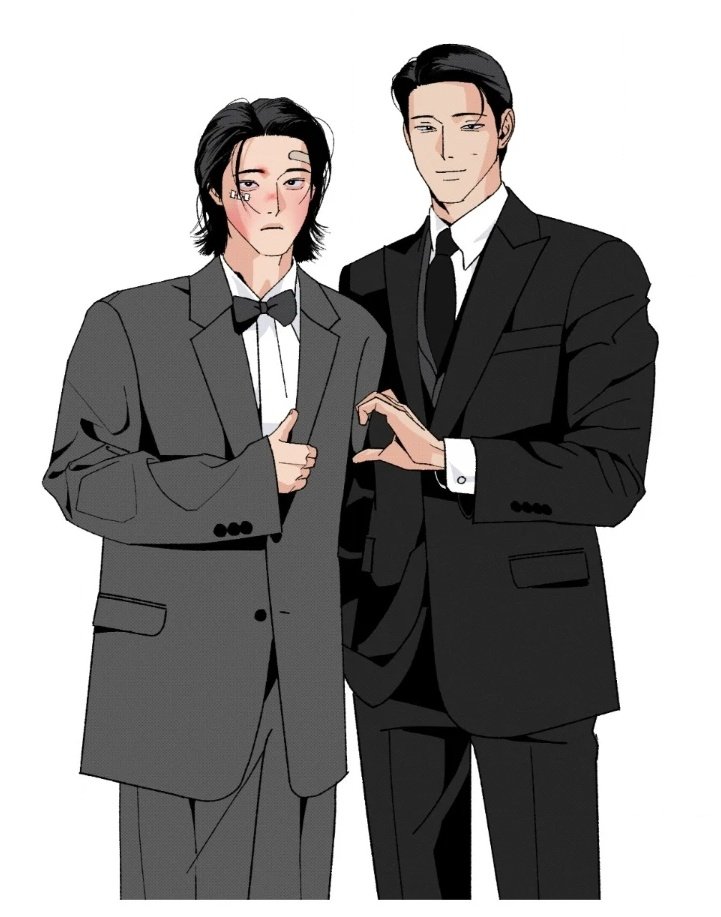
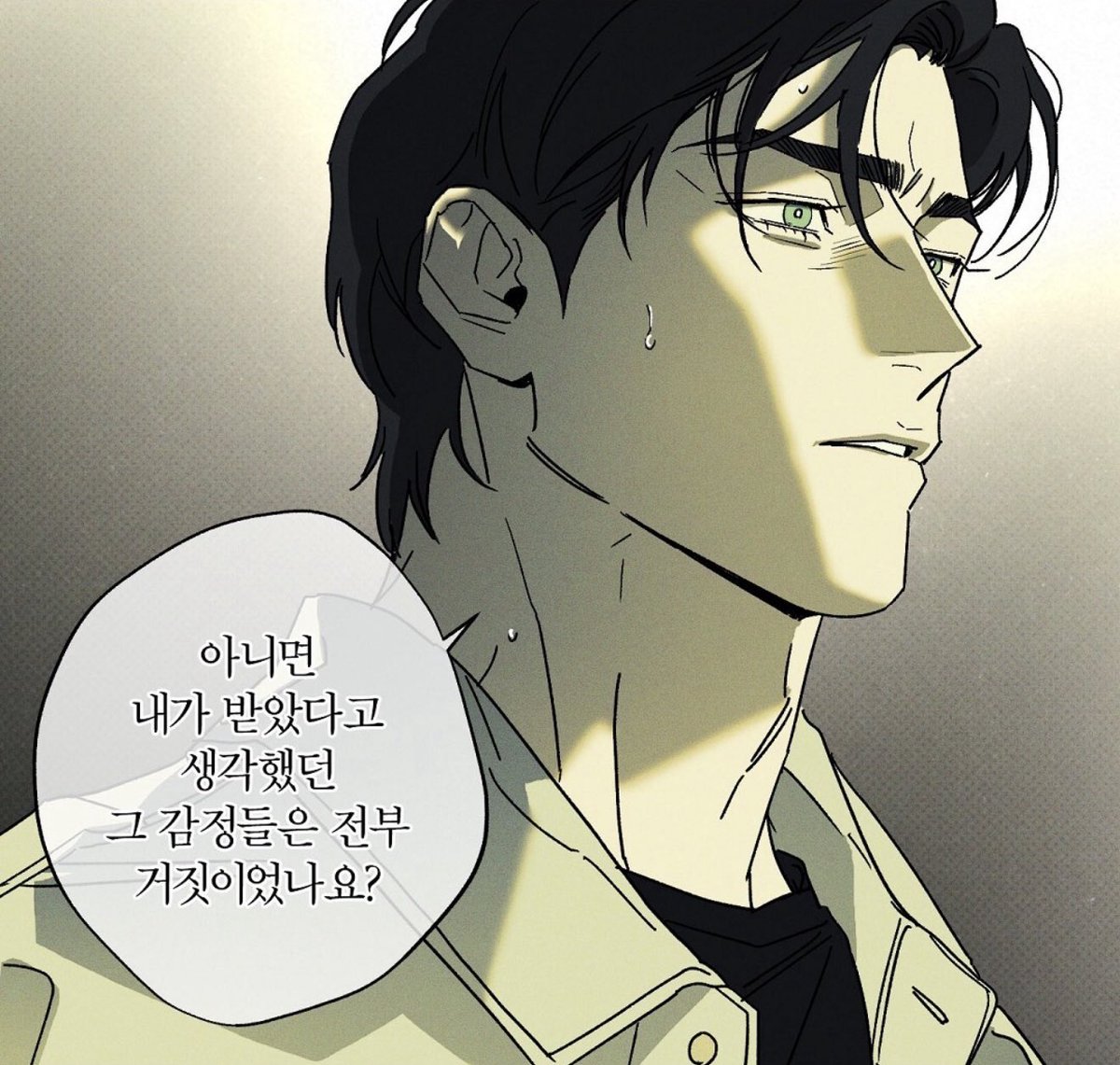
Ian’s love for TJ and his feelings for Jo are fundamentally different, and more importantly, they’re mutually exclusive. They don’t cancel each other out, but they also can’t coexist in the same future.
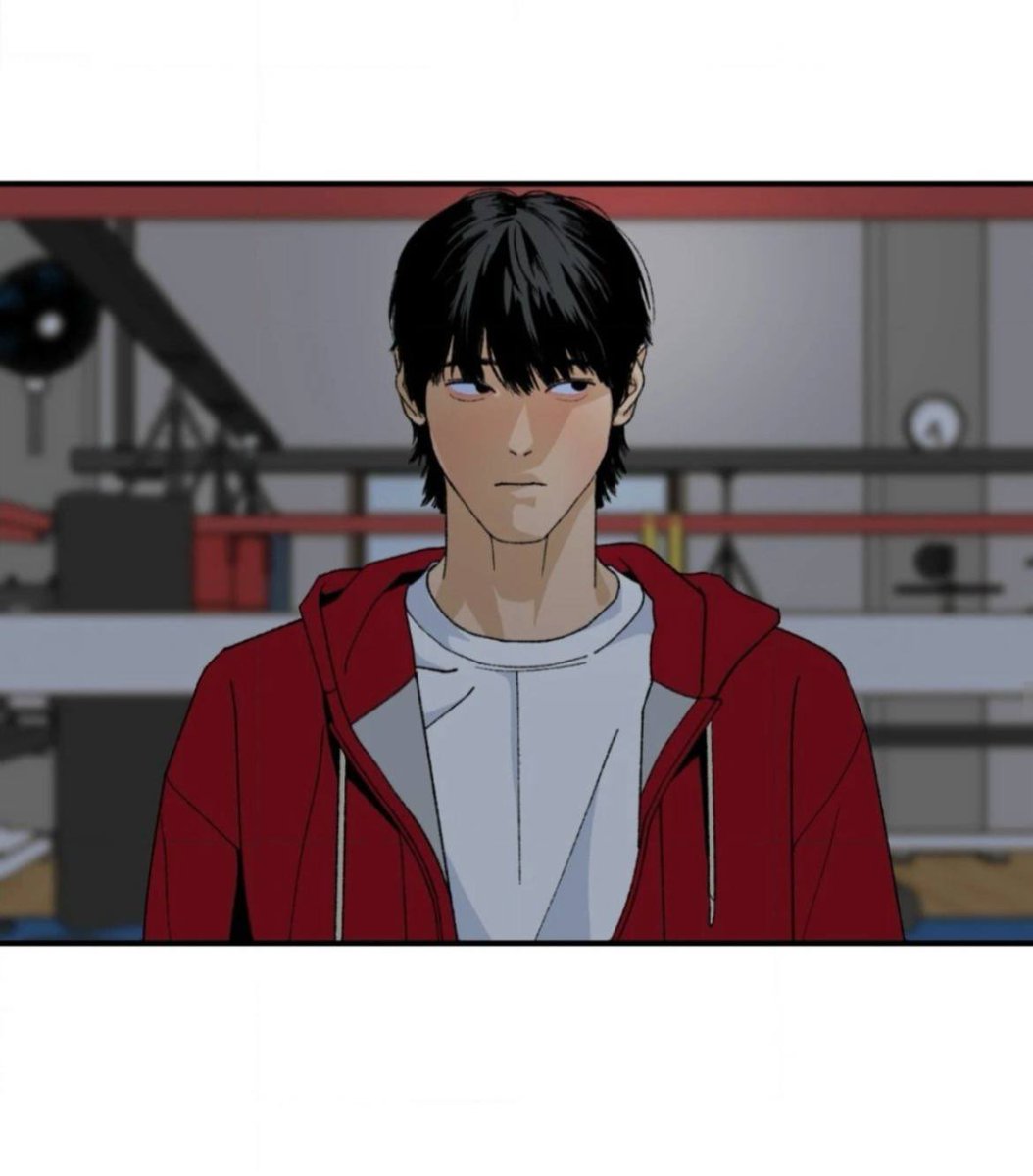
TJ is not just another romantic possibility in Ian’s life. He is tied to Ian’s past, to guilt, to survival, to loyalty, to violence, and to the identity Ian has built for himself. Their relationship carries history and emotional gravity that fundamentally shapes how Ian understands himself. That kind of connection cannot simply be replaced by something healthier or softer, even if it might ultimately be more destructive.
Because of that, Ian’s feelings for Jo and TJ are not directly comparable, they belong to different emotional frameworks.
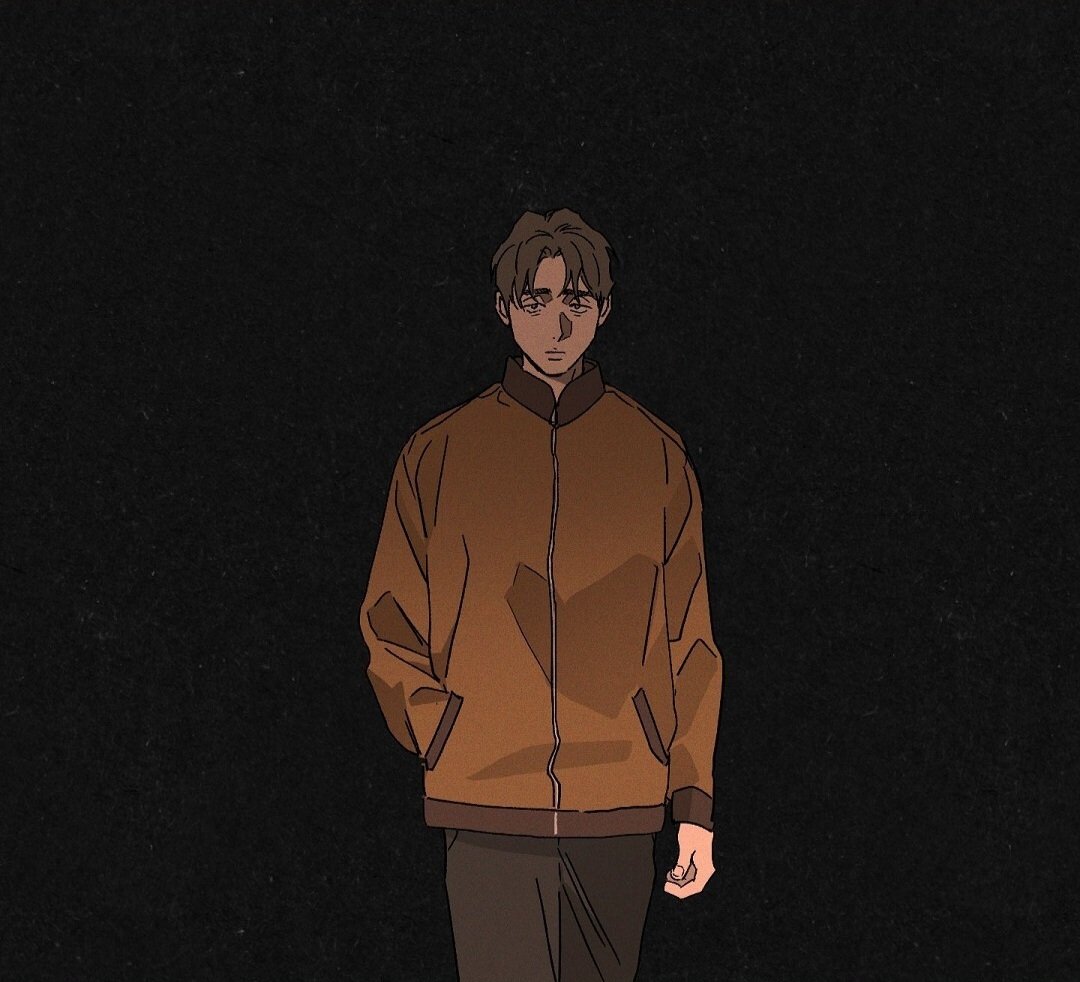
Jo represents something like possibility.
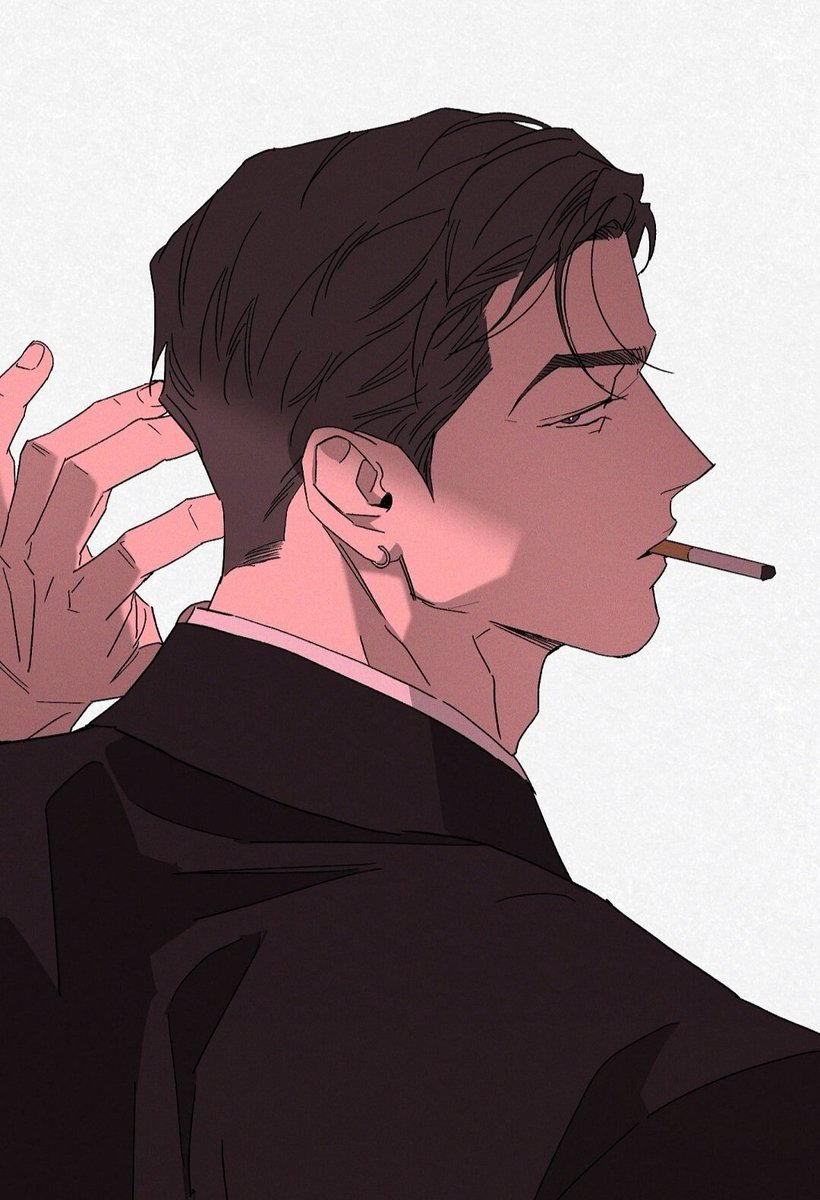
TJ represents inevitability.
Jo is the life Ian could have chosen.
TJ is the life Ian believes he is already bound to.
And that distinction is why the story never really functioned as a traditional love triangle.
In most romance narratives, the triangle exists to create tension before the protagonist eventually chooses the “right” partner. The structure promises resolution. One path is meant to win.
Wet Sand is structured differently.
From the beginning, the narrative has framed Ian’s relationships in a way where every outcome carries loss. There is no configuration of this story in which everyone walks away whole.
If Ian chooses Jo, TJ loses.
If Ian chooses TJ, Jo loses.
And regardless of the choice, Ian himself loses something too.
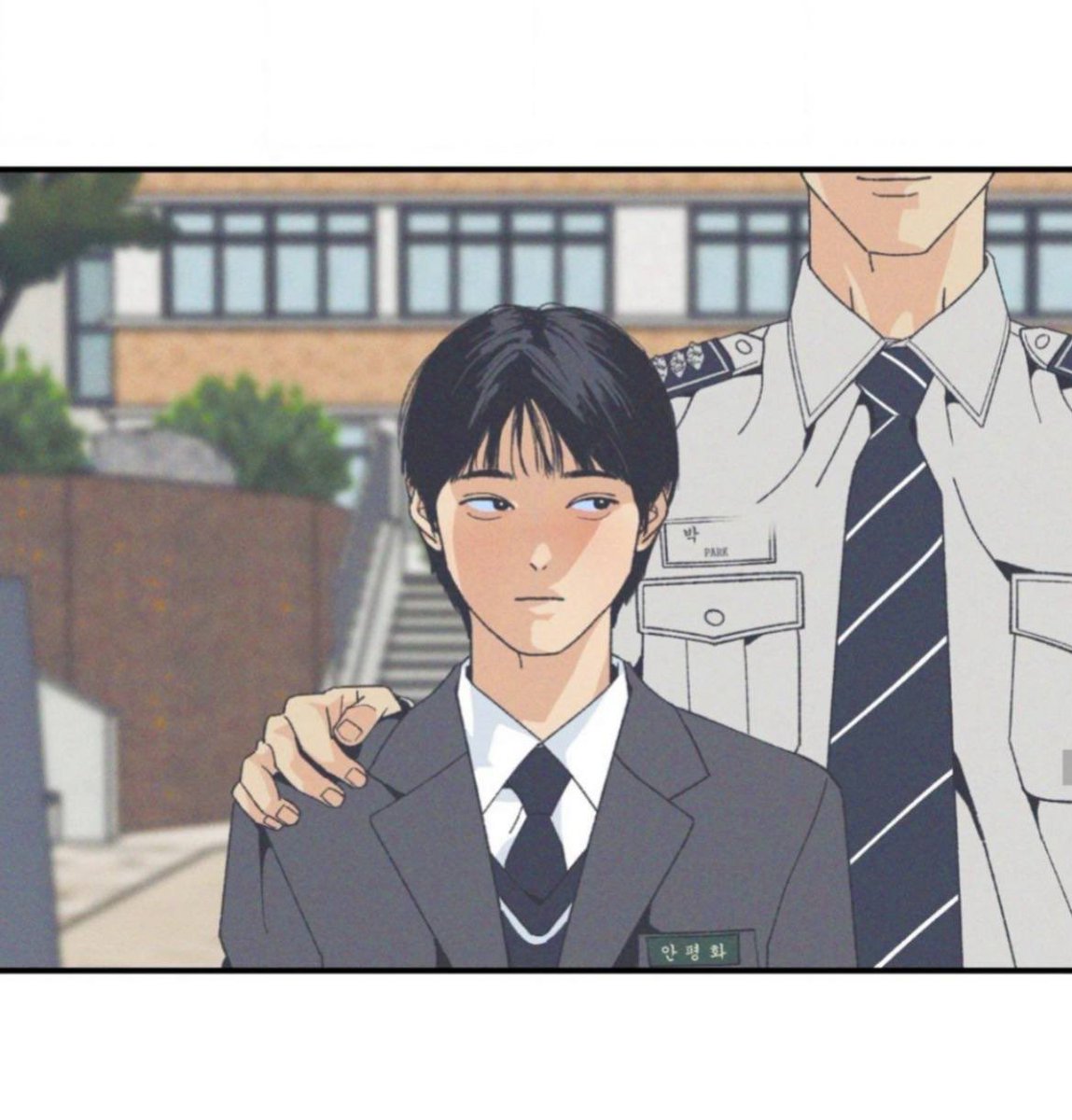
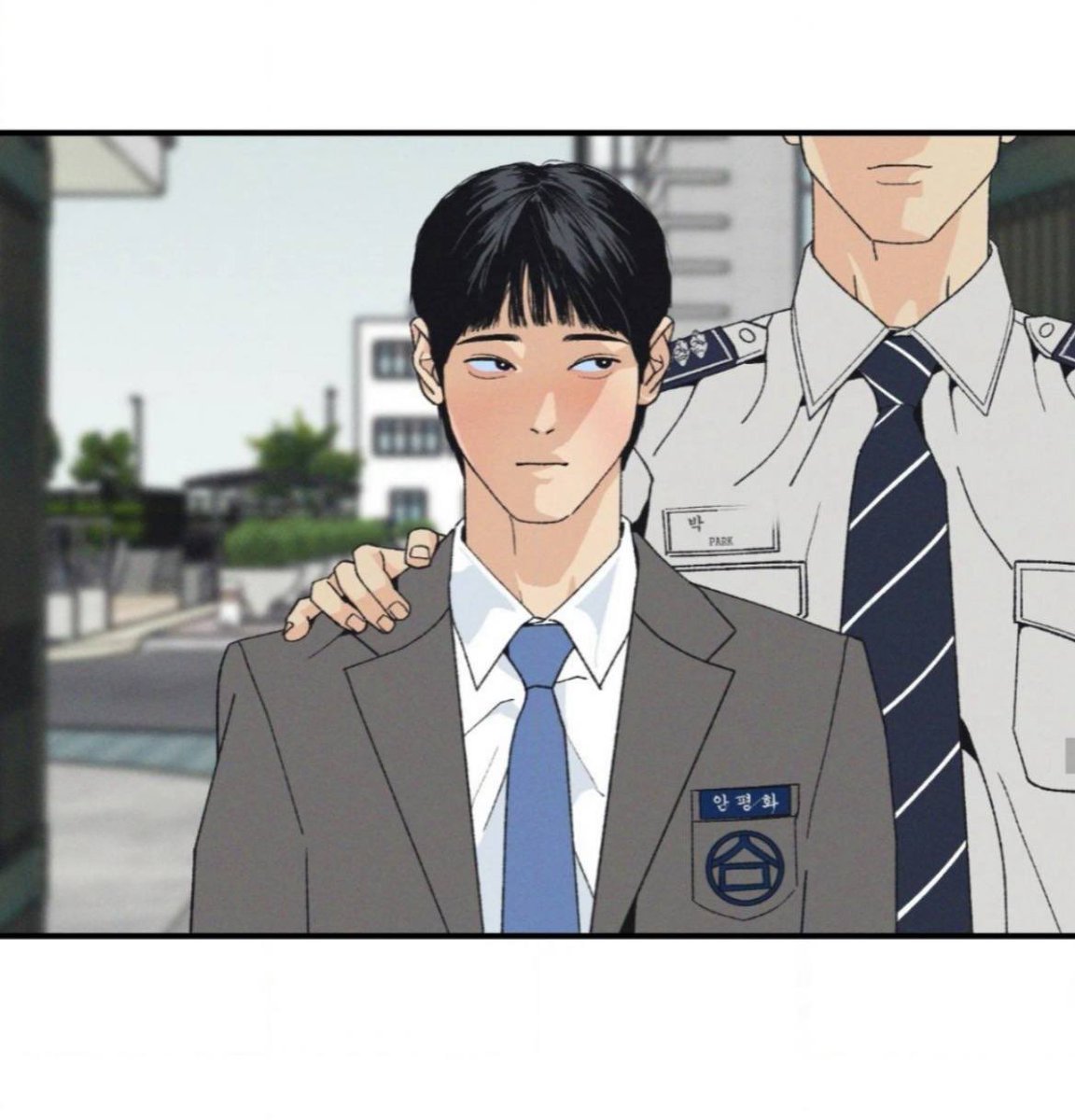
What makes this chapter particularly devastating is the way it introduces the idea of the life Ian and Jo might have had.
The narration imagines something painfully ordinary: a small room filled with quiet happiness, occasional arguments that never truly threaten the relationship, weekend trips to the mountains or the sea, nights spent counting stars together.
It’s a life defined by stability and intimacy rather than survival.
But the framing is crucial, it’s written in the conditional. They would have been happy. They would have built memories.
This happiness is not something the characters experienced. It exists only as a hypothetical future that was never allowed to unfold.
The chapter is essentially presenting the reader with a closed door.
And that’s where the thematic weight of the ending monologue comes in. The story asks why certain fleeting moments become permanent memories, why some brief encounters linger in our lives as something almost mythic, even though they never had the chance to develop into something lasting.
In Ian and Jo’s case, their relationship becomes exactly that: a moment that could have been expanded into a life, but instead solidifies into memory.
What the story ultimately suggests is that the tragedy isn’t necessarily that Ian made the “wrong” choice.
The tragedy is that some possibilities are never fully explored.
Some doors remain closed not because the love wasn’t real, but because the people involved were never able — or willing — to step through them.
And in that sense, Wet Sand was probably never about the question of who Ian loves more.
It’s about the fact that love alone doesn’t determine the course of someone’s life.
History does.
Guilt does.
Identity does.
Sometimes people walk away from the life that might have made them happiest, not because the love wasn’t there, but because the version of themselves they believe they are cannot exist inside that future.
And so what remains is not a relationship.
Just a moment that becomes a memory.
#WetSand #웻샌드
English