(Guy Zyskind*)
5.6K posts

(Guy Zyskind*)
@GuyZys
Bringing FHE onchain @fhenix; Blockchain Privacy pioneer (Enigma, Secret Network); @MIT PhD in Cryptography
Katılım Temmuz 2010
521 Takip Edilen33.4K Takipçiler
Sabitlenmiş Tweet

@GSKenigsfield @DarYuval המבחנים לא קשים יותר, כי המטרה היא שתלמד ותפנים את החומר בארה״ב. לא שהמרצים יתגאו אצל מי היה צריך לתת פקטור גבוה יותר כדי שכל הכיתה לא תכשל
עברית

@DarYuval לא מאמין שרמת הלימודים גבוהה יותר, אני זוכר שהסתכלנו הרבה על מבחנים מקבילים ספציפית מ mit וכל הבחינו. היו הרבה פחות מתחכמות ומאוד פשוטות ביחס לטכניון
בסמסטר ראשון בטכניון קיבלנו שאלה במבחן בפיזיקה שדרשה הרבה מאוד אינטואיציה לגבי משהו שנקרא אנליזת מימדים וזה לא משהו שנלמד בקורס
עברית

נכנסתי פה לויכוח עם עדי אז בוא נבהיר משהו
אני לרגע לא טוען שללמוד בטכניון עולה על פרינסטון
אני כן טוען את הדבר הבא
הרבה יותר זול ללמוד בטכניון
הרבה יותר straightforward להתקבל על ביצועים אקדמאים בלבד
ישראל היא אחת המדינות שהכי קל בהן לרכוש השכלה גבוהה איכותית בזול
ולעבוד מעמדות
Adi K. 🎗️@AdiK44972070
אם ההורים שלך מרוויחים פחות מ-250 אלף דולר בשנה אתה לא תשלם שכר לימוד בפרינסטון

עברית

@DarYuval @GSKenigsfield סטודנט ממוצע בMIT יתנסה עם מחקר ופרוייקטים בחזית הטכנולוגיה המדע.
סטודנט ממוצע בטכניון יתנסה במעבדה שהסילבוס שלה לא עודכן מ1970.
האוני׳ בארץ מאוד מרשימות, אבל אי אפשר להשוות.
עברית

@GSKenigsfield השאלה גם מה רמת הלימודים.
ברור שעצם הלימודים שם פותחים הרבה יותר דלתות, אבל מבחינת סילבוס, מבחנים, יכולות וכו', אני מבין שלא ברור בכלל שב-MIT הלימודים ברמה גבוהה יותר מהטכניון למשל
עברית

@kaepora 500k count is to break in less than 10 minutes. Can likely do damage with way less
English

I spent the evening looking into quantum computing timelines as a non-expert in quantum computing. Here is what I’ve learned:
We currently have machines with ~1,000–1,500 physical qubits at error rates around 10⁻³, and Google’s algorithm requires ~500,000 physical qubits operating coherently together with surface code error correction, yoked qubit storage, magic state cultivation producing ~500K T states per second, and reaction-limited execution at 10μs cycle times — none of which has been demonstrated beyond small-scale proof-of-concept experiments.
Scaling from where we are to where this needs to be isn’t a matter of incremental improvement along a Moore’s Law curve; it requires solving qualitatively new engineering problems in qubit fabrication yield, correlated error suppression across a massive chip (or multi-chip interconnects that don’t exist yet), cryogenic wiring and control electronics for half a million qubits, real-time classical decoding at the required throughput, and sustained coherence of a “primed” quantum state across minutes of wall-clock time — any one of which could prove to be a multi-year bottleneck, and all of which must be solved simultaneously.
Given the above, I just don’t see how we’re going to get to a cryptographically relevant quantum computer by 2030, especially given that we need a ~350× increase in physical qubit count with simultaneously tighter error correlations, an entirely new cryogenic control and wiring architecture to address half a million qubits, real-time decoding infrastructure that doesn’t exist yet, magic state distillation factories operating at industrial throughput, and multi-minute coherent idle times for primed states — and historically, solving even one of these at scale has taken the field the better part of a decade.
English

@DrBrownEmmett יש אחלה אנשים בפלורידה, בריכוז נמוך יותר אבל מספק.
לוקח בהליכה מקומות כמו בוסטון, ניו יורק ואיזור המפרץ.
עברית

איך קרה שכל הערסים מתרכזים במיאמי או LA שהן אחלה ערים בזמן שהישראלים שהייתי שמח לחיות לידם ״תקועים״ במקומות קרים כמו טנפליי ובוסטון..?
Noam@spaceAhabal
מצחיק שהיורדים מאז הוא מתמיד מוכללים באופן גורף כסמולנים חמוצים ומתנגדי משטר לא פטריוטים. אני ממליץ על ביקור במיאמי או אל.איי, לא תאמינו מה תגלו
עברית

Is anyone working on shielded post quantum pools, or should we prioritize that @fhenix?
English

@llamaonthebrink Half baked attempts like secret network? I dunno, it kinda gave rise to everything else around programmable privacy.
It was also composable, which is something I expect from a smart contract chain (private shared state)
English

This is the first ever private general purpose smart contract chain right?
I mean there were some half baked attempts like secret network but nothing truly revolutionary.
This is a pretty big deal. It fundamentally opens up a whole new design space that was impractical before😮
Aztec@aztecnetwork
Alpha is live. After nearly a decade, the first feature-complete privacy stack on Ethereum is here. Developers can now build apps and contracts with ground-up customizable privacy, from execution to settlement. aztec.network/blog/announcin…
English

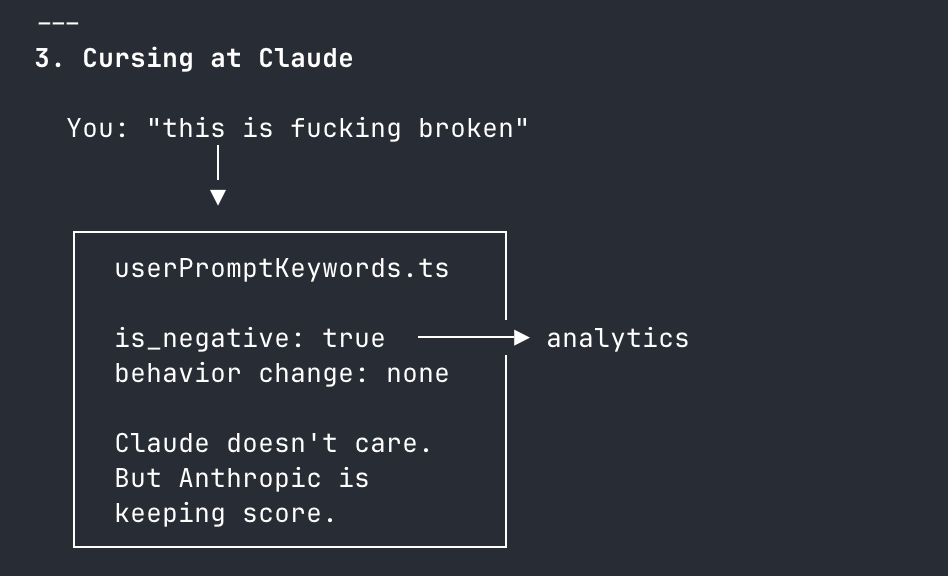
@Rahatcodes I'm gonna be uber polite going forward. I don't want to be on the naughty list when frontier labs take over
English

There are maybe three top FHE companies today. @fhenix is one of them.
Those are the only companies building production-grade post-quantum encryption.
I'm now realizing we need to work faster, because it's already the 11th hour - benzinga.com/news/26/03/515…
English


.@VanityFair: “we’re doing a piece on how resilient y’all have been in crypto”
crypto ppl: sure
Vanity: “perfect. just wear these totally normal clothes and we’ll take it from here”

English

@greg16676935420 You should come to Israel. Those signs are everywhere
English

@mikosu7 @GaliliEinav אין מקום לדעות הזויות - כמו שאין מקום לקונספירטורים שחושבים שהעולם שטוח (גם זו אגב, הייתה דעת רוב פעם).
עברית

@GaliliEinav יש מקום גם לדעות שמחזיק בהם 90% מהעולם הליברלי? למשל שמטרת המלחמה בעזה היא טיהור אתני/רצח עם? למשל שצהל הוא לא הצבא המוסרי בעולם? למשל שפוגרום יומי במדינת אפרטהייד מתוחזק על ידי מחנות עינויים זה פחות?
עברית

@shiraeis There seems to be imageable brain-effects for excessive screen time. It's true that these papers are not differentiated enough (measuring the quality of screen time), but the counterpoint that screen-time itself is not damaging isn't proven either.
English

"limit your kid's screen time" is correct advice today, but people are confused about why it's correct, and that matters because the reason has an expiration date.
the issue with ipad kids was never too much screen time in some vague moral sense, but that the software on the other side of the glass is essentially a superstimulus engine running a curriculum in learned helplessness. bright colors, zero latency rewards, infinite novelty, no boredom, no friction, and no consequence. you poke the most interesting square and something happens immediately.
if the world worked that way, it'd be fine, but the world is almost entirely delayed gratification, ambiguous feedback, physical constraint, and needing to sit with uncertainty long enough to actually figure something out. so you're training a kid on an environment that is aggressively uncorrelated with the one they'll have to function in. it's a distribution mismatch problem.
this means the winning parenting heuristic isn't "less screen time," but "don't let your kid marinate in a training environment optimized for engagement extraction when they should be building a world model." screens just happen to be a horrible training environment.
but that's contingent and doesn't have to stay true.
consider an AI that actually knows your kid, not in a creepy ad-targeting way, but in a way an aristocratic tutor knows their pupil. it follows them since birth, and maybe it remembers what confused them in march and checks whether they've resolved it by june. it notices when they're pattern matching instead of reasoning and calls them out on it. it asks hard questions at the right time, not to test them, but because it has a genuine model of what they're ready to think about next, and critically, it keeps routing them back to real world problems instead of substituting for them.
this probably starts life as a stuffed animal, but the same entity transfers across form factors as the kid ages. the plush rabbit becomes a voice in their earbuds. he memory and the relationship are continuous. the interface changes, but it's one long developmental arc, not a series of disconnected apps.
the thing that made ipad kids a cautionary tale was that the optimization target was retention. a sufficiently good AI tutor could optimize for what actually matters, like reflection, causal reasoning, metacognition, and tolerance for confusion, using the kid's actual life as curriculum instead of some frictionless cartoon sandbox.
basically, the principle I'd actually endorse isn't "minimize screens." it's closer to "choose the training environment that best teaches your kid to think, pay attention, and update on evidence."
right now that means less screen time, but in maybe two-five years the correct parenting move might be something nobody is emotionally prepared to hear, which is, your kid should probably be raised in part by an aristocratic tutor with perfect recall and great priors who happens to live inside a stuffed rabbit.
English

what did you recently do with the help of an AI agent that you wouldn't have imagined possible like 6 months ago?
super interested in experimenting with agents - both for fun and to optimize/scale day-to-day workflows.
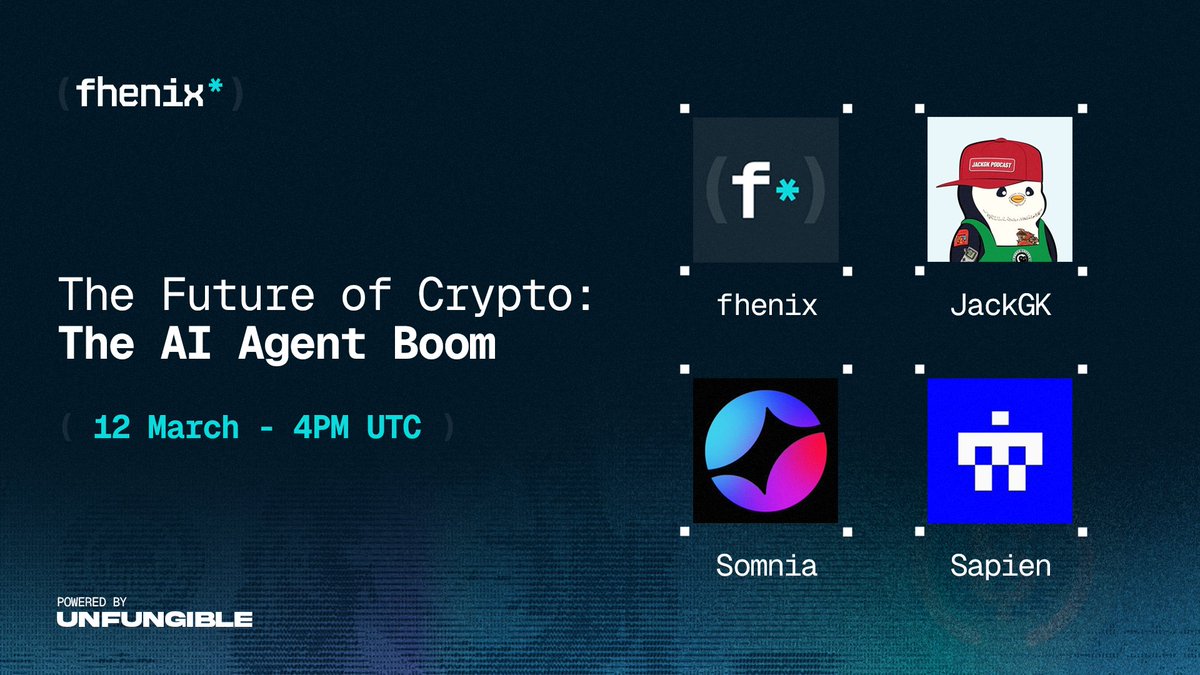
ps: if you're curious about where this is all heading, tune into Fhenix's livestream tomorrow on the AI agent boom

English
(Guy Zyskind*) retweetledi