Thank you Keir-your comments are deeply appreciated
Keir Starmer@Keir_Starmer
As Lent comes to an end and we approach the Easter weekend, I want to send my warmest wishes to Christians in the UK and around the world.
English
Peter Maurice 💙
5.1K posts
@hammabish
Retired bishop: lover of popular telly, footy and hot curries.I believe even more in celebrating our common humanity
As Lent comes to an end and we approach the Easter weekend, I want to send my warmest wishes to Christians in the UK and around the world.


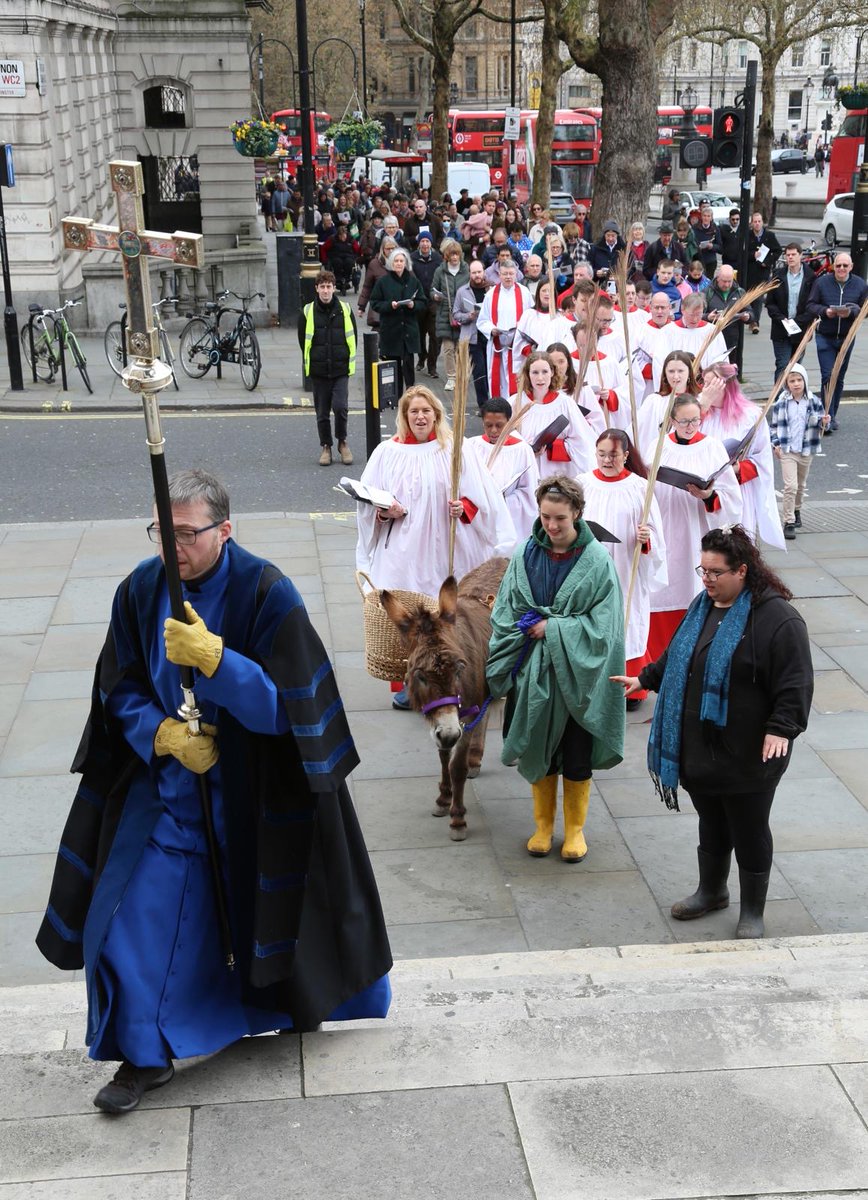
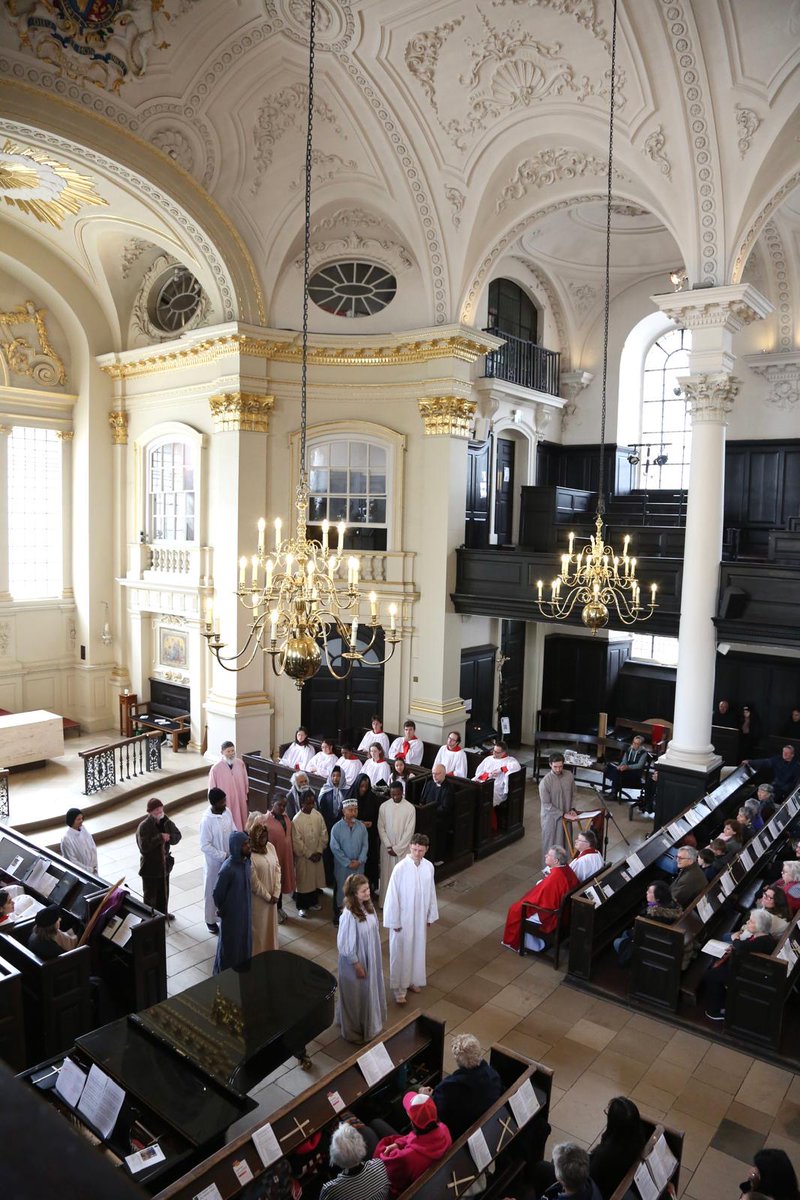
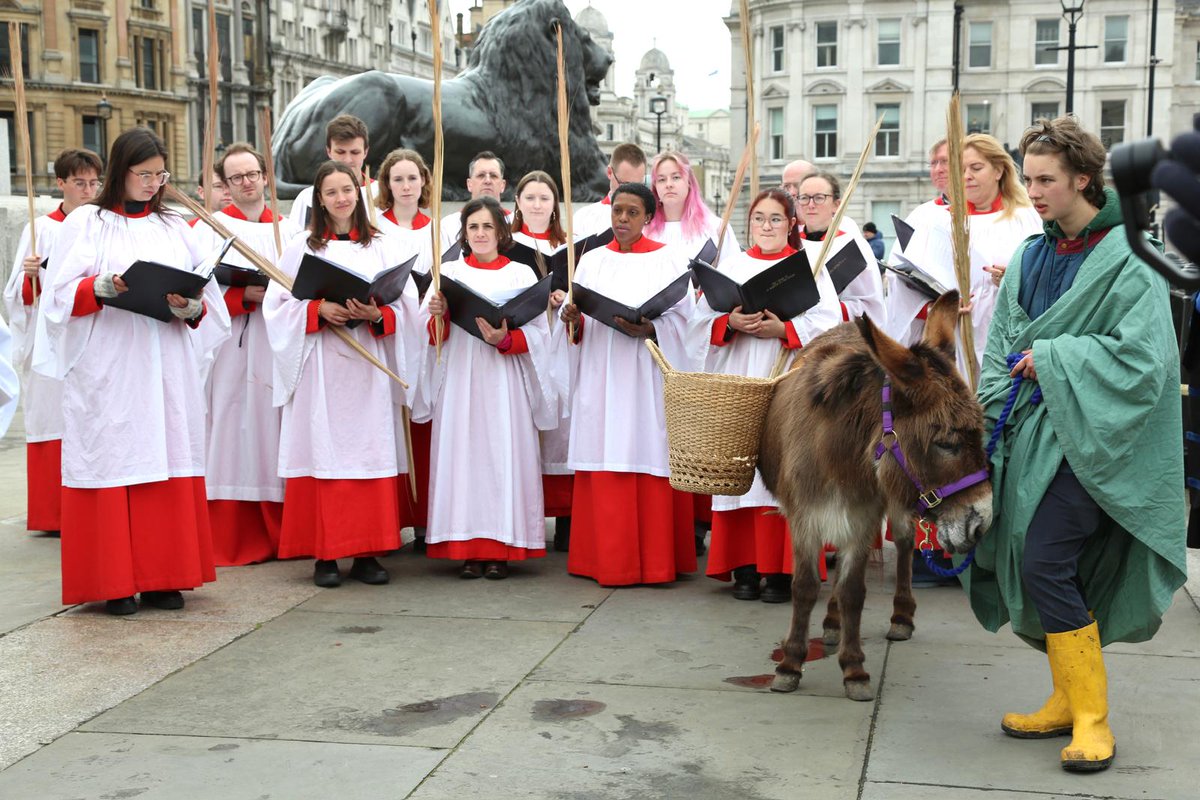


I invite you at this solemn entrance into Holy Week, not to live these days as remembrance of the past, but to experience them with the hope, anguish, projects, and with failures of our world and our nation as they are today —St Oscar Romero, Palm Sunday (A), 1978 #StOscarRomero
"I know he will be a gift to us here within the diocese and the Merseyside region as we seek God’s best for our future life together in mission and ministry." The Dean of Truro, the Very Rev Simon Robinson, is to be the Bishop of Warrington. Read more: cofe.io/BishopOfWarrin….


✍️ 'If the former Archbishop of Canterbury didn’t have a satisfactory experience with the Lord, where does that leave the rest of us?' | Writes Celia Walden Read the full column below 👇 telegraph.co.uk/news/2026/03/0…



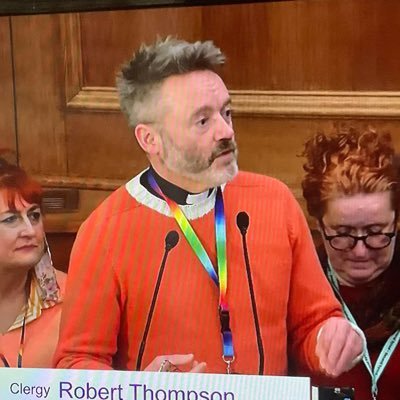
My friends in Christ at Synod and beyond, This is the speech I would have given yesterday had I been present and not at home recovering from eye surgery. Perhaps it is fitting that I write now about sight — because the question before us is whether the Church of England is willing to see clearly. I speak to you as a gay man. I speak to you as a gay priest. And I speak to you as someone who has served this Church faithfully, sacrificially, and publicly since I was 25. So let us dispense with polite abstraction. This debate is not about “issues”. It is not about “sensitivities”. It is not about “both sides”. It is about whether the Church will continue to treat queer love as a tolerated irregularity, or recognise it as a site of grace. For decades LGBTQIA+ people have carried the spiritual burden of this institution’s hesitation. We have been told to wait. To be patient. To understand process. To appreciate nuance. Meanwhile we have baptised children, buried the dead, preached the gospel, and prayed the liturgies, knowing that our own covenanted love remains the one thing the Church cannot quite bring itself to bless without qualification. Let that hypocrisy sink in. We are trusted to absolve sin. We are trusted to consecrate the Eucharist. We are trusted to proclaim resurrection. But somehow our own love is too theologically dangerous to name in prayer. What exactly are we afraid of? If we believe in the fruits of the Spirit, then look at queer Christian couples. Look at fidelity. Look at endurance. Look at self-giving love forged in adversity. Look at people who stayed in a Church that debated their legitimacy year after year and still showed up on Sunday to serve. If that is not sanctification, what is? We are told this is about doctrine. But doctrine is not a museum exhibit sealed behind glass. The Church has changed its teaching before: on slavery, on usury, on the role of women, on remarriage after divorce. Each time there were those who insisted the sky would fall. It did not. The Spirit did not resign (and at this point I would like to make it clearer that rumours that I am the Holy Spirit or very much askew. It is quite clear that the Holy Spirit is always female.) The Church did not collapse. What did collapse was prejudice dressed up as permanence. So let us be honest: the refusal to recognise same-sex love as capable of holy covenant is not theological caution. It is theological fear. And fear to use Sarah’s presidential mantra is a poor shepherd. It does not lead to care it completely lacks compassion. When people argue that blessing same-sex couples would “undermine marriage,” what they are really saying is that queer love is intrinsically inferior, that it can never bear the same sacramental weight. I reject that. Not defensively. Not angrily. But theologically. Because I know queer couples whose lives display the gospel more vividly than many heterosexual marriages the Church blesses without hesitation. And if we are going to talk about unity, let us not weaponise it. Unity that requires queer clergy to remain permanently provisional is not unity. It is containment. It is a velvet-lined closet. We cannot preach that every human being is made in the image of God and then behave as though queer intimacy is an unfortunate glitch in creation. I am not asking this Synod to indulge sentimentality. I am asking for moral clarity. Queer Christians are not an exception to the pattern of grace. We are evidence of it. 1/2