@stevehartig@gnievchenko I think carbon capture by spreading crushed basalt on farm fields might make sense. Use basalt overburden from mining nickel in as-yet undeveloped deposits in Minnesota.
@gnievchenko Agree and at least in the US I think most of that is captured from ethanol plants which have a 100% pure CO2 stream coming from fermentation. I remain unconvinced that direct air capture makes sense since you are starting with air that has only about .04% CO2. A last resort
@RyanHansenSpace The tower avoidance maneuver (tilt) directs the exhaust plume directly at the BQD. I expect it has outlived its usefulness since all engines light reliably.
After seeing the damage to the propellant lines under the booster quick disconnect (BQD) hood from #Starship flight 3, I wondered what could have caused the LCH4 hose to become completely severed. I went back and looked at some pictures and noticed the LCH4 hose was slightly different than the LOX hose.
The LCH4 hose had a noticeable extension added onto the lower flange that was not flexible. This differed from the LOX hose which was flexible throughout. Given that information, I recreated the hoses in 3D and looked at the hose behavior required to operate in this situation.
The issue with this non-flexible extension is that it pushes the beginning of the flexible section up, but more problematically, away from the primary motion of the BQD. This requires more bending for the LCH4 hose to change direction as it's routed to the BQD interface compared to the LOX hose.
The hose length is limited because it needs to fit under the BQD hood when the BQD is retracted away from the booster. When BQD is extended the bend in the flexible hose is concentrated at the beginning of the flexible section. You can see that in the attached animation. This would introduce more stress in the lower section of the hose as more forces are pushing on the hose assembly.
During propellant loading, the hoses experience cryogenic temperatures for hours. Their temperature would be well saturated by the time that propellant loading finishes. Ignition occurs just a few minutes after the propellant load process completes, meaning the hoses would still be very cold. When the #SuperHeavy booster ignites, it introduces massive heating into the surrounding area. While the hoses are mostly protected, there are still many ways for heat to rapidly get to them.
Rapidly heating the hoses and bending them when the BQD retracts just before liftoff may be enough to weaken welds in the hose assembly and create small stress cracks that then give way due to the intense vibrations at liftoff. This would suggest that the damage was caused by thermal shock, bending forces, and vibrations. This is entirely speculation, but based on photos I have seen, I think it's possible the damage was due to the presented scenario.
I'm not a materials engineer so I'd love to hear what others think. Let me know your thoughts in the replies!
@answerswithjoe When running to catch a ball, your brain solves for the intersection of a linear (straight line) and a quadratic equation (parabola) in an instant.
Ok internet… reading a couple of comments from people who thought the Starship broadcast was boring. The thing that changed was: me.
I’ve not worked a webcast in about a year, this was the first show I had called in a long while.
So legit, honest question: what would you have liked to see me change? I can’t change things like hosts, but when watching was there a moment where I bored you? A moment where you thought, “noooo, show X not Y,” or something like that?
I’m not looking for false compliments. I’m looking to build a better webcast. I need truly, bitterly honest data to do that.
I don’t control the script, hosts, or graphic design. I *do* control what shots are up and when. I also am the one who has the hosts move on or as lib or whatever. In case that context helps.
NEW: We’ve already witnessed 500+ migrants cross illegally into Eagle Pass, TX this morning alone, including this huge single group of 290. You’ll see part of the group walk to the edge of a local highway before being stopped by TX DPS troopers. Almost all single adults. @FoxNews
Two years ago, I posted a tweet criticizing Elon Musk for how he treated his Tesla workers, and then he blocked me.
Seems like an odd move for a self-described “free speech absolutist.”
robertreich.substack.com/p/why-elon-mus…
@VLM7234@thebenbergman@elonmusk 1. Typical cost is $15 for a full charge at a Tesla SuperCharger.
2. I installed a 50 amp wall outlet in my garage for about $35 in parts from Home Depot. Most people pay an electrician ~150 to do the job. Charging adds $40-60 to my electric bill.
@thebenbergman@elonmusk Dear Tesla owner.. a few of questions…
1. How much does it cost to charge up at these stations and how many miles can you get off of a charge?
2. Can’t you install a charging station at your home? If so, how much does that cost and how much does it add to your electric bill?
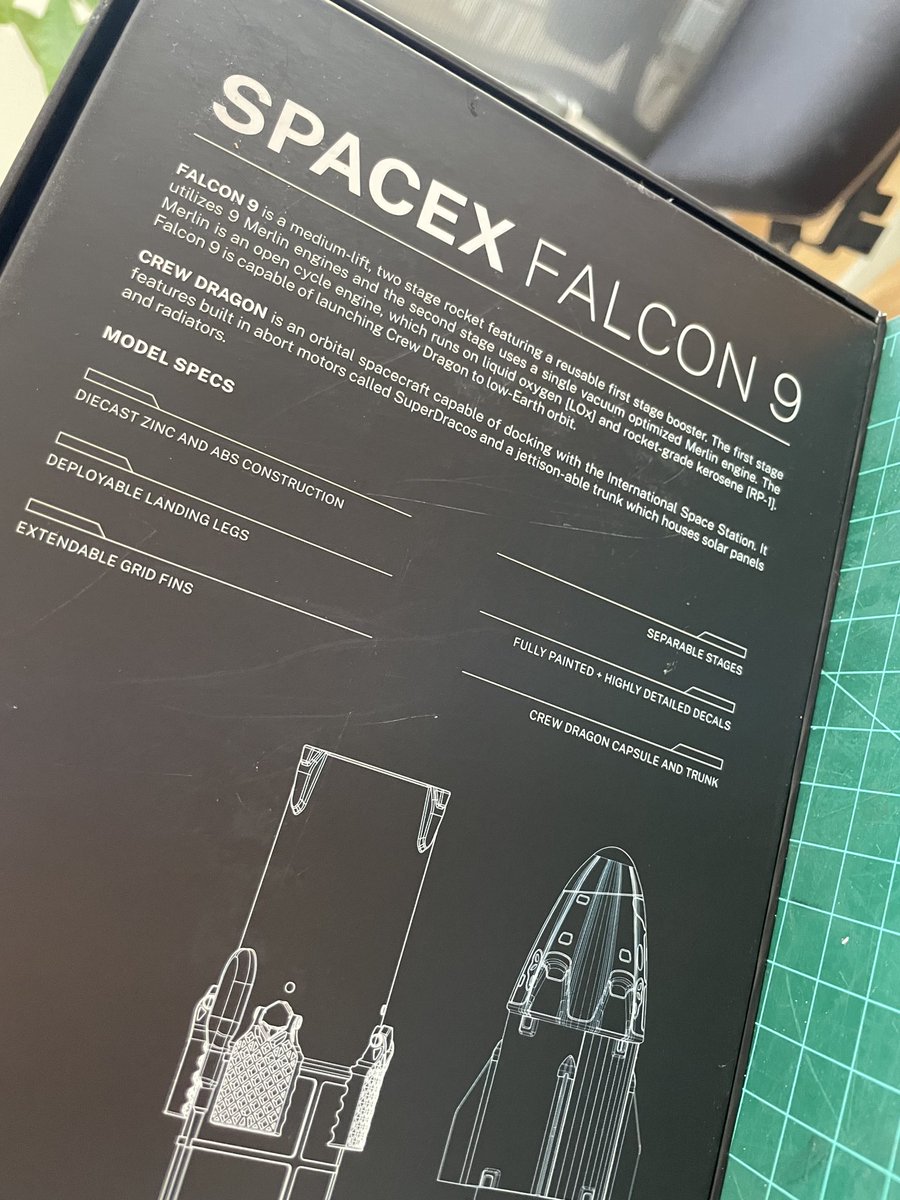
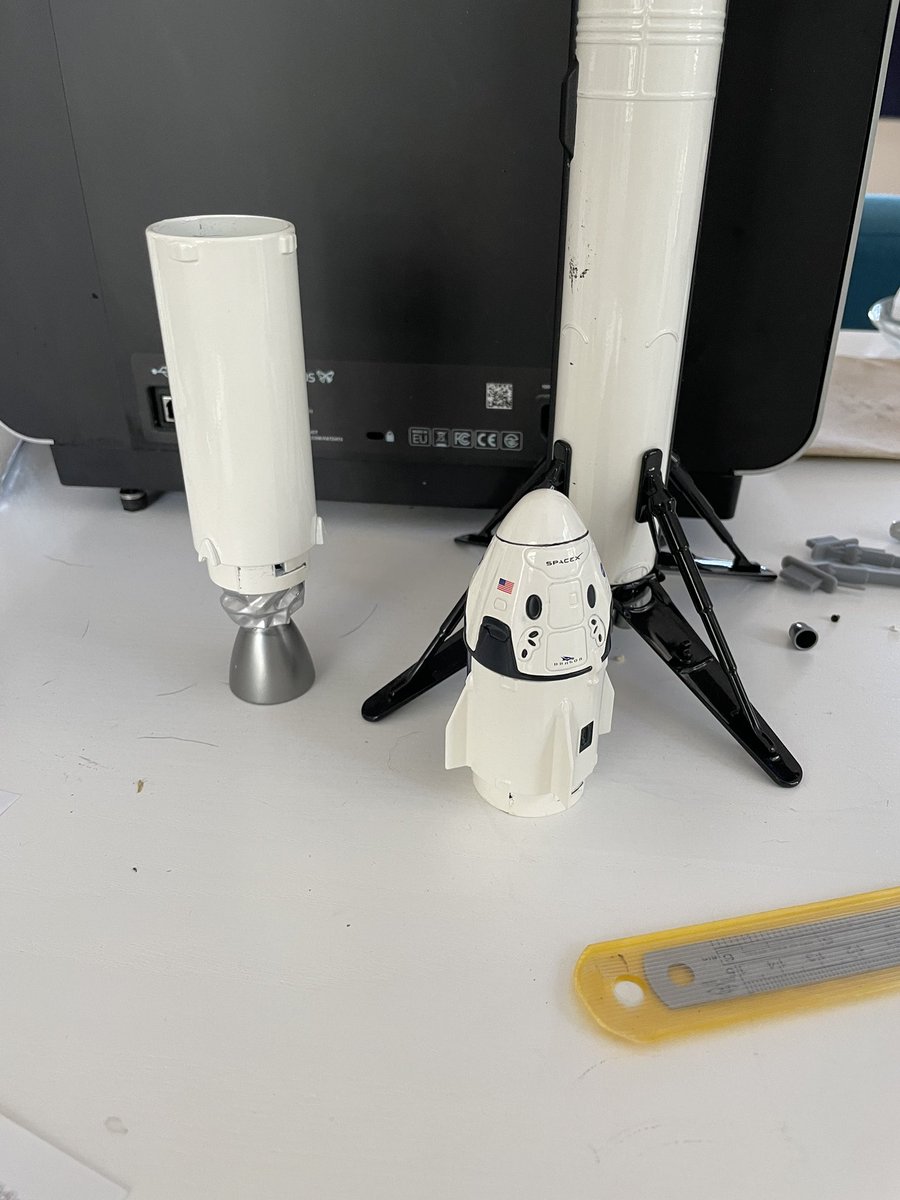
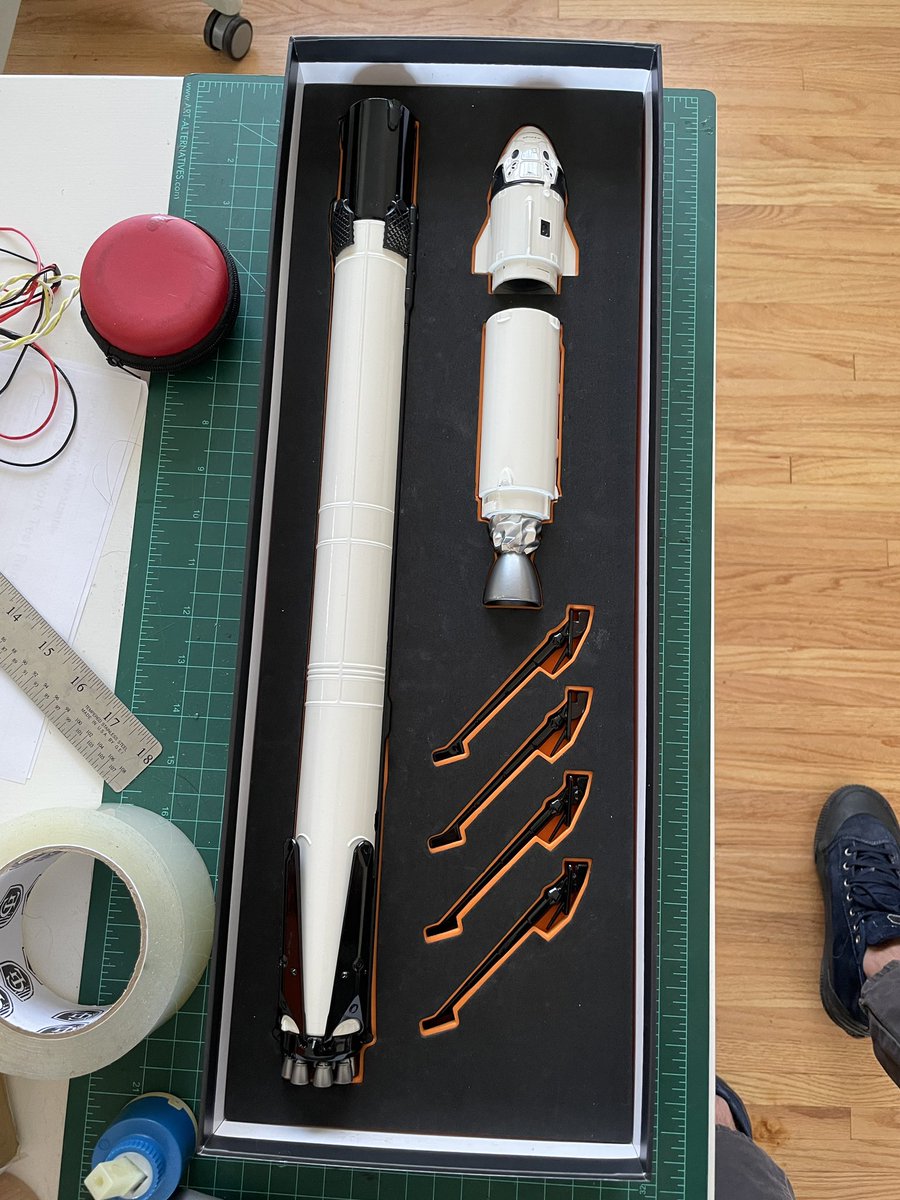
Bad news… I was informed we cannot use the names “SpaceX Falcon 9” for our models 😅 (probably should’ve thought of that a year ago before we paid for the molds) So… who’s got some good name ideas? @elonmusk have any fun alternate names? 😂 #notaFalcon9
@answerswithjoe Solar gravitational lensing, a telescope out past Saturn, and six months of data could give us the ability to visualize continents on exoplanets. (Wikipedia article on SGL).