Civil War history is not only battles and generals.
It is also confinement, deprivation, bureaucracy, and survival.
🎧 Listen to Episode 445 of Historically Thinking
historicallythinking.org/p/worse-than-h…
Prison camps in the American Civil War were not just humanitarian disasters.
They reshaped military policy, racial attitudes, and postwar memory.
historicallythinking.org/p/worse-than-h…
In WWII, an American soldier’s odds of capture were roughly 1 in 100.
In the Civil War, they were closer to 1 in 5.
Captivity was not exceptional—it was a defining experience.
historicallythinking.org/p/worse-than-h…
Why are Civil War prison camps so central to the war—and yet so marginal in how we tell its story?
A conversation on captivity, policy, and memory.
historicallythinking.org/p/worse-than-h…
Andersonville was not an anomaly. It was one of many.
In fact, the American Civil War normalized large-scale prisoner-of-war camps—an innovation that shaped every modern conflict since.
historicallythinking.org/p/worse-than-h…
During the Civil War, nearly 400,000 Union and Confederate soldiers became prisoners of war.
The odds of capture were roughly 1 in 5.
New episode: W. Fitzhugh Brundage on the rise of prison camps and the making of modern warfare.
historicallythinking.org/p/worse-than-h…
Why did one equation change engineering, physics, and navigation? @RArianrhod explains in her book "Vector: A Surprising Story of Space, Time, and Mathematical Transformation".
🎧 Listen to it at historicallythinking.org
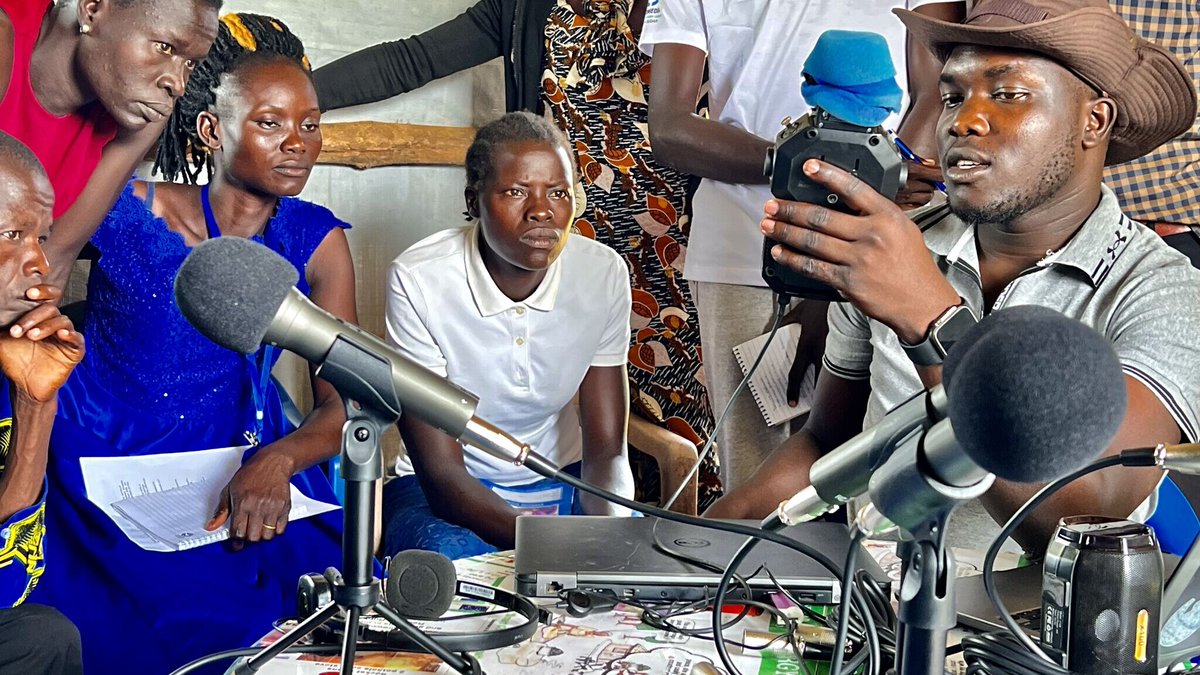
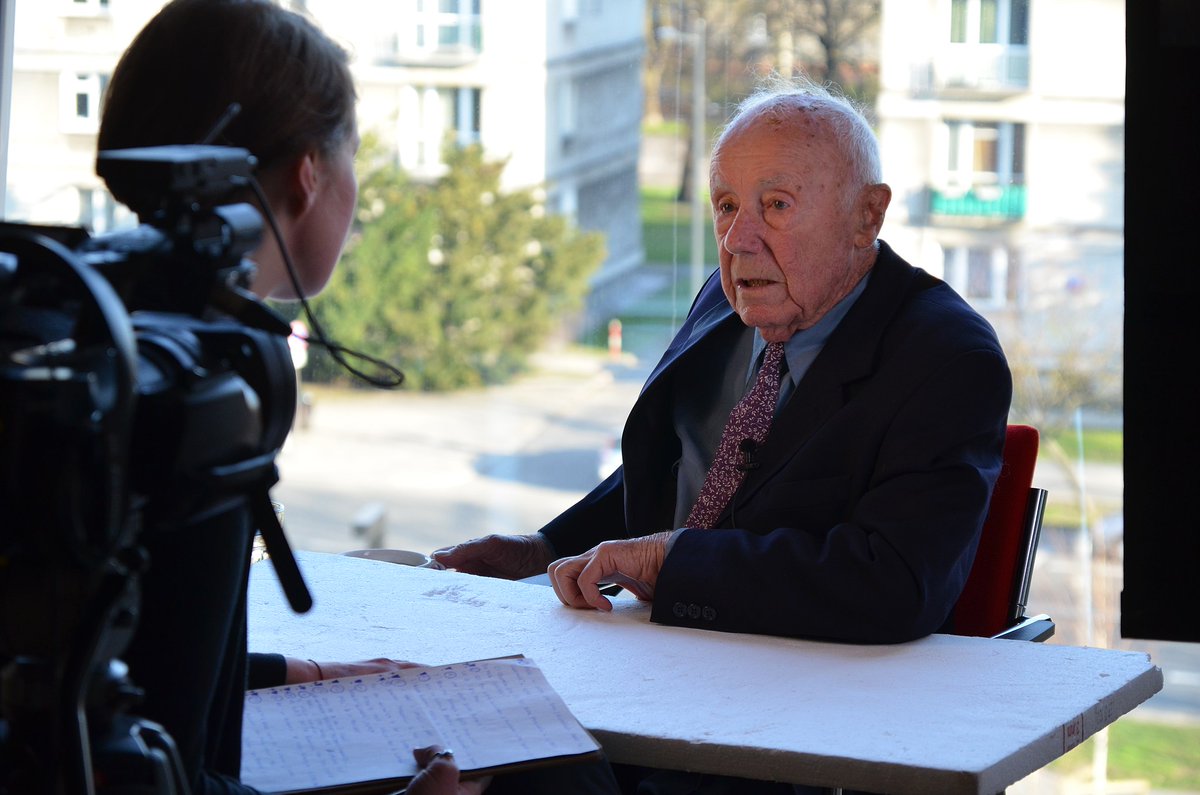
3/ Douglas A. Boyd of the Louie B. Nunn Center of rOral History joins Historically Thinking to discuss "Oral History: A Very Short Introduction" (via @OUPAcademic).
🎧 Listen: historicallythinking.org/p/oral-history
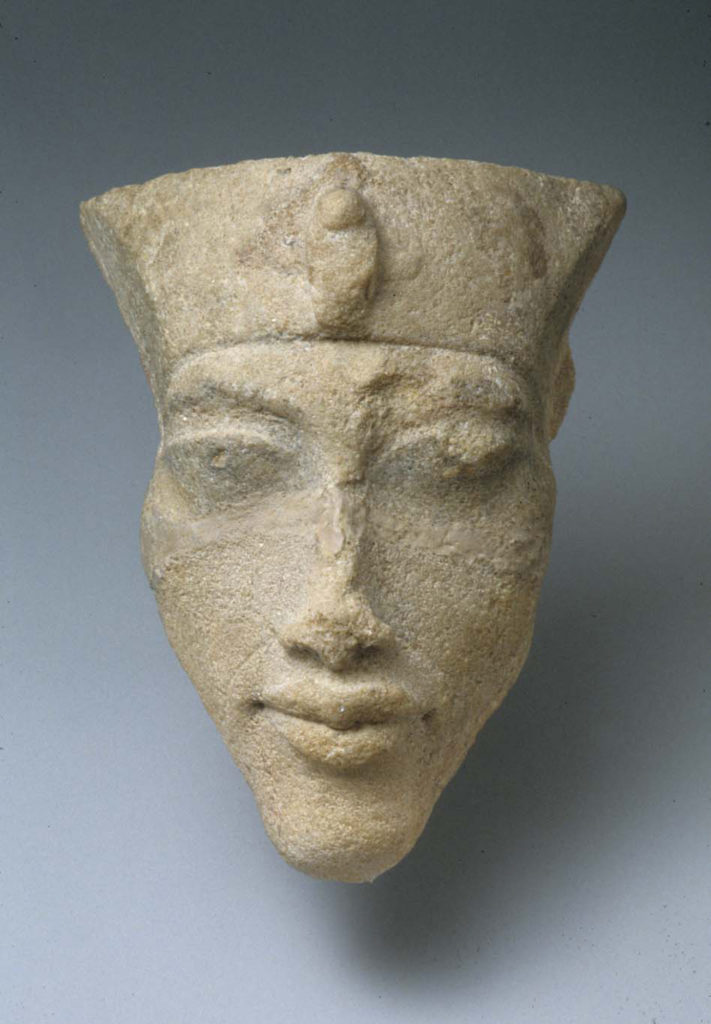
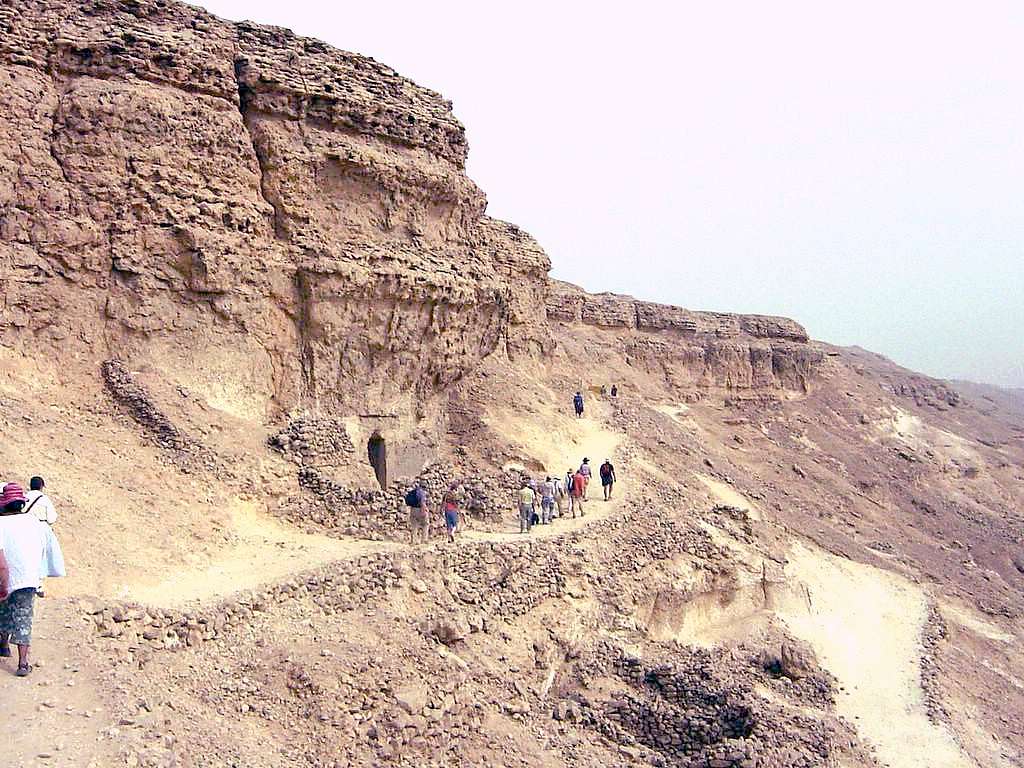
3/ As scholars bought these tablets from various dealers, and translated them, they realized that essentially a "file cabinet" of the Egyptian Foreign Ministry under the Pharaoh Akhenaten had been unearthed. #HistoricallyThinking#EricHCline#Diplomacy#AncientHistory