
Sabitlenmiş Tweet
Brandon Holyoak
7K posts

Brandon Holyoak
@holyoakb
#Family 🏡 | #Country 🇺🇸 | #LatterDaySaint 🏔️| #GoCougs 🤙🏼 | #TakeNote | #Smoker 🥩 | #TusksUp | #MAGA 🦅
Utah, USA Katılım Temmuz 2009
2.2K Takip Edilen858 Takipçiler

@Manhattva Waited for the POTUS to visit China. How convenient.
English
Brandon Holyoak retweetledi

NEW: The Big 12 and ACC support a 24-team College Football Playoff format, commissioners Brett Yormark and Jim Phillips tell @Brett_McMurphy🏆
on3.com/college/clemso…

English

@piersmorgan Late night lineup I’d LOVE to see:
Gabriel Iglesias
Craig Ferguson
Bill Engvall
Iliza Shlesinger
This would bring me back to late night
English

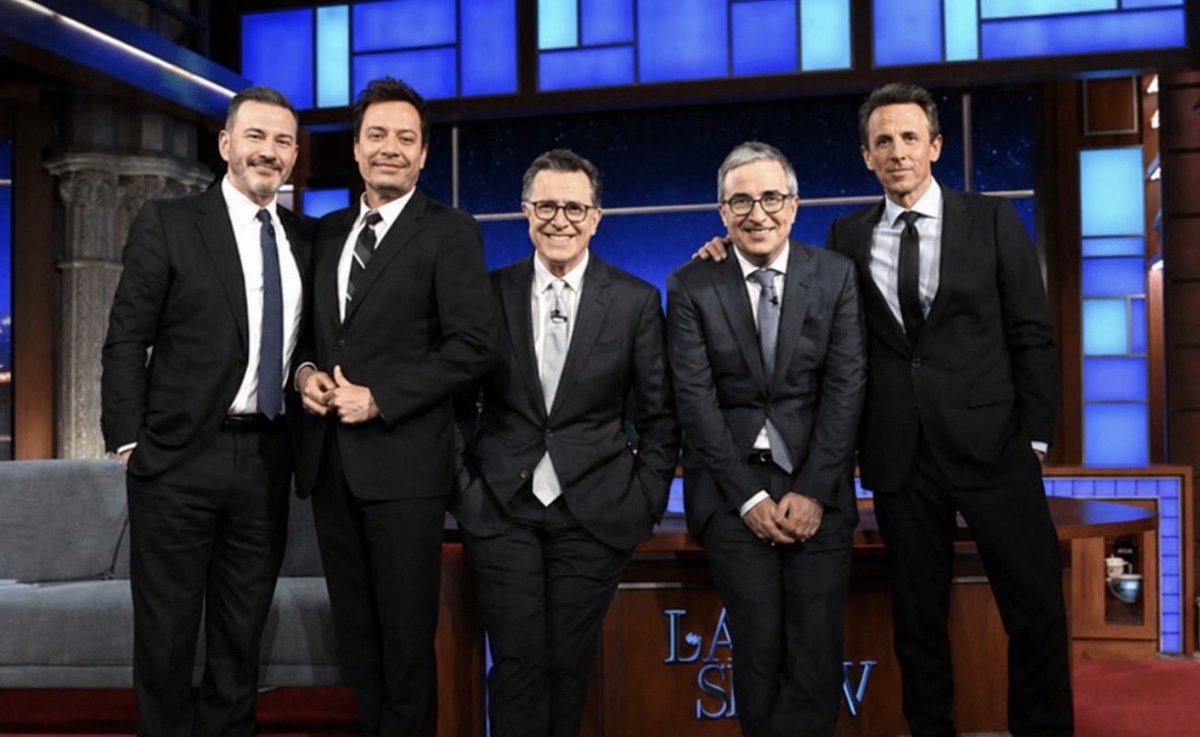
Great to see America’s late-night TV hosts come together yesterday as a shining example of the DEI they love preaching about.
English
@brianeskow Go bark at the airlines to update the design of the chair and/or the layout of the cabin, not me or the person in front of you to keep the seat in the upright position.
Or better yet… don’t fly. Use Teams 💀😂
English

It is RUDE to lean your seat back on a flight.
I'm dying on this hill.
English
@mjolley22 @brianeskow Stupid analogy. You can take your phone anywhere. An airplane seat is only used on … wait for it … yep, an airplane!
Ere go, you need to convince the airlines to update the design of the chair and/or the layout of the cabin, not me to keep my seat in the upright position.
English

@brianeskow “The seat is made to recline.”
Yeah, well my phone is made to play music without headphones, but it’s still rude to play music on an airplane without headphones.
English


Breaking: Inflation soared to 3.8% in April, the highest in three years, driven by higher gas prices on.wsj.com/4eHmbYW
English
3.8% in April 2026… in context. That being said, this administration needs to find an exit ramp or they’ll lose in November. People vote on emotion and spite, not reason.

The Wall Street Journal@WSJ
Breaking: Inflation soared to 3.8% in April, the highest in three years, driven by higher gas prices on.wsj.com/4eHmbYW
English
Boomers in Blue bout to find out.
Barchart@Barchart
BREAKING 🚨: U.S. Housing Market Home Sellers now outnumber Buyers by 630,000, the largest gap ever recorded 🤯👀
English
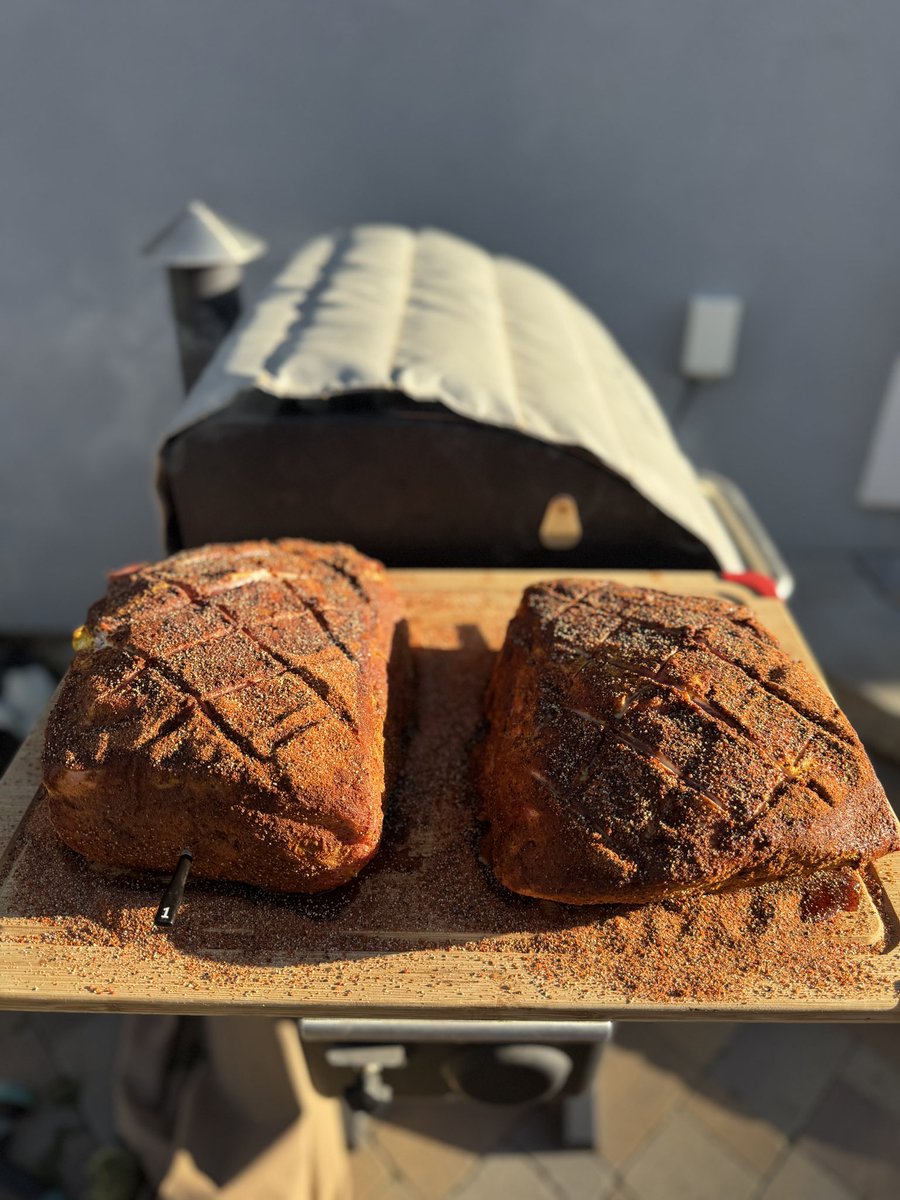


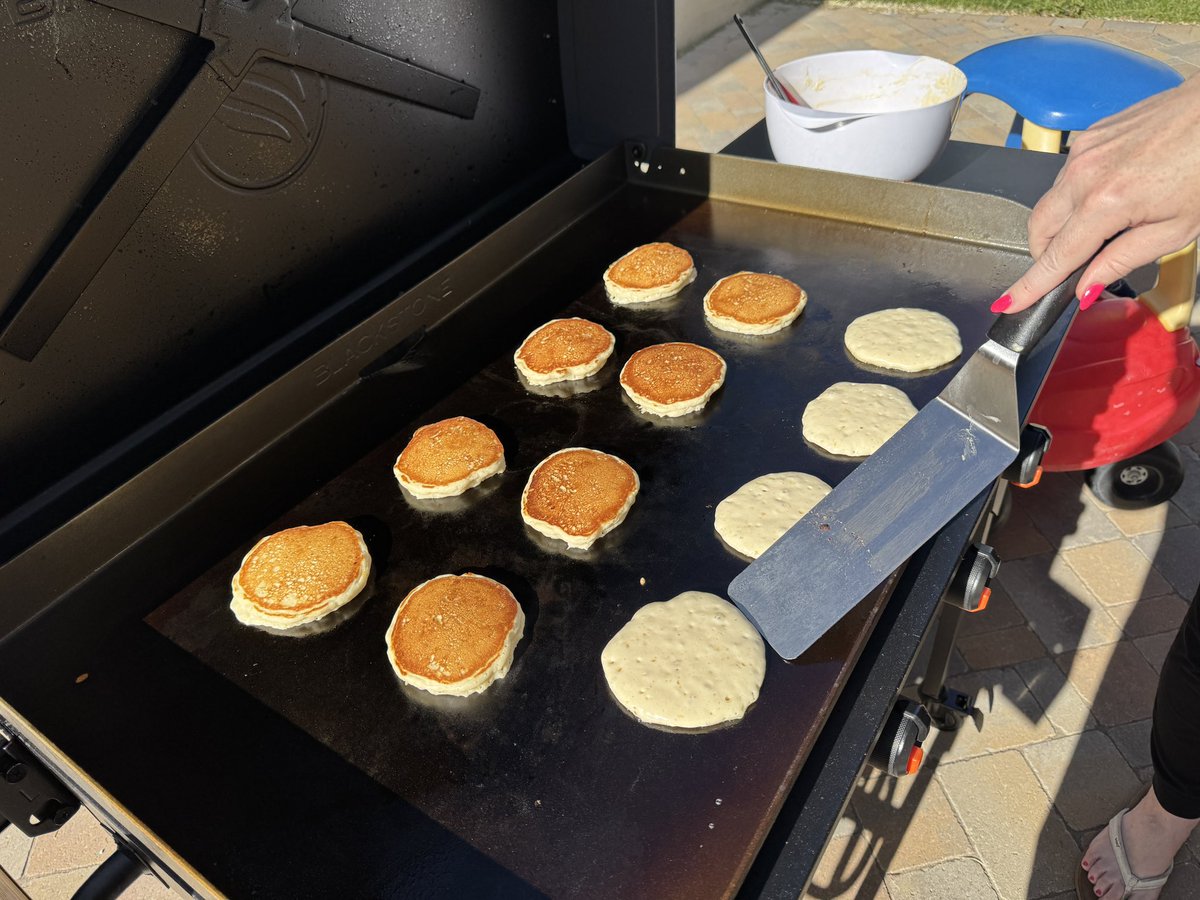


Don’t fall for the gimmicks. 36” griddle with the attached lid (not the detachable) - preferably with the extendable side table is great. Get the Smash Burger kit and the conditioning stuff they sell to create the non stick coating. Recommend getting small tins for the grease trap. Avoid stuff like the fryer and such.
English

I recently posted asking for advice on buying a new grill.
Because you all gave me honest feedback, you all convinced me that what I really need is a Blackstone griddle.
Here's my follow-up question, which model should I get, and where should I get it?

English

THE ODYSSEY by Christopher Nolan to have Lupita Nyong’o playing Helen of Troy and Elliot Page playing Achilles.
Source: ign.com/articles/the-o…


English
Brandon Holyoak retweetledi
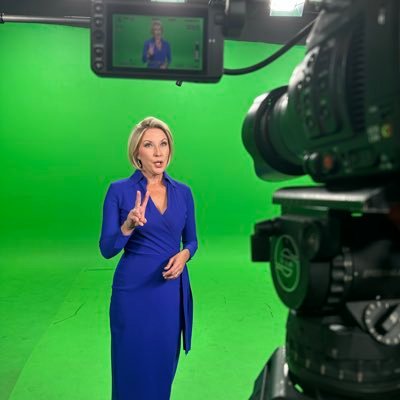
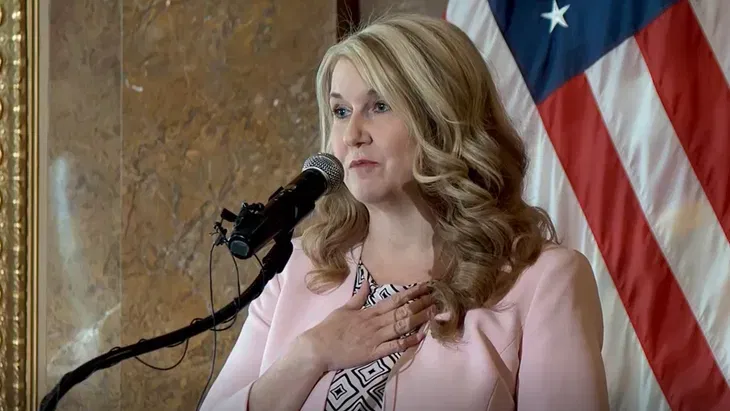
BREAKING: Utah Supreme Court Justice Diana Hagen resigns amid conflict of interest allegations in Prop 4 case
English
Brandon Holyoak retweetledi

Even though our kids won’t see our love “grow old together” from an earthly stand point; they’ll see it from a Heavenly one. And I’ll tell them of our love story any moment I can.
Happy Anniversary to the love of my life.
English


Conservatives must boycott the new Star Wars movie
English
Disney fired @ginacarano
They are perfectly fine with what @MarkHamill said
English
Brandon Holyoak retweetledi
🚨BREAKING 🚨According to my sources: the UAE is expected to lead an Arab coalition to overthrow the Iranian regime within 24 hours. Israel and US expected to participate
English
GIF
Español

@steve_shumaker @realDailyWire @benshapiro God. The internet is so fake. They published one article about how Joseph smith isn’t a real prophet, something most Christian’s believe and suddenly that’s their whole business model.
God what whiney babies you guys are.
English

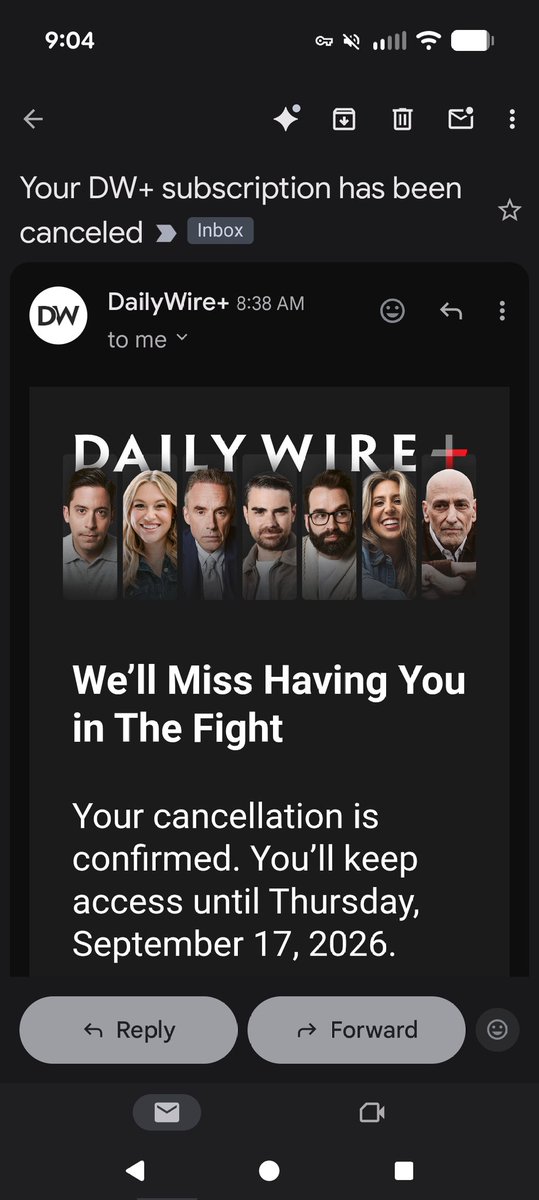
Sorry @realDailyWire and @benshapiro you lost me when you made attacking the Church of Jesus Christ of Latter-day Saints your business model. This is the first time I've ever announced my departure from something so thanks for that too.
English