
Sabitlenmiş Tweet
Amitav
4.4K posts
Amitav
@iam2ab
IT Professional , Am proud Hindu. Mera BHARAT Mahan.
Katılım Nisan 2017
782 Takip Edilen667 Takipçiler
Amitav retweetledi
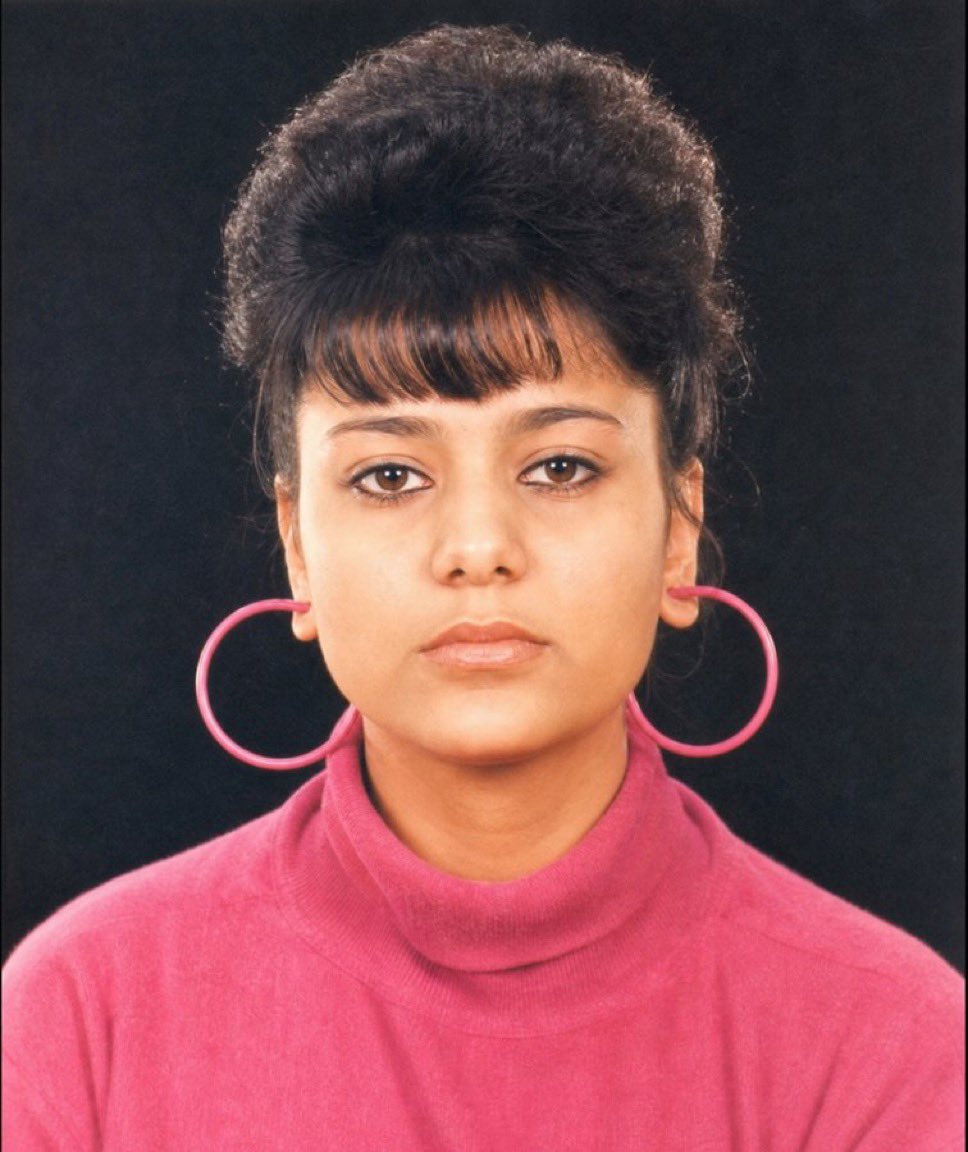
उसका नाम रुचिका गिरहोत्रा था।
वह 14 साल की थी। हरियाणा के पंचकूला की एक टेनिस खिलाड़ी।
12 अगस्त 1990 को वह S.P.S. राठौड़ से मिलने उनके ऑफिस गई। वह हरियाणा लॉन टेनिस एसोसिएशन के प्रमुख और आईजीपी थे। उन्होंने उसके पिता से वादा किया था कि वह उसे खास कोचिंग दिलवाएंगे।
जैसे ही उसकी दोस्त कमरे से बाहर गई, उसने रुचिका के साथ छेड़छाड़ की।
तीन दिन बाद परिवार ने शिकायत दर्ज कराई।
इसके बाद प्रताड़ना शुरू हुई।
राठौड़ ने उसे स्कूल से निकलवा दिया। उसके पिता को बैंक की नौकरी से सस्पेंड करवा दिया गया। उसके भाई आशु पर छह झूठे केस दर्ज किए गए। परिवार का घर बिकवा दिया गया।
परिवार को शिमला के बाहरी इलाके में जाकर मिट्टी भराई का काम करके गुज़ारा करना पड़ा।
28 दिसंबर 1993 को, जब आशु को हथकड़ी लगाकर मोहल्ले में घुमाया गया, कुछ ही दिनों बाद रुचिका ने ज़हर खा लिया।
अगले दिन उसकी मौत हो गई। वह सिर्फ 17 साल की थी।
उसी रात राठौड़ ने पार्टी की।
उसने रुचिका के पिता को उसकी लाश देने से मना कर दिया, जब तक कि वे खाली कागज़ों पर साइन न करें। बाद में उन्हीं कागज़ों से झूठी पोस्टमार्टम रिपोर्ट तैयार की गई।
पुलिस जांच में FIR की सिफारिश हुई, फिर भी राठौड़ को प्रमोशन मिलते रहे।
1999 में वह हरियाणा का डीजीपी बन गया।
यह केस 19 साल चला।
40 से ज्यादा स्थगन और 400 से ज्यादा सुनवाई।
दिसंबर 2009 में उसे छेड़छाड़ का दोषी ठहराया गया।
सिर्फ 6 महीने की सजा और ₹1000 का जुर्माना।
बाद में सजा 18 महीने की हुई।
2016 में सुप्रीम कोर्ट ने दोष कायम रखा, लेकिन सजा पहले ही काटी हुई मानकर उसे छोड़ दिया गया।
जिस जज ने आत्महत्या के लिए उकसाने का आरोप जोड़ने की कोशिश की, उसे समय से पहले रिटायर कर दिया गया।
जिस जज ने ये आरोप खारिज किए, वह रुचिका के परिवार का पड़ोसी था और संपत्ति विवाद में शामिल था।
बाद में S.P.S. राठौड़ को पंचकूला के गणतंत्र दिवस कार्यक्रम में VIP गेस्ट के रूप में बुलाया गया।
रुचिका 14 साल की थी जब उसके साथ छेड़छाड़ हुई।
17 साल की थी जब उसने दम तोड़ा।
ऐसी कहानियां जिन्हें भारत को याद रखना चाहिए।
हिन्दी
Amitav retweetledi
तो इन झूठी खबरों को गूगल से हटवा दीजिये महाराज

CM Office, GoUP@CMOfficeUP
गंगा एक्सप्रेस-वे के निर्माण में कुल 36,000 करोड़ रुपये की लागत आई, लेकिन इसके लिए हमें बैंकों से ऋण लेने की आवश्यकता नहीं पड़ी। अब उत्तर प्रदेश बदल चुका है...हम एक रेवेन्यू सरप्लस स्टेट हैं। —मुख्यमंत्री @myogiadityanath जी
हिन्दी
Amitav retweetledi
गंगा एक्सप्रेस वे का उद्घाटन कुछ दिन पहले ही हुआ है।
अब ये ट्रक ड्राइवर इस एक्सप्रेस वे के बारे में जो बता रहा है और पोल खोल रहा है, वो ख़ुद सुन लीजिए 👇🏼
हिन्दी
Amitav retweetledi

🔥 शर्मनाक! 🔥
अल जज़ीरा की इस रिपोर्ट ने पश्चिम बंगाल चुनाव की वह कड़वी सच्चाई उजागर कर दी है जिसे हमारे गोदी मीडिया ने दबा दिया था।
हिंसा, चुनावी धांधली और लाखों मतदाताओं के नाम काटे जाने का सच दिखाकर विदेशी मीडिया ने आज फिर भारतीय पत्रकारिता को आईना दिखाया है।
आज का भारतीय मीडिया सिर्फ मनोरंजन और चाटुकारिता का केंद्र बनकर रह गया है।
बीजेपी की बढ़ती शक्ति और विपक्ष पर हमलों के बीच भारत तेजी से One-party system की ओर बढ़ रहा है।
याद रहे, देश के भविष्य और लोकतंत्र को जीवित रखने के लिए एक मजबूत विपक्ष का होना अनिवार्य है।
#BengalElections2026 #GodiMedia #IndianPolitics
हिन्दी
Amitav retweetledi
•बंगाल की SGDP अब दुनिया में अब दुनिया में सबसे ज्यादा होगी,
•दुनिया की बड़ी बड़ी कंपनियां बंगाल में फैक्ट्री खोलने के लिए बंगाल की खाड़ी में लाइन लगाए खड़ी हैं,
•अब बंगाल के लोगों को पलायन नहीं करना पड़ेगा
•अब बंगाल का क्राइम रेट भूजल के स्तर के नीचे चला जायेगा
•अब बंगाल में हिंसा मिस्टर इंडिया की तरह गायब हो जाएगी
•अब बंगाल में सबके पास घर और रोजगार होगा
•TMC की वजह से पहले गंगा साफ नहीं हो पा रही थी अब गंगा दुनिया की सबसे स्वच्छ नदी बन जाएगी
हिन्दी
@SanjayAzadSln Ek hi rasta hei sadak par utaro jitne jaldi nehin to LOP ka astitva mit jayegi.
हिन्दी

ये क्या हो रहा है इस देश में?
ममता बनर्जी अभी भी बंगाल की मुख्यमंत्री हैं उनके ऊपर हमला हो रहा है, लात मारी जा रही है।
मुझे लगता है BJP के ख़िलाफ़ पूरे देश में सड़क का संघर्ष तेज करना होगा।
BJP की गुंडागर्दी का जवाब देना होगा।
चुनाव हारने का ये मतलब नहीं की जीतने वाला हिंसा करे।
News24@news24tvchannel
“मुझे पीटा...लात मारी, CCTV बंद कर दिया” ◆ CM ममता बनर्जी ने लगाए गंभीर आरोप @MamataOfficial | Mamata Banerjee | Bengal | पश्चिम बंगाल | #ElectionResult_2026
हिन्दी

MK Stalin lost his own seat
Gaurav Gogoi has lost his own seat
Jitu Patwari lost his own seat
Arvind Kejriwal lost his own seat
Lalu Yadav family lost their own seats
Aditya Thackeray almost lost his own seat
This has become the PATTERN 🚨
Not even in peak BJP and Modi wave during 2014-19, anything like that used to happen
Now, along with party, top leaders are losing elections, that too with heavy margins. State after state, this has become so normal
What is missing?
English
Amitav retweetledi

बंगाल में BJP की सरकार नहीं आ सकती है लेकिन ममता बनर्जी बंगाल में BJP के लिए रास्ता खोल रही हैं।
~ राहुल गांधी
हर बार ये बंदा सही कैसे साबित होता है 🔥🔥🔥
हिन्दी
Amitav retweetledi
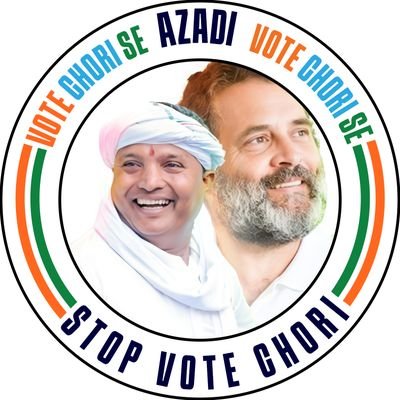
जब जेब में 'ज्ञानेश' हो... तब मतगणना के पहले ही लवणेन भोज्यं की तैयारी शुरू।
ANI@ANI
#WATCH | Delhi: Poori and sweets being prepared at the BJP Headquarters in Delhi as counting of votes for the elections to the Assemblies of Assam, Keralam, Tamil Nadu, West Bengal and Puducherry will begin shortly. Counting of votes for by-polls in seven Assembly constituencies of five states is also being done today.
हिन्दी
Amitav retweetledi

प्रधानमंत्री महंगाई का "म" बोलने के लिए तैयार नहीं हैं।🤣🤣
हिन्दी
Amitav retweetledi

From AI Summit to IPL Matches!
IYC के बब्बर शेर साथी बार-बार सिर्फ एक ही सवाल पूछ रहे है, प्रधानमंत्री ने 'सरेंडर' क्यों किया? ये '16' का क्या राज है?
तस्वीरें हैदराबाद में जारी IPL MATCH की है।
#SRHvsKKR
हिन्दी
Amitav retweetledi

Amitav retweetledi
सत्तासीनों को शर्म से डूब मरना चाहिए कि एक साम्प्रदायिक संस्था के अध्यक्ष के आगमन के लिए स्टेट का महकमा एयरपोर्ट पर लगा रखा गया है!
विश्व हिंदू परिषद के अध्यक्ष प्रवीण तोगड़िया के आगमन के कारण CISF की कंपनी और कई स्पेशल ड्यूटी के अधिकारी भोपाल एयरपोर्ट पर अपना समय भी जाया कर रहे हैं और टैक्स पेयर्स का पैसा भी 😡
हिन्दी
क्या केजरीवाल की तरह CR पाटिल जी ने कहा था
- मैं गाड़ी नही लुँगा
- मैं बंगला नहीं लूंगा
- मुझे AC की जरूरत नहीं है
-मुझे सिक्योरिटी नहीं चाहिए
-मैं आम आदमी हूँ
रही बात घर की क्या इसमें करोड़ो के पर्दे मार्बल लगे है?क्या इसमें शीशमहल जैसी सुविधाएं है? आपियो तर्क तो ठीक दिया करो
Saurabh Bharadwaj@Saurabh_MLAgk
CR Patil साब की कुटिया , कोई शीशमहल ना कहे
हिन्दी
Amitav retweetledi
>नाम Sibasish Sandilya ,
>रैंक 1 असम पब्लिक सर्विस कमीशन ,
>फॉरेस्ट रेंजर लखीमपुर (असम) ,
>काम जंगल की रक्षा करना
>साहब एक ट्रांसपोर्टर के घर से 12000 रुपए की घूंस लेते हुए रंगे हाथों गिरफ्तार हुए हैं,
>साहब ने पैरों में 5000 रुपए के क्रॉक्स पहन रखे हैं,
>मुझे साहब पर पूरा भरोसा है कि जल्द छूट के आयेंगे और बड़ा करप्शन करेंगे
>भविष्य में बड़ा करप्शन करने की अग्रिम बधाई

हिन्दी
Amitav retweetledi

राहुल पर अभद्र टिप्पणी करने वाले सरकारी एंकर की लगी लंका ! घर और दफ्तर से गायब ?
@Editor_SanjayS @Iam_SimranKhan
हिन्दी

ऐसे कौन बोलती बंद करता है भाई 😅😂🤦
ये योगी सरकार के कैबिनेट मंत्री ओपी राजभर हैं. ये महंगाई बढ़ने के फायदे गिना रहे हैं .
कह रहे हैं- महंगाई बढ़ने से गांवों में मोटरसाइकिल बढ़ गईं. चार पहिया गाड़ियाँ बढ़ गईं.
इतने में पत्रकार ने पूछा कि मतलब और महंगाई बढ़ी तो लोग हेलीकॉप्टर भी खरीद लेंगे 😂😅
हिन्दी
Amitav retweetledi
कल जो अडानी एक्सप्रेसवे जिसे गंगा एक्सप्रेसवे का नाम दिया गया है पर पोस्ट डाली थी तो गोबर भक्त बहुत कुतर्क कर रहे है थे कि राष्ट्रिय सेठ अडानी ने पैसा लगाया है तो उसे वसूल क्यों नहीं करेगा ? मत जाओ अडानी एक्सप्रेसवे पर, फलाना ढिकाना।
अब सच सुनिए, गंगा एक्सप्रेसवे मे अडानी का 10,238 करोड़ रुपये लगा है।
अडाणी एंटरप्राइजेज की तीन सब्सिडियरीज बदायूं-हरदोई रोड प्राइवेट लिमिटेड, हरदोई-उन्नाव रोड प्राइवेट लिमिटेड और उन्नाव-प्रयागराज रोड प्राइवेट लिमिटेड ने मिलकर इस परियोजना का विकास किया है । इस परियोजना के लिए SBI ने 10,238 करोड़ रुपये की समूची कर्ज जरूरत को बैंक ने राष्ट्रिय सेठ अडानी को दे दिया है । सुनने में आया है योगी सरकार बैंक गारंटर है।
अब बताइये राष्ट्रिय सेठ अडानी की एक चवन्नी इस प्रोजेक्ट में नहीं लगी है और वो 27 साल तक हेवी टोल टैक्स जनता से बसूलेगा। जबकि टोल दर को देखते हुए मुश्किल से कुछ सालो में ही ब्याज सहित सारा बैंक कर्ज निबट जायेगा।
मीडिया ने सारी जानकारी छिपा ली है बस बता रहे हैं 15 दिन फ्री में अडानी एक्सप्रेसवे पर फर्राटा भरिये। इसकी सच्चाई भी ये है कि इन 15 दिन का टोल टैक्स योगी सर्कार के द्वारा भरा जायेगा। राष्ट्रिय सेठ यहाँ भी एक चव्वनी नहीं छोड़ेगा।
ये सीधी सीधी जनता से लूट है जिसमे मोदी और योगी दोनों सरकार शामिल हैं।

हिन्दी
@Shehzad_Ind @AshokShrivasta6 Gyan kam hei . Srivastava ek chatukar patrakar hei . DD ke salary tax payers money se diya jata hei. DD mein baith ke opposition leader ke bare mein anap sanap bolna bhi tikh nehin ek patrakar ko apne dayere mein rahana chahiye.
Indonesia
Telangana Police says Hi 👋
@AshokShrivasta6 being hounded and Kharge ji giving gyaan
Mallikarjun Kharge@kharge
On World Press Freedom Day, the nation must confront a stark and undeniable reality. Since 2014, India’s position in the World Press Freedom Index has steadily declined, falling to 157th place, under the BJP regime. A free press, in its truest sense, does not exist to amplify the government’s narrative or conceal its failures. It exists to question authority, to scrutinise power, and to hold those in office accountable. The media preserves the Democratic balance between power and the people. Journalists are the custodians of public truth. As Pandit Nehru had said, “The freedom of the Press is not just a slogan but an essential attribute of the democratic process.” That essential attribute stands gravely compromised under the present regime. The Sangh Parivar has increasingly weaponised legal frameworks to silence newsrooms. Defamation laws, national security provisions, and sweeping criminal statutes are deployed not as instruments of justice, but as tools of intimidation. Between 2014 and 2020, over 135 journalists were arrested, detained, or interrogated. Between 2014 and 2023, 36 journalists were imprisoned. The scale of persecution has risen sharply, with several journalists booked under draconian laws such as the UAPA. At the same time, a far more disturbing pattern has emerged, one of violence and impunity. Journalists are being murdered in BJP-ruled states for doing their job. Raghvendra Bajpai in Uttar Pradesh, Mukesh Chandrakar in Chhattisgarh, Rajeev Pratap Singh in Uttarakhand, and Dharmendra Singh Chauhan in Haryana, each of them was reporting on corruption and issues of public interest. Today, they stand as grim reminders of the cost of speaking truth to power. Not satisfied with its existing control, the BJP-RSS government, in its quest for total dominance, is now seeking to tighten its stranglehold over social media in an attempt to silence it. The message of the BJP-RSS is clear: independent journalism will be punished, and compliance will be rewarded. Sections of the media have been reduced to echoing the ruling establishment, while those who persist in asking questions are targeted relentlessly. As we observe, World Press Freedom Day, it is time for deep introspection by all stakeholders. Most importantly, those in power must always uphold the long-established norms of Democracy. Any deviation from these principles, if allowed to persist over time, risks becoming normalised and even accepted, causing lasting damage to democratic norms, values, institutions, and the people they serve. The government of the day must, therefore, hold itself to the highest possible standards.
English