

matt
66 posts


The Lobster believes that tomorrow will be better than today.
English
matt retweetledi



English

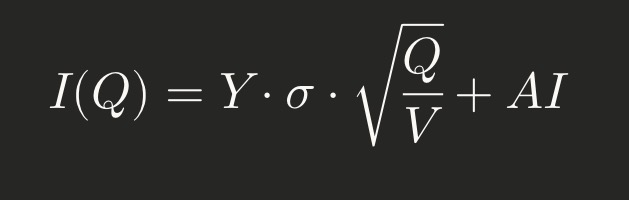
We’re hiring compiler engineers to push the boundaries of static analysis and language design. If you’re passionate about memory safety and eliminating entire classes of bugs, come build breakthroughs in software security with us!
jobs.apple.com/en-us/details/…
jobs.apple.com/en-us/details/…
English
matt retweetledi

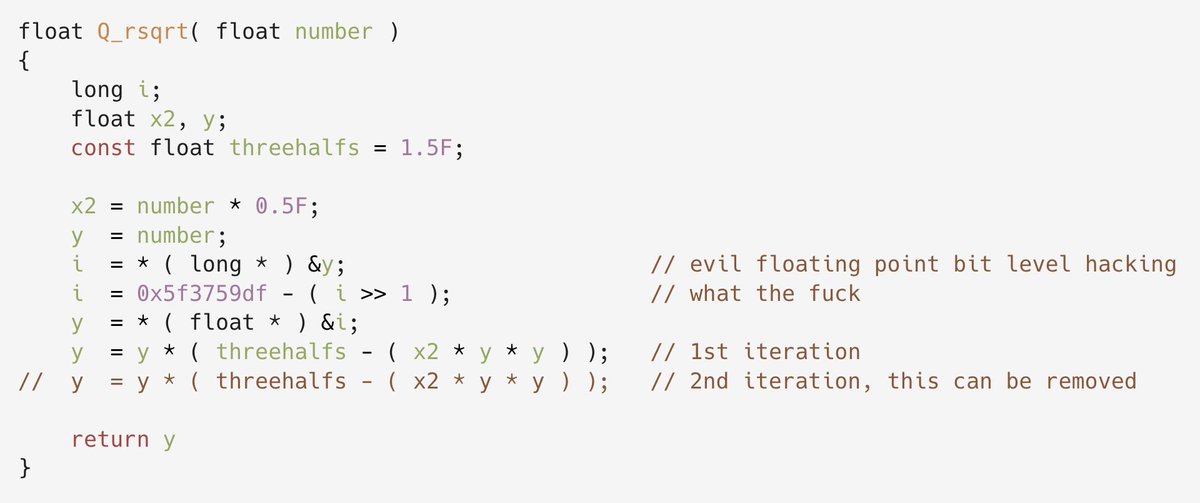
We spent years and billions of dollars inserting a C compiler into a lossy hash table. Here’s how we spent two weeks getting it back out with a Markov process.
Anthropic@AnthropicAI
New Engineering blog: We tasked Opus 4.6 using agent teams to build a C compiler. Then we (mostly) walked away. Two weeks later, it worked on the Linux kernel. Here's what it taught us about the future of autonomous software development. Read more: anthropic.com/engineering/bu…
English



dam @DeepDishEnjoyer is gone. this app will never been the fucking same
English


English

Is Twitter still broken? My timeline is all shit posts from @_jhunsaker and garbage from @JohnWRichKid
English
@cachecrab damn that would have been a way better handle than what I have now
English


I am in LaTeX hell. And I really, really hate it.
English
@_jhunsaker lemme get a soft pretzel with 10,000 transactions per second, 1-second block times, single-slot finality, and low-hardware requirements
English
validator requirements should be specified in dollars - I think $1k or a bit more is pretty reasonable given people spend a lot more than that on just gaming pcs or mac laptops
Max Resnick@MaxResnick
Looks like my talk in Denver really triggered the .eths. Here's the unfortuante truth that got them so riled up: ETH is failing to scale. It's not only failing to deliver on scaling the L1 which we knew already, it's also way behind on it's vision of scaling L2s. Base today does ~26 mgas/s and uses half of Ethereum blob capacity. Gigagas rollups are not coming any time soon, at least not on ETH DA. Even after Fusaka ETH DA capacity will only be enough to support 1/3 of a gigagas rollup. On the positive side i'm hearing through the grape vine that some of the more performance minded client times (reth, nethermind, erigon, etc) are gaining influence within core devs and there seems to be a renewed energy surrounding core development. My recomendations would be drop everything non critical and focus on 3 changes for the next 2 hard forks after Pectra: 1. Focus on shipping some verson of turbine, raptorcast, etc then shorten blocktime to 6 seconds (this is 100% possible after turbine ships) <- this one seems massively under prioritized atm. 2. Ship a fast finality gadget on L1 (ideally 1 slot not 3), replace LMD ghost if you have to. 3. Ship peerDAS and scale blob capacity to support multiple gigagas rollups. In addition ETH should adopt the minimum validator requirements of Monad which were very reasonable (100mb, 32gb, 2tb, latest gen ryzen CPU) and then use those to bench and scale gas limit rather than picking numbers out of thin air for blob capacity and gas limit.
English