Ilan Richter
6.4K posts

@ilanrichter
MD MPH | Advanced HF, MCS & HTx, CUIMC | Father of 3 | Believer in data, technology and people


Finally published: the COBRRA trial, the first randomized head-to-head comparison of major DOACs — something the companies would never have done themselves, as a direct confrontation goes beyond their commercial interests. This was driven by independent investigators. The results somewhat support the idea of apixaban being the “safer” DOAC. That said, the list of study limitations is long, and for me, labeling something as “safe” is not enough — after all, even placebo is “safe” when it comes to bleeding. nejm.org/doi/full/10.10…


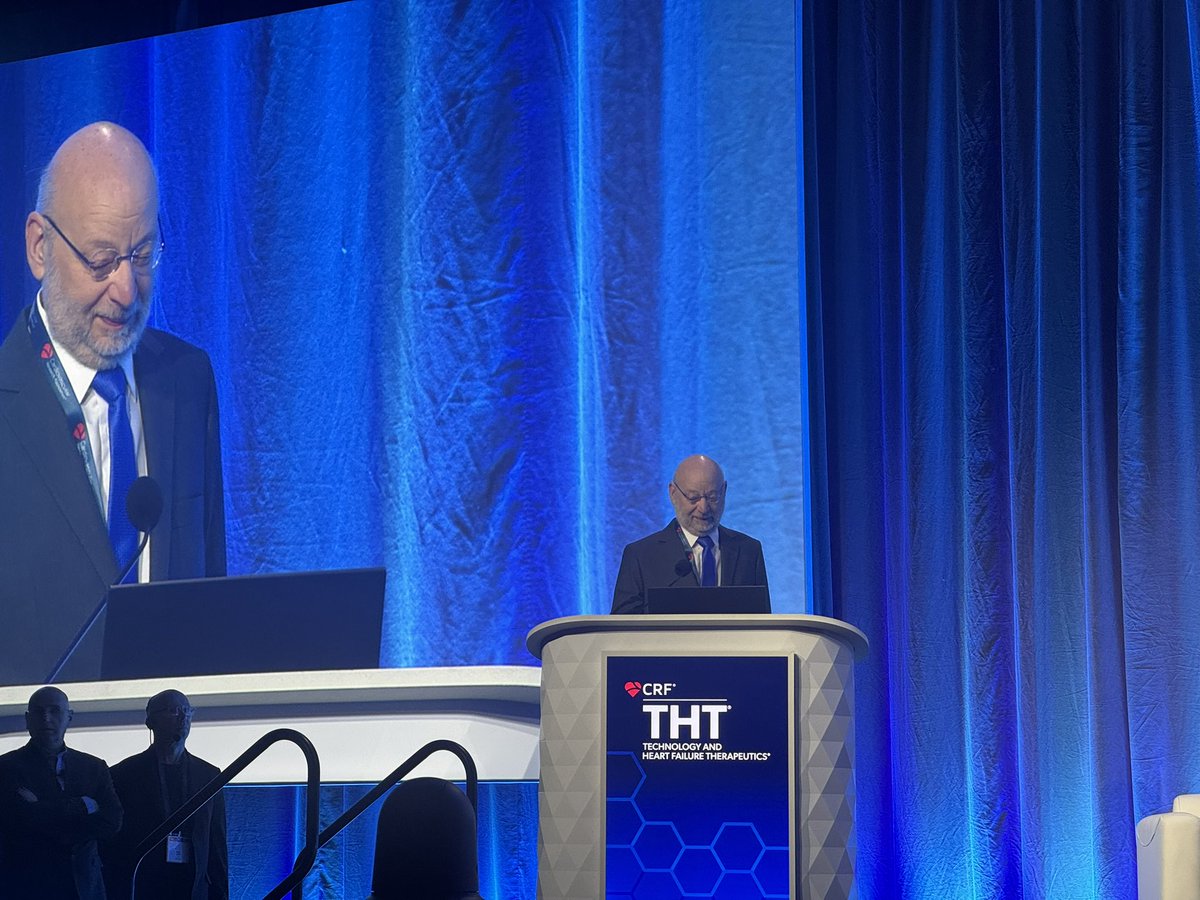
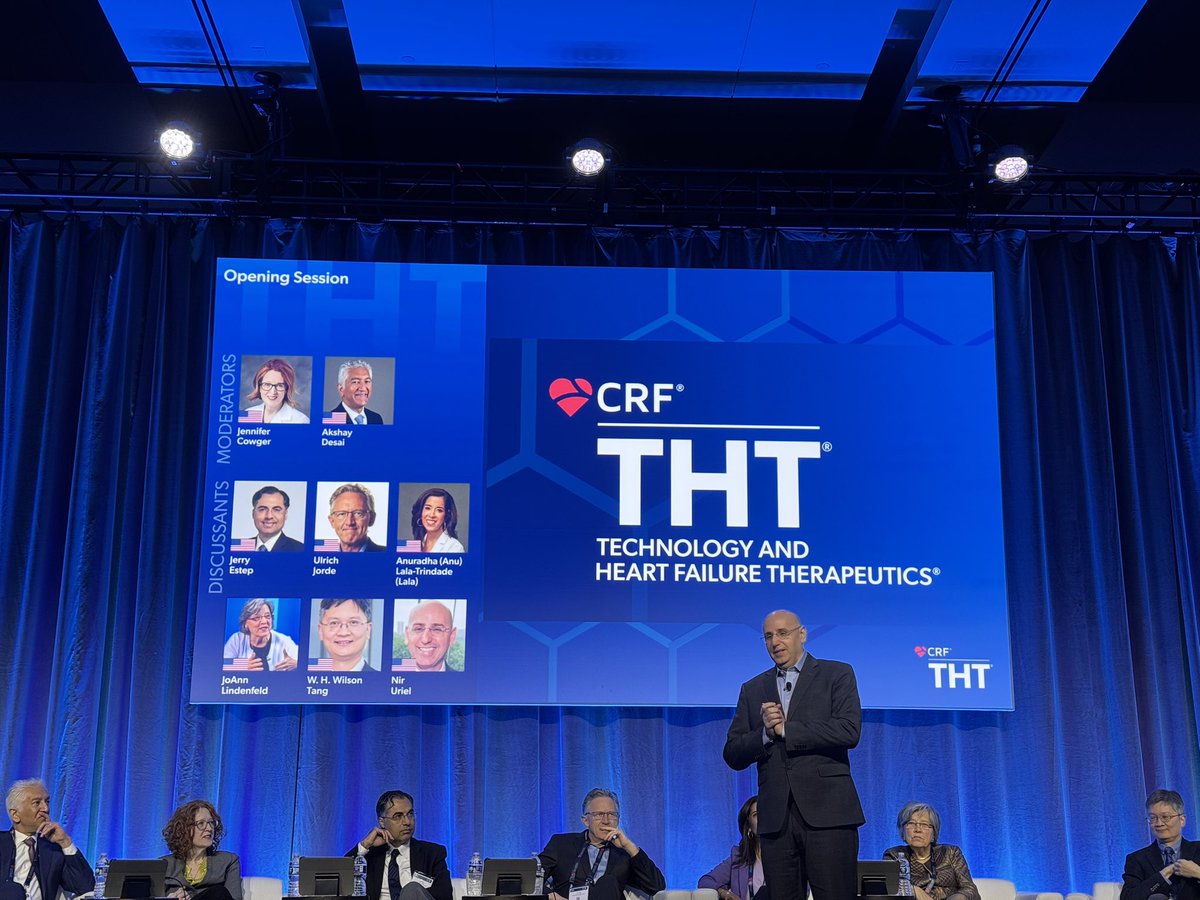
We’re just days away from bringing the #HeartFailure community together in Boston for #THT2026! Get ready to: 🫀 Access pioneering data and comprehensive updates 🌱Gain new skills to apply to your practice 🤝Connect with global experts and industry leaders Secure your spot now! ow.ly/IG4n50Ymblh Can’t wait for your THT journey to begin? Get started a day early at the all-new, FREE Hands-On Training Day on March 1 and master life-saving devices 👉 ow.ly/AeWx50Ymblj #CardioX #CardioTwitter #CardioEd #CardioResearch @BurkhoffMD @javedbutler1 @preventfailure @akshaydesaimd @JerryEstepMD @FudimMarat @UlrichJordeMD @manreetkanwar @dranulala @MartyBLeon @LindenfeldJoann @SMarxLab @gtsayer @WilsonTangMD @NirUrielMD @jgranadacrf @triciarawh @TCTConference @HFSA @asaiojournal @ISHLT @JCardFail @SophiaAirhartMD @michel_helou @RohangantiMD @igor_igorgosev @AHajduczok @DHayesMD @Ibrahim_Kamel9 @dor_lotan @DavidMajureMD @Nikhil15 @SomPSingh


Like the genetic code, bitcoin, or national borders, our current methods for evaluating science are a "frozen accident": things that were formed from historical circumstances rather than careful design, and that persist not because they are optimal (or even good), but because replacing them is extraordinarily difficult. That’s why we are building q.e.d. Science evaluation should be totally different. In the universe (and university) we’re imagining, you pressure-test your work as you go along, whether it’s a manuscript, a grant, a raw result, or an experimental idea. Our q.e.d platform flags weak claims, missing evidence, and logical gaps. Then, when you choose to share your work with the world, if it comes with a “q.e.d inside,” it’s trusted, and other scientists can confidently build upon it. If you’re writing something right now, or if you’re reading something you want to evaluate (or understand), upload the PDF or Doc and see what breaks.