Sabitlenmiş Tweet
imok
5K posts

imok
@imokXBT
Entry shiller | @TheParagonGrp disciple
Katılım Haziran 2009
870 Takip Edilen530 Takipçiler

You can call me out for larping if you like
I've been guilty of it in the past, under my old account, and yes, I feel remorse, sure
But I've earnt my stripes, the hard way, certainly
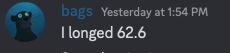

TheBettorPlan@PlanBettor
@bagsheera How many times have you lost it all you larp? You talking to yourself? You are a degenerate and not in a fun complimentary way.
English


imok retweetledi

most traders blow up because they ignore 3 principles:
1. risk before edge.
without risk control you’re nothing
you can stumble onto edge by luck and still bleed out because you size wrong or hold wrong
risk is about making sure your account lives long enough to see the next day
2. edge before size.
most blowups come from pressing size on fantasies
edge means repeatable inefficiency net of costs
no edge and you’re just gambling
every bullet you fire without edge is a donation to the market
3. size before pnl.
pnl is the outcome
size is the lever
but size only matters when edge is real and risk is contained
pressing size without foundation is suicide disguised as ambition
English
imok retweetledi

Breakeven trader?
Stuck in elo hell?
You don’t need new indicators.
You don't need a new system.
You need to make fewer unforced errors.
Error reduction is the fastest route to profitability.
--
Let's begin with a little honest self reflection.
Write down everything that you're bad at as a trader.
Every error. All of them.
Because that’s the only way you can figure out what you’re not completely shit at.
And I promise you, even if you're on full tilt, you still have a thing or two that you can do well.
I use a lot of tennis metaphors when I teach on stream, so here's another one:
Amateurs play a Loser’s Game → most matches are won simply by missing less than your opponent. Legit nothing fancy. You win by simply screwing up less.
Just put the damn ball in the court.
Pros play a Winner’s Game → most matches are won by out playing your opponent. You have to out think them, problem solve on the fly and aggressively close points.
Markets are the same.
Once you're a proven winner -> press size, use LTF or flow to snipe entries, execute when someone makes a mistake, apply game theory and out think your competition.
But if you're struggling, just put the ball in the damn court.
Chances are if you're still reading, you're not consistently profitable.
You may run up briefly, but you can't keep it.
You're not a pro.
You're an amateur.
So play like an amateur.
Have one setup that intuitively comes to mind as your favorite? It's probably your favorite bc it makes you more money than the rest of the shit you take.
Gather some stats.
I bet you that you're over 50% win rate with it.
If so...
Take that one stupid setup again and again... and again.
Display the discipline to avoid the rest.
You shouldn't care about getting better at them yet; they're -EV for you.
By adding more setups all you're doing is lowering your win expectancy once you understand what your strength is.
Think of it like a video game: You don’t split points equally across every skill tree. You focus on one and build around it.
Is there one coin you trade better?
> Stick to it. Remove the rest from the watchlist.
Better at trading ranges?
> Stop trading trends.
Trade better on H1?
> Stop yourself from trading other timeframes.
The more variance your remove from the equation, the better.
TL;DR;
Your desire to learn it all and participate in everything has prevented you from consistently doing the one thing you can probably already do well.
If you're an amateur.
Leave the ego at the door and play like an amateur.
Put the ball in the damn court.

English
imok retweetledi
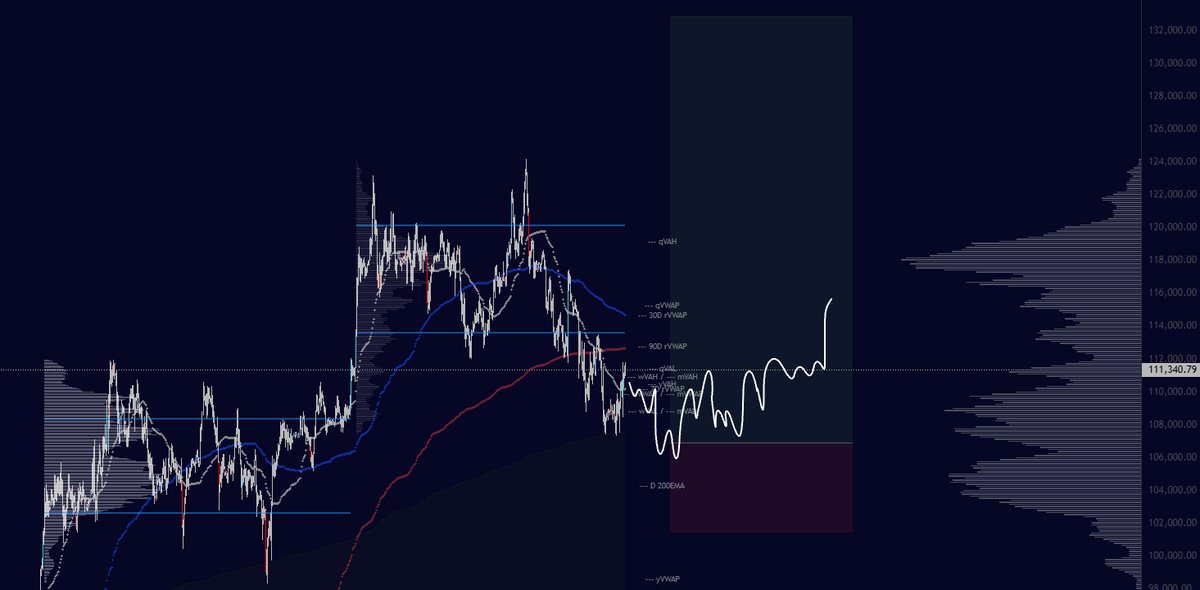
I can’t stress this point enough, because it’s something I always circle back to: as a trader, your job is not to predict the market. Your job is to manage risk.
That means the outcome of any single trade should never be the standard by which you judge it. The true measure lies in the quality of the decision you made at the time; based on the information, probabilities, and risk/reward parameters you had in front of you.
The moment you enter a trade, the outcome must become irrelevant. What matters is that you know why you entered, what risks you’re accepting, what rewards you’re seeking, and the probabilities you’re playing. If you’ve done that with clarity, then it’s a good trade; regardless of whether it wins or loses.
English



imok retweetledi


imok retweetledi

You’ll eventually realize your setups aren’t the issue. It’s your position size.
Too small and don’t take the trade seriously. Too big and you panic every candle.
The sweet spot is size that lets you trade your plan without emotions.
You know it’s correct when it keeps you focused but doesn’t make you tilted if it goes wrong.
It’s a lot of trial and error but when you find it, everything gets easier.
English


Found a very interesting video
I often brush my penis
Do you?

English