
Sabitlenmiş Tweet
aprovado
14.2K posts


aprovado
@infoSTFSTJ
89L1jzsHxbs38pezo7dh7gTxdiEwTJR7oCtBgYzUo3Kw3xtF617iPsSFXAHUxFLMe9egkwc85PFErKwh9puhKbdcQCVtPow [email protected] (lighting)
Katılım Mart 2024
2.7K Takip Edilen331 Takipçiler
aprovado retweetledi

If you haven’t entered the giveaway or checked out the S19J Pro underclocking video yet, you’re leaving sats on the table. ⛏️⚡️
We took a machine everyone said was dead and tuned it down to a super-efficient 84 TH/s at right around 1,900W to quietly stack non-KYC bitcoin. The Gold Digger Solo Miner giveaway is still live, but you have to comment on the video to enter!
We also teamed up with Kalshi for this one - if you want to trade legal financial markets, macro data, or even presidential election brackets, they are the absolute gold standard for prediction markets. 📊
Go to my partner kalshi.com/necrypto and use code necrypto to get $20 when you trade $20!
Get your giveaway entry in and see the full efficiency breakdown below! 👇
📺 Watch & Enter Here: youtu.be/bNXlIzSZjBE
#Bitcoin #BitcoinMining #Giveaway #Kalshi #CryptoMining

YouTube

English
aprovado retweetledi

Merval Pereira é uma das principais vozes do sistema dentro do consórcio da imprensa. Na prática, ele representa e dá voz a toda a elite, seja ela financeira, política ou ligada ao Judiciário.
O interessante é que ele começa dizendo que Jair Bolsonaro é vítima de acusações. Ou seja, mesmo confirmando, ainda que indiretamente, que Bolsonaro é vítima desse sistema do qual o próprio Merval é um dos principais interlocutores, ele deixa escapar algo importante.
Ele demonstra que a medida de Alexandre de Moraes não saiu do jeito que eles esperavam.
Se observarmos as entrelinhas, é exatamente isso que ele está dizendo: Alexandre de Moraes tomou uma medida que, na visão deles, faria Flávio Bolsonaro recuar. Mas aconteceu justamente o contrário. A medida acabou voltando contra eles.
E agora eles precisam encontrar novos meios para prejudicar a campanha de Flávio Bolsonaro e continuar desgastando Jair Bolsonaro.
Merval, ao mesmo tempo em que identifica e mostra que tudo isso não passa de um grande desgaste político, tenta normalizar esses absurdos.
É exatamente isso que eu venho dizendo: eles vão dobrar a aposta. Vão continuar buscando métodos e técnicas para cavar o pênalti da inelegibilidade e desgastar a campanha de Flávio Bolsonaro, que segue avançando.
Português

Recebo com otimismo a aprovação do aumento do percentual para 32% do etanol na gasolina pelo CNPE (Conselho Nacional de Política Energética). Este resultado é fruto do diálogo que tive na semana passada com os ministros do Planejamento, Bruno Moretti, e de Minas e Energia, @asilveiramg. Num cenário internacional desafiador, devemos perseguir a estabilidade e a segurança para a produção nacional.
Português


aprovado retweetledi

يوتيوبر كوري يدعى سوهون كشف فضيحة كبيرة في بعض المطاعم اليابانية 🇯🇵 لم يتوقعها السياح الاجانب من بلد مثل اليابان:
عندما ذهب لمطعم سوشي في اليابان مع صديقته اعطته النادلة مينو باللغة الانجليزية فطلبت منيو اللغة اليابانية وهنا ترددت النادلة كثيرا قبل اعطائهم وسألتهم هل تفهمون اللغة اليابانية؟ واتضح ان المنيو مختلف كثيرا في الاسعار
القائمة اليابانية أرخص بكثير ويصل لنصف المبلغ والمطعم يتبع نظام منيو A (للمحليين) ومنيو B (للسياح) واعتبروها سرقة كبيرة للاجانب وان هذا بدأ ينتشر في مدن كبيرة مثل طوكيو واوسكا وكيتو وحتى المدن الصغيرة
وبمجرد سماع لغتك يتم اعطائك المنيو المناسب واي لغة غير يابانية يتم تسليمك منيو B وهو استغلال لعدم معرفة السياح الاسعار الحقيقة
العربية

Pra acabar de lascar só falta a PCBA sair também
GIF
Clover@itsmeravenqueen
Dps desse edital diabólico da PCMA, ctz que a concorrência da PCPR vai aumentar mttttttttttttttt
Português
aprovado retweetledi
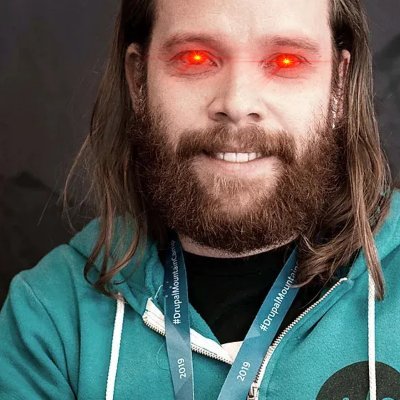
If you thought following a watt curve by @ry3t_official NOVA only works with one miner, I got a surprise for you 😎
3 Miners (with different hashboards and controlboards) following a given watt setting withing a couple of seconds.
First in balance mode:
- Sharing the required watt among each other
- Ensuring highest efficiency (miners are more efficient when under-clocked)
Then switching to "largest first":
- Filling the first miner first with full power and starting the other ones only if more power is needed
- Reducing the amount of changes needed as only one miner will need to adapt their power output.
Watch the lower section of the dashboard in the video, showing the stats of each individual miner and how they react to each change.
Oh and btw, the control system itself (Nova) is running on one of the miner itself, so no need for a separate RaspberryPi or anything. Plus it is running Mujina (github.com/256foundation/…) by @256FOUNDATION which makes all of this even possible.
Mandatory behind the scenes shot of course (pardon the mess, bear-markets don't provide time for cleanups)

Michael Schmid ⚡️@Schnitzel
Open source mining firmware + AI = unstoppable. ⚡ For years, people have tried to chase excess solar power with bitcoin miners. Stock firmware doesn't let you adjust power at all. Third-party firmware was too slow, some even restarted mining every time you changed the target. @256FOUNDATION & @ryankuester's Mujina just solved that. In this video: what I've been building with @ry3t_official for their upcoming RY3T NOVA. ☀️ It tracks a power target anywhere from 1,000W to 3,000W, stepless, within seconds. Connect it to your inverter or smart home and turn excess solar into sats, instead of selling it back to the grid for pennies. NOVA scales to 1-3 miners, up to 9kW. 🔋 Learn more at nova.ry3t.com/en/ (CH and EU currently - interested other places? let me know) A lot more coming in the next few weeks. Open source bitcoin mining hardware + software + AI is about to get very interesting. 🚀
English
aprovado retweetledi

Video dropping tomorrow about this absolute beautiful little 2.4t/h miner @GekkoScienceLLC hope you don't mind the green heatsinks but I figure it matched the device well. I know it's not a K-Box. But I'm super pumped to have a device from a legendary company.

English

Quando a perseguição aumenta do lado de fora, a paz precisa reinar do lado de dentro. A sabedoria descrita pelo apóstolo Paulo em Filipenses nunca foi tão atual para a direita brasileira: é hora de deixar para trás as mágoas, as falhas de comunicação e os atritos passados.
O que está diante de nós é o futuro da nossa nação e a liberdade das próximas gerações. O apelo do presidente Jair Bolsonaro por união deve ser atendido na prática, unindo os maiores nomes do nosso campo conservador.
Coloco-me à disposição para ajudar a construir essa ponte. Vamos em frente por um Novo Brasil!
Português

Moraes proíbe Flávio Bolsonaro de visitar o pai em casa: além de filho, Flávio é advogado constituído de Jair Bolsonaro, portanto a ordem de Moraes viola uma prerrogativa sagrada da advocacia prevista no Estatuto dos advogados. A OAB vai ficar calada?
oglobo.globo.com/google/amp/pol…
Português
aprovado retweetledi

‼️BREAKING: Telegram's core t[.]me domain has been placed on serverHold at the .me registry, a registry-level status that drops it from DNS worldwide and dead-ends every t[.]me link.
Domain records show the change happened today, with no public explanation yet from Telegram, the .me registry, or backend operator Identity Digital.


English
aprovado retweetledi

aprovado retweetledi

No fundo da floresta amazônica, fica a maior cachoeira de queda única do mundo, Guyana
Português
aprovado retweetledi

Another hydro conversion completed!
Our client is now running 27 Antminer S21 miners on our hydro cooling system.
By converting to hydro, they’ve gained:
• Up to 2 years of additional miner lifespan.
• Up to 15% overclocking potential.
• 95%+ uptime for more reliable mining.
English
aprovado retweetledi

aprovado retweetledi

JUST IN: 🇺🇸🇮🇷 US strikes Iranian naval base using sea drones in combat for the first time.
English
aprovado retweetledi

aprovado retweetledi
aprovado retweetledi

Prefeito de Cuiabá ironiza acusação de paternidade aos 9 anos: "fui pai aos 9 anos?"
Abílio Brunini divulgou o áudio de uma mulher que afirma ter tido um relacionamento com ele em 1991 e que uma filha de 33 anos seria dele. Pelas datas, o prefeito teria sete anos na época do suposto affair e oito no nascimento da criança. Brunini rebateu a acusação como inverossímil, questionando "fui pai aos 9 anos?".
Português
aprovado retweetledi

CENTCOM divulga imagens dos ataques de ontem, incluindo o uso de múltiplos drones de ataque naval contra um submarino iraniano e uma instalação de manutenção de embarcações na base naval de Bandar Abbas, no sul do Irã.
Português